Hammarbybacken
Sweden
Sweden
Urban ski hill inside Stockholm | Known for: four slopes, a snow park, SummerSki, city transport access, and short-lap freestyle culture | Season: winter skiing plus selected summer dry-slope sessions | Best for: Stockholm park laps, beginner progression, urban ski content, and quick after-work sessions
A Ski Hill Inside The Stockholm City Map
Hammarbybacken rises on the south side of Stockholm, close enough to the city grid that the ski day begins with urban transport rather than a mountain transfer. SkiStar presents the hill as skiing in central Stockholm, with access possible by car, Tvärbanan, bus, or boat. That location defines the venue. Hammarbybacken is not a destination resort built around lodging, alpine bowls, or long vertical. It is a compact city slope where the capital’s skiers can take real laps without leaving the metropolitan rhythm.
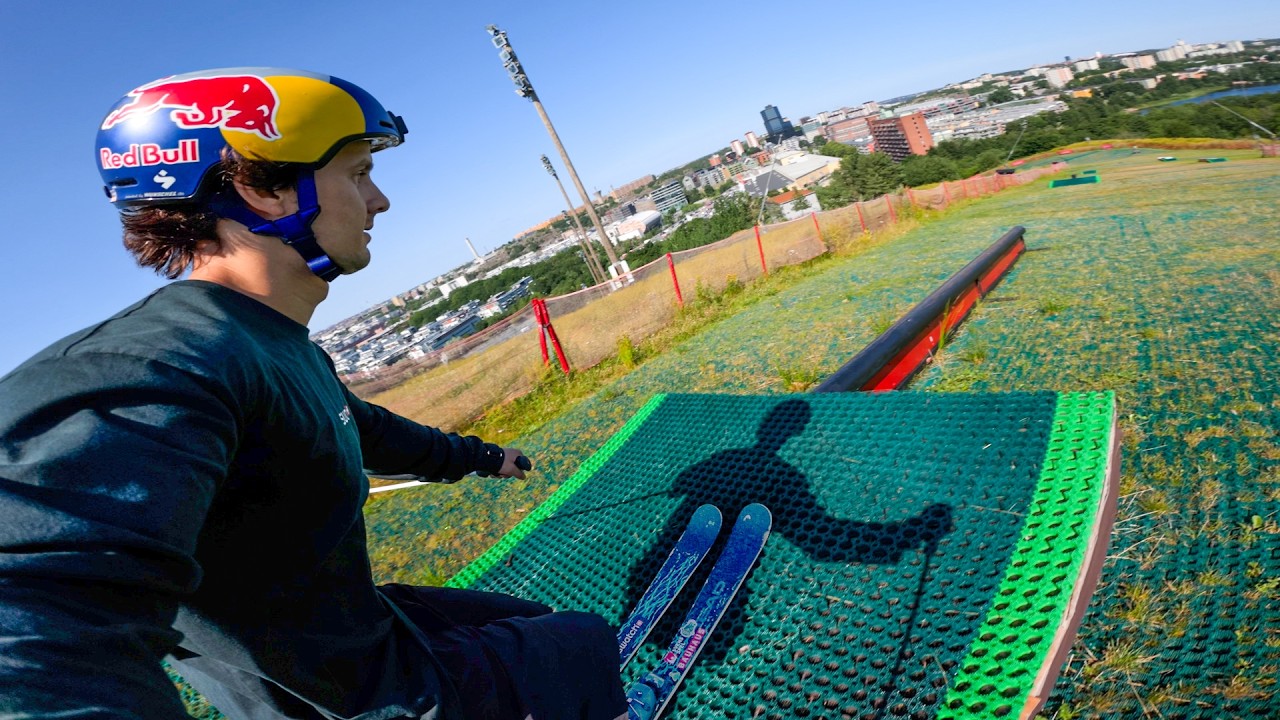
The hill sits in the wider Sweden freeski context, where short slopes, floodlights, rails, and repetition are part of the national style. Hammarbybacken gives Stockholm the most visible version of that idea. A rider can finish school or work, travel across the city, rent gear if needed, and ride a short session while apartment blocks, roads, water, and city lights remain part of the view. For ski media, that contrast is the point: Hammarbybacken makes skiing look urban, not alpine.
Four Slopes And A Small Mountain Routine
The official winter page lists four slopes, a children’s area, and a snow park. That is enough to give the hill a basic mountain routine even if the scale is limited. Beginners can use the easier terrain and learning area, while stronger riders can focus on quick turns, edge pressure, and repeated laps. The hill is especially useful for people who need frequency more than vertical: new skiers building confidence, park riders maintaining movement, and locals who want a short winter session without planning a full trip north or west.
Hammarbybacken’s compact size changes the way it should be skied. A run is not a long descent with several terrain changes. It is a quick feedback loop. Every lap tells a skier something immediate about balance, turn shape, speed control, or feature approach. That makes the hill valuable for technical repetition. It also means crowd awareness matters. Mixed ability levels can share the same small space, so predictable skiing, safe stopping zones, and respect for lift flow are more important here than in a wide destination resort.
Snow Park Value In A Flat Capital
The snow park is the strongest freeski reason to index Hammarbybacken as more than a beginner hill. SkiStar’s official winter description confirms the presence of a snow park, giving Stockholm riders a place to work on freestyle basics without waiting for a trip to Åre, Kläppen, or the Alps. The feature setup can change with snowmaking, weather, shaping decisions, and the point of the season, so no individual rail or jump should be treated as permanent. The useful fact is structural: the venue includes a dedicated freestyle element inside the city.
For park skiers, that creates a specific use case. Hammarbybacken is not meant to replace CopenHill as a year-round artificial-slope reference or Kläppen Snowpark as a national-scale Swedish park. Its strength is local access. A rider can practise small jumps, presses, rail timing, switch approaches, or basic grabs in short sessions that fit around normal city life. Those repetitions can later transfer to larger Swedish park destinations when the season or travel budget allows.
SummerSki And The Year Round Adventure Shift
Hammarbybacken is no longer only a winter city slope. SkiStar’s summer pages present the area as an active summer venue, with activities such as SummerSki, Mountain Tube, Mountain Coaster, and climbing. The SummerSki page confirms scheduled dry-slope skiing sessions, while the Mountain Coaster page describes an 800-metre track with about 100 metres of drop. Those details show how the hill has been turned into a year-round urban adventure site rather than a seasonal ski-only facility.
For freeskiers, SummerSki is the most relevant summer activity because it keeps ski movement present in Stockholm when natural snow is absent. Dry-slope technique is not identical to snow technique, and riders should adapt speed, pressure, clothing, and equipment expectations to the surface. Still, the value is clear. Summer sessions can maintain balance, edging, and simple freestyle habits through months when most local hills are inactive. In a city environment, that continuity matters because the barrier to riding stays low.
How Hammarbybacken Fits Swedish Freeski Culture
Swedish freeskiing is often associated with larger names and locations: Åre for complete resort terrain, Kläppen Snowpark for structured freestyle progression, Riksgränsen for late-spring Arctic freeride, and Stockholm for street and urban ski logic. Hammarbybacken belongs to that last category. It teaches riders to value repetition, precision, and the ability to use small terrain well. Those habits connect naturally to Swedish rail culture, where technical control often matters more than huge vertical.
The Skipowd Sweden archive already frames Stockholm as an urban ski layer, with Hammarbybacken mentioned as part of the capital’s metro-area skiing. That makes this location page useful as a more focused node. Sweden’s ski map should not be reduced to big resorts or far-north freeride. Urban hills like Hammarbybacken explain how riders can touch snow, rails, park features, and night-session energy without leaving a capital city.
Getting There By Tram Bus Boat Or Car
Access is one of the venue’s strongest practical advantages. SkiStar explicitly lists several ways to reach Hammarbybacken: car, Tvärbanan, bus, or boat. That range matters because it allows the hill to function as a normal Stockholm activity rather than a special winter expedition. A skier can plan a session around public transport, city accommodation, school schedules, or after-work timing.
The best approach is session-based. Check SkiStar’s current opening hours, weather, lift status, and slope information before leaving. Bring equipment suited to short laps and hard-wearing use, or use rental options if the goal is casual riding. For park days, take the first lap slowly, inspect the current feature setup, and avoid assuming that yesterday’s snow park line is still open or shaped the same way. Small hills change quickly when weather, traffic, and snowmaking conditions shift.
Urban Etiquette On A Compact Hill
Hammarbybacken works best when riders respect the limits of the venue. Beginners, families, school groups, park riders, tourists, and locals can all be on the hill at the same time. That mix requires clear park etiquette: call drops, clear landings, do not stand below knuckles, and avoid crossing a feature line without checking uphill. On the general slopes, speed control matters because the terrain is short and shared.
The same logic applies to filming. The city backdrop can make Hammarbybacken attractive for quick clips, but cameras should not block lift exits, piste flow, or park landings. Urban skiing only stays useful when the venue remains safe and accessible for everyone. Treat the hill as a shared city resource, not a private film set.
The Stockholm Reason To Ride Hammarbybacken
Hammarbybacken matters because it gives Stockholm a real ski habit inside the city. It has four slopes, a children’s area, a snow park, winter operations, SummerSki sessions, and transport access that fits the capital’s daily rhythm. That combination is modest in mountain terms but strong in urban terms. The hill turns skiing into something Stockholm residents can repeat often, not only something they travel for once or twice a season.
For freeskiers, the best use is clear: short park laps, technique maintenance, beginner progression, summer dry-slope movement, and city-based ski content. Hammarbybacken is not a powder destination and should not be described like a major resort. Its value is sharper than that. It is the place where Stockholm puts skiing into the city, one compact lap at a time.