Sweet Protection
Sweden
Norwegian snow protection brand | Founded in Trysil in 2000 by skiers, snowboarders, paddlers and designers | Known for: helmets, goggles, eyewear, body protection and technical apparel | Focus: high performance protection for race, freeride, resort, park, bike and paddle sports
Trysil garage roots and the Sweet Protection idea
Sweet Protection is a Norwegian protection brand whose ski identity starts in Trysil, not in a corporate design office far from the mountains. The company was officially founded in 2000, but its roots reach back to the late 1980s, when founder Ståle N. Møller began shaping boards and protective equipment in his parents garage. The early Sweet crew came from skiing, snowboarding, whitewater kayaking and design, which explains why the brand never felt limited to one single sport. Its purpose was protection for people who crash hard, move fast and expect gear to survive real use.
The first major snow products set the tone quickly. In 2000 and 2001, the Rooster and Strutter helmets helped move Sweet Protection from a local Norwegian experiment into the global snow scene. The brand should not be described as a ski manufacturer, boot maker or outerwear-first fashion label. Its core category is protection: helmets, goggles, eyewear, impact gear and technical apparel built around confidence, visibility and crash management.
Rooster Strutter Trooper and the helmet first reputation
Sweet Protection became known through helmets before it became a broader snow brand. That heritage still matters because helmets are not secondary accessories in skiing and snowboarding. They sit at the point where design, safety testing, comfort, ventilation and rider trust all meet. The Trooper line became one of the brands most recognisable freeride references, while race models such as Volata connect Sweet to alpine competition. Grimnir sits in the high end freeride space, with carbon construction and the 2Vi platform used to balance protection, weight and volume.
The brand’s catalogue now reaches race, freeride, park, resort, touring, junior and bike categories. That range gives Sweet Protection a different profile from a small helmet label that only serves one use case. A park skier needs a helmet that feels low profile and comfortable for repeated laps. A race skier needs gate protection and compliance with discipline expectations. A freerider may prioritise impact management, ventilation, goggle integration and cold weather comfort. Sweet Protection’s strength is treating those differences as design problems rather than one helmet shape with different colours.
2Vi Mips and impact shields as the modern protection language
2Vi is one of Sweet Protection’s main technology platforms. The brand describes it as a helmet system designed to increase safety and comfort without adding unnecessary weight or bulk. Depending on the model, the system can combine shell construction, multi density shock absorbing structures, impact shields and Mips rotational impact technology. That layered approach is important because ski crashes rarely happen as clean straight impacts. A skier may catch an edge, rotate into hard snow, hit a rail, clip a gate or crash sideways in chopped powder.
Mips should be understood accurately. It is not a magic guarantee against injury, and no helmet removes the need to ski within conditions, terrain and ability. Its purpose is to help manage certain rotational forces during angled impacts. Sweet Protection’s value is that it integrates these systems into helmets that still need to fit correctly, ventilate properly and work with goggles. A high end helmet is only useful when it sits securely on the head, stays comfortable enough to be worn all day and does not create a visibility or fogging problem.
RIG goggles and the need to read snow texture
Sweet Protection’s snow goggles are built around RIG lens technology, which the brand uses across its snow goggle range. The purpose is to improve contrast and reduce eye fatigue in changing mountain light. For skiers and snowboarders, this is not a cosmetic detail. Flat light can hide ruts, takeoff lips, icy patches, mogul troughs, compression zones and landings. Good vision can help a rider ski with more confidence and make better speed decisions.
The goggle range includes models for different face shapes, field of view preferences and weather routines. Some riders need a large lens for freeride visibility. Others want a lower profile park or resort goggle that pairs cleanly with a helmet. Lens tint should always match conditions. Bright alpine days, storm skiing, night laps and tree skiing all create different visual needs. Sweet Protection’s helmet and goggle ecosystem works best when chosen together, because no gap fit, vent alignment and strap behaviour matter just as much as lens colour.
Henrik Kristoffersen and the race helmet connection
Sweet Protection has a strong alpine racing link through Norwegian athlete Henrik Kristoffersen. The brand has developed Volata and Trooper team edition race helmets in connection with Kristoffersen, including FIS oriented race models and slalom focused versions with chin guard compatibility. That relationship gives Sweet Protection credibility in a discipline where helmets face speed, ice, gate contact and strict expectations. Race skiing is not forgiving gear marketing. It tests fit, protection, stability and athlete trust in conditions where equipment failure can have serious consequences.
This race connection also sits naturally inside the brands Norwegian identity. Sweet Protection comes from a country where alpine racing, freeride, resort skiing and mountain outdoor sports overlap. The brand’s race products are not the same as its freeride helmets, but the shared protection mindset is visible. Race demands influence shell strength, impact zones and secure fit, while freeride and park use push ventilation, comfort, style and goggle integration. A protection company with credibility in both spaces earns more than a niche accessory role.
Jesper Tjader brings park creativity into the Sweet system
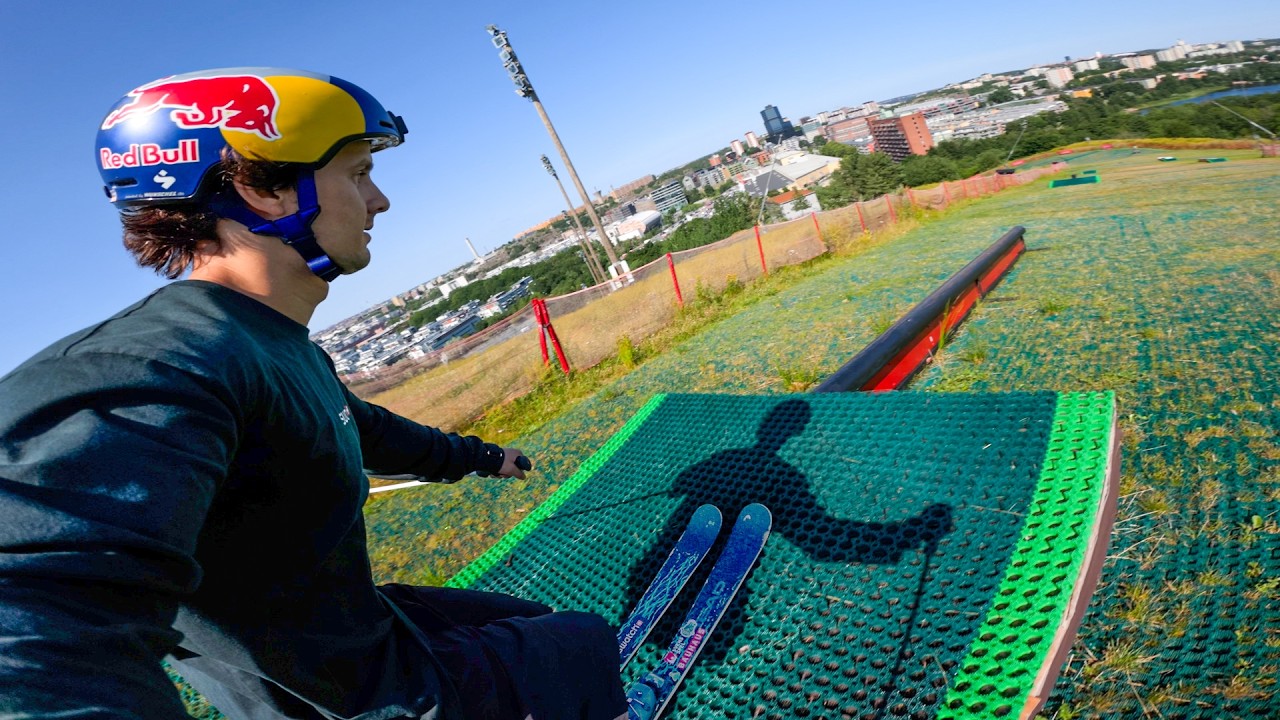
Sweet Protection’s freestyle side is clearly represented by Jesper Tjäder. The Swedish skier has signature Sweet products including Looper Mips helmet and goggle editions, and he fits the brand because his skiing mixes rail precision, creative engineering and repeated high consequence attempts. A rider focused on park laps, unusual features and urban style needs protection that can handle frequent impacts without feeling bulky or distracting.
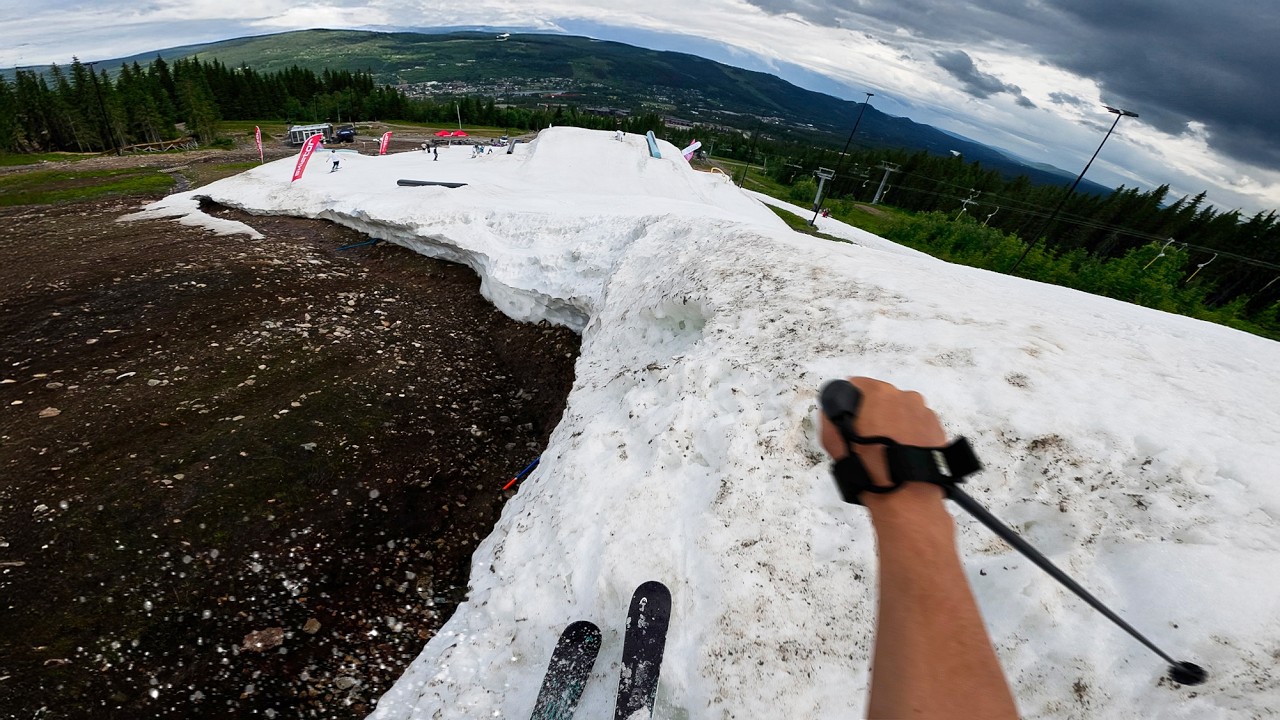
Tjäder also connects Sweet Protection to the Scandinavian progression scene beyond traditional resort skiing. His projects show how modern freeskiing often happens at the edge of sport, design and problem solving: rails that look impossible, custom features, summer snow setups and edits built around ideas rather than only contest scores. Sweet Protection’s presence in that space matters because freestyle protection has to be credible to riders who value style and movement as much as safety. A helmet that feels wrong will be left behind. A helmet that fits the culture can become normal equipment.
Trysilfjellet and the Norwegian terrain behind the brand
Sweet Protection’s home story is closely connected to Trysilfjellet, Norway’s largest alpine resort area and a practical environment for testing snow gear. Trysil is not only a tourist destination. It offers groomer mileage, family terrain, park laps, cold Scandinavian conditions and enough repeatable resort riding to expose whether a helmet or goggle works through ordinary winter use. For a protection brand, that is useful terrain. Products need to handle real lift days, not only dramatic marketing images.
The Trysil connection also explains the brands wider outdoor DNA. Norway produces riders who move between skiing, biking, paddling and mountain travel. Sweet Protection reflects that multi sport culture by making equipment for snow, bike and paddle sports rather than treating skiing as a closed category. This gives the brand year round testing logic and a broader understanding of impact, speed, ventilation, fit and weather.
Race freeride park and resort users need different Sweet choices
Choosing Sweet Protection starts with the discipline. A race skier should look at Volata or discipline specific race helmets where gate protection, chin guard compatibility and competition requirements matter. A freerider may compare Grimnir and Trooper models, especially when weight, carbon construction, ventilation and impact management become central. A park or resort skier may prefer Looper or other lower profile models that balance comfort, protection and everyday style.
Goggles should be chosen with the helmet, not separately at the end. A strong Sweet setup is usually a helmet and goggle combination that sits together without a forehead gap, vents properly and keeps the strap stable. Body protection and technical clothing can then complete the system for riders who ski hard, train gates, hit jumps or spend long days in variable terrain. The best product is not always the most expensive one. It is the one that fits the head, face, weather and actual riding style.
Why Sweet Protection sits beside the major protection brands
Sweet Protection earns a 5/5 importance score because it is one of the most credible and internationally recognised protection brands in modern skiing and snowboarding. Its influence is not based on skis underfoot, but on the equipment that helps riders keep pushing safely: helmets, goggles, eyewear and protective gear. From early Norwegian helmet prototypes to 2Vi Mips platforms, RIG goggles, alpine race collaborations and freestyle athlete editions, the brand has built a complete protection identity.
On Skipowd.tv, Sweet Protection belongs beside major safety and eyewear names such as POC, while keeping its own Norwegian character. POC is the Swedish protection benchmark; Sweet Protection is the Trysil born counterpart with a strong freeride, race and multi sport foundation. For skiers watching edits, competitions and resort videos, Sweet Protection represents the quiet but essential layer between ambition and consequence: the helmet before the drop, the goggle in flat light and the confidence to ride another lap.