Kai Mahler
Profile and significance
Kai Mahler is one of the defining names of modern Swiss freeskiing, a big air and slopestyle specialist whose career helped push the sport from double corks into the era of carving triple rotations. Born in 1995 and raised in Fischenthal, Switzerland, he stepped into the spotlight as a teenager by winning the inaugural boys’ ski halfpipe gold medal at the 2012 Winter Youth Olympic Games in Innsbruck, then quickly shifted his focus toward slopestyle and big air. Within just a few seasons he went from promising junior to regular contender at the biggest events in freeski: X Games, Dew Tour, World Cups and major invitationals.
Mahler’s competitive résumé is stacked with heavyweight results. He owns multiple X Games Ski Big Air medals, including silver and bronze from Aspen, a Dew Tour big air win in Breckenridge, victory and podiums at classic European showdowns like freestyle.ch in Zurich and Nine Knights in Livigno, plus Junior World Championship and Youth Olympic titles. He also represented Switzerland in men’s slopestyle at the Sochi 2014 Winter Olympics, underlining his role as one of the key figures in Swiss freeski during the early Olympic years of the sport. Even after announcing his retirement from full-time competition in 2020 at just 24, Mahler has remained a reference point whenever style, progression and risk management in big air are discussed.
Competitive arc and key venues
Mahler’s competitive arc is unusually complete: Youth Olympics, junior worlds, World Cups, X Games, Dew Tour and the Olympic Games all appear in his story. The early highlight came at Innsbruck 2012, when he won boys’ halfpipe gold at the first Winter Youth Olympic Games, making history as one of the first Olympic champions in ski halfpipe. Soon after, he began transitioning toward big air and slopestyle, claiming a Junior World Slopestyle title and announcing himself as more than a pipe specialist. Those results opened the door to the main stage just as freeski was exploding globally.
The 2012–2013 seasons were his breakthrough years. Mahler took big air silver at Winter X Games in Aspen, won the Dew Tour big air in Breckenridge with a now-classic switch double misty 1440, and collected podiums at European showcase events like freestyle.ch in Zurich and Frostgun in France. Over the next few seasons he would add more X Games hardware, including a Ski Big Air bronze at Aspen, and multiple FIS World Cup podiums in big air, finishing near the top of the discipline standings in 2017. In Sochi, he carried Swiss hopes in the inaugural Olympic men’s slopestyle, ultimately placing mid-pack but showing the same high ceiling that had made him a medal threat at every big air contest he entered.
Key venues tell the same story. Aspen and Breckenridge in Colorado were the stages for his most-watched big air performances. In Europe, Zurich’s now-legendary freestyle.ch jump, the glacier parks of Stubai and Corvatsch, and big air scaffolds in cities from France to Scandinavia formed his regular circuit. On the World Cup side, stops like Silvaplana and other Swiss venues cemented his status as a home-hero whenever the tour came through. Late in his competitive career he also joined more rider-driven formats like SLVSH Cup games in Grandvalira, showing that even as he stepped back from traditional tours he still wanted to test himself against the next generation.
How they ski: what to watch for
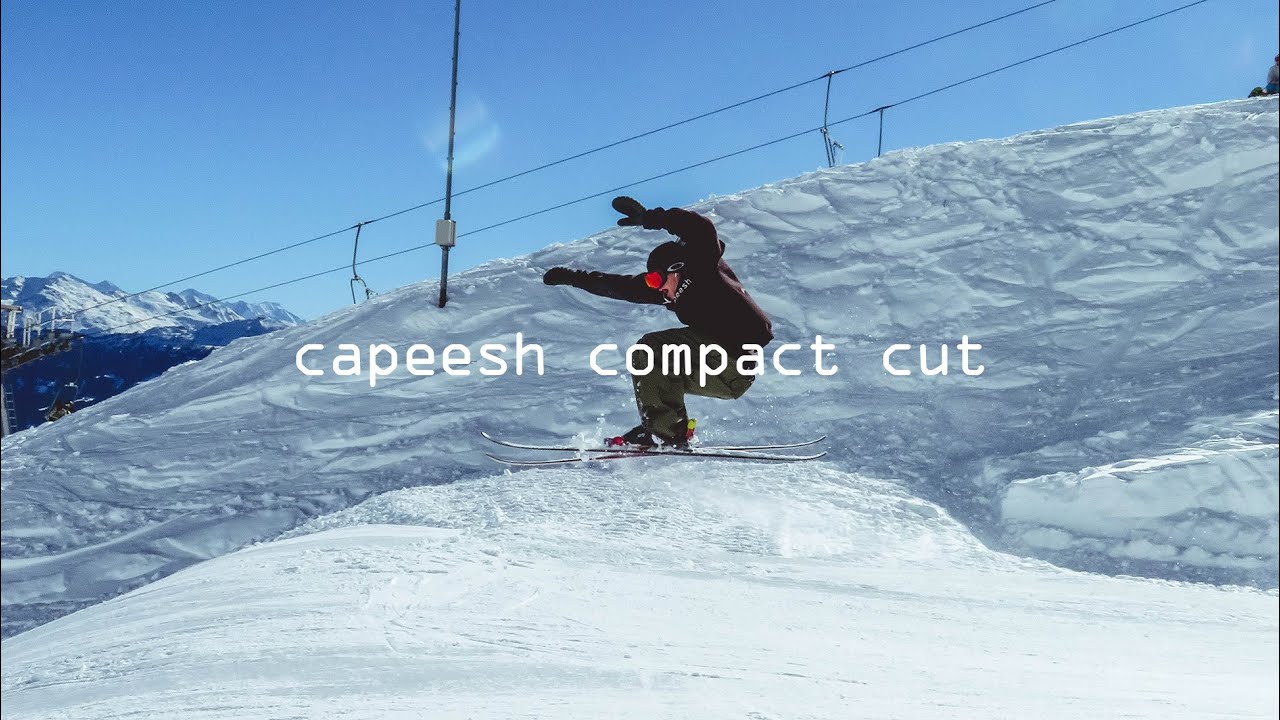
Watching Kai Mahler, the first thing that stands out is how calm everything looks until the takeoff. He is known for long, carving approaches into the jump, building pressure smoothly through the skis before releasing into the air. Instead of a sudden snap, you see a gradual loading that turns into precise rotation—whether he is doing a clean double cork, a switch double misty, or a massive triple. That approach minimized sketchy pop and allowed him to bring huge tricks to relatively compact competition jumps.
In the air, Mahler’s signature is control. Grabs are held deliberately—often safety or mute, sometimes tweaked all the way to japan—and his head stays quiet, making it easy for judges and fans alike to read the rotation. His triple corks rarely looked rushed; even at full difficulty his tricks carried a smooth, floaty quality that separated him from riders who relied purely on huck and hope. On slopestyle courses he applied the same philosophy to rails and takeoffs: measured speed, clean edge changes and well-timed swaps rather than frantic spins with no regard for landing.
On film and in park edits, another dimension appears. Mahler is comfortable dialing down from contest difficulty and leaning into style—slow, fully grabbed 360s, switch hits that use the side of the jump rather than the obvious center takeoff, and technical rail moves that still look relaxed. If you want to learn from his skiing, focus as much on his approach and landings as on the rotation itself: how early he commits to his carve, how long he holds the grab, and how softly he rides away even from impact-heavy landings.
Resilience, filming, and influence
Big air careers are rarely smooth, and Mahler’s path was no exception. Competing at the very top of the sport during a period of rapid progression meant dealing with injuries, near-misses and the mental weight of constantly pushing the boundary of what was possible. He spent much of the 2010s in the pressure cooker of elite big air, repeatedly showing up at X Games, World Cups and major invitationals with tricks capable of winning on the night. There were seasons where he came within a single landing of outright dominance, and others where crashes or small mistakes kept him off the top step.
That context makes his 2020 decision to retire from competition at 24 feel less like a step back and more like a pivot. By then he had already contributed a decade of progression to the sport, and the grind of chasing rankings gave way to a more selective focus on projects, filming and rider-driven events. Edits from Swiss glacier parks and European resorts, as well as appearances in creative formats like SLVSH Cup, keep him in the conversation, but the emphasis has shifted. Mahler’s story now reads as an example of how an athlete can recognize when the time is right to step away from the constant contest cycle without stepping away from skiing itself.
Influence-wise, his legacy is particularly strong among European big air specialists. For a generation of Swiss and European riders, Mahler’s switch doubles, early triple attempts and high-level performances at Youth Olympics, X Games and Dew Tour showed that it was possible to come from a small Swiss village and stand toe-to-toe with North American heavyweights. Interviews over the years also revealed an athlete who cared deeply about style and creativity, repeatedly stressing that he wanted his tricks to look good rather than just score points—a message that resonates with freeskiers trying to balance progression and aesthetics.
Geography that built the toolkit
Mahler’s skiing is rooted in Switzerland. Growing up in Fischenthal, he had access to a dense network of resorts across the Alps, and he has often pointed to Swiss parks as ideal training grounds. In Q&A conversations he has highlighted destinations like Laax and Davos as his go-to spots for park, and his edits regularly feature laps through Swiss park lines and sidehits. Those home resorts gave him consistent access to big, well-shaped jumps and rail features—perfect for building the air awareness and confidence needed for world-level big air.
Internationally, his toolkit expanded through repeated trips to North America and classic contest venues. Aspen and Breckenridge provided the stage for his most famous big air results, with massive scaffolding jumps, pressure-packed night finals and the fast Colorado snowpack demanding precise speed management. Back in Europe, glacier parks like Stubai and Corvatsch gave him early-season platforms to test new tricks before unveiling them on the World Cup or X Games stage. Olympic slopestyle training and competition at Rosa Khutor above Sochi added another distinctive environment, with long, flowing courses and slightly softer transitions than some of the pure big air builds he was used to. Together, these places shaped a skier who could adapt his carving, timing and trick choice to almost any jump he faced.
Equipment and partners: practical takeaways
Throughout his competitive career, Mahler worked closely with a stable of high-profile partners that reflected his role in freeski’s top tier. Long associations with K2 for skis and Marker for bindings formed the core of his hardware setup, pairing responsive freestyle skis with bindings built to handle repeated big-impact landings. Boots from the three-piece-boot family originally known as Full Tilt, along with goggles from Electric, helped complete a package aimed squarely at big air and slopestyle performance. Off the hill, backing from Red Bull, Audi, Buff and Swiss partners underlined his status as one of Switzerland’s most visible freeski athletes during the peak of his career.
For skiers looking to translate his experience into their own setups, the key lesson is coherence more than any single logo. Mahler’s skiing depended on skis that could be carved hard into takeoff, stay stable at big-jump speeds and still allow controlled switch landings; bindings tuned to release when necessary but not at every heavy impact; and boots that gave enough support for triple corks without feeling like race gear. Protective gear and outerwear that handled huge temperature swings—from frigid night finals to spring glacier sessions—completed the system. If you aspire to big air or slopestyle, building a similar “whole system” around your style and terrain is far more important than chasing an exact replica of his pro kit.
Why fans and progressing skiers care
Fans care about Kai Mahler because he represents a crucial chapter in freeski’s evolution. He arrived just as the sport moved into the Olympic era, brought Youth Olympic and junior world titles into the Swiss system, and then helped define what high-end big air looked like in the early 2010s: carving triples, clean switch doubles and an emphasis on style even at maximum difficulty. His X Games medals, Dew Tour win and long list of podiums are tangible markers of that impact, but the less visible legacy lies in how many younger riders grew up trying to copy his smooth entries, held grabs and effortless-looking landings.
For progressing skiers, Mahler’s story offers both inspiration and perspective. It shows how a rider can rise quickly through Youth Olympics, World Cups and X Games by combining park fundamentals with a clear sense of style, but also how demanding that path can be, and why stepping away from constant competition does not mean stepping away from skiing. Watching his old big air runs alongside more recent park edits and SLVSH appearances gives a full picture: an athlete who pushed the limits at the highest level, then chose to keep skiing on his own terms. Whether you are dialing in your first 360 or dreaming of triple corks, following Kai Mahler’s career is a reminder that progression, joy and longevity in freeskiing are all part of the same line.