Finn Bilous
Profile and significance
Finn Bilous is one of the most versatile freeskiers to come out of New Zealand, a two-time Olympian who has successfully bridged slopestyle, big air and now top-tier freeride. Born in 1999 and raised in Wānaka, he grew up lapping the parks and natural terrain at Cardrona and Treble Cone, surrounded by a family deeply rooted in skiing. As the younger brother of freeride standout Hank Bilous, he was immersed early in both freestyle and big-mountain culture, developing a toolkit that always looked broader than a single discipline.
Finn’s early rise came in freestyle. He became New Zealand’s first Winter Youth Olympic Games medallist at Lillehammer 2016, winning silver in halfpipe and bronze in slopestyle, and within a couple of seasons he was a regular on the World Cup circuit. A bronze in big air at the 2018 FIS Freestyle World Championships, a World Cup podium at Cardrona and strong showings at major slopestyle stops underlined his status as one of the most promising park-and-big-air riders in the Southern Hemisphere. Two Winter Olympic appearances—PyeongChang 2018 in slopestyle and Beijing 2022 in both slopestyle and big air—cemented him as a key figure in New Zealand freeski.
What makes Bilous especially interesting for freeski fans now is the way he has pivoted into freeride without abandoning his freestyle roots. A wildcard invitation to the Freeride World Tour led to a full campaign and a fourth-place overall ranking in the 2024 men’s ski standings, with podiums at Verbier and a season that showed his tricks and line choice could stand up against lifelong big-mountain specialists. That dual resume—Olympic slopestyle and big air on one side, Freeride World Tour podiums on the other—puts him in a small, influential group of riders redefining what “all-round” really means in modern freeski.
Competitive arc and key venues
Bilous’ competitive arc moves through three overlapping phases: junior freestyle, Olympic-era park and big air, and world-class freeride. As a junior, he represented New Zealand at FIS Junior World Championships, placing fifth in halfpipe, then stepped onto the global stage at the 2016 Winter Youth Olympic Games in Lillehammer. Carrying the New Zealand flag at the opening ceremony, he delivered silver in halfpipe and bronze in slopestyle, the country’s first Winter Youth Olympic medals and an early signal that he could perform under pressure.
The next chapter unfolded on the FIS World Cup and World Championships circuit. Competing mostly in slopestyle and big air, Finn claimed his first World Cup podium with a third place in big air at Cardrona during Winter Games NZ, effectively starring in front of a home crowd on the same jumps he had grown up hitting. At the 2018 World Championships he added a big air bronze, confirming that he belonged in the conversation whenever the world’s best were throwing their heaviest tricks. Olympic starts followed: PyeongChang 2018, where he finished just outside the slopestyle final, and Beijing 2022, where he contested both slopestyle and big air against a stacked international field.
Then came the freeride pivot. A wildcard into the Freeride World Tour opened an entirely new competitive canvas: steep, complex faces in Europe and North America, judged on line choice, control, fluidity, jumps and style. By 2024 he had turned that opportunity into a full campaign, finishing fourth overall in the men’s ski standings and stacking big results at marquee stops in Verbier and other classic venues. Those FWT faces—exposed spines, cliffs and technical exits—are a long way from the sculpted rails and jumps of a slopestyle course, yet Finn’s runs retained a distinctly freestyle flavour, with 360s and grabs integrated into committed, fall-line routes.
How they ski: what to watch for
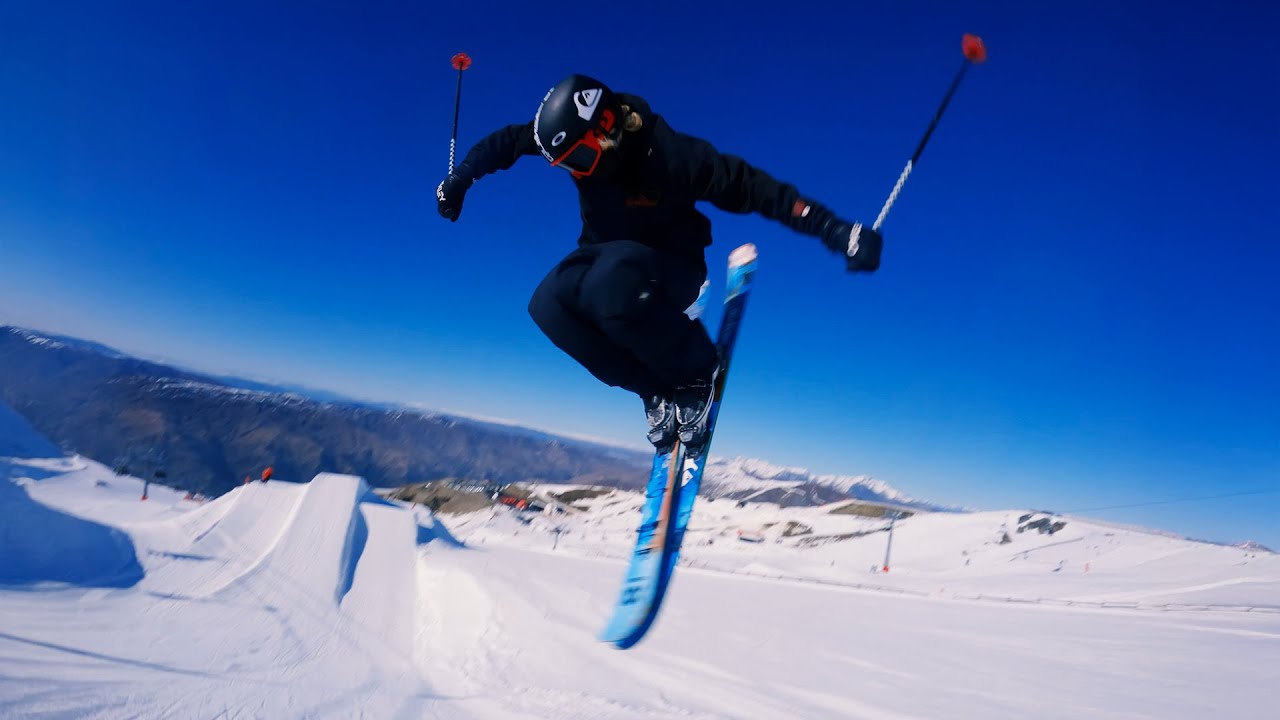
Finn Bilous skis like someone who has spent thousands of hours in the park and just as many days reading natural terrain. In slopestyle and big air, his style is defined by how easy he makes difficulty look: long, carving approaches into the takeoff, a quick but relaxed snap into rotation and fully locked-in grabs that stay on until the landing is practically under his feet. Whether he is spinning switch or forward, his shoulders tend to remain calm, letting his lower body do the work so the trick reads clearly from the finish corral or through the camera lens.
That same composure shows up in freeride. On Freeride World Tour venues, Finn tends to favour lines that stay close to the fall line rather than traversing across the face to hunt only for one giant cliff. He strings together multiple features—small airs, direction changes, poppy wind lips and one or two bigger drops—with a rhythm that feels more like a slopestyle run mapped onto a big-mountain canvas. Watch his Verbier runs closely and you’ll see how he uses subtle shuffles and micro-adjustments before takeoff to stay perfectly balanced, then levels his skis in the air and lands with enough momentum to keep rolling into the next section without an obvious check.
Technically minded viewers should pay attention to his landings and exits. In both park and freeride settings, he is good at landing slightly in the back seat without panicking, absorbing the impact with his legs and bringing his weight forward smoothly into the next turn. That ability to recover without obvious drama is a big part of why his skiing looks so relaxed even in high-consequence terrain.
Resilience, filming, and influence
While Finn’s career does not revolve around a single dramatic comeback, resilience is embedded in how he has evolved. Transitioning from Olympic slopestyle and big air into the Freeride World Tour requires not just different skills but also a different mindset: you go from repeating a dialed course under near-identical conditions to riding a face you only inspect visually from across the valley, then ski once with limited practice. The mental adjustment—trusting your snowpack assessment, your line choice and your ability to improvise if conditions change—has been one of the most impressive parts of his recent seasons.
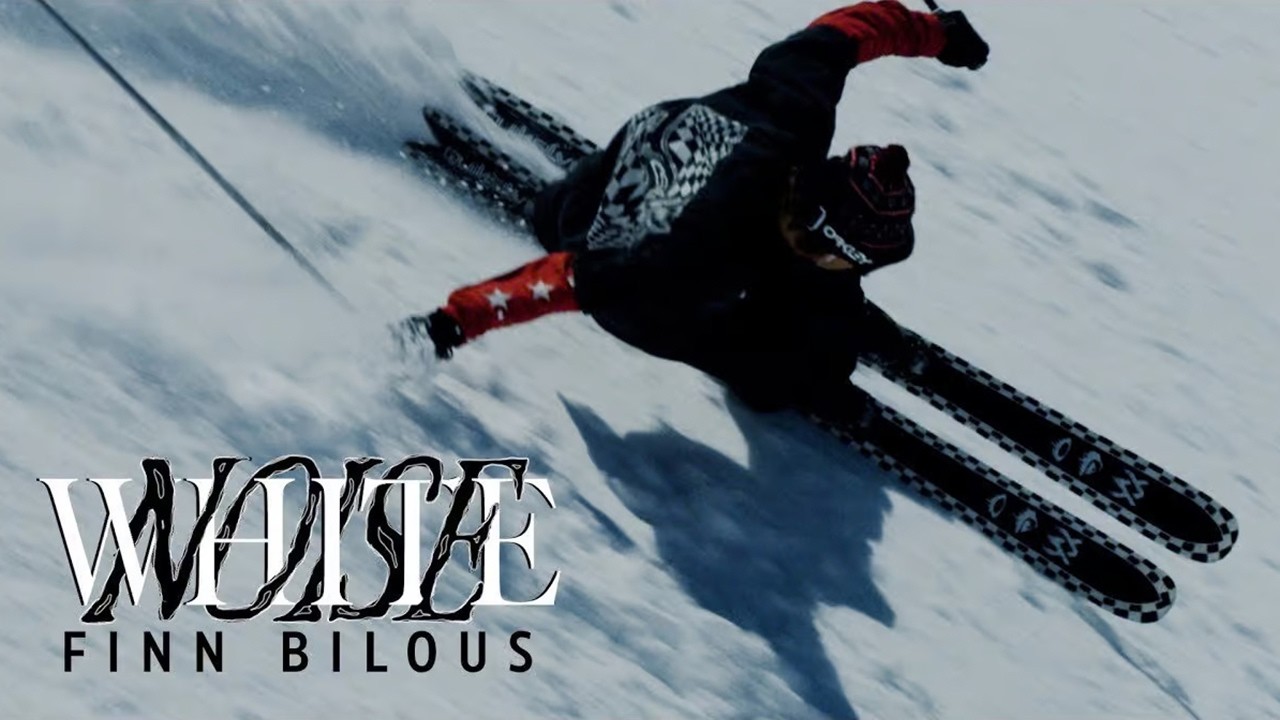
Parallel to his contest work, Finn has steadily grown his presence in film and digital projects. He appears in segments with major production companies and in trailers where his shots are singled out for their mix of freestyle and freeride flavour. Closer to home, edits like his “white noise” series at Treble Cone showcase him lapping everyday resort terrain with the same creativity he brings to big contests: side hits become takeoffs, gullies become mini-pipes and wind-loaded knuckles turn into natural big-air features. This sort of content makes his skiing feel accessible, even when the underlying skill level is anything but.
Influence-wise, Bilous is becoming a reference point for younger Kiwi skiers and for riders worldwide who want to combine park, big air and freeride rather than specialising early. Interviews and profiles often highlight his positive, grounded personality and his willingness to experiment—testing freeride lines, surf trips, bike adventures and long filming days rather than focusing only on podiums. As more freestyle athletes look toward big-mountain competitions and filming later in their careers, his path from Youth Olympic halfpipe podiums to Freeride World Tour overall top-five is likely to be studied closely.
Geography that built the toolkit
Finn’s skiing is inseparable from the geography of Wānaka and New Zealand’s Southern Alps. Growing up with Cardrona Alpine Resort and Treble Cone as his home hills meant early exposure to both world-class parks and serious natural terrain. Cardrona offered carefully shaped jump lines and rails that hosted everything from local contests to World Cups and Winter Games NZ; it was here that he would later earn a World Cup podium in big air, essentially performing on his childhood training ground with the world watching.
Treble Cone, by contrast, provided long fall-line runs, natural wind lips and steep off-piste faces that lent themselves to big-mountain creativity. Storm days there taught him to read wind-loading and snow texture, while high-visibility days opened up gullies and ridges that look more like mini-Freeride World Tour venues than a typical park hill. Further afield, European and North American stops on the World Cup and FWT circuits added a wide range of snowpacks—dry continental powder, variable maritime layers, refrozen competition mornings—that honed his adaptability.
Today, his map includes everything from Olympic venues in Korea and China to classic freeride faces in the Alps. Yet the rhythm of his skiing still feels distinctly Southern Hemisphere: a mix of surfy, playful lines and hard-edged commitment, shaped by years of Wānaka winters and Southern Lakes storm cycles.
Equipment and partners: practical takeaways
Bilous’ equipment choices and partners underline his blended identity as a freestyle and freeride rider. He is backed by an alpine hardware trio of Völkl skis, Marker bindings and Dalbello boots, a package designed to handle everything from slopestyle finals to big-mountain landings. In practice, that means skis with enough stiffness and edge grip to carve hard into big-air takeoffs or steep freeride entries, but with rocker and shape profiles that still allow butters, presses and switch landings when needed.
On the softgoods and protection side, he rides with Red Bull as an energy and project partner, goggles and eyewear from Oakley, and technical layers from brands like Mons Royale. This combination reflects a focus on functional performance and long days outside: breathable merino layers for storm laps, lenses tuned to flat light in big-mountain venues and protective gear that can handle heavy crashes without compromising comfort.
For recreational skiers, the key lesson is less about copying Finn’s exact setup and more about the logic behind it. He uses a coherent system that works in the park, on big jumps and on freeride faces, rather than radically different kits for each environment. If you are inspired by his slopestyle-to-freeride path, it makes sense to look for a similar balance: skis you can trust on rails and side hits but that still feel stable in chop, bindings with reliable release characteristics and boots that give you enough flex to tweak grabs without folding when you push them in steep terrain.
Why fans and progressing skiers care
Fans care about Finn Bilous because his career stitches together many of the things that make modern freeskiing exciting: Olympic slopestyle and big air, creative resort edits, and now full-throttle Freeride World Tour lines. He is the rider you might watch throwing stylish spins at Cardrona in one clip and then see sending a committed, trick-filled face run in Verbier in another, all with the same easy body language and emphasis on fun.
For progressing skiers, his story offers a clear, motivating blueprint. It shows how a strong park and big-air foundation can support a later move into freeride, and how you do not have to abandon one side of skiing to explore another. It also highlights the value of curiosity: Finn is continually seeking new challenges, from Youth Olympic pipes to Olympic slopestyle courses, from World Championships big air to freeride faces and film trips. Whether you are a park skier wondering what lies beyond the resort boundary or a freerider looking to add more spins and grabs into your lines, watching Finn Bilous is a direct look at how those worlds can be blended into one evolving, all-mountain freeski career.