Park City
Rocky Mountains
United States
Overview and significance
Park City Mountain is one of the world’s best-known resort destinations for park-and-pipe laps, big-intermediate mileage, and reliable access logistics, with two full base areas—Mountain Village and Canyons Village—connected mid-mountain by the Quicksilver Gondola. The resort’s official figures cite over 7,300 acres, 41 lifts and 330+ trails spread across multiple aspects, all within about 35–45 minutes of Salt Lake City International Airport via I-80, which is a major practical advantage for traveling crews (Mountain Information). Park City hosted key events during the 2019 FIS Snowboard, Freestyle & Freeski World Championships across town venues and is slated as a venue for the Salt Lake City–Utah 2034 Winter Olympics, with Park City Mountain named to host the snowboard halfpipe competitions (2034 Olympic venue page; U.S. Ski & Snowboard). For day-to-day park repetition, the resort’s multi-zone layout remains a benchmark, and the wider Park City ecosystem—featuring Woodward Park City and Utah Olympic Park—creates a year-round training hub that is unusually complete.
Culture and industry also run deep here. U.S. Ski & Snowboard’s national office is headquartered in Park City, shaping a pipeline of athletes and events (U.S. Ski & Snowboard). The city is home to brands embedded in daily resort life, including Pret Helmets, and sits at the heart of our own Wasatch regional coverage at skipowd.tv’s Utah page. Combine all of that with extensive lift infrastructure and you get a destination that matters globally, not just in North America.
Terrain, snow, and seasons
Park City’s size provides options in almost any weather. On the Mountain Village side you’ll find a dense web of groomers linking quick-hit pods and short traverses; Canyons Village stretches into broader bowls and longer fall lines. Jupiter’s zone is the most obviously “steep-and-deep” when storms line up, while treeline benches and north-facing gullies on both sides hold chalk when wind gets into the alpine. The resort reports an average annual snowfall around 355 inches with the ability to cover lots of mileage even between storm cycles (Mountain Information). After big totals, patrol opens terrain in phases—work from sheltered trees to upper panels as visibility and control work allow.
Spring is especially productive for freeskiing: long days, stable speed and repeatable lap routes let you focus on trick volume and filming. The mountain runs deep into April in typical seasons, and the Wasatch can deliver midwinter quality from early January through late February when temperatures and storm tracks cooperate. Keep an eye on the live lift and terrain status and the interactive trail map each morning to match aspects and pods to overnight wind and temps.
Park infrastructure and events
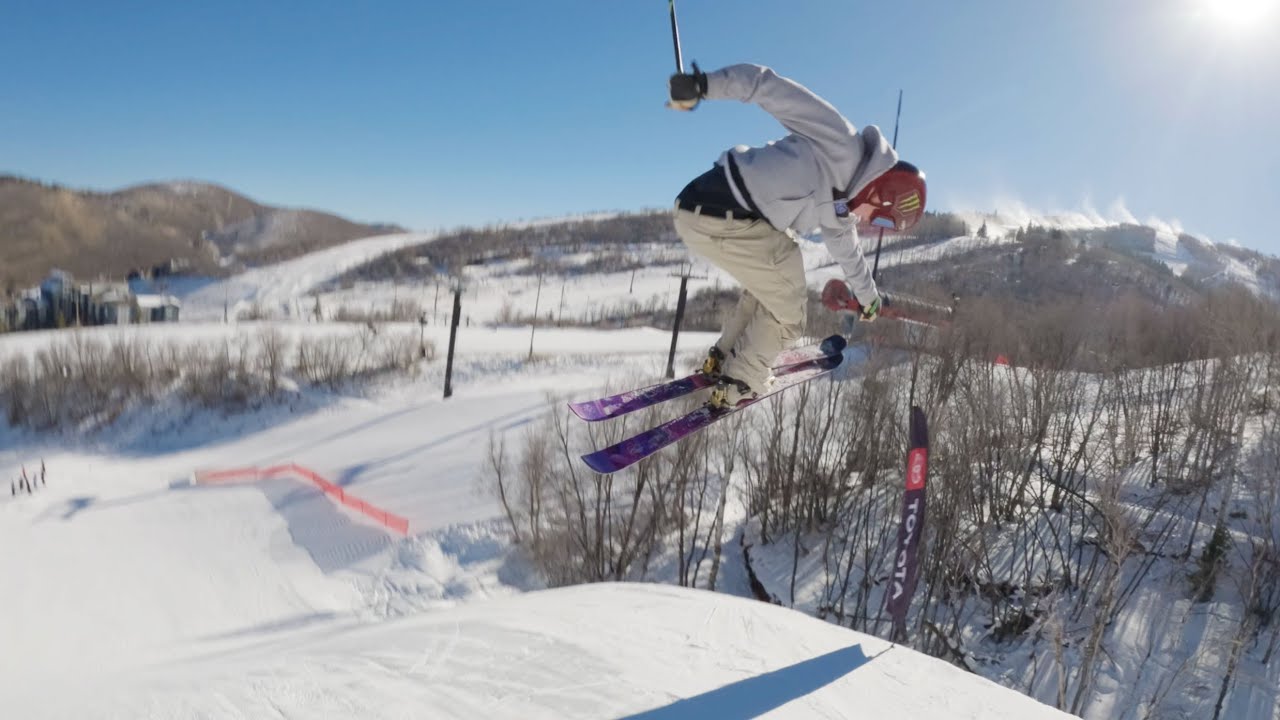
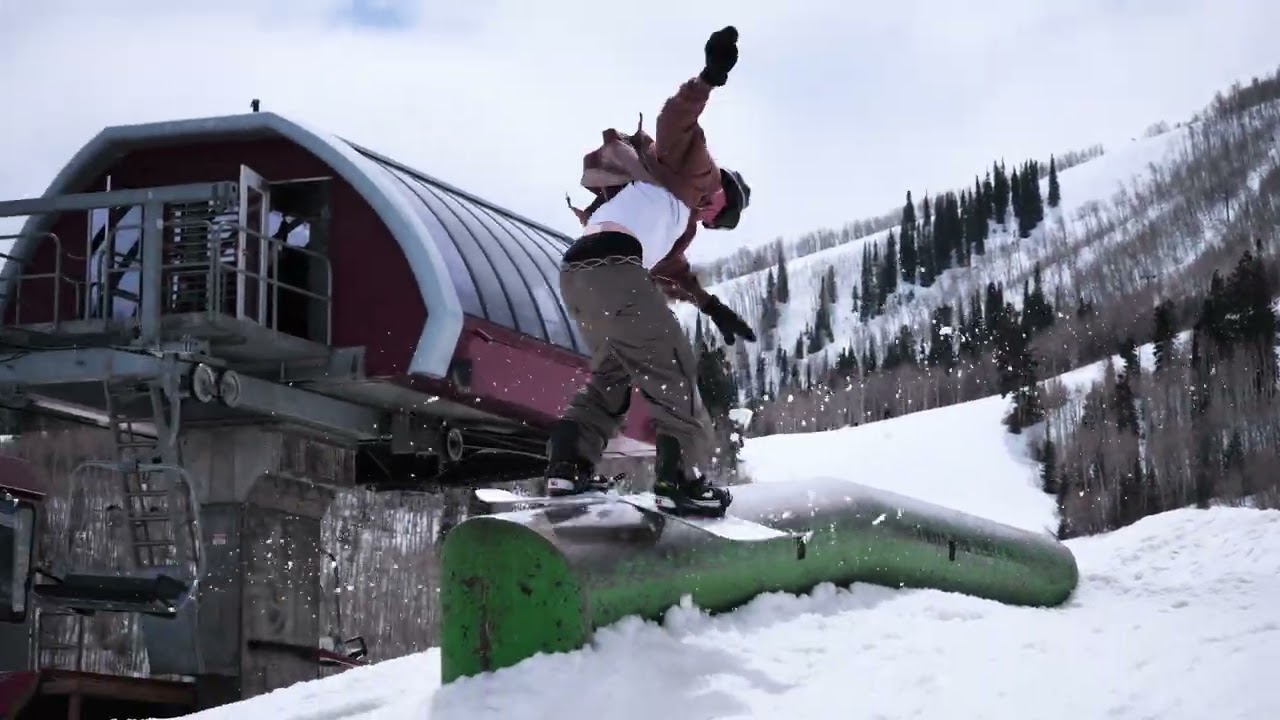
Park City maintains one of the most complete public park-and-pipe programs in the U.S. The official terrain park page outlines six parks plus a 22-foot Eagle Superpipe and a mini pipe, with named zones including 3 Kings (medium/large jump and rail lines), Little Kings (learning features), Pick Axe out of Mountain Village, and Transitions Park off Sun Peak Express at Canyons Village (Terrain Parks; SMART park safety). The footprint is supported by high-capacity uplift, making it realistic to stack attempts and refine speed quickly. Away from the resort, Woodward Park City adds a dedicated mountain park accessed by a high-speed quad plus an indoor hub for tramp and skate cross-training; in summer, Utah Olympic Park’s water ramps keep the trick lab running when the snow melts.
Park City’s event pedigree is durable. The city co-hosted the 2019 World Championships (park, pipe, moguls, aerials and more across Park City Mountain, Deer Valley and Solitude), and Deer Valley’s annual Freestyle World Cup brings globally televised moguls and aerials to town each winter. Looking forward, Park City Mountain is listed as a 2034 Olympic venue for snowboard halfpipe, a likely catalyst for continued investment in shape quality and operations cadence (Olympic venue page).
Access, logistics, and on-mountain flow
Fly into Salt Lake City International, then it’s a straightforward drive to both base areas. If you want to skip parking altogether, Park City operates robust, fare-free public transit and regional shuttles through Park City Transit and High Valley Transit, with dedicated skier routes in winter. If you do drive, plan ahead: Mountain Village uses a paid, reservation-based system most mornings during the core season, while Canyons Village traditionally offers free options with evolving garage capacity—always confirm the current protocol on the resort’s Getting Here page before you roll.
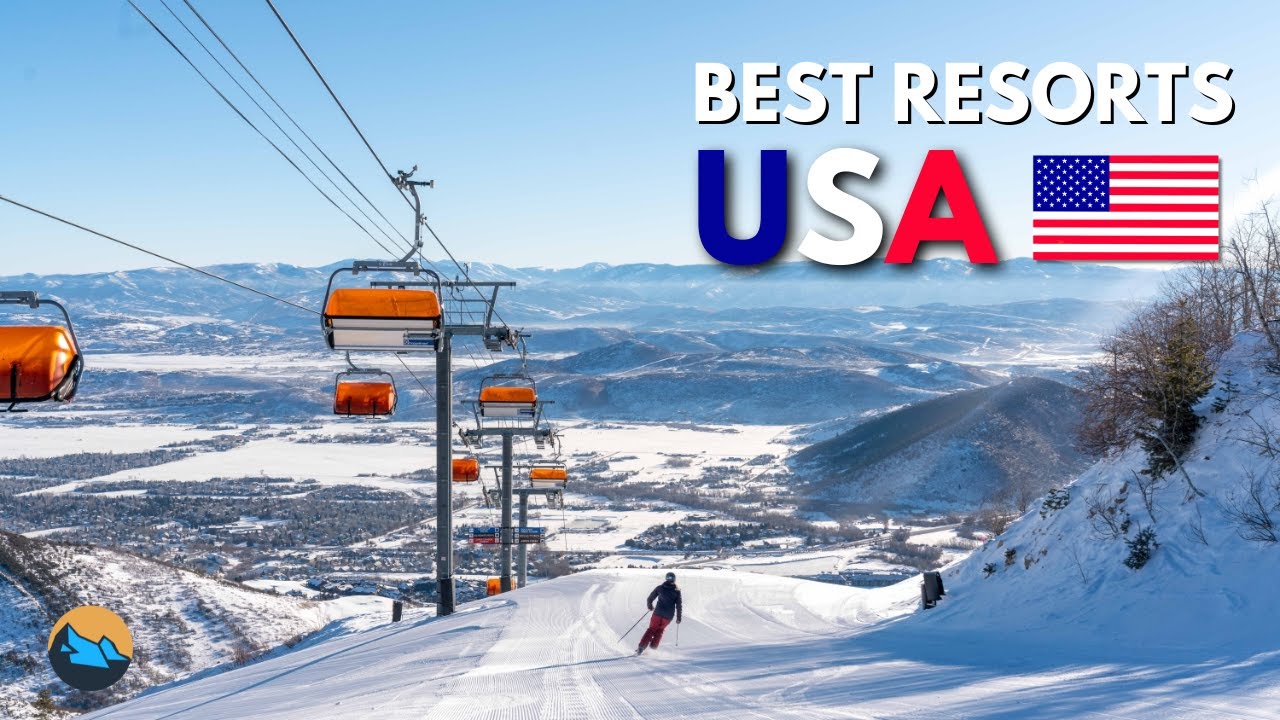
On snow, think in loops. From Mountain Village, Town Lift and Payday start you fast; the Silverlode–Quicksilver axis moves you efficiently toward Canyons for longer, more open laps. On cold bluebird days, queue efficiency often favors the Canyons side, where the Orange Bubble Express—marketed as the nation’s first heated, shielded chair—keeps laps comfortable (Canyons Village). Watch resort updates on the Sunrise Gondola project aimed at improving Canyons circulation mid-mountain (project page). For lift access directly from town, the Town Lift and adjacent runs tie Park Avenue and Historic Main Street into the network when coverage allows (status page).
Local culture, safety, and etiquette
Park City blends a working resort town with a national-team training hub. You will see development squads and film crews on the same lanes you’re lapping. Give park features the same deference you’d give a rope-drop funnel: call your drops, post a spotter when filming, and follow the resort’s Park SMART guidance shared on the terrain parks safety page. In upper-mountain steeps, ride one-at-a-time through consequential panels and regroup where you’re visible below features.
Backcountry gates in the Wasatch lead to true avalanche terrain. If you plan to step beyond the boundary, treat it as a separate day: partners, education, rescue gear, and a plan based on the regional forecast from the Utah Avalanche Center. Inside the ropes, be mindful that early-season cover and springtime melt-freeze cycles can change in-run speed quickly; one test hit before tricks is the local norm.
Best time to go and how to plan
January and February are your most consistent windows for storms and cold temps; March through mid-April is prime for park and jump repetition with forgiving landings. Lift tickets are capacity-managed and often sell out on peak days; advanced purchase through Epic products generally offers better value (Epic Day Pass). For lodging and car-free laps, Canyons Village concentrates slopeside options and quick uplift; for Main Street access, Mountain Village and the Town Lift have the edge.
Training-focused visitors should build “two-venue” days into the plan: morning resort laps to lock speed, then afternoon sessions at Woodward Park City, or summertime progression on UOP water ramps. Keep one eye on the resort blog and operations feed for park rebuilds; line shapes change during the season to keep speed consistent as temperatures swing.
Why freeskiers care
Park City pairs scale with specialization. You get six distinct park zones plus a 22-foot superpipe and a mini pipe, backed by frequent grooming and high-throughput lifts that make attempts per hour a real metric. You can move from storm-day glades to groomed jump lanes in one ride, or spend a spring afternoon stacking clips with repeatable speed. The city presence of U.S. Ski & Snowboard, the accessible training infrastructure at Woodward Park City, and the pipeline reinforced by Utah Olympic Park create an ecosystem where progression is normal, not exceptional. Add easy access from a major airport and a transit network that keeps you out of a car, and it’s clear why Park City remains a global reference point for park skiers and film crews alike.