Brighton Resort
Utah
United States
Utah resort at the top of Big Cottonwood Canyon | Known for: 500 inch snowfall average, 1,050 acres, 1,875 ft vertical, Brighton Diggers parks, Bone Zone, night riding, Milly laps, trees, chutes and Salt Lake City access | Season: winter to spring depending on snow and operations | Best for: park riders, snowboard culture, night sessions, Wasatch storm days, locals and freestyle progression
Big Cottonwood’s Local Freestyle Mountain
Brighton Resort sits at the top of Big Cottonwood Canyon, close enough to Salt Lake City to work as a daily hill, but high and snowy enough to feel like a real Wasatch mountain. The official stats give the shape of the place: 1,050 acres, 1,875 vertical feet, and 500 inches of average annual snowfall. Those numbers are strong, but Brighton’s identity is even clearer than its stats. It is a park-heavy, snowboard-friendly, night-riding, local-feeling resort where freestyle is not a side feature. It is part of the mountain’s rhythm.
One Thousand Fifty Acres With A Session Layout
Brighton does not need huge vertical to feel useful. The mountain works because laps are efficient, the terrain is easy to understand, and different riding styles can overlap without feeling forced. Beginners can stay near Explorer or easier Crest-side terrain. Park riders can focus on Majestic, Candyland, My Oh My and Pee-Wee. Stronger skiers can move toward Milly, Great Western, Snake Creek and the wooded zones where storms keep soft snow longer. The result is a mountain that feels built for repetition. Brighton is not about one heroic top-to-bottom descent. It is about picking a zone and stacking laps until the line starts to feel natural.
Brighton Diggers And The Park System
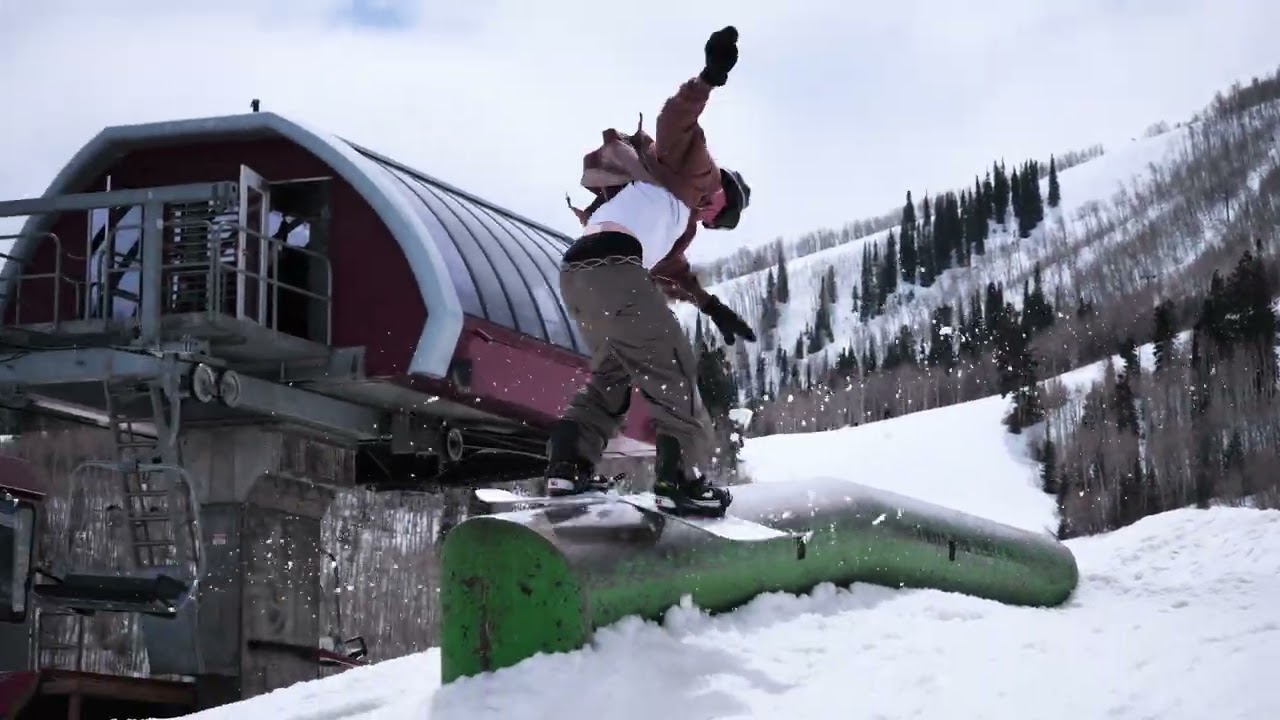
The terrain parks are the core of Brighton’s skipowd.tv value. The resort describes its parks as some of the most renowned in North America, and Visit Utah frames park riding as a quintessential Brighton experience. That reputation is not built from one isolated jump line. It comes from a full ladder of zones, creative features, frequent rebuilds and a dig crew culture that keeps the park feeling alive. Brighton works for riders who want to progress methodically: first boxes, first jumps, medium rails, wall rides, large features and then more committed lines when speed and confidence are ready.
Pee-Wee Candyland Majestic And My Oh My
Pee-Wee is the entry point, designed for beginners with gentle slopes, dance floor boxes and small jumps. Candyland steps into medium features and frequent creative changes. Majestic is split into upper and lower sections, with larger rails, wall rides and advanced-focused flow. My Oh My is the jump identity, tucked among trees with a triple jump line and large-feature energy. That structure is why Brighton feels so complete for freestyle. A rider can start the season in Pee-Wee, build style in Candyland, learn stronger feature control in Majestic and move toward My Oh My only when airtime is no longer the scary part.
Bone Zone And The DIY Preseason Signal
The Bone Zone gives Brighton a special cultural layer. Official Brighton language describes it as a preseason hike-access jib area that is free to ride, with one simple expectation: bring a shovel and help gather snow. That detail says a lot about the resort. Brighton’s freestyle identity is not only delivered by groomers and management. It also comes from riders building, maintaining, hiking, waiting and making something out of early snow. The Bone Zone is not the biggest park in the Wasatch, but it is one of the clearest symbols of the local energy around Brighton: shovel, jib, repeat.
Night Riding As A Progression Machine
Brighton’s night riding is one of its biggest advantages. The resort publishes 30 night riding trails, while Visit Utah describes more than 250 acres and 32 lighted runs during night operations. Ski Utah also highlights Monday-to-Saturday night skiing until 9 pm. For freeskiers, that is huge. A skier can work, go to school, arrive late, miss the powder panic entirely and still get real laps under lights. Park riders benefit even more because progression is built through repetition. Brighton makes a normal weekday evening feel like a training block.
Milly Lights And The Expanded After-Dark Map
The Milly side adds extra importance to Brighton’s night identity. Visit Utah notes that Milly terrain has joined the night-riding lineup with expanded lighting, giving the resort more after-dark range than a small beginner-lit setup. That changes the way a session feels. Night skiing at Brighton is not only a novelty or a few mellow groomers beside the base. It can include park laps, stronger terrain, social sessions, colder snow, and the strange calm that comes when the canyon quiets down after daytime traffic. For local riders, this is one of the reasons Brighton becomes a habit rather than a special trip.
Wasatch Storm Days And Tree Laps
Brighton’s park identity should not hide the snow story. A 500 inch average snowfall puts the mountain firmly inside the “Greatest Snow on Earth” conversation, and Ski Utah notes that Brighton has topped 700 inches in strong seasons. Storm days can refill trees, soften landings and make the whole mountain feel playful. Snake Creek Woods, Great Western, Milly and sheltered zones can hold soft turns after a cycle, while chutes and tighter terrain give stronger skiers more than groomer cruising. Brighton is not a big-mountain freeride venue like Snowbird, but it has enough trees, bumps, drops and storm texture to keep freestyle-minded skiers creative outside the park.
Salt Lake Access And Canyon Logistics
The access is one of Brighton’s strongest advantages and one of its main challenges. The resort is close to Salt Lake City, but Big Cottonwood Canyon is still a winter mountain road. Visit Utah highlights parking reservations, UTA Ski Bus options, Cottonwood Connect, and the need to plan transportation before arriving. That belongs in the profile because Brighton’s best days can also be its busiest days. Powder mornings, weekends and holidays can turn the canyon into the hardest part of the session. A smart Brighton trip includes parking, shuttle or bus planning before the skis are loaded.
Not Luxury First And That Is The Point
Brighton’s appeal is not built around luxury lodging, high-end shopping or a polished destination village. The mountain’s own voice leans into accessibility and a different kind of resort feel. That matters for freeskiers. Brighton is strongest when it feels simple: park laps, night riding, storm snow, quick food, friends, shovels, lights and repeat sessions. Newer amenities such as Snake Creek Lodge and Milly dining improvements make the day easier, but they do not change the core identity. Brighton’s power is still the session, not the spectacle.
Brighton In The Utah Freeski Map
Brighton sits in a dense Utah ski ecosystem. Big Cottonwood Canyon gives it direct neighborhood contrast with Solitude, while nearby Little Cottonwood Canyon holds Alta and Snowbird. Park City and Woodward Park City add a different kind of freestyle and training infrastructure on the other side of the Wasatch. Brighton’s role is specific: more local-feeling, more snowboard-rooted, more night-session focused and more community-park oriented than many of its neighbors. It is not the largest resort in Utah and not the most extreme freeride venue, but it may be one of the clearest answers for riders who want to ski often, learn fast and stay close to Salt Lake City.
Park Safety And Big Cottonwood Discipline
Brighton’s parks are welcoming, but they still require proper etiquette. Riders should inspect every feature, start in the right zone, wait turns, keep landings clear and avoid filming from blind spots. Pee-Wee is for learning. Candyland and Majestic need stronger speed judgment. My Oh My requires real jump discipline. Bone Zone needs respect for the DIY setup and the people maintaining it. Outside the park, normal Wasatch caution applies. Storm snow, trees, night visibility, closed terrain and canyon travel all need attention. Brighton feels friendly, but it is still a real mountain in a real canyon.
Why Brighton Resort Matters For Freeskiers
Brighton Resort earns a 4 level profile because it combines deep Wasatch snow, real park culture, night riding, Salt Lake access and a local freestyle identity that is stronger than many larger resorts. The essential facts are clear: 1,050 acres, 1,875 vertical feet, 500 inches of average annual snowfall, 30 official night riding trails, more than 250 acres of night skiing in Visit Utah’s profile, Majestic, Candyland, My Oh My, Pee-Wee, Bone Zone and a park culture shaped by Brighton Diggers and rider participation. It is not a 5 level global mega-resort and not a pure freeride capital. Its value is more direct. Brighton gives freeskiers a place to ride often, progress visibly, ski storms, lap parks after dark and feel the Wasatch as a daily habit rather than a once-a-year destination.