Yu Sasaki
Profile and significance
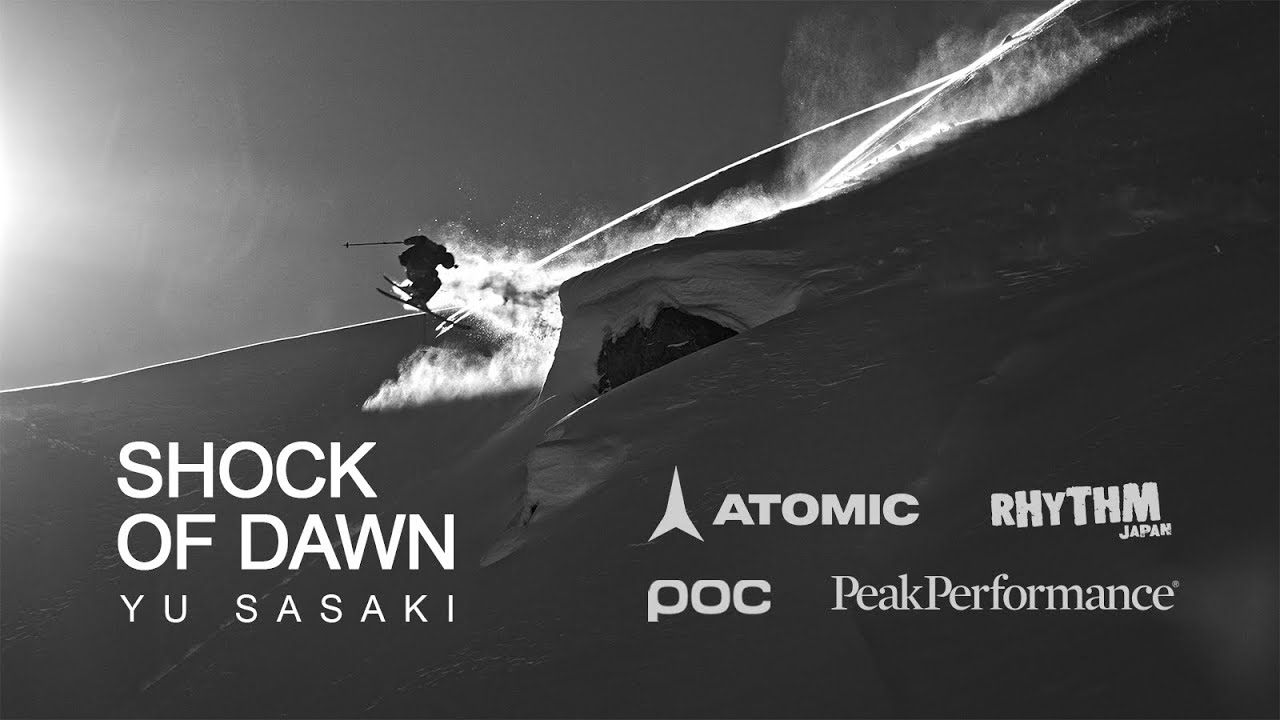
Yu Sasaki is a Japanese-born, Revelstoke-based big-mountain skier whose career bridges the Freeride World Tour and film projects that celebrate deep snow, clear movement and consequence handled with calm. Raised in Sapporo, Hokkaidō, he moved to Canada as a young adult, built his chops in British Columbia, and earned a Freeride World Tour wildcard before competing multiple seasons. In 2020 he stamped his name on the circuit at Kicking Horse Mountain Resort with a massive cliff that earned the Peak Performance Radical Moment award. Apparel partner Peak Performance later produced “Home From Home,” a short that follows Sasaki through the two snow worlds he calls home—Japan and BC—underscoring the same measured pace and stacked landings that made his contest runs memorable. Off-hill, he’s also an entrepreneur and chef, running the Twilight Bite and Far East Bistro food trucks in Revelstoke, but the on-snow story is consistent: honest speed, late-set pop, and landings that look inevitable.
Competitive arc and key venues
Sasaki’s competitive arc is selective and high-signal. After years of filming and building a reputation for clean power in storm snow, he received a Freeride World Tour invite and spent three seasons on tour. The signature moment arrived on the Ozone face at Kicking Horse in 2020, where he chose a bold takeoff, committed to the line, and stomped clean for the event’s Radical Moment. Tour stops at Golden, British Columbia and other alpine venues gave him the broadcast-stage canvas to prove that clarity beats noise even when the terrain pitches steep and the light shifts minute by minute.
Place explains the method. Revelstoke’s long fall line at Revelstoke Mountain Resort rewards real speed choice and foot-to-snow connection before you ever leave the ground. Across the Pacific, Hokkaidō’s storm cycles—mapped by the Hokkaidō Tourism Organization—teach drift control and stack-for-impact landings, habits that show up in his pillows and treeline airs. On Honshu, the ten-resort span of Hakuba Valley adds variable wind and long decks that punish rushed takeoffs and sloppy axes. Thread those venues together and the competitive résumé reads like a field guide to big, readable skiing.
How they ski: what to watch for
Sasaki skis with economy and definition, the two traits that make heavy ideas readable on camera and reliable underfoot. Into a takeoff—sculpted or natural—he stays tall and neutral, organizes edge pressure early, then sets rotation late so the ski releases cleanly. Grabs or shifters are established before 180 degrees, which keeps the mid-air axis honest and the landing trajectory predictable. When he butters into a move on soft snow, the initiation starts at the ankles and hips rather than a shoulder lean, so the skis do the storytelling while the upper body stays quiet. Landings arrive stacked—hips over feet, ankles soft, edges ready—so the clip feels like one sentence instead of a series of recoveries. Even at big scale, you can pause any frame and see the checkpoints: calm entry, patient pop, early definition, centered finish.
Resilience, filming, and influence
Film seasons are the spine of Sasaki’s influence. “Home From Home,” produced with Peak Performance, distilled his approach into a short you can study: shots framed wide enough to show slope angle and approach speed, edits that give ideas room to breathe, and lines chosen for how they read as much as how they score. Brand and resort spotlights—from Revelstoke features to tour profiles—followed the same pattern, pairing consequential terrain with composition that lets viewers understand why a choice works. Off snow, his chef-entrepreneur chapter feeds the community that watches his clips; on snow, the footage feeds coaches and progressing riders with a repeatable method. It’s a loop where clarity in life and clarity in movement reinforce each other.
Geography that built the toolkit
The map is simple and powerful. Hokkaidō gives storm frequency, tight trees and soft takeoffs that demand speed honesty; start with the official guide from Hokkaidō Tourism if you’re tracing the landscapes. Hakuba’s network—anchored by the ten resorts of Hakuba Valley—adds spring light, wind management, and big-deck cadence that transfer directly to broadcast courses and heli zones. In Canada, Revelstoke’s sustained pitches at Revelstoke Mountain Resort build fall-line commitment and rhythm through pillows, while Golden’s Kicking Horse supplies the kind of chalk-over-rock faces where a single choice can define a season. Those geographies show up in every part and start list he touches: Japan’s patience, BC’s flow, and contest-ready clarity.
Equipment and partners: practical takeaways
Sponsors across recent seasons outline his priorities. Skis from Atomic provide a stable platform you can pressure without folding; outerwear from Peak Performance handles everything from Hokkaidō storm days to high-exertion bootpacks; protection from POC keeps optics and helmets predictable; travel and kit management from Db Journey simplifies the road; avalanche airbags from ABS and gloves from Hestra round out the safety-and-utility side. If you want to borrow the feel, think principles first. Pick a directional twin or freeride twin you can load confidently, tune it so the contact points aren’t hooky but the edges still bite when you set late, and mount so you can stay stacked over your feet on landings. Keep binding ramp modest so the stance stays neutral, then train the workflow his footage models: film a lap, check whether the grab or platform is defined early, and whether the exit shows square shoulders so speed survives to the next move.
Why fans and progressing skiers care
Fans care about Yu Sasaki because his skiing makes big terrain legible. The Kicking Horse award clip wasn’t just “sendy”—it was organized, paced, and teachable at half speed. Progressing skiers care because the same choices scale to normal resorts and backcountry days: choose speed honestly, set late, define your axis early, and land stacked so your line keeps moving. Whether the backdrop is a storm day in Hokkaidō, a spring lap in Hakuba Valley, home laps at Revelstoke, or a tour stop at Kicking Horse, Sasaki’s blueprint reminds viewers that method travels—and that clarity is a skill you can practice.