Toronto
Ontario
Canada
Urban freeski city on Lake Ontario | Known for: Earl Bales Ski and Snowboard Centre, Ontario park trips, winter snow clearing, street rail potential, Toronto Ski Club history, and park skiers moving between the GTA and larger resorts | Season: December to March for city snow windows | Best for: street crews, beginner hill laps, Ontario park progression, and urban ski culture
Lake Ontario Snow Inside Canada’s Largest City
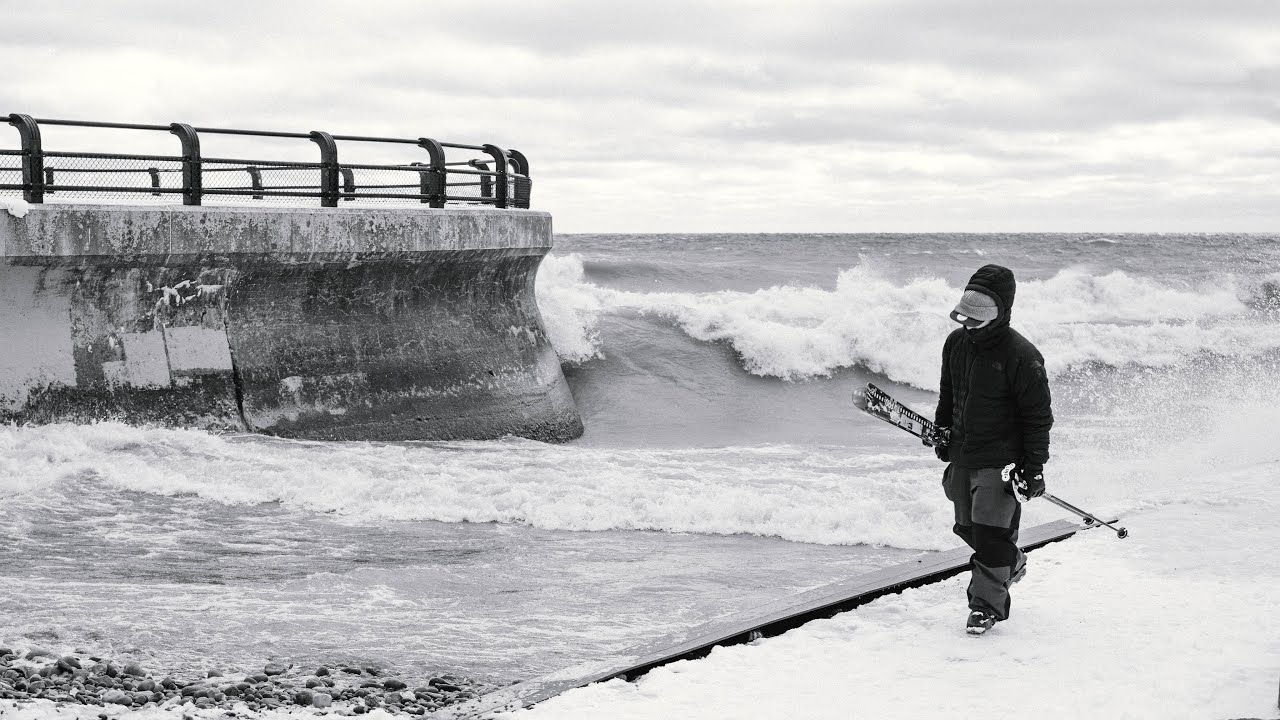
Toronto is not a mountain resort, but it is one of Canada’s most important urban bases for skiers who live far from big vertical. The city sits on the northwestern shore of Lake Ontario, with ravines, schoolyards, plazas, bridges, stair sets, railings, and small park slopes scattered through a dense metropolitan grid. That makes Toronto better classified as an urban freeski zone than a resort. Its importance comes from population, access, local ski history, and the way riders move between the city, the official municipal ski hill, and Ontario park resorts. The spelling “Totonto” should be treated as a typo in the CMS unless the page slug must remain unchanged for existing URL reasons.
Earl Bales And The Municipal Ski Hill Reality
The key official ski site inside the city is Earl Bales Ski and Snowboard Centre in North York. The City of Toronto describes it as a ski and snowboard centre at Earl Bales Park, with Race Hill, Main Hill, and Beginner Hill open in season when conditions allow. That is a rare piece of infrastructure for a major city: a lift-served municipal hill inside the urban boundary. The terrain is small and beginner-oriented, so it should not be framed as a freeski destination in the resort sense. Its value is access. A new skier can learn turns without leaving Toronto, and a freestyle-minded rider can use the hill for basic edge control, switch balance, and short-lap repetition before driving north to larger Ontario parks.
Street Rails From Schools To Concrete Plazas
Toronto’s real freeski terrain is architectural. Downtown, North York, Scarborough, Etobicoke, university campuses, school properties, public stairways, pedestrian bridges, skateparks, ravine edges, and concrete plazas all become temporary winter features when the snow is deep enough. The city does not have Québec City’s old-stone stair identity or Montréal’s iF3 film-festival connection, but it has scale. A crew can spend a day checking rail angles, run-in space, landing depth, pedestrian flow, and whether snow clearing has helped or killed a feature. Toronto street skiing is not about guaranteed conditions. It is about reading a storm, moving quickly, and understanding that a rail may exist for only a few hours before plows, traffic, salt, or property management reset the spot.
Two Centimeters And The Snow Clearing Clock
The City of Toronto states that crews start clearing public sidewalks when snow reaches 2 centimeters and the snow has stopped falling, or when icy conditions require action. That number is important for street skiing because it defines the clock. After a storm, crews begin plowing and clearing routes that might otherwise become in-runs, landings, or snowbank takeoffs. The same process can also build usable piles near curbs, transit stops, and parking lots before removal crews haul them away. A Toronto street session therefore depends less on romantic winter imagery than on logistics: snowfall timing, sidewalk clearing, parking rules, salt, pedestrian movement, and how quickly a crew can set up without blocking public space or damaging property.
One Hundred Twenty One Centimeters And Unreliable Windows
Toronto’s climate normals are not deep enough to make the city a reliable street-ski destination every winter. Environment and Climate Change Canada data commonly places average annual snowfall around 121.5 centimeters for Toronto, far below Québec City and many classic street-ski cities. That means Toronto can deliver useful urban windows, but those windows are intermittent. Lake Ontario moderates temperatures, warm spells can erase cover quickly, and snow often arrives in pulses rather than sitting clean for weeks. The best street conditions usually come after larger winter storms when temperatures stay below freezing for long enough to build safe approaches and landings. In marginal winters, riders need to rely more on park laps outside the city than urban filming.
Mount St. Louis Moonstone And The Ontario Park Pipeline
The strongest practical freeski link from Toronto is not a rail downtown. It is the road north toward Ontario terrain parks. Mount St. Louis Moonstone is one of the most important Ontario park references for Toronto riders, because it gives the GTA a real progression hill within road-trip distance. A skier can live in Toronto, train tricks at Moonstone, film street spots after storms, and still be part of the same regional scene. That rhythm defines the city’s ski value better than any single slope. Toronto supplies people, airports, schools, shops, crews, and media energy. The surrounding resorts supply repetition, lifts, shaped jumps, and safer park progression before tricks move to concrete.
Mark Draper And Toronto Park Roots
Mark Draper gives the city a clean internal athlete connection. His skipowd.tv profile identifies Toronto and Whistler as key roots, with Ontario park laps, GUOH crew context, SuperUnknown semi-finalist visibility, Momentum Camps work, RMU Whistler, and coaching all part of the public record. Draper is useful for a Toronto page because he shows the local pathway honestly. The city itself does not create a world-class mountain. Instead, it creates a dense starting point where skiers learn through nearby parks, small hills, edits, friends, and repeated travel to better terrain. Toronto’s freeski culture is commuter-based, park-based, and video-aware rather than resort-village based.
Toronto Ski Club And Older City Ski Memory
Toronto’s ski story is older than modern freeski. Toronto Ski Club history says the club was formed in 1924 and had grown to more than 7000 members by 1940, with early facilities tied to Summit and later broader Ontario ski development. That history matters because it proves skiing has long existed as a city habit here, not only as a weekend luxury. Modern freestyle culture looks different from interwar ski-club life, but the underlying pattern is similar: people living in Toronto organize transport, friends, instruction, gear, and short winter trips because the city itself does not provide enough vertical. The metro area has always needed a network. Today that network includes Earl Bales, Ontario terrain parks, road trips, rail sessions, online edits, and shop culture.
Urban Filming Without Property Damage
Toronto street skiing needs a careful safety and etiquette frame. Rails, stairs, ledges, schools, transit zones, parks, and plazas are not terrain parks. Crews should avoid damaging property, blocking sidewalks, creating hazards for pedestrians, or leaving snow and salt piles where people can slip. Professional filming may require permission, insurance, or coordination with property owners. Even small crews need spotters, shovels, padding where appropriate, fast cleanup, and a plan for pedestrians, cyclists, cars, security, and residents. The best Toronto street edits would come from quiet organization, not from conflict. A spot is only successful if the crew leaves without making the city more hostile to the next skier.
Where Toronto Fits In The Canadian Freeski Map
Toronto should not be described like a mountain destination, and it should not be inflated into a major street-ski capital on the level of Québec. Its role is different. Québec has deeper winter reliability and more iconic urban terrain. Toronto has larger population scale, a municipal ski hill, stronger air access, a dense media city, and a road network feeding Ontario resorts. That makes it a hub rather than a single feature zone. For skipowd.tv, Toronto works best as an urban base page: the place where Ontario skiers live, start, meet, travel, film occasional street, and build enough park skill to move west, north, or into bigger Canadian and international terrain.
The Toronto Use Case For Freeskiers
Toronto earns a 3 level profile because its importance is regional, urban, and developmental rather than mountain-based. The facts are clear: Earl Bales Ski and Snowboard Centre gives the city an official downhill ski and snowboard hill, Toronto winters can create short street-ski windows, snow clearing begins quickly after small accumulations, the average snowfall is modest compared with stronger Canadian winter cities, and the real freestyle pathway leads through Ontario park resorts such as Mount St. Louis Moonstone. Toronto is not a powder destination, not a big terrain park, and not a freeride zone. Its value is more specific. It is a major urban ski base where riders can learn locally, drive to better parks, film when storms align, and turn city scale into a regional freeski network.