Emile Bergeron
Profile and significance
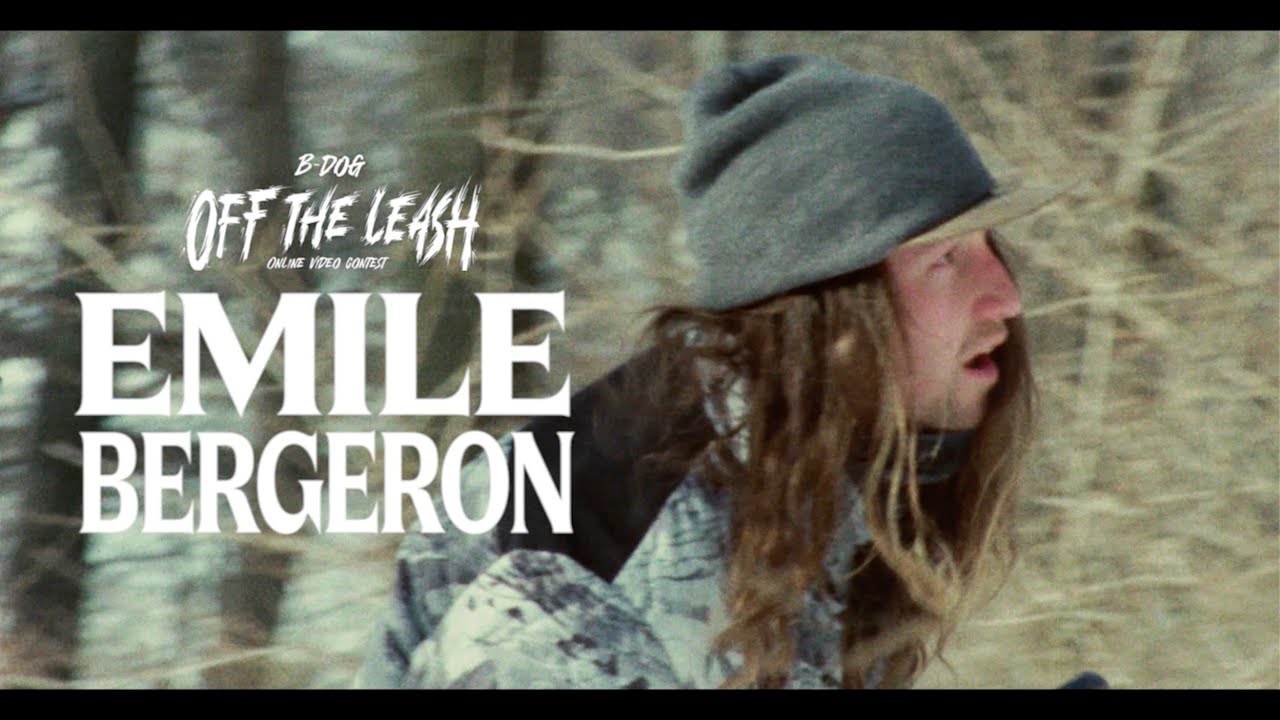
Émile “Bmile” Bergeron is a Québec-born freeski original whose reputation rests on memorable street segments and a benchmark X Games result. Raised in the Lac-Beauport / Québec City corridor, he moved from early park edits into a film-first path, earning a silver medal at X Games Real Ski 2020 with a part that mixed high-consequence architecture, meticulous speed control, and clean, readable landings. Years of clips with Quebec crews and frequent cameos in projects anchored by Phil Casabon and Brady Perron had already put him on the radar; Real Ski confirmed to a global audience what the core scene knew: Bergeron is a case study in readable difficulty. His best work turns complex spots into coherent lines that make sense at full speed, a quality that fans rewatch and riders can learn from.
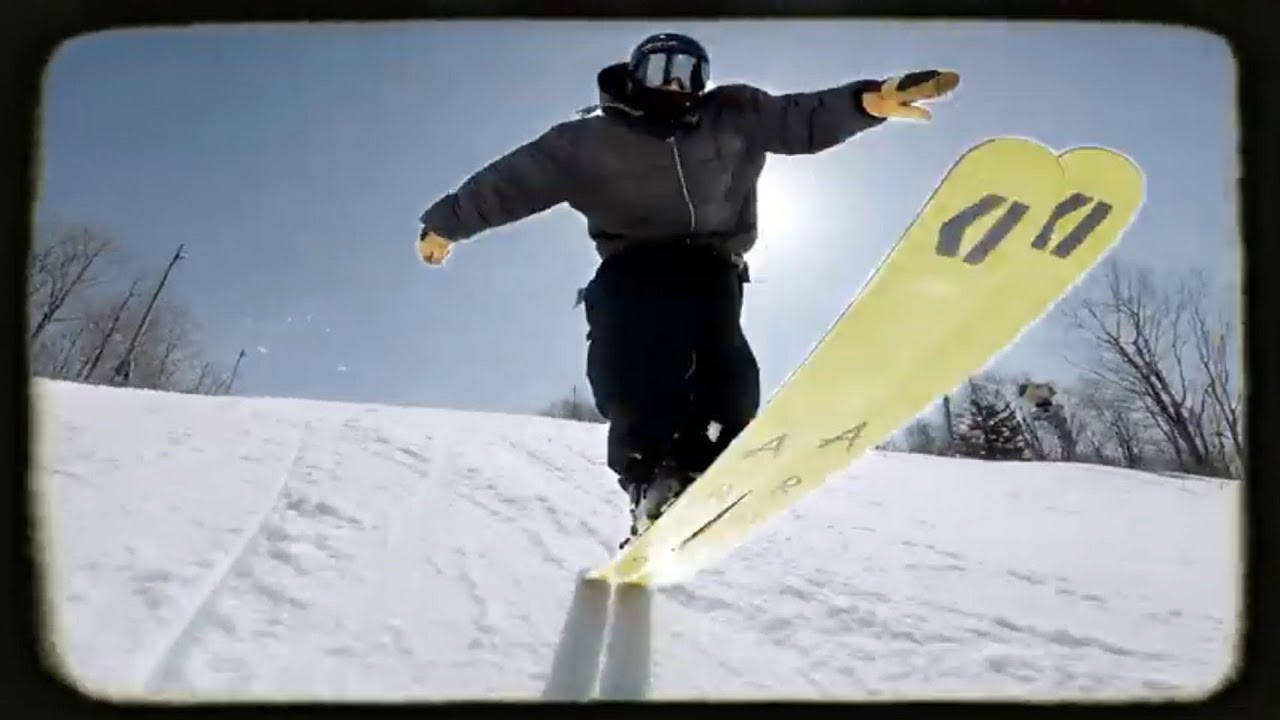
Brand support reflects that identity. He rides for Armada Skis, wears Picture Organic Clothing, and stays rooted in Québec’s scene via shop partner D-Structure. The combination signals priorities—durable platforms, predictable swing weight, and a community-first approach—that line up with a career built more on edits than on bib numbers.
Competitive arc and key venues
Bergeron’s headline result is Real Ski 2020 silver, a medal earned in an all-video, judge-voted format where trick quality, spot selection, and line design carry as much weight as rotation counts. The segment distilled his approach: measured speed into unforgiving takeoffs, early grabs or presses that stabilize the axis, and exits that protect momentum so the next feature arrives on time. Before and after that moment, his calendar has centered on projects and scene events that sharpen the same habits. He turns up at spring gatherings around Sweden’s Kläppen, stacks street footage at home in Québec City, and keeps timing sharp with park laps at Le Relais and Stoneham when the storm cycle cooperates.
Two Québec venues, in particular, explain his toolkit. Night laps at Le Relais in Lac-Beauport reward honest edge angles and quick decisions on compact in-runs; mistakes get punished quickly, so economy becomes second nature. A short drive away, Stoneham adds higher-speed park panels and a dense rail zone that make cadence and line choice pivotal. Those places, paired with the city’s winter architecture, created the foundation for his street work. When he travels—Kläppen in the spring or larger resort builds in the Alps—the same rhythm holds: protect line speed, finish tricks early, and let the course breathe.
How they ski: what to watch for
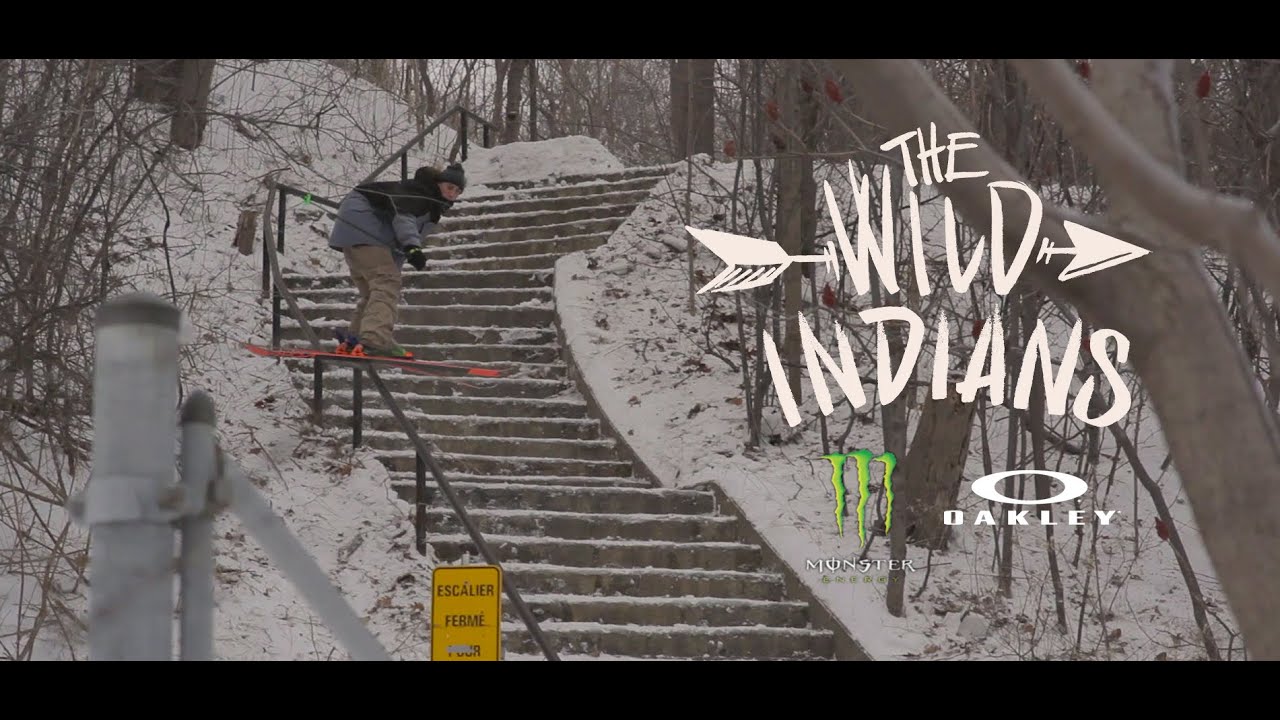
Bergeron skis with deliberate economy. Approaches square up early, shoulders stay stacked, and lock-ins look decisive rather than dramatic. On rails he favors surface swaps that resolve cleanly, presses with visible shape, and exits that leave enough speed for the next setup. On jumps he commits to the grab early—safety, tail, or blunt depending on axis—and holds it long enough to calm the rotation and keep his hips over his feet. Directional variety is there—forward and switch, left and right—but never at the expense of cadence. The tell in his clips is spacing: each trick creates room for the next one instead of stealing from it, which is why his lines read clearly at 1x speed without slow-motion rescue.
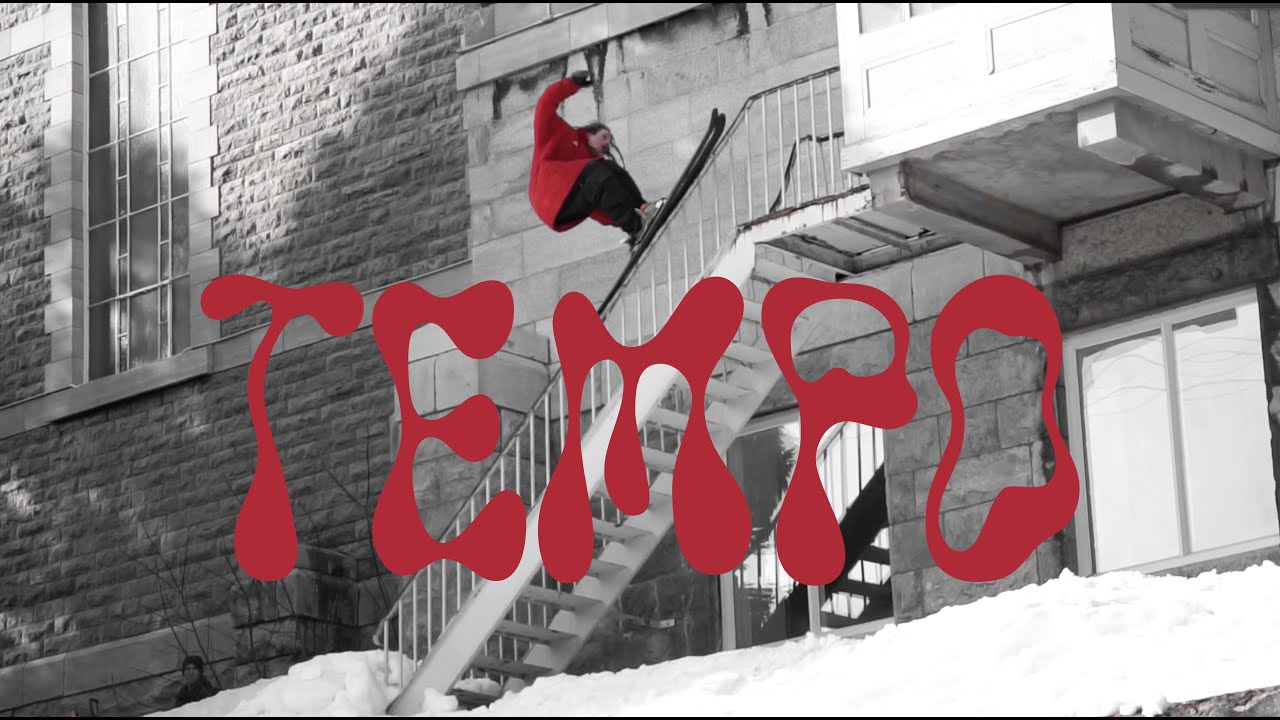
For viewers trying to “see” the difference, track three cues. First, he sets takeoff height with patience; there’s no frantic reach for the lip. Second, grab choice is functional, not decorative—it stabilizes axis and dictates landing shape. Third, you can feel momentum survive landings; he rarely needs panic turns or speed-killing checks to set up the next feature. Those traits scan just as well on a Quebec staircase as they do on a spring booter in Scandinavia.
Resilience, filming, and influence
The through-line of Bergeron’s career is composure. Long before Real Ski, he shadowed and collaborated with Québec’s leading stylists, absorbing a film grammar that prizes honest speed and clean exits. His own projects—shorts like “The Big Batch,” street pieces shot around Québec City, and contributions to friends’ edits—stick to that grammar. The result is footage that ages well: it’s legible at full speed, it shows decision-making rather than chaos, and it rewards rewatching because the trick math is transparent. Editors trust his shots because they don’t rely on quick cuts to hide sketchy landings; younger skiers emulate the way he finishes tricks early enough to ride away centered.
Influence also shows up locally. Backed by D-Structure and filming on familiar terrain, Bergeron helps keep Québec City positioned as a capital of urban skiing. The community sees how a Real Ski medalist builds a spot, maps approach angles, and chooses tricks that use an obstacle end to end. That approach has a ripple effect: crews raise build quality, riders invest in speed management, and the region continues to produce segments that travel well beyond provincial borders.
Geography that built the toolkit
Place is the skeleton of Bergeron’s skiing. The winter rhythm of Québec City—cold nights, reliable snowmaking, and dense urban features—teaches honesty. At Le Relais, night skiing and compact radii punish late commitments and sloppy edge angles, so repetition breeds tidy mechanics. Stoneham layers in faster snow and longer in-runs where early grab timing and centered landings become non-negotiable. The city itself supplies the stair sets, closeouts, and wall rides that form a street skier’s vocabulary. When spring moves the scene to Kläppen, the features are bigger but the demands are the same: protect speed, space tricks thoughtfully, and keep body position quiet so the line holds its shape from first hit to last.
This loop—local parks, city missions, Scandinavian spring blocks—explains why his skiing travels. Swap conditions and backdrops as you like; the habits remain portable because they’re built on timing and momentum management rather than on single-use spectacle.
Equipment and partners: practical takeaways
Bergeron’s kit is designed for repeatability. Armada provides park-capable platforms with balanced swing weight for early-grab, measured-spin skiing and the edge durability street segments demand. Picture Organic Clothing covers long, variable filming days with weatherproof, mobility-friendly outerwear. D-Structure, as a home-province partner, keeps his setup grounded in the community that shaped him. For skiers translating this into their own choices, the lesson is category fit over model names: pick a symmetrical or near-symmetrical park ski and mount it so presses feel natural without compromising takeoff stability; tune edges to hold on steel yet soften contact points to avoid surprise bites on swaps; and maintain fast bases so cadence doesn’t depend on perfect weather. None of this replaces timing, but the right platform makes timing repeatable.
There’s a process lesson, too. Bergeron’s medal-winning part didn’t come from throwing the biggest possible trick first—it came from mapping approaches, building well, and letting trick selection serve the spot. That mindset works for anyone: choose lines you can finish cleanly, commit to early control inputs (grabs and body position), and leave with momentum intact. It’s how good skiing reads clearly, whether the camera is ten meters from a Quebec handrail or panning through a spring park in Sweden.
Why fans and progressing skiers care
Émile Bergeron matters because he turns difficulty into clarity. His Real Ski silver validated a style the scene already valued—calm mechanics, spot-specific trick choice, and landings that feed the next move. For fans, that makes his segments endlessly rewatchable; for developing skiers, it turns “style” from a vibe into a checklist you can practice: square the approach early, use the grab to stabilize the axis, and protect momentum through the outrun. If you’re tracking freeski for street parts that hold up on first watch and on frame-by-frame breakdowns, keep Bergeron near the top of your list. The toolkit is proven, and the influence continues to ripple from Lac-Beauport to every park where riders learn to make hard things look simple.