Zermatt
Alps
Switzerland
Overview and significance
Zermatt is one of the most iconic ski destinations on the planet, a high-alpine village in southern Switzerland sitting at 1,620 metres in a valley beneath the Matterhorn. The ski area marketed as Matterhorn Ski Paradise climbs to around 3,900 metres on the Klein Matterhorn, creating a lift-served vertical drop of more than 2,200 metres and a huge network of pistes that extends across the Italian border into Cervinia and Valtournenche. For freeskiers, that means a rare blend of year-round glacier laps, big-mountain terrain, and an established park culture that continues deep into spring and often into summer.
The numbers alone are serious: roughly 360 kilometres of marked pistes, close to 150 runs, and more than 50 lifts across several distinct sectors on both the Swiss and Italian sides. High capacity cable cars and gondolas connect the car-free village to Sunnegga and Rothorn on one side, Gornergrat on another, and the vast glacier plateau under Klein Matterhorn on a third. The altitude, combined with glaciated terrain, makes Zermatt one of the most snow-sure destinations in the Alps and supports one of Europe’s longest operational ski seasons.
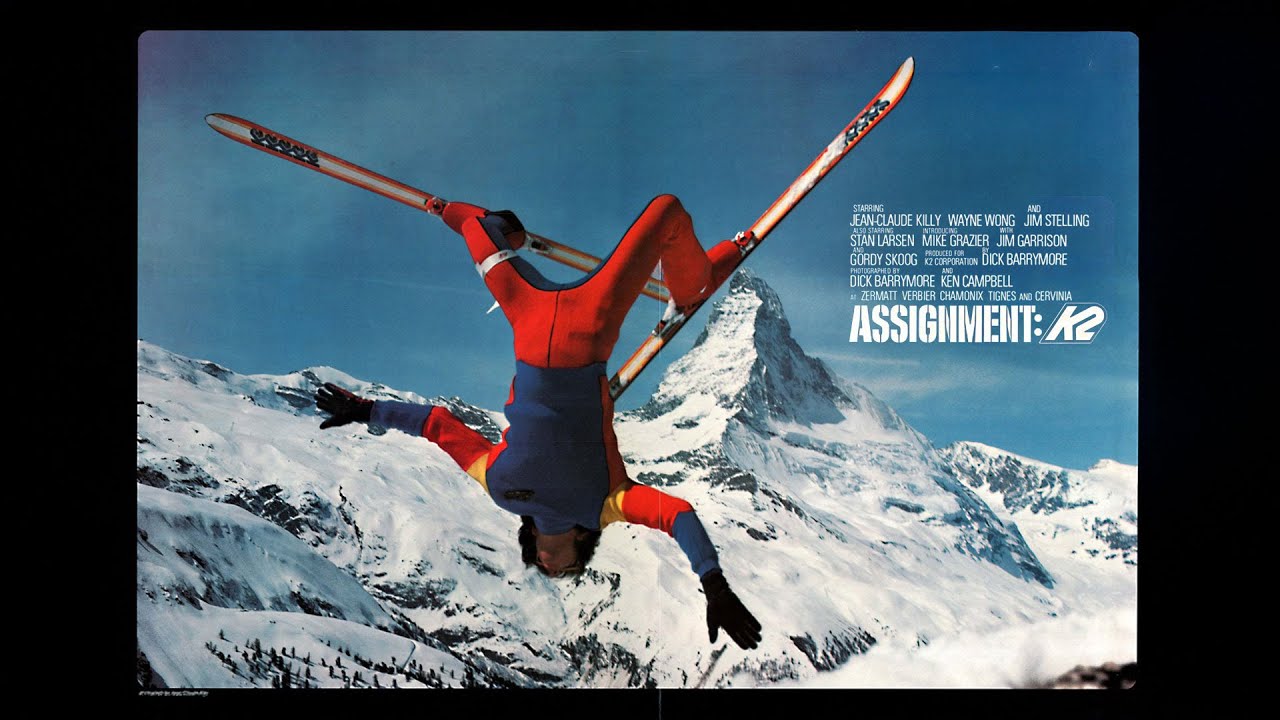
What sets Zermatt apart in freeski culture is the combination of this big-mountain infrastructure with a dedicated glacier park scene. The high-altitude Snowpark Zermatt draws international teams, film projects, and public camps, while long valley runs and off-piste itineraries give strong skiers plenty to explore beyond the park. Add in the Matterhorn backdrop, a polished hospitality scene, and a long history of mountaineering and ski alpinism, and you get a destination that is both a global postcard and a working training ground.
Terrain, snow, and seasons
Zermatt’s ski terrain is divided into several main sectors: Rothorn–Sunnegga, Gornergrat–Stockhorn, and the Matterhorn Glacier Paradise area that links toward the Italian side. The top lift stations reach roughly 3,899 metres, with the lowest lifts touching down around the village. This creates impressive vertical, with long, uninterrupted descents that can run for over 15 kilometres when conditions allow. Pistes range from gentle glacier motorways to steeper reds and blacks dropping toward the valley, plus marked itineraries that offer a more freeride-flavoured feel without leaving the patrolled area.
Official stats list well over 300 kilometres of pistes on the Swiss side alone when fully connected, and even more if you include Cervinia and Valtournenche. The gradient mix leans toward intermediate and advanced riders, with a high percentage of red runs that suit confident carvers and freeskiers who like to play off sidehits and natural features. There are easier blue routes down from major lift hubs, but complete beginners may spend more time around the learner areas and shorter lifts until they dial their technique for longer descents.
Snowfall in the high alpine is generous, with estimates of around 10 metres of snow annually on the upper slopes in a typical winter. The combination of heavy snowfall at altitude and extensive snowmaking lower down keeps main routes open from late autumn well into spring. Because much of the upper terrain is glaciated and sits above 3,000 metres, snow quality tends to stay wintery and dry in mid-season, while lower slopes can see more variation with warm spells and föhn winds. Freeriders should pay attention to wind loading on ridges and bowls; even in a resort this polished, alpine hazards are real.
Unlike many ski areas, Zermatt also offers extensive skiing in the so-called off-season. The glacier above Trockener Steg and Testa Grigia generally supports skiing through the summer months, subject to conditions. For freeskiers, that means you can use Zermatt as both a winter base and a pre-season or off-season training ground, with laps shifting between hardpack race lanes in the morning and softer park snow as the sun warms the glacier.
Park infrastructure and events
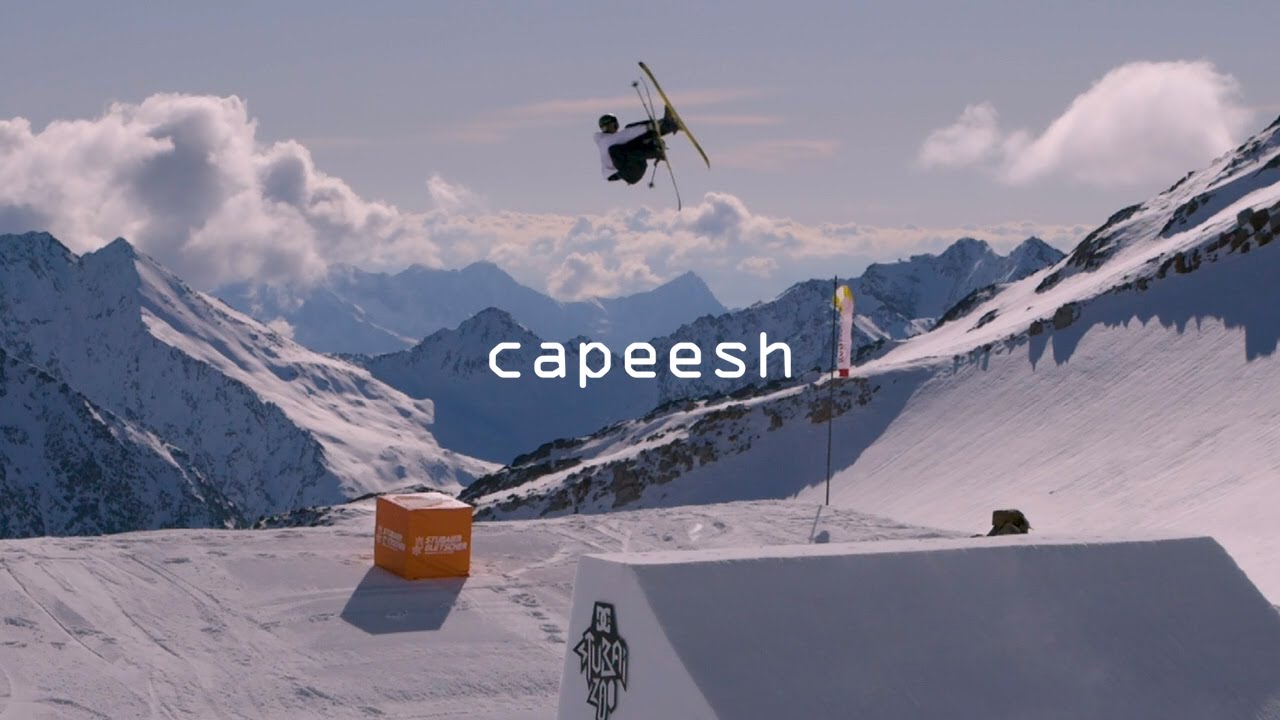
The centre of Zermatt’s freestyle scene is the high-altitude Snowpark located on the lower Theodul Glacier near the Furggsattel chairlift at around 3,250 metres. In winter, this park is accessed from the Zermatt side via the Matterhorn Glacier Ride or the gondola up through Trockener Steg. The altitude ensures cold snow and reliable coverage from roughly October into mid-May in most years, allowing for an unusually long park season compared with many non-glacier resorts.
The park is structured with progression in mind. A beginner line offers small jumps and mellow boxes for first-time park riders, with smooth transitions and forgiving landings. Intermediate lines add longer tables, more dynamic step-ups, and a variety of rails, including flat, down, and kinked options. Advanced lines build toward slopestyle-style setups, with linked jumps, hips, and technical rail features that can be configured for both public laps and serious training. When conditions allow, there is also a rail garden and a funslope-style section that mixes easy rollers with playful features suitable for mixed-ability crews.
In strong snow years, Zermatt also operates a summer park on the glacier plateau closer to the Italian border. This setup, shared conceptually with the high camp near Plateau Rosa, becomes a magnet for international park and pipe teams, commercial shoots, and public camps run by coaching outfits that specialise in slopestyle and big-air progression. For freeskiers, it means that tricks you learn in October can be refined again in July without changing continents.
On the competition side, Zermatt has entered the alpine racing spotlight through the Matterhorn Cervino Speed Opening project, a cross-border downhill course dropping from Swiss terrain into Italy. Although recent editions have been cancelled due to weather and safety concerns, the Gran Becca track underscores how elite-level the surrounding terrain is. While the speed opening is focused on downhill rather than freestyle, its presence reinforces Zermatt’s status as a world-stage venue where infrastructure and mountain profile support the highest levels of the sport.
Access, logistics, and on-mountain flow
Zermatt is famously car-free, which shapes the whole access experience. Most visitors travel by train via Visp or Brig and ride the Matterhorn Gotthard Bahn up the valley directly to the village station. Drivers park in Täsch, a few kilometres down the valley, and transfer to frequent shuttle trains that complete the journey in around twelve minutes. Once in the village, movement is by foot, e-taxi, electric bus, or hotel shuttle; skis and boards on shoulders are simply part of the streetscape.
From the village, three primary lift gateways lead into the ski area. The Sunnegga funicular climbs quickly to a sunny mid-mountain hub that links to the Rothorn sector, home to a mix of reds, blues, and some freeride-friendly faces. The Gornergrat cog railway brings riders to a ridge with broad views of the Monte Rosa massif and long descents toward Riffelalp and back to Zermatt. The Matterhorn Express gondola chain runs out of the southern end of the village, stepping up via Furi and Schwarzsee to Trockener Steg and on toward the Klein Matterhorn, where glacier terrain and the main snowpark sit.
On-mountain flow rewards a bit of planning. Strong riders often start high, taking an early gondola to Trockener Steg or Klein Matterhorn, then linking top-to-bottom laps that stack thousands of vertical metres before lunch. Park riders gravitate toward the Theodul Glacier pod, using the Furggsattel chair to lap the park and adjacent lines repeatedly. Crews who want variety can spend half a day in the park, then traverse toward Italy for long, sun-exposed groomers above Cervinia before working back to Zermatt in time for après. Because of the cross-border layout and high alpine exposure, keeping an eye on lift status and wind holds via official channels is essential; a closed link late in the day can turn your planned loop into a much longer route home.
Local culture, safety, and etiquette
In the village, Zermatt feels like a blend of traditional Valais mountain town and polished international resort. Wooden chalets and narrow lanes sit alongside high-end hotels, designer boutiques, and a dense cluster of bars and restaurants ranging from simple raclette spots to fine dining. German is the primary local language, but English, French, and Italian are widely spoken, especially in hospitality. Despite its upscale reputation, the daily rhythm still feels strongly oriented around mountain life: early breakfasts, full days on snow, and lively but not chaotic nightlife.
Safety is taken seriously, and in Zermatt that extends beyond the usual on-piste responsibility code. The resort’s upper zones are glaciated, which means crevasse hazards off-piste and the need for respect around marked boundaries. Venturing beyond secured pistes and itineraries should be done with a certified mountain guide, appropriate avalanche equipment, and a solid understanding of current conditions. Even within the marked network, visibility can drop rapidly when clouds sit at mid-mountain, so carrying a map or using the resort app and respecting closed runs is important.
In the park, standard Park Smart rules apply. Riders are expected to inspect features before hitting them, call their drops clearly, and clear landings quickly. Because the park attracts a mix of national teams, highly skilled locals, and visiting intermediates, awareness and predictable lines are crucial to keeping everyone safe. Helmets are strongly recommended, and many coaching groups also encourage back protection for serious jump sessions.
Best time to go and how to plan
Thanks to its glacier, Zermatt offers some form of skiing almost year-round, but the flavour of the experience changes with the season. For classic winter freeskiing that combines storms, cold snow, and full-area coverage, the prime window usually runs from early January to mid-March. This is when lower runs to the village are reliably covered, freeride itineraries are more often open, and the winter version of Snowpark Zermatt is typically running at full strength with multiple lines.
Spring, from late March into May, brings warmer temperatures, corn cycles on south-facing slopes, and a more relaxed atmosphere in the village. Park riders often love this period: softer landings, longer daylight hours, and the possibility of linking a slushy glacier park session with a sunny terrace afterwards. In high summer, the focus shifts to early-morning glacier laps and park camps. Days start early to make the most of firmer conditions, then often transition into hiking, biking, or simply recharging in the village once the snow softens too much.
In planning terms, it’s wise to decide whether your trip is park-centric, freeride-focused, or a mix. For park-heavy missions, timing your visit around known camp dates or team training blocks can ensure a well-built setup. For freeride, flexibility helps: building in a few extra days increases your chances of scoring fresh snow and stable conditions. Booking accommodation early is strongly recommended in peak weeks, especially in February and over holiday periods, as Zermatt is a global draw and beds can fill quickly.
Why freeskiers care
Freeskiers care about Zermatt because it compresses an entire spectrum of skiing into one valley: glacier park laps under a 4,000-metre skyline, marathon groomers that test legs and edges, and off-piste routes that hint at true high-alpine adventure. The presence of a long-season glacier park, anchored by Snowpark Zermatt, makes it a natural magnet for film crews, coaches, and riders who want to progress tricks without being limited to a short winter window. Many edits on skipowd.tv and beyond trace their lines back to these jumps and rails.
At the same time, Zermatt is more than just a training facility. The Matterhorn backdrop, car-free streets, and deep mountaineering history create a sense of place that riders remember long after the trip ends. You can spend one day working on technical rail tricks at 3,250 metres, the next day chasing powder toward the Gornergrat, and another linking a cross-border loop into Italy for espresso and sun before returning under evening alpenglow. For skiers and snowboarders who see the sport as a lifelong project, Zermatt stands as a benchmark destination—somewhere to return to repeatedly as skills, style, and perspective evolve.