Noah Albaladejo
Profile and significance
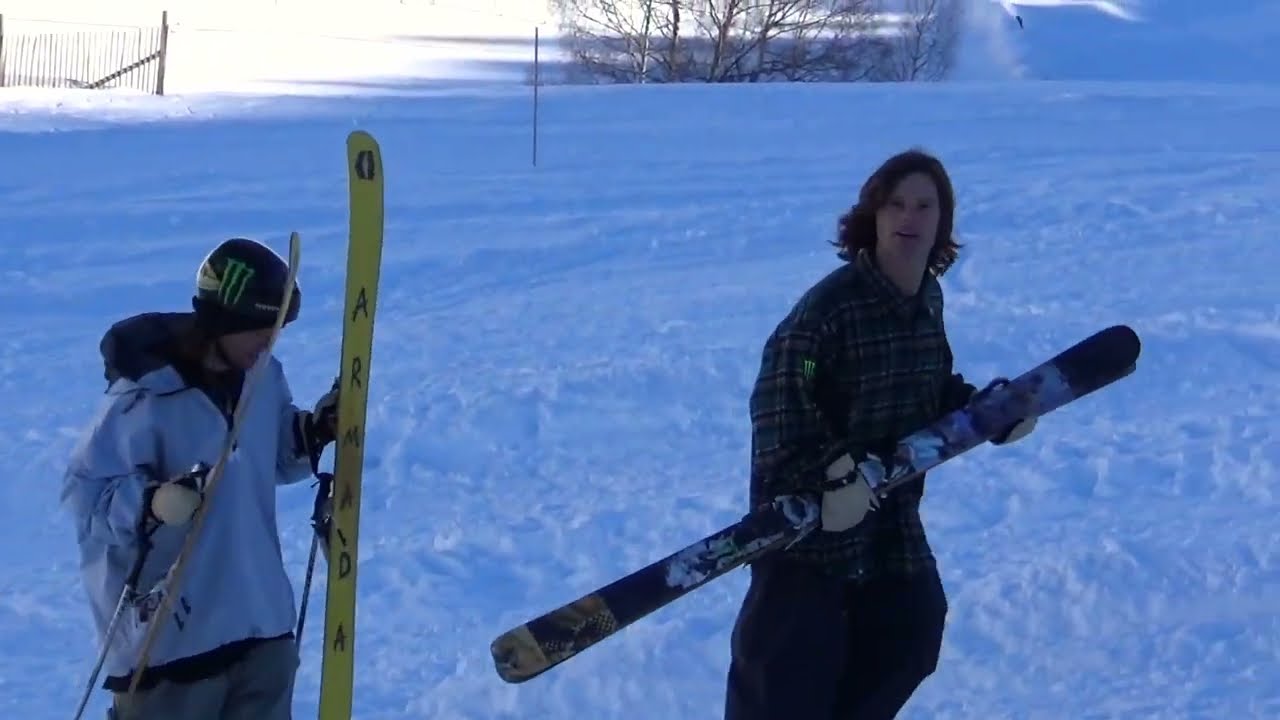
Noah Albaladejo is an Andorran freeski original whose style-first approach helped define what modern park and urban skiing looks like. He broke out in the mid-2010s with a blend of rail confidence and buttery jump control that translated as clearly in rider-judged jams as it did in polished film parts. In 2015 he won the B&E Invitational at Les Arcs and was voted European Skier of the Year by Downdays readers, a one-two that confirmed his influence beyond any single contest. Since then he has remained a reference for park flow and street precision while representing athlete-driven brands and destinations including Armada Skis, Monster Energy, Look Bindings, Harlaut Apparel, and his home resort, Grandvalira. Albaladejo’s significance lies in the way his skiing reads on camera and under lights: patient approaches, grabs that lock early, presses that hold long enough to be unmistakable, and exits that keep speed for whatever comes next.
Competitive arc and key venues
Albaladejo’s path favors rider-curated formats and film over traditional ranking sheets. His win at the B&E Invitational in 2015—taking both “Overall” and “Best Trick” on the skate-inspired setup at Les Arcs—cemented him as a peers’ pick. In 2020 he was invited to X Games Real Ski, the all-urban video contest that showcases street craft and spot choice on global broadcast. More recently, he headlined SLVSH Cup Andorra at Grandvalira, advancing to the 2024 final in front of a local crowd that knows his skiing best. Between those touchpoints he has kept a steady presence at culture-defining sessions like Kimbosessions, where the emphasis is on how well you read a park and invent lines in the moment.
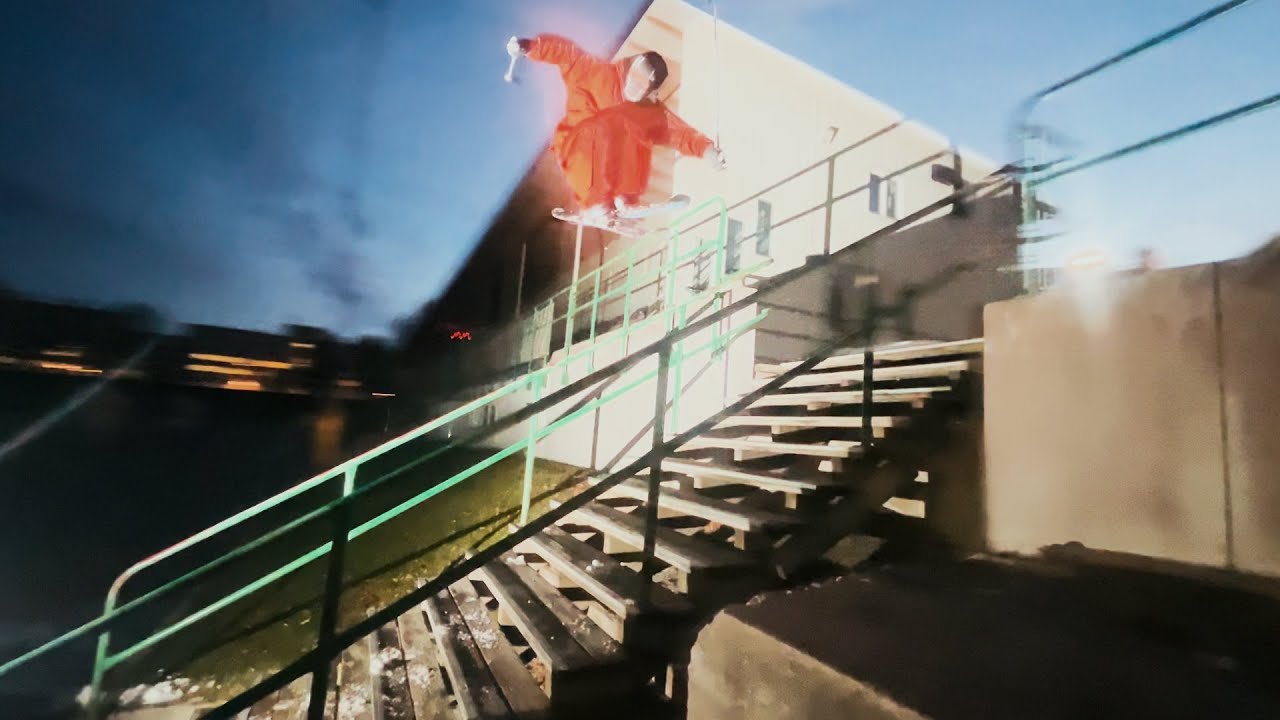
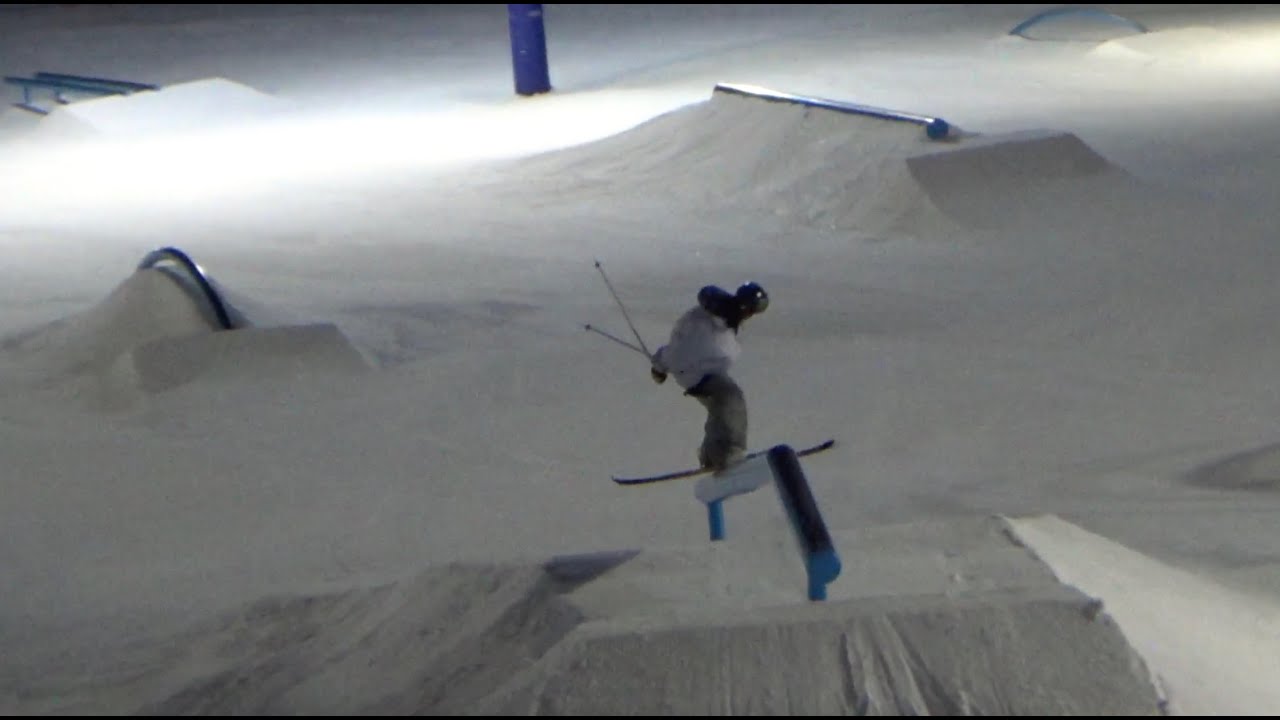
The venues tied to his name explain his skiing as well as any result column. Sunset Park Peretol by Henrik Harlaut is the evening laboratory where he and friends link feature-dense laps under floodlights. The El Tarter Snowpark adds long, rhythmic lines that reward speed control and endurance. When events or shoots call, he exports the same movement vocabulary to bigger or different builds—from the sculpted parks of the Alps to the urban textures of Andorra and beyond.
How they ski: what to watch for
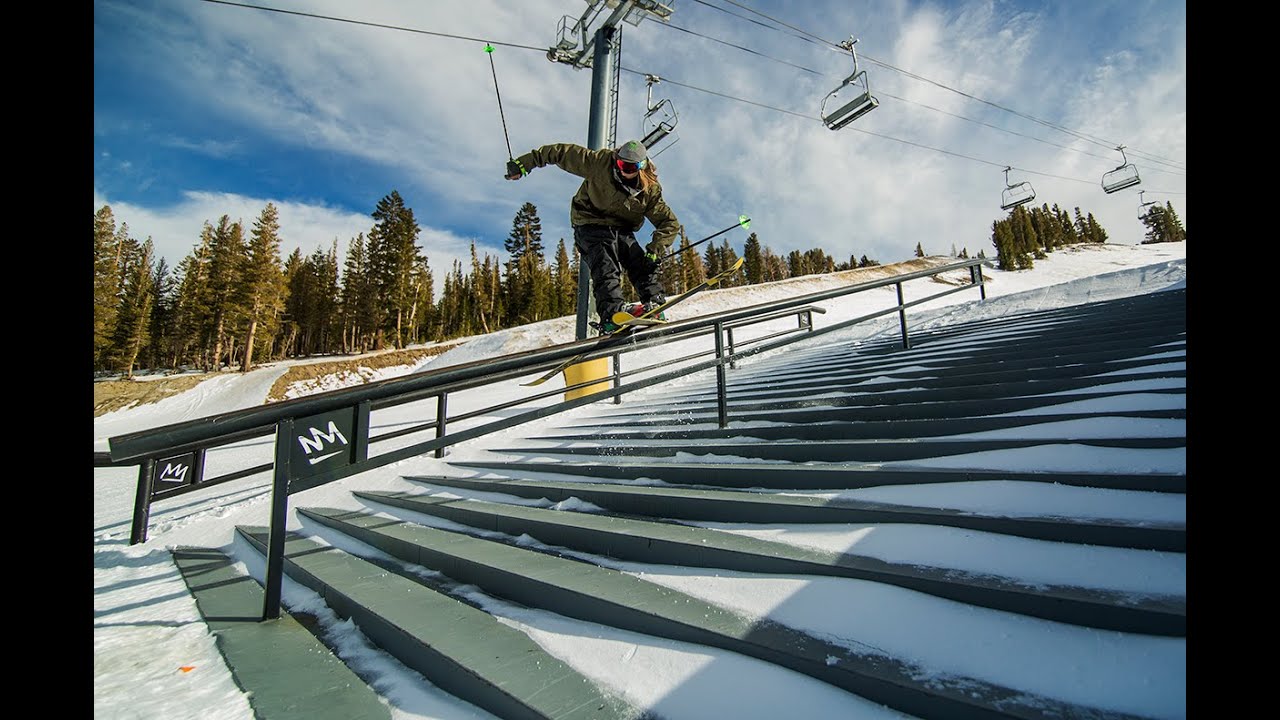
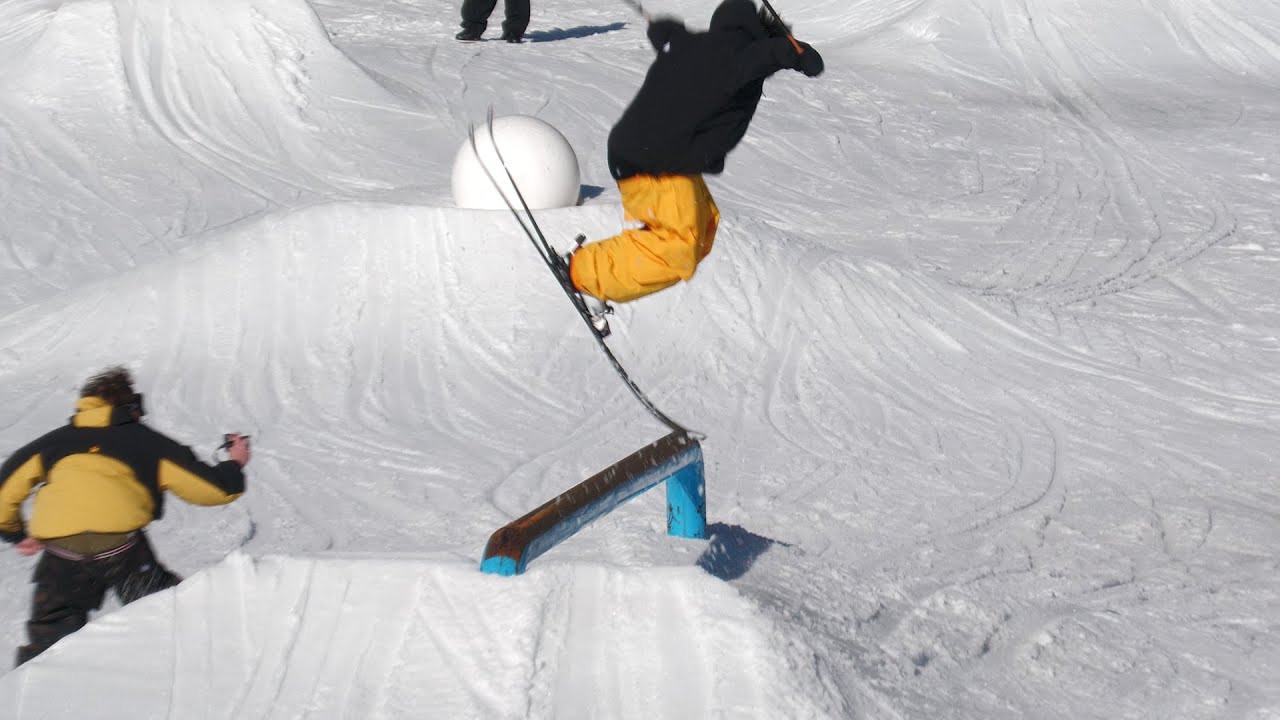
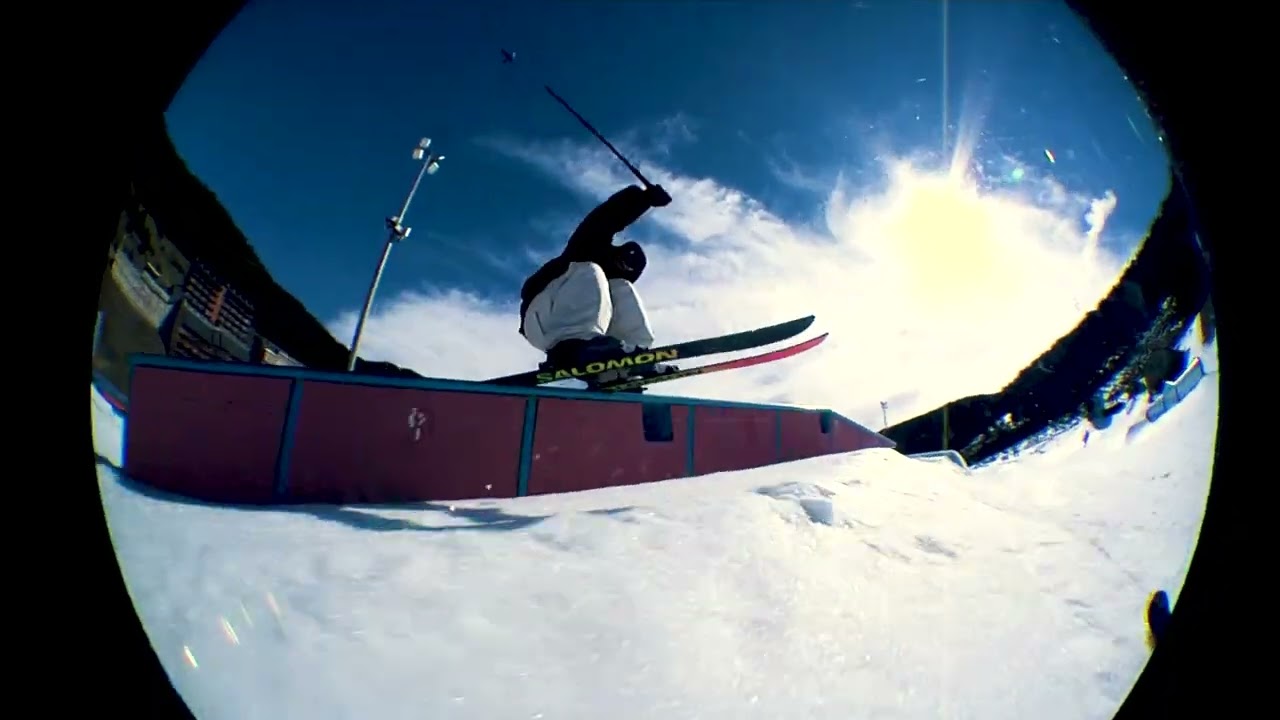
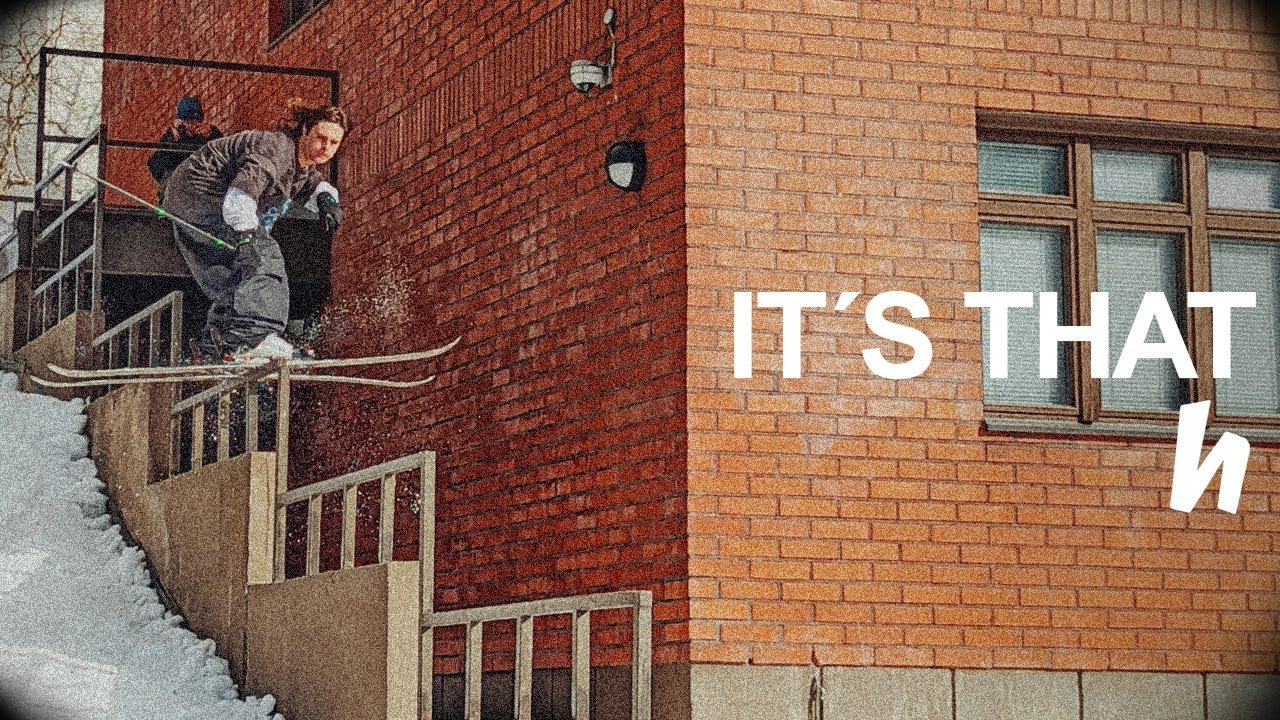
Albaladejo skis with economy and definition. On rails he favors locked positions—backslides and presses held just long enough to read—then exits with square shoulders so momentum carries cleanly into the next hit. Change-ups are quiet and centered, with minimal arm swing; the base stays flat through kinks because edge pressure is set early, not rescued late. On jumps and side hits, the trademark is patience into the lip and grabs established before 180 degrees, which lets tweaks breathe without throwing the body off axis. Even when the trick is complex, the approach looks calm and neutral—tall posture, hips over feet, ankles soft on impact—so the landing reads inevitable rather than survived.
Resilience, filming, and influence
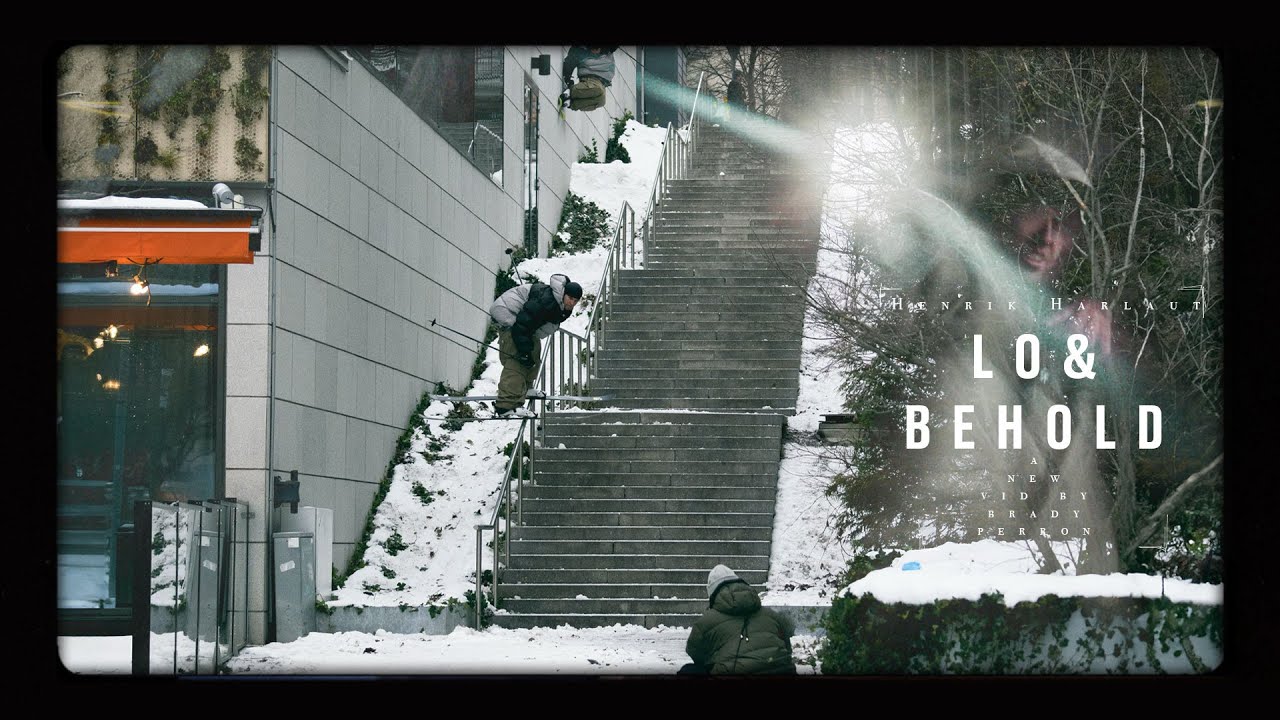
Film seasons have always been part of Albaladejo’s story. He stacked memorable parts with crews and close collaborators, including projects with Henrik Harlaut—work that traveled widely and influenced how riders think about line choice, feature prep, and the value of style that ages well. The Real Ski invite in 2020 recognized that film pedigree on a broadcast stage; his SLVSH Cup runs showed the same precision translated to a live, call-and-respond format where peers set the tricks. Through it all he has remained a constant in Andorra’s scene, helping turn Grandvalira’s after-dark parks into a meeting point for European freeskiing and a proving ground for riders who want their skiing to stand up to slow-motion replays.
Geography that built the toolkit
Andorra’s terrain, weather windows, and night-skiing culture shaped Albaladejo’s habits. Peretol’s Sunset Park delivers laps on demand when the lights switch on—perfect for repetition, quick resets, and filming without the daytime rush. The long lines at El Tarter Snowpark enforce rhythm and speed control; a small mistake at the top can ripple through an entire run, which is why his clips look so composed. When travel calls, he brings that toolkit to places like Les Arcs, where the B&E park’s creative modules rewarded skiers who could hold presses and invent new approaches mid-line. Each location left a fingerprint: Andorra for evening repetition and rail craft; El Tarter for flow at speed; alpine builds for timing and wind reads.
Equipment and partners: practical takeaways
Albaladejo’s gear choices reflect his priorities. With Armada he favors playful, press-friendly park platforms that still feel predictable at takeoff; with Look Bindings he pairs a confidence-inspiring release feel to long rail sessions; Harlaut Apparel signals the rider-run aesthetic that surrounds his projects; and Monster Energy has backed his film-first calendar for years. For skiers who want to borrow his feel, the setup lessons are straightforward: detune contact points to reduce rail bite, choose a mount close enough to center to keep landings neutral, and aim for a medium flex you can bend without folding. Equally important is the training loop his venues enable—film laps, review shoulder alignment and hip-to-ankle stack, then repeat under consistent lighting until the movements become automatic.
Why fans and progressing skiers care
Fans care about Noah Albaladejo because his skiing is both distinctive and teachable. The clips are replayable for the same reason coaches love showing them: tall, calm approaches; early grab definition; square-shoulder exits; and a flow that turns a park into a single, connected sentence. For developing riders, his blueprint proves you don’t need the biggest jumps to progress—you need deliberate reps, a clear plan for each feature, and the patience to let technique do the work. Whether the backdrop is a nighttime lap at Peretol, a long line through El Tarter, or a film trip to a classic alpine park, the read is the same: precise, stylish freeskiing that rewards attention to detail.