Julianne Evangelista
Glacier, Washington / Mt. Baker | Active public archive: BOURN, 2022 | Known for: family ski culture, Mt. Baker backcountry, Micah Evangelista’s home story | Role: skier, mother, local voice, ski-family narrator
Glacier Snow Before The Skin Track Vanished
The trees above Glacier held wet Pacific Northwest snow, heavy enough to mute voices and erase a skin track by afternoon. Julianne Evangelista moved through that Baker world as a skier, mother and witness, part of the family story behind BOURN.
Her profile does not belong to the usual freestyle categories. There is no Olympic start, X Games medal, FIS slopestyle sheet or sponsor roster to build around. Her public value comes from a different place: a rare on-camera role inside a ski film where the parent, the home valley and the mountain culture are treated as part of the athlete’s foundation.
BOURN And The Mother-Son Frame
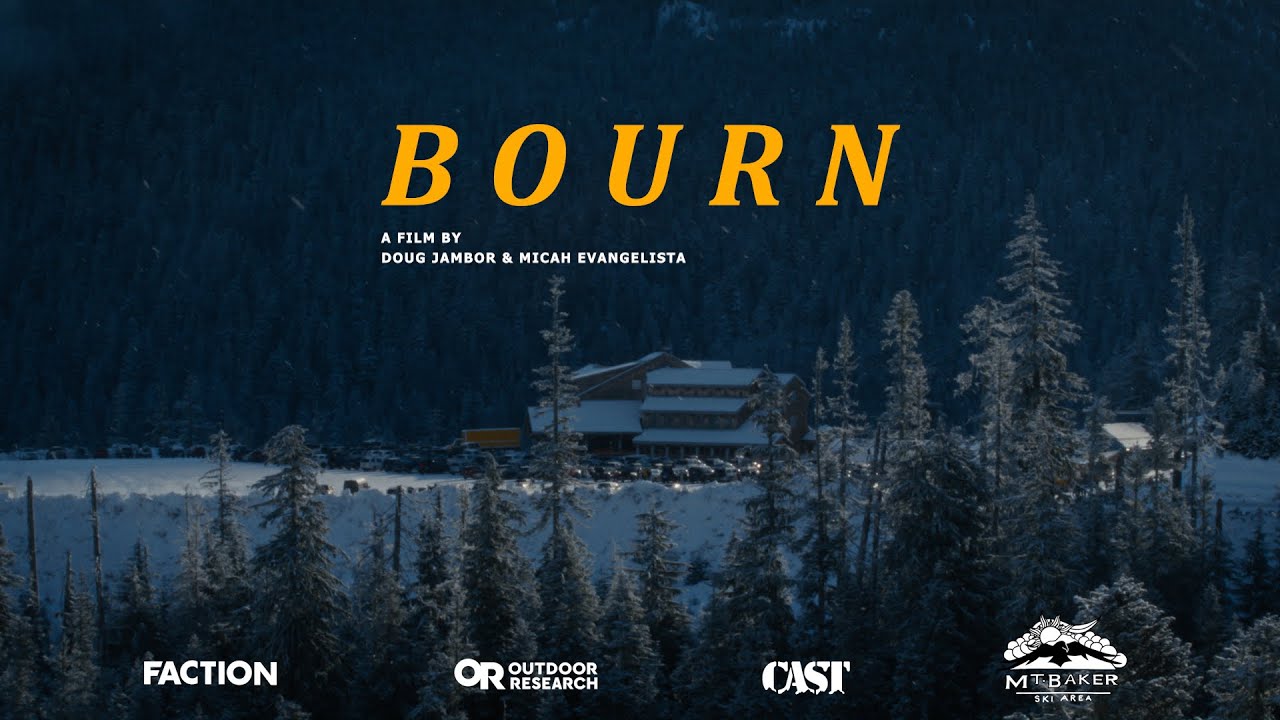
BOURN, directed by Micah Evangelista and Doug Jambor, places Julianne at the emotional center of Micah’s Mt. Baker story. The film is built around home, memory and a fully foot-powered return to zones that shaped his skiing around Glacier and the North Cascades.
That makes Julianne more than a background family member. She appears as someone who can explain the habits, risks and mindset that surrounded Micah’s youth. In ski media, those voices are often missing. The camera usually follows the skier into the line, but BOURN pauses long enough to show the person who watched the skier grow into that terrain.
Mt. Baker As The Real Arena
Julianne’s ski story is not competition-based. The arena is Mt. Baker: storm cycles, deep coastal snow, tree skiing, ridgelines, road access, avalanche decisions and the daily reality of living below a mountain that can turn severe without warning.
That setting matters because Baker does not create casual familiarity. The ski area reports a 15-year average annual snowfall of 688 inches and a world-record 1,140-inch winter in 1998–99. A skier who spends years around that environment learns to read weather, weight, texture and timing. The mountain teaches patience as much as confidence.
How Julianne Skis The Baker Way
Julianne’s skiing should be watched through composure, not spectacle. In the BOURN context, the useful details are steady travel, balanced turns, controlled speed, clean transitions and comfort in snow that can change from soft powder to dense coastal chop in one run.
Her presence gives viewers another model of ski ability. She is not there to throw tricks or chase a film-part ender. She represents the experienced local skier: someone who moves efficiently, understands the mountain, and treats skiing as a long relationship with place rather than a short performance for the camera.
The Family That Made The Camera Normal
Western Washington University’s profile on Micah explains that the Evangelista family skied together, with Julianne recalling Micah skiing on a leash with his father at age two and already moving confidently down blue and black runs by ages three and four.
That detail is central to her role. Before Micah became a skier associated with Mt. Baker backcountry footage, the family had already made snow, cameras and movement part of daily life. Micah and his brother Mattias began filming each other as kids with their parents’ handycam. Julianne’s influence sits inside that early permission: ski, fall, film, learn, repeat.
Risk, Reward And The Parent’s View
The Inertia’s coverage of BOURN notes that Micah sat down with Julianne to talk about her experience arriving at Mt. Baker, falling in love with skiing and sharing that passion while her children grew up. That point gives the film its deeper tension.
A parent in a mountain town sees both sides of the sport. The snow is beautiful, but the backcountry is serious. A child’s confidence is exciting, but the risks are real. Julianne’s voice matters because she can hold both truths at once. She understands the pull of skiing without pretending the mountain is harmless.
Glacier, Home And The North Cascades Pull
BOURN frames Glacier not as a postcard but as a gravitational force. The film’s premise asks why some people try to escape home while others feel pulled back by it. Julianne helps answer that question from the inside.
Her place in the story is local and generational. She stands between the valley and the skier who left tracks above it. Through her, Baker becomes more than terrain for Micah’s lines. It becomes a family system: roads, storms, chairs, skin tracks, kitchen-table decisions and the kind of winter rhythm that shapes identity before anyone calls it a career.
No Athlete Résumé To Invent
There is not enough reliable public information to present Julianne Evangelista as a professional freestyle athlete, freeride competitor or sponsored skier. That should stay clear in the page. Her confirmed public ski role comes through BOURN, family history, Mt. Baker culture and her own voice inside Micah’s story.
The equipment frame should also remain simple. BOURN does not provide a verified personal setup, ski model, boot choice or sponsor list for Julianne. The practical context is Baker skiing: reliable outerwear, touring-capable systems when leaving the lifts, avalanche safety habits and gear that supports years of storm skiing rather than a marketing identity.
Where The Julianne Evangelista Archive Belongs
The strongest skipowd.tv tags for Julianne Evangelista are Glacier, Washington, Mt. Baker, BOURN, Micah Evangelista, family ski culture, North Cascades, human-powered backcountry, Pacific Northwest skiing, local ski community and ski storytelling.
The safest current endpoint is BOURN: a 2022 film where Julianne’s voice helps explain the mindset, place and family foundation behind Micah Evangelista’s skiing. Future updates should only add verified interviews, Baker clips, family-film material or official pages that expand her role as a Mt. Baker skier and narrator of the local culture behind the footage.