Jackson Tito Jenkins
Profile and significance
Jackson “Tito” Jenkins is a Utah-born freeski athlete and street-focused park skier whose name has been circulating in core ski circles since he was a kid. Raised around the Wasatch and now based in the Park City zone, he built a reputation early as a fearless jibber with a raw, DIY attitude, the kind of skier who would show up in broken boots and nearly edgeless skis and still look comfortable on handrails and kinked features. Today he is best known as part of the new-wave jib generation connected with the Capeesh crew, a finalist for Level 1’s SuperUnknown 21, and an athlete riding custom boots with DaleBoot. His path is defined less by traditional contest circuits and more by films, crew edits and an unwavering focus on rail and street skiing progression.
Jenkins has grown from a local “kid who slays” on community forums into a fixture in some of the most talked-about contemporary jib projects. His name shows up in rider lists for independent films and crew edits, from spring park movies to grittier urban-style projects, and he sits in that sweet spot where insiders know exactly who he is while the broader freeski audience is just starting to catch on. For ski fans who care about creative rails, inventive spots and the culture around modern jib skiing, he is one of the young names to watch.
Competitive arc and key venues
Jenkins’ story starts in the local-contest trenches. As a pre-teen he was already turning heads at grassroots events along the Wasatch Front, including a second-place finish at the 2013 SLUG Games “Winter Wizardry” park contest at Brighton Resort, a classic Utah rail-jam style event. Around the same time, discussions on core freeski forums highlighted him as an 11-year-old from Ogden charging rails and jumps with a level of comfort far beyond his age, hinting at a trajectory that could stretch well into his twenties if he stayed healthy and motivated.
Instead of moving into structured slopestyle World Cup programs, Jenkins leaned further into the film and crew environment. That decision paid off in 2024 when he was selected as a finalist for Level 1’s SuperUnknown 21, held at Mammoth Mountain, a proving ground where the global jib community watches very closely to see who will define the next wave. Around the same period, he appeared in “GUNS FOR HIRE”, a spring film shot at Brighton Resort, Park City Mountain and Alta Ski Area, and joined the Capeesh crew on projects that included summer sessions at Timberline Lodge on Mount Hood and the multi-year Schøneben project leading into Ethan Cook’s film “Catpiss”. These venues—Brighton’s dense parks, Park City’s lines, Alta’s side-hits and Hood’s summer glaciers—form the backbone of his competitive and creative development.
How they ski: what to watch for
Jenkins’ skiing is built around a strong jib toolkit and an eye for lines that feel satisfying to watch on repeat. On rails he favours technicality delivered with calm body language rather than flailing to force tricks around. Expect to see him lock into kinks with solid edge control, hold presses longer than seems comfortable and link multiple swaps and direction changes while still exiting clean and fast. His consistency on metal allows him to experiment with unusual features—short down rails into walls, close-out options, transfers between parallel rails and improvised setups that appear only once in a spot.
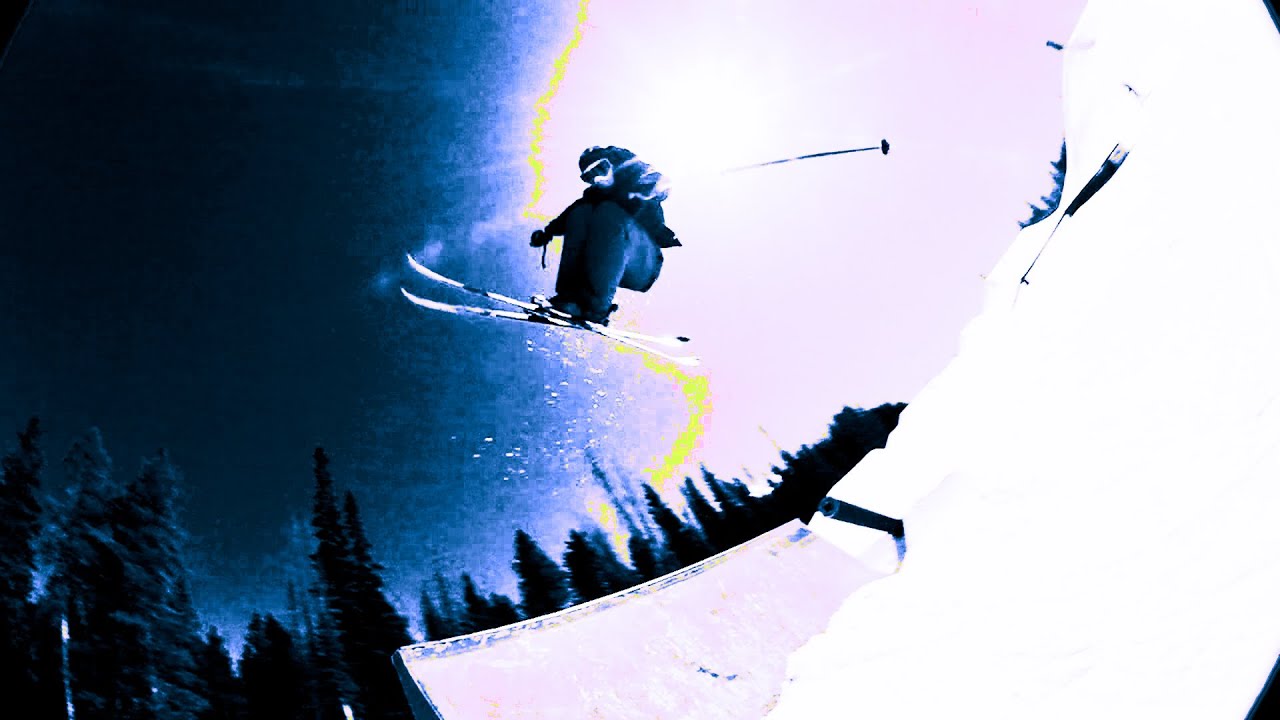
On jumps, his trick selection sits firmly in the modern jib canon: spins with authority but not gratuitous spin count, grabs that are clearly visible and often tweaked, and a tendency to treat takeoffs as a canvas for creativity. Side-hits, rollers and quarterpipe-style transitions bring out some of his most characteristic movements, from nose-butter entries into spins to subtle body rotations that let him land looking relaxed instead of rushed. For viewers watching his clips from SuperUnknown, Capeesh edits or Utah park projects, the details worth studying are how early he sets his spin, how quietly his upper body behaves on rails and the way he carries speed from one feature to the next.
Resilience, filming, and influence
Part of Jenkins’ lore comes from his early years skiing on gear that most riders would consider unworkable—stories circulate of him lacing broken Raichle boots together and riding skis with almost no edges left, still finding ways to attack rails with confidence. That rough-around-the-edges phase forged a resilience that shows up in his current work: he is comfortable putting in long days on park laps, street sessions and travel days, knowing that the final film segment will only include a fraction of the attempts and hours invested.
His progression into films like “GUNS FOR HIRE” and his presence in Capeesh projects, including the Schøneben edit and the forthcoming “Catpiss” movie tour, place him inside a creative ecosystem where riders, filmers and designers are constantly pushing each other. These projects reach audiences through premiere tours in cities like Salt Lake City, Montreal, Copenhagen and Innsbruck, and through digital releases that circulate widely among core freeski fans. Jenkins’ role in these crews is not just about tricks; it is about contributing a consistent, recognisable flavour of skiing that elevates the whole project and inspires younger park skiers who see a path from local edits to international film credits.
Geography that built the toolkit
Growing up in northern Utah with a hometown connection to Ogden and a riding base around Park City and the Cottonwood canyons has given Jenkins a powerful geographic advantage. The daily cycle of lapping Brighton Resort, sessioning parks at Park City Mountain and exploring natural jibs and side-hits around Alta Ski Area creates an environment where creativity is almost unavoidable. Short, feature-dense laps and big winter snow totals mean he can try tricks repeatedly in a single day and experiment with new lines whenever storm cycles reshape the terrain.
Summer extends the toolkit. At Timberline Lodge on Mount Hood he joins the migration of park skiers who live on salted lanes and glacier-side rope tows, stacking film clips when most resorts are long closed. Internationally, his involvement with Capeesh takes him to European locations such as Schøneben, where the crew is known for turning everything—from lift infrastructure to parking-lot features—into a potential spot. The result is a rider who is comfortable whether the feature is a perfectly cut park rail, a sketchy stair set in town or a snow-starved early-season setup built by friends.
Equipment and partners: practical takeaways
Equipment-wise, one of the most distinctive relationships in Jenkins’ setup is his connection with DaleBoot, a company specialising in fully custom ski boots. Custom-fitted shells and liners are a significant upgrade from the improvised gear of his early days, giving him the foot hold and flex pattern necessary to land big rail tricks, gap onto features and absorb heavy impacts without sacrificing comfort. For jib-focused skiers, that choice underlines how crucial boot fit is for control on metal and hardpack takeoffs.
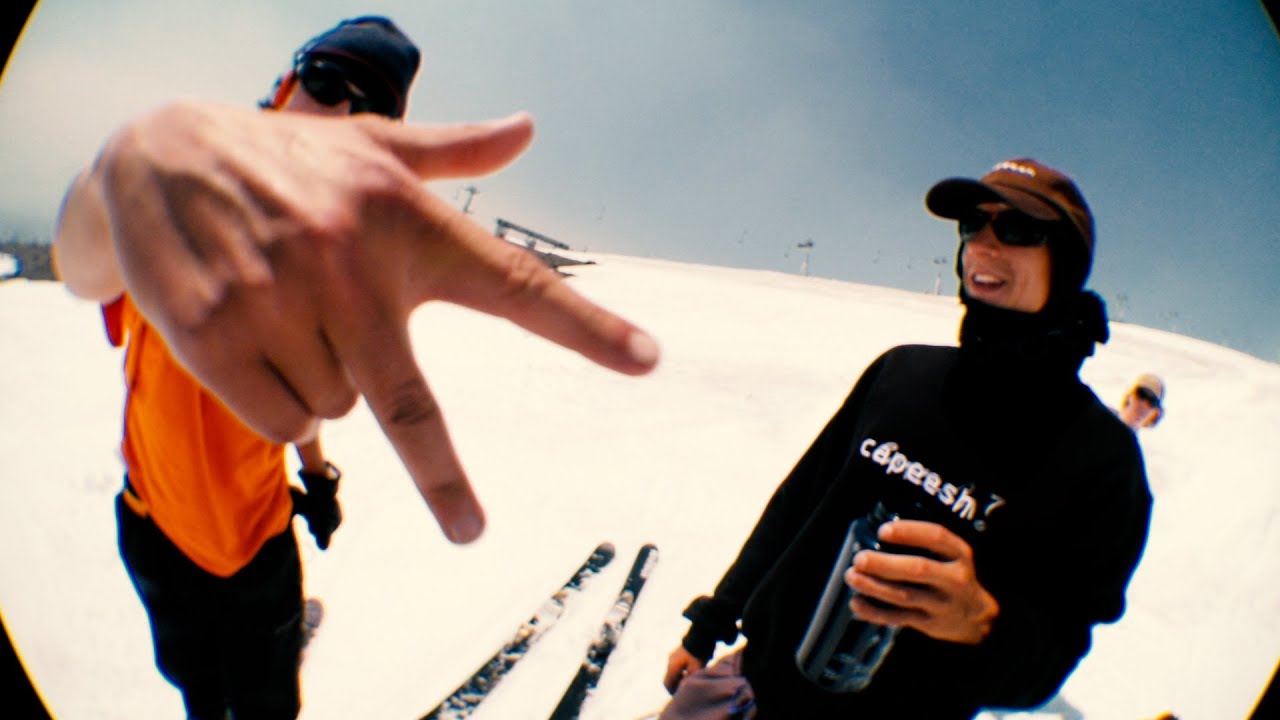
On the softgoods and vibe side, he appears regularly with the Capeesh crew, whose fashion-house approach to outerwear and streetwear matches the aesthetic of their skiing. While not every viewer will want or need that exact kit, the takeaway is that gear should support how you ski and how you move through the park: durable pants and jackets that survive close contact with rails, gloves and helmets that can handle repeated impacts, and skis that balance flex for presses with enough backbone for bigger features. Jenkins’ evolution from taped-together boots to tailored equipment illustrates how smart gear choices can unlock more ambitious projects without compromising style.
Why fans and progressing skiers care
Fans care about Jackson “Tito” Jenkins because he represents a pure expression of the jib-scene dream: a kid from Utah who grew up lapping local parks, earning respect in small grassroots contests and internet edits, and then parlaying that dedication into spots in respected films and a SuperUnknown final. His skiing speaks directly to park rats and aspiring street skiers who want to see tricks and spots that feel attainable with hard work rather than just circus-level rotations on the biggest jumps in the world.
For progressing skiers, his career path offers a realistic blueprint. You do not need a national-team pipeline or a perfect training centre to matter in freeski culture; you need creativity, time on snow, a crew that pushes you and the willingness to build your own features when necessary. Watching Jenkins in Utah parks, on Mt. Hood glaciers or in Capeesh’s European segments, it is clear that his influence comes from the lines he chooses and the way he skis them, not just the trick list. That combination of authenticity, resilience and steadily rising profile is exactly why he deserves a place on the radar of anyone who loves modern freeskiing, especially on the park, rail and street side of the sport.