Petzl
France
French mountain equipment brand | Founded in 1970 from Fernand Petzl's caving work in southeastern France | Known for: ski touring harnesses, crampons, ice axes, headlamps and glacier rescue systems | Focus: compact technical equipment for moving through steep and glaciated terrain, supported by detailed technical guidance for mountaineers, ski tourers and high mountain professionals.
From Fernand Petzl's cave tools to a French Alps equipment company
Petzl grew from Fernand Petzl's work as a caver and craftsman in southeastern France. The company traces its story to his underground exploration in the 1930s, says he began marketing his first products in 1968, and dates the birth of Petzl as a company to 1970. That origin still explains the brand better than a normal ski-industry label. Petzl is not a ski manufacturer. Its core business is equipment for moving, protecting, lighting and managing risk in vertical environments, with products spanning climbing, mountaineering, caving, professional rope access and outdoor lighting. The company is headquartered in Crolles in the French Alps, where it says its products are invented and developed. For skiers, that mountain identity becomes most visible when a tour moves beyond simple skin tracks and toward terrain similar to Chamonix, where glacier travel, steep snow and technical transitions can make mountaineering equipment part of the ski system.
RAD SYSTEM, FLY, TOUR and LEOPARD bring Petzl directly into ski touring
Petzl's current catalog contains several products explicitly designed around ski touring rather than merely borrowed from climbing. The RAD SYSTEM is presented as a compact kit for skiers dealing with crevasse rescue, rappelling and roped glacier travel. The FLY harness is built for technical mountaineering and ski mountaineering, while the TOUR harness is positioned for glacier travel and ski touring. LEOPARD crampons are designed for ski touring and snow approaches, and Petzl's technical material also places the GULLY ice axe in steep-skiing use. Together, these products show the brand's ski relevance clearly: it focuses on the moments when skis alone are no longer enough. Petzl's ski touring technical hub reinforces that approach with guidance around ropes, glacier travel, crampon transitions, rappels and crevasse rescue rather than resort performance or ski construction.
When a ski descent becomes a mountaineering problem
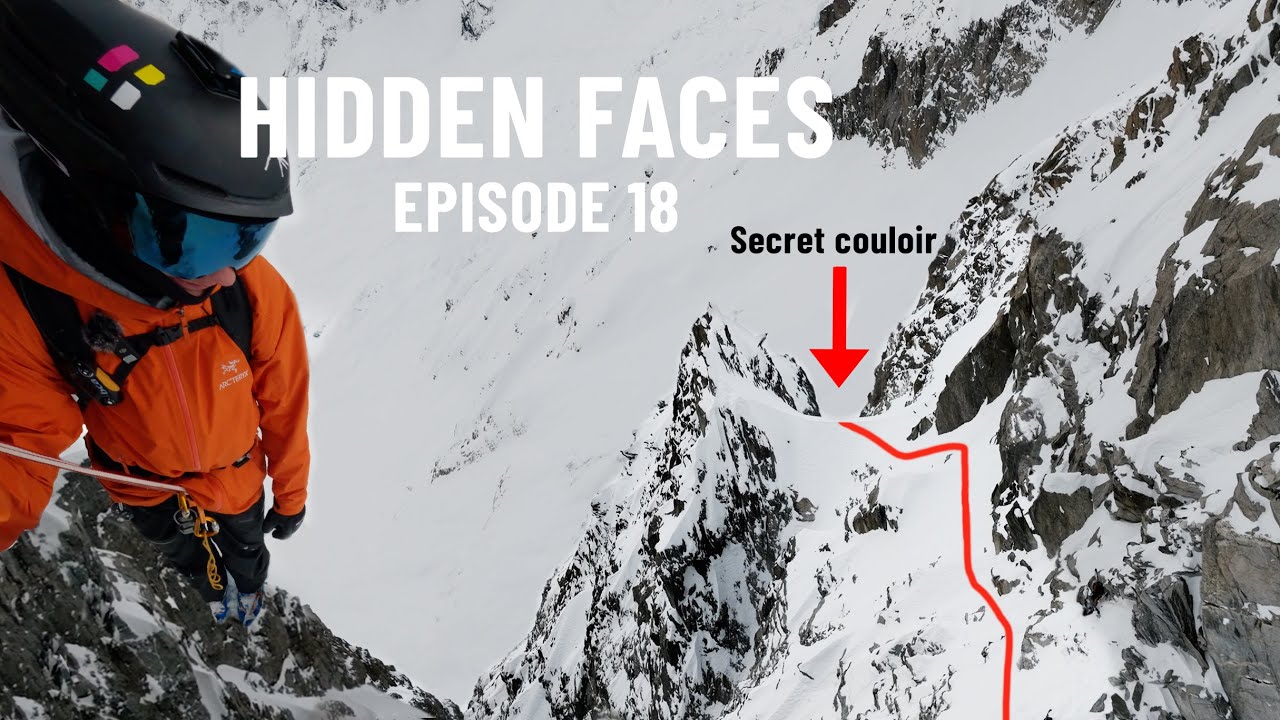
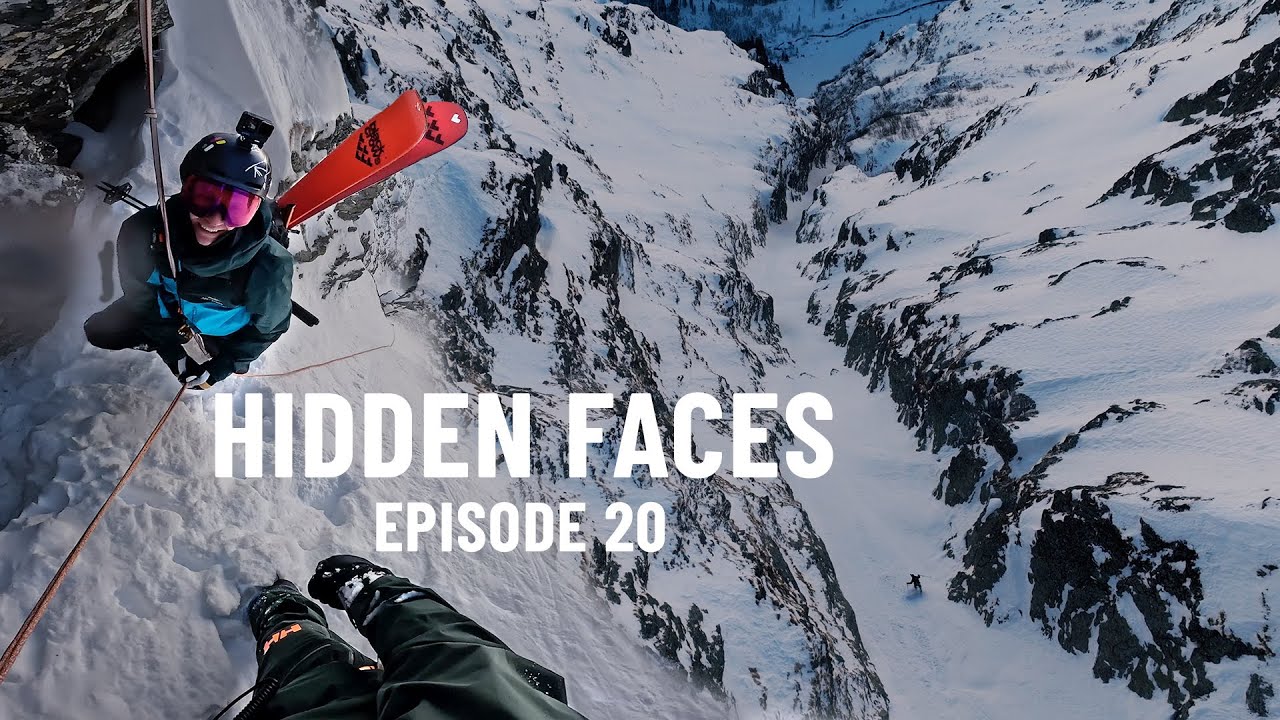
The Petzl use case is less about how a ski turns and more about what happens before, above or between those turns. A skier approaching a glacier may need a harness and rope system. A steep spring line may require crampons for the ascent and an ice axe for exposed snow. A couloir can end at a step that changes a ski objective into a rappel problem. In those situations, compactness matters because every piece of technical gear competes for space and weight in a pack, but usability matters just as much because transitions often happen while wearing gloves, skis or crampons. Petzl's ski-specific harnesses reflect that reality by being designed to go on without removing skis or crampons. Its technical advice repeatedly stresses that equipment does not replace training, which is an important distinction for a brand whose products are often used when mistakes have serious consequences.
Liv Sansoz, Vivian Bruchez and a team built around mountain movement
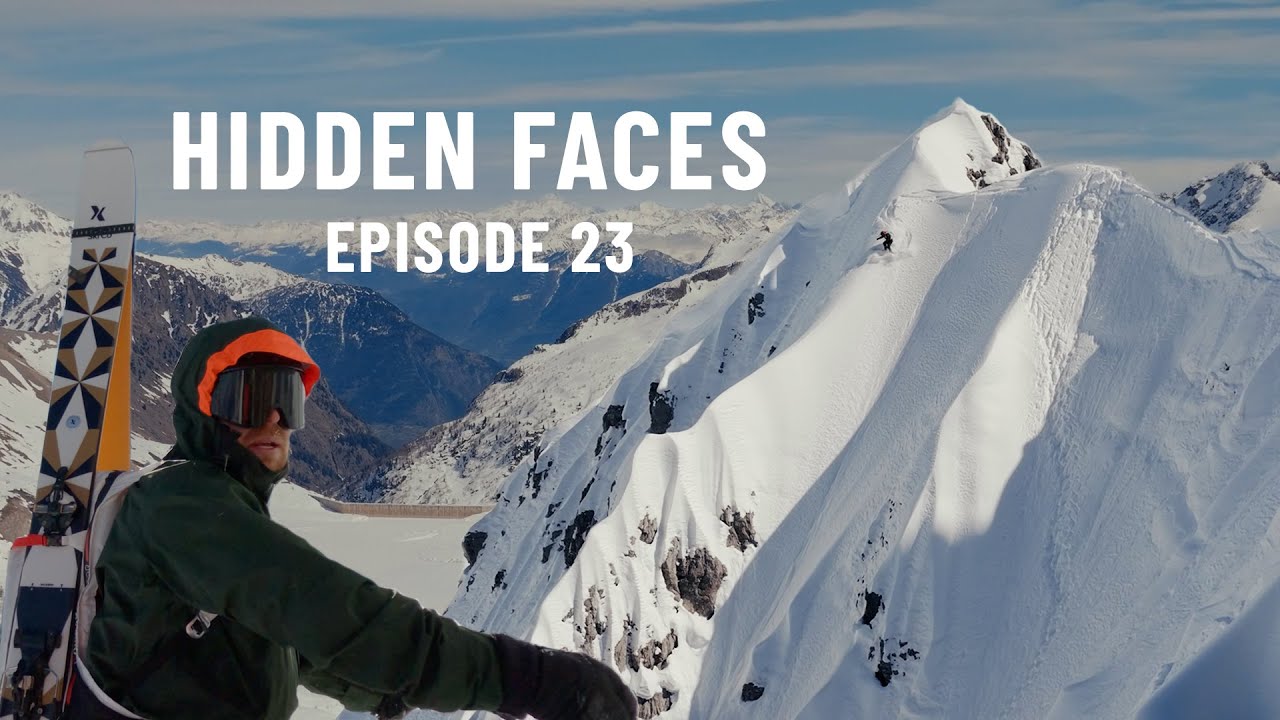
Petzl's athlete network also explains why the brand fits a ski platform even though it does not build skis. The current Team Petzl roster includes Liv Sansoz under ski touring and Vivian Bruchez under mountaineering. Bruchez is especially relevant to steep skiing: Petzl's own profile presents him as a Chamonix-raised skier and high-mountain guide whose skiing is closely tied to technical faces in the Mont Blanc massif. That kind of athlete relationship is different from a classic freestyle sponsorship built around park skis, contest graphics or signature models. Petzl is closer to the safety and progression layer of the objective. Its athletes move between climbing, alpinism, ski touring, steep skiing and mountain running, so the brand's identity follows the terrain rather than one competition discipline. The Team Petzl roster reflects that cross-disciplinary mountain culture.
Crolles roots and the high alpine terrain that gives the gear context
Petzl's headquarters in Crolles places the company at the edge of the French Alps rather than inside a conventional ski-manufacturing cluster. That geography makes sense for equipment tested conceptually against climbing walls, caves, glaciers, ridges and steep snow. The company says it is present in more than 55 countries and operates four production sites, three in France and one in Malaysia, while keeping product invention and development centered at its French headquarters. For ski touring, the most important point is not the distribution number but the terrain logic behind the catalog. Harnesses that can be donned with skis on, crampons that pack small, rescue systems designed around glacier travel and ice axes referenced in steep-ski techniques all answer problems that appear when skiers enter genuine alpine terrain.
Industrial design, replaceable components and an inspection mindset
Petzl's product language emphasizes personal protective equipment rather than disposable accessories, so inspection and compatibility are recurring themes across its documentation. Current product pages provide technical notices, declarations of conformity and inspection procedures alongside the equipment itself. The LEOPARD crampon system is modular, with components such as heel pieces, linking cords and binding elements designed to be replaceable. The FLY harness uses reinforced high-modulus polyethylene in key load and wear areas, and its storage pouch uses recycled polyester and nylon. These details matter because mountain equipment is judged not only by low weight but by how clearly it can be maintained, checked and matched to the intended activity. Petzl's broader company material also stresses industrial quality as one of its long-term pillars, which fits a product category where reliability is part of the function rather than a marketing extra.
Choosing Petzl gear starts with the objective rather than the logo
The most useful way to read Petzl's ski range is by route requirement. A straightforward resort day may need none of this technical equipment. A glacier tour can introduce harness, rope and rescue needs. A steep ski mountaineering line can add crampons and an ice axe. A route with known rappels changes the rope system again. Petzl itself separates these situations in its ski-touring technical guidance, and that is a better decision framework than buying every lightweight item in the catalog. Skiers also need to verify exact product compatibility, certification and intended use from the current technical notice rather than assuming that any climbing product automatically suits ski touring. The brand provides the hardware and the technical documentation, but route choice, training, partner systems and professional instruction remain separate parts of the safety equation.
Why Petzl belongs in ski mountaineering culture without making skis
Petzl occupies a specific place in skiing. It is not trying to define freestyle shape, freeride flex or race construction. Its contribution appears where skiing overlaps with alpinism: glacier approaches, exposed transitions, steep snow, rope work, crevasse rescue and movement through terrain that cannot be reduced to lift access. That makes the brand particularly relevant to ski tourers, steep skiers, guides and freeriders who regularly move beyond normal resort boundaries. The strongest Petzl products for this audience are not lifestyle extensions; they are tools designed around concrete mountain tasks. For riders who treat the ascent, transition and technical escape options as seriously as the descent, Petzl represents the mountaineering side of ski culture.