Poederbaas
Netherlands
Dutch winter sports apparel brand | Founded in 2011 by Stenmar IJff from handmade beanies | Known for: freeride-oriented outerwear, technical layers, ski socks and community events | Focus: functional winter clothing shaped by skiing, snowboarding and a strong Dutch freeride culture.
From handmade beanies in 2011 to a full winter sports label
Poederbaas began in the Netherlands when Stenmar IJff started crocheting colorful beanies in 2011 and selling them during ski trips in the Alps. Those handmade hats established the visual side of the brand first: bright winter accessories connected directly to ski travel rather than to a conventional fashion launch. Over the following seasons, the range expanded beyond headwear into a broader winter sports collection. Today Poederbaas International B.V. operates from Amsterdam and describes itself as a winter sports apparel company producing ski suits, mid-layers, base layers, socks and accessories. That evolution matters because Poederbaas has remained tied to skiing and snowboarding while growing from a small accessory idea into a more complete clothing system for days in the mountains.
Freeride outerwear joins the layers and accessories that built the brand
The current Poederbaas catalog covers several different parts of a skier's clothing setup. Base layers and merino base layers form the first layer, while mid-layers, ski socks and accessories address warmth and comfort across a full day outside. Outerwear is now a larger part of the range as well. Poederbaas says ski suits were added from the 2025 to 2026 season, and its present collections include Freeride, Arctic and Park directions. The FS 3L Hardshell Jacket Men is listed as a waterproof shell with a 15000 millimeter waterproof rating, 15000 gram breathability figure and underarm ventilation. The Park Pant is a separate current product built around a relaxed baggy fit, a two-layer 10K 10K membrane, taped seams, recycled material and a PFC-free water-repellent treatment. These are different products for different uses rather than one generic ski outfit.
Powder days, park laps and long hours in changing weather
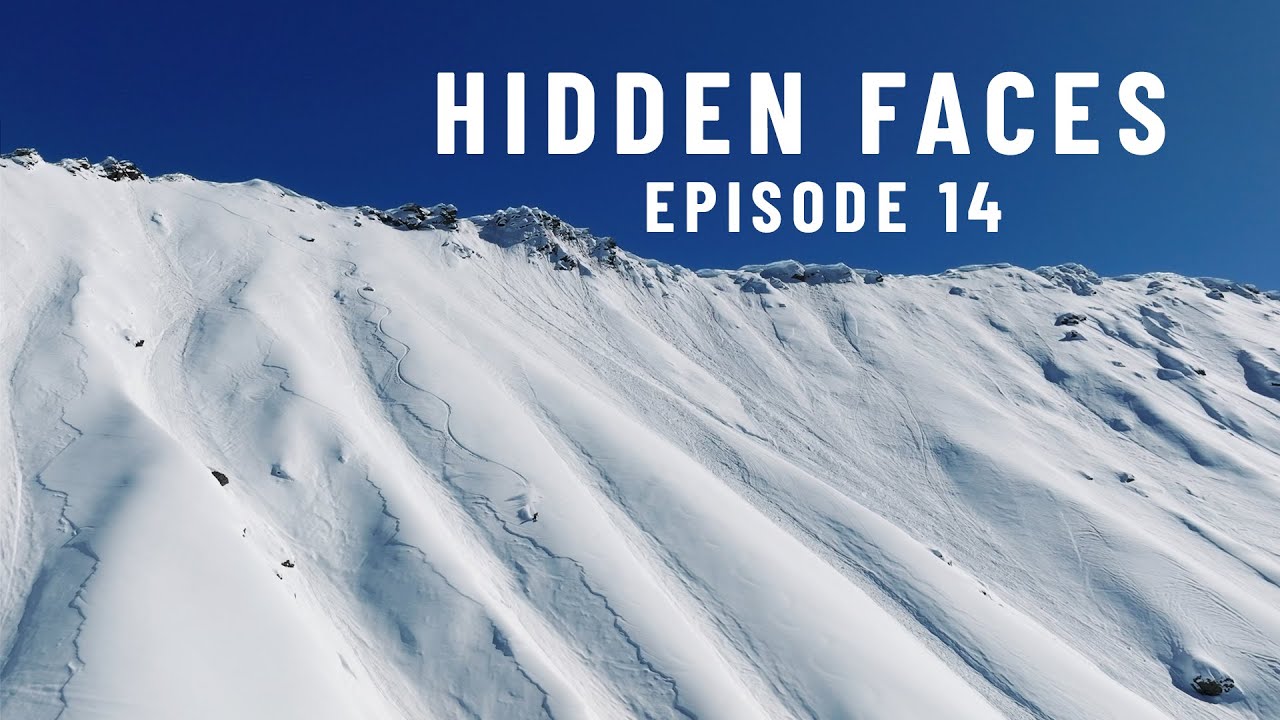
Poederbaas positions its clothing around the practical rhythm of skiing rather than around one competitive discipline. Its own brand language repeatedly returns to freeriding, powder days and long periods outside in cold weather. The Freeride outerwear direction is aimed at demanding mountain days and changing conditions, while the Park line uses a looser silhouette intended for skiing, snowboarding and freestyle movement. The Arctic direction emphasizes insulated protection for colder conditions. That makes the range relatively easy to understand: technical shells suit riders who prefer layering and variable effort, insulated pieces target warmth with less adjustment, and park-oriented garments prioritize freedom of movement and a more relaxed shape. The brand also says it tests products itself in winter conditions before adding them to the catalog, which fits its for riders by riders positioning.
A freeride community built through training and open events
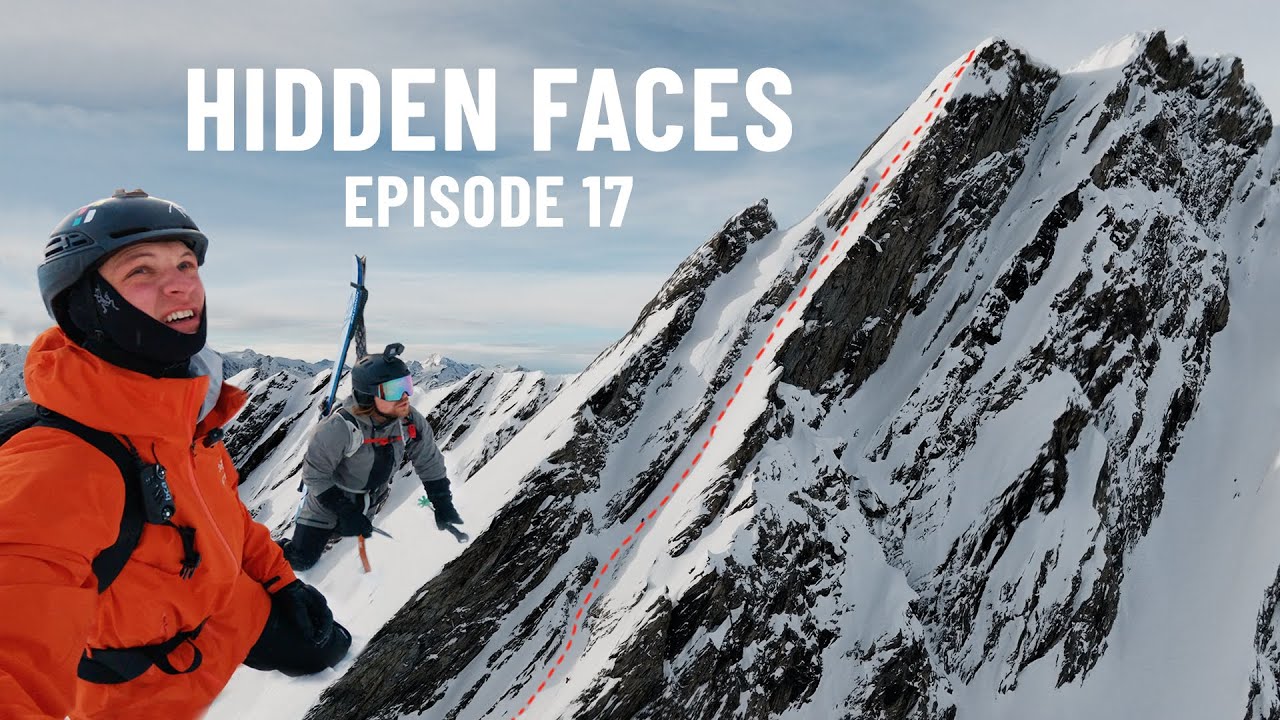
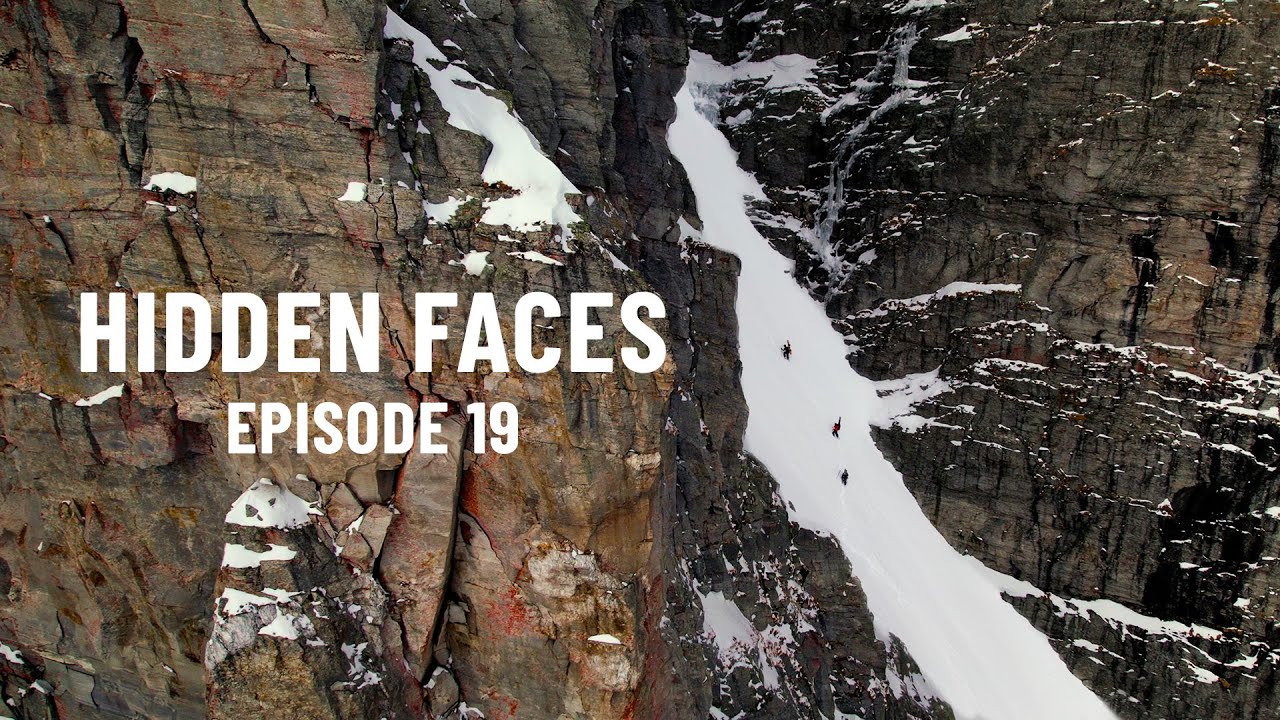
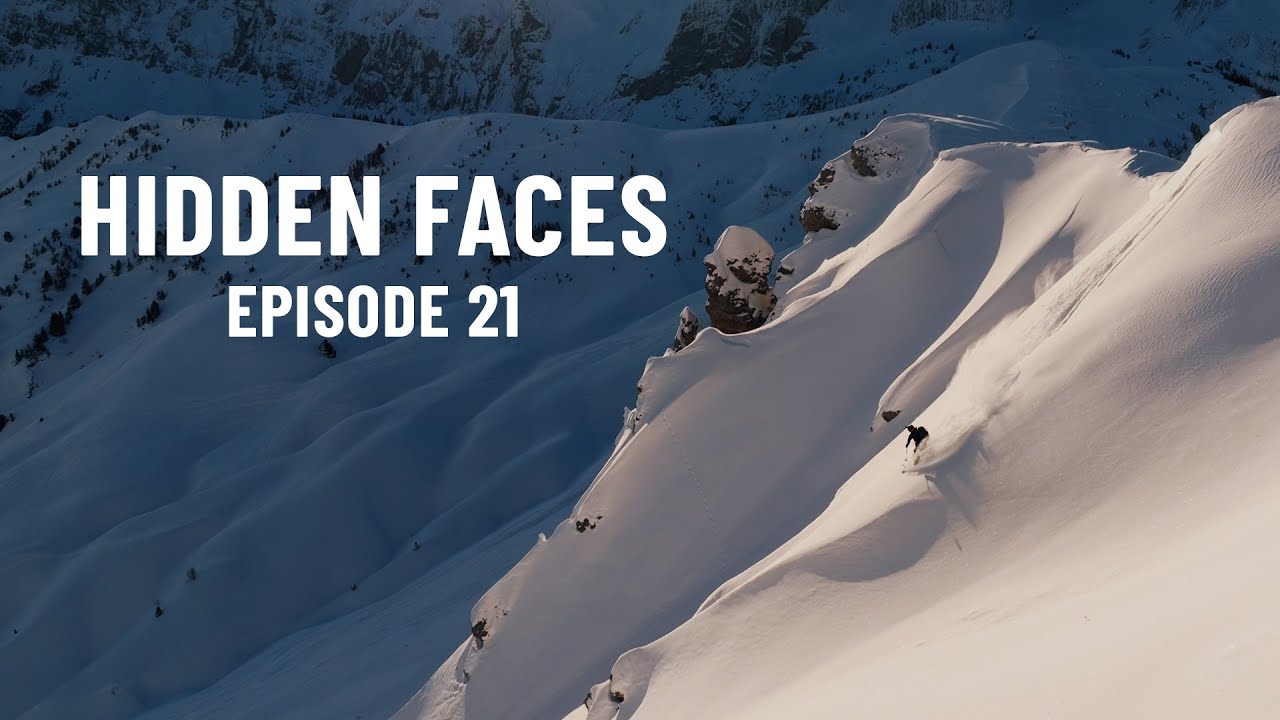
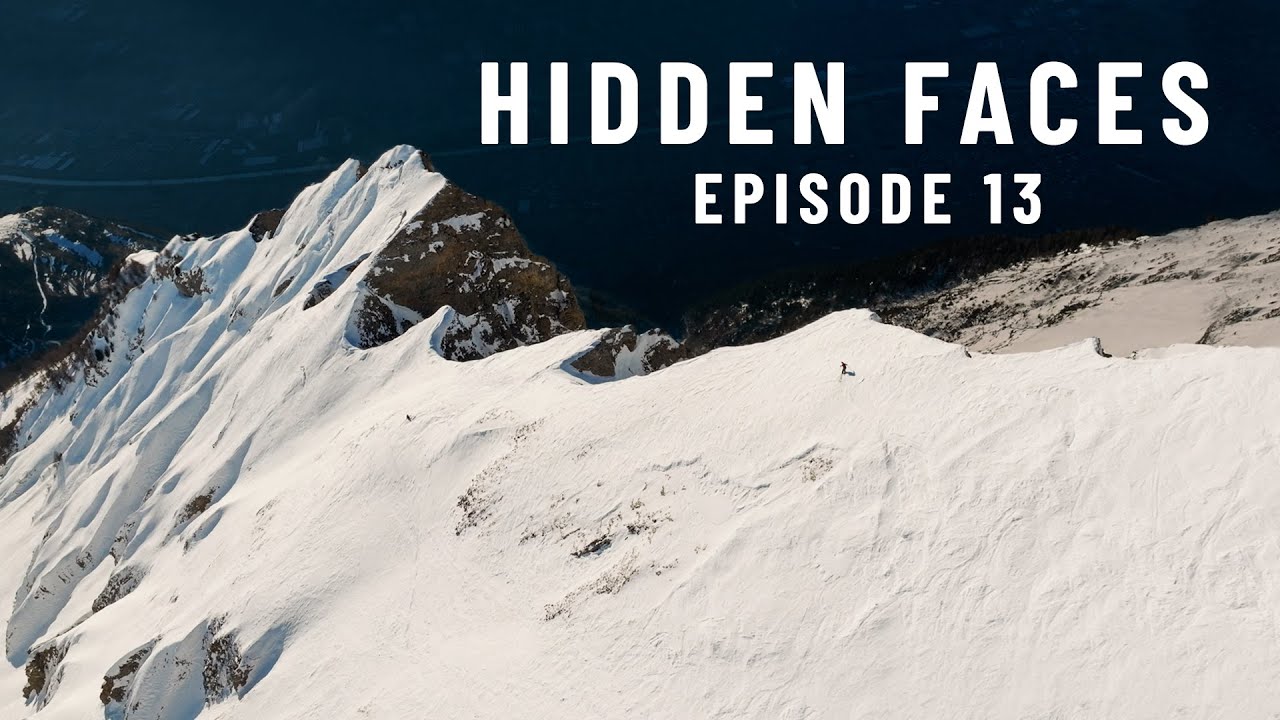
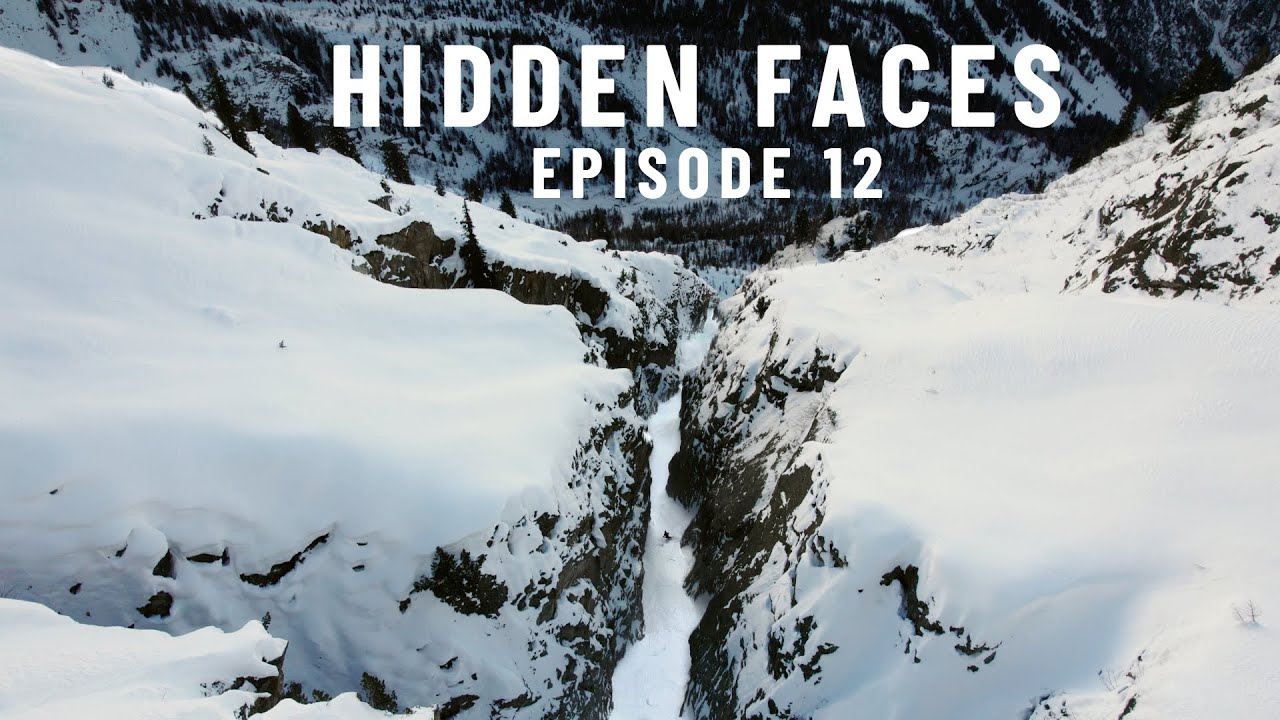
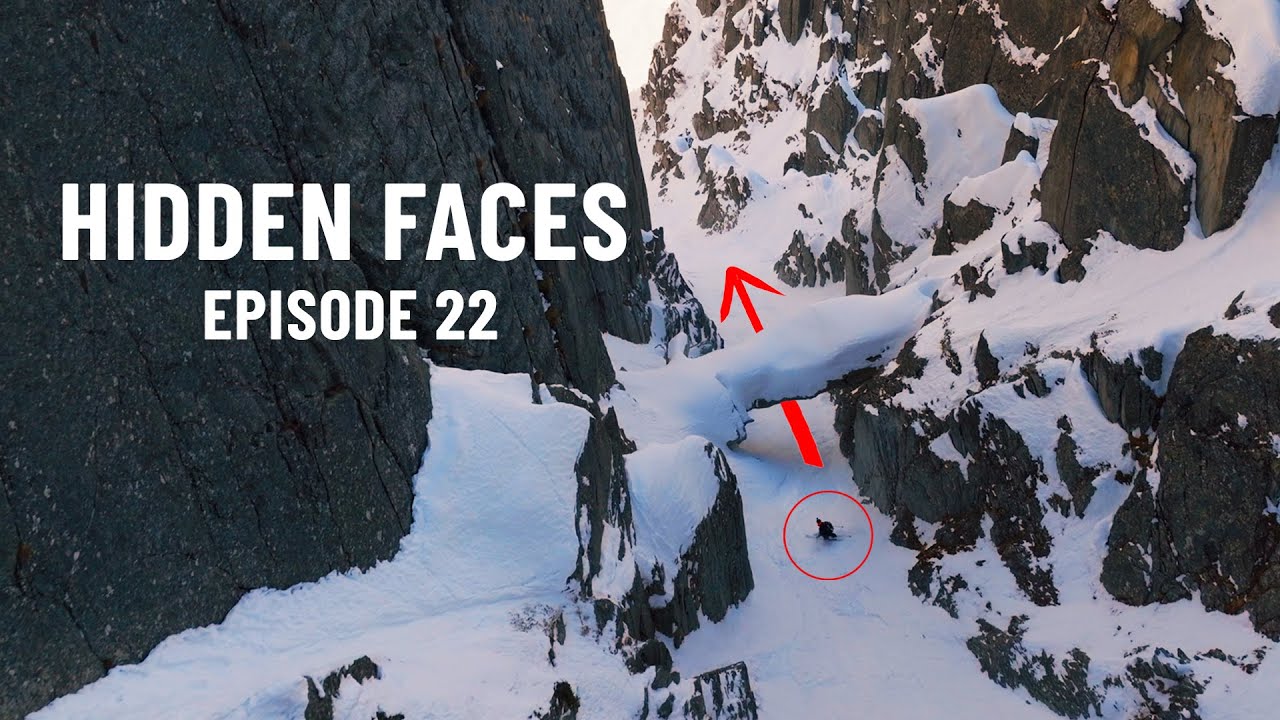
Poederbaas is more than an apparel storefront because events are a visible part of its identity. The company says it supports developing athletes through freeride ski and snowboard training under the supervision of mountain guides, and it organizes freeride events for a broader public. Its largest recurring project is the Poederbaas Freeride Festival, which combines skiing and snowboarding with clinics, equipment testing, competitions and après-ski. The event has grown from an earlier Dutch freeride competition into a wider festival structure that now includes Dutch and Belgian freeride competition as well as vertical ski mountaineering. This community role gives the brand a stronger connection to actual mountain participation than a clothing label that only borrows ski imagery for marketing.
Kappl and the Austrian Alps give the festival its mountain setting
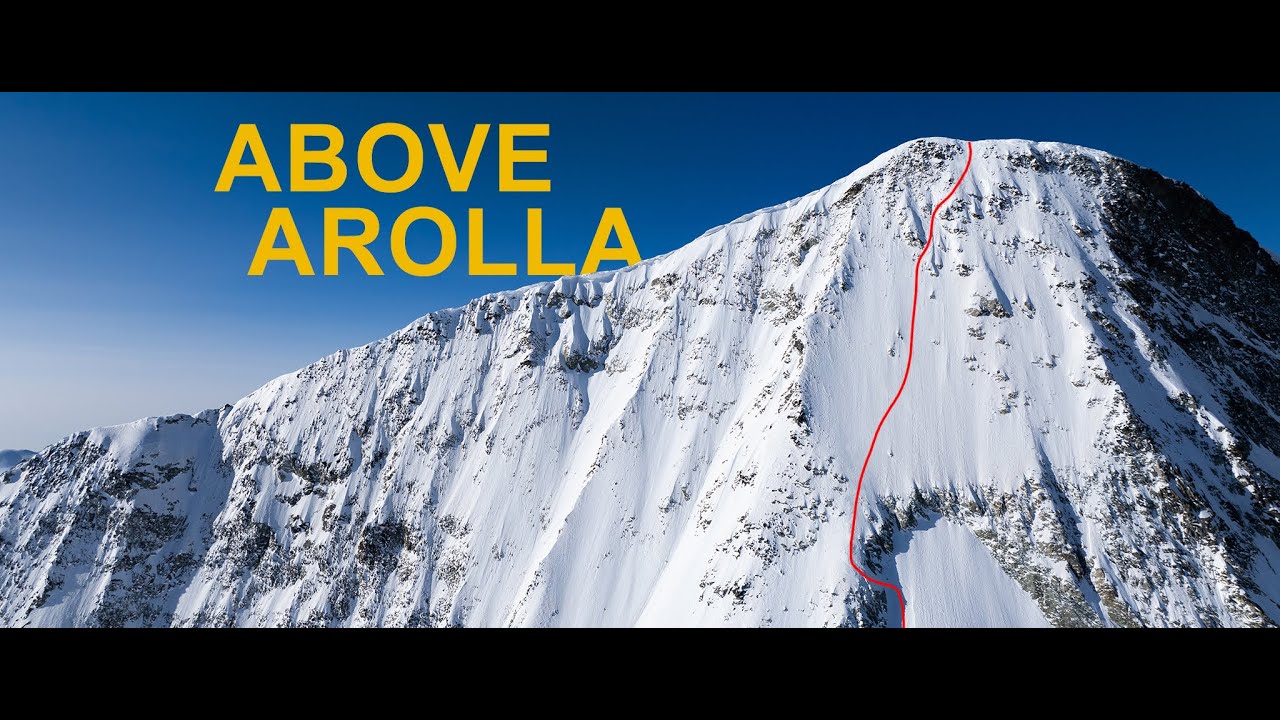
The current Poederbaas Freeride Festival is based in Kappl, Austria, close to Ischgl - Samnaun. The official festival program presents the week as a mix of freeriding, snow-safety clinics, ski testing, competitions and social events. Poederbaas also documents the earlier history of the event in Goldeck, where it says the first Dutch Freeride Competition was organized before the concept expanded with side events such as safety clinics and a freeride test center. For a Dutch company, this Alpine link is important. The brand is headquartered in Amsterdam, but many of the situations that define its products and community happen in Austrian mountain terrain where weather, off-piste conditions and long ski days give technical clothing a real purpose.
Technical fabrics without pretending every skier needs the same system
Poederbaas now covers enough categories to let riders build different layering combinations instead of forcing one all-purpose solution. A shell such as the current FS 3L Hardshell Jacket Men is designed around weather protection and ventilation, while the Park Pant takes a softer, style-led approach with a baggy fit and a lower-specification two-layer membrane. Merino and synthetic base layers provide another choice closer to the skin, and the ski sock range includes both standard and more technical options. The useful distinction is not that one product is universally better. A skier hiking for freeride laps may prioritize breathability and shell layering, while someone spending a colder resort day on lifts may prefer more insulation. Poederbaas has gradually built a catalog that acknowledges those different winter routines.
How to choose within Poederbaas without overbuying
The best starting point is the type of ski day rather than the appearance of the collection. Riders expecting variable weather, touring approaches or high-output freeride laps should first look at shell-based outerwear and build warmth underneath with base and mid-layers. Skiers who mainly ride lifts in colder weather may prefer the insulated Arctic direction. Park riders who value a loose fit and unrestricted movement can look toward the Park products. Socks and base layers are the easiest entry points because they work beneath existing outerwear, while a full jacket and pant setup becomes more relevant when replacing an older shell system. As with any technical clothing, the exact product page should be checked for the current membrane, materials, fit and intended use before choosing a model or size.
Why Poederbaas has a distinct place in Dutch freeride culture
Poederbaas stands out because its story connects product development with an identifiable ski community. The company started with handmade beanies sold on Alpine trips, expanded into functional winter apparel, and built recurring events around freeride, safety education and participation. Its reach is more regional and niche than the largest international ski-equipment companies, but that smaller scale is part of what makes the brand recognizable. The official shop remains the clearest place to see the current range through the Poederbaas official shop. For riders who associate skiing with powder trips, freeride festivals and a social mountain culture rather than only resort laps, Poederbaas represents a specifically Dutch route into the wider European winter sports scene.