Ovronnaz
Alps
Switzerland
Compact Valais ski resort above the Rhône Valley | Known for: 35 kilometres of pistes, Tsantonnaire at 2500 metres, annual Jib Night and touring access toward Euloi and Dent de Morcles | Best for: technical piste skiing, local freestyle sessions, freeride progression and ski touring
From Ovronnaz At 1400 Metres To Tsantonnaire At 2500
Tsantonnaire reaches 2500 metres above Ovronnaz, giving this compact Valais resort roughly 1100 metres of altitude range between its lowest ski infrastructure and the upper mountain. The official Ovronnaz ski area lists 35 kilometres of pistes, four chairlifts, two drag lifts and one village rope tow. Nineteen marked runs divide into three blue, ten red, five black and one yellow piste, giving intermediate and advanced terrain much more space than the beginner category.
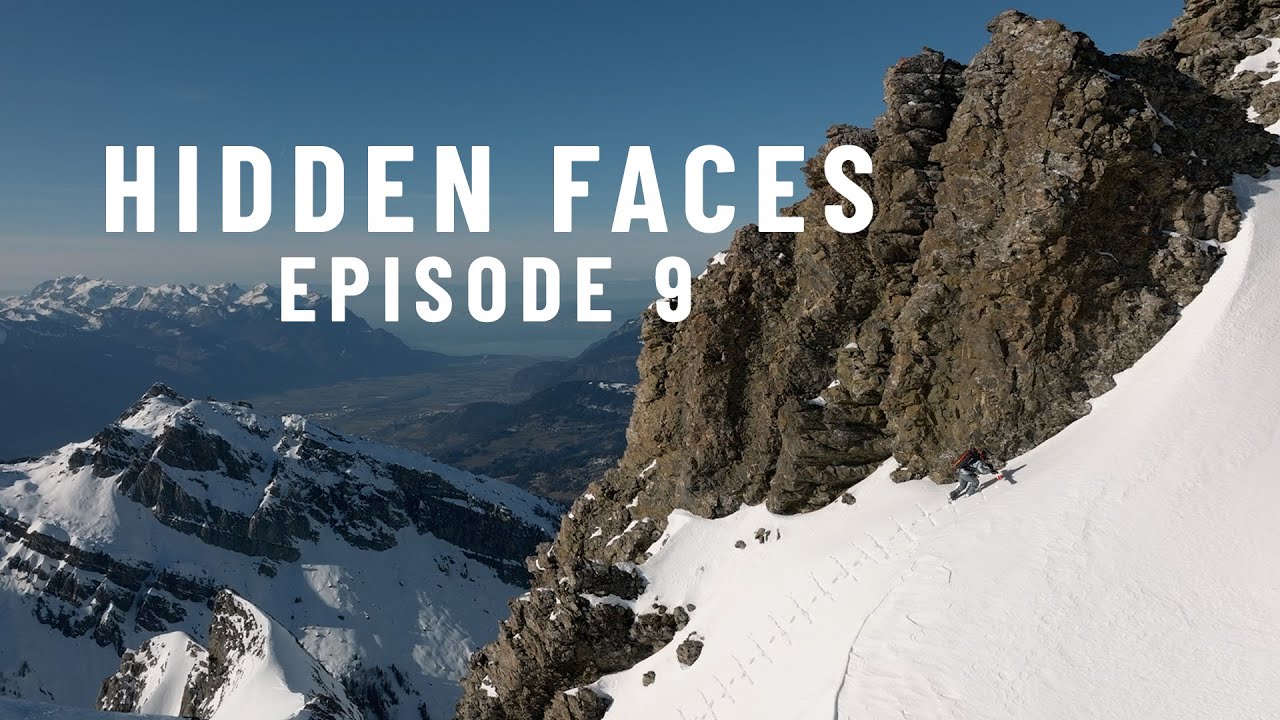
The mountain rises above Leytron on the northern side of the Rhône Valley, facing across Valais toward a wide chain of Alpine summits. Jorasse acts as the main gateway from the village, with the chairlift bringing skiers directly into the central domain. From there, Petit Pré, Col Express and the higher Tsantonnaire sector extend the terrain toward open slopes where trees disappear and weather has a much stronger influence on snow quality and visibility.
Jorasse Opens The Route Toward Petit Pré And Le Col
The Jorasse chair is the practical starting point for most ski days. Its upper station sits around 1940 metres, more than 600 metres above the lower village area, and places riders immediately beside the main piste network. From Jorasse, further chairs continue toward Petit Pré and the Col sector, creating a stepped vertical progression rather than one continuous gondola ride from valley to summit.
This lift layout gives Ovronnaz an efficient rhythm for a small resort. Skiers can stay around Jorasse for shorter runs, move upward when visibility allows or use the higher installations as the first stage of a touring objective. The piste distribution also reflects the mountain's character: with ten red and five black runs against only three blue pistes, Ovronnaz is more useful to competent skiers than its modest kilometre count might suggest. The terrain is compact, but it is not dominated by flat connecting pistes or beginner slopes.
Jib Night Turns The Baby Lift Into A Rail Contest
Ovronnaz has a small but documented freestyle culture centred more on events than on a large permanent slopestyle complex. The clearest example is Ovronnaz Jib Night, scheduled again for December 29 2026. The event transforms the baby-lift area into a temporary rail line for a Tour Freestyle Romand jib contest, with U13 and U15 categories followed by Elite competition, jam sessions and a best-trick segment.
The format suits the scale of the resort. Instead of building its identity around giant jumps, Ovronnaz uses an accessible base-area setup where riders can repeat rails in front of spectators. The event is open to skiers and snowboarders and connects the resort directly with the French-speaking Swiss freestyle circuit. For a small Valais station, that recurring contest creates a more credible freeski link than simply listing generic park features without a competitive or cultural context.
Euloi And Fenestral Lead Beyond The Controlled Domain
Ski touring expands Ovronnaz far beyond its 35 kilometres of pistes. The resort identifies two separate touring zones. Loutze provides the easier introduction, starting near the Tourbillon Nordic centre and climbing toward the mountain refreshment area. The more serious option begins higher in the ski domain and links the Euloi sector toward Fenestral and ultimately the Dent de Morcles region.
The resort specifically warns that the alpine Euloi-Fenestral sector can carry major avalanche danger. Access is possible using the Jorasse and Col chairlifts with dedicated touring tickets, but once skiers leave the controlled domain the routes are neither marked nor secured. This creates a useful freerando model: lifts remove part of the initial vertical, then skins and independent mountain judgement take over.
That terrain gives Ovronnaz a different role from nearby Verbier. Verbier has a huge lift system, secured freeride itineraries and international competition culture, while Ovronnaz offers a much smaller transition between local pistes and independent touring terrain. The scale is lower, but the skills required beyond the boundary remain serious.
Grand Pré D Euloi And The Open Upper Mountain
Grand Pré d'Euloi sits high above Jorasse beneath Grand Château and the surrounding limestone terrain. Summer route information places Tsantonnaire around 2500 metres and describes the Euloi basin as a broad mountain meadow beneath the upper ski area. In winter, this same geography becomes part of the transition between lift-served skiing and the touring routes heading toward Fenestral.
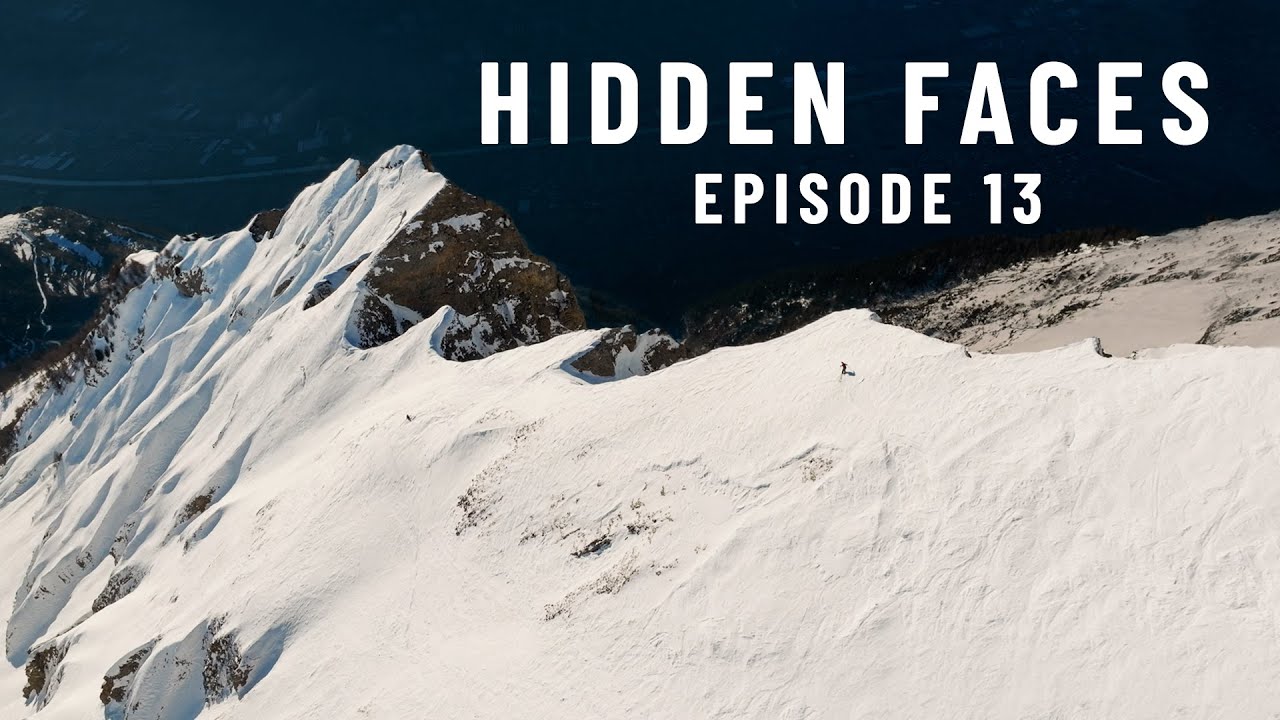
The upper mountain is considerably more exposed than the forested slopes below Jorasse. Wind can redistribute fresh snow across ridges and depressions, leaving one section stripped while another carries deeper loading. Flat light can also remove visual definition quickly because trees are sparse. These conditions make local knowledge valuable for freeride days even when the objective remains close to the pistes.
Ovronnaz therefore rewards timing rather than blind mileage. After fresh snowfall, riders need to know which high sectors are open and how avalanche control has affected access. During spring cycles, sun can soften exposed slopes rapidly while shaded snow remains firmer. The resort's vertical range from roughly 1400 to 2500 metres is large enough for significant surface differences during one day.
Touring Rules Are Strict Around The Groomed Pistes
The resort draws a clear boundary between piste skiing and touring. Uphill travel on the ski runs is prohibited during normal touring use, and access to the ski area outside operating hours is also restricted because avalanche-control work and grooming machines use winch cables that can extend for more than 1000 metres. Those cables can be extremely difficult to see in darkness and create a serious hazard.
Once outside the secured domain, normal backcountry preparation applies. Avalanche transceiver, shovel and probe should be treated as baseline equipment, but equipment does not replace route choice or snow assessment. The Euloi-Dent de Morcles sector in particular belongs to Alpine terrain rather than recreational piste skiing. Guides are available locally for ski touring and summit objectives, reflecting the fact that Ovronnaz sits inside a broader mountain environment rather than functioning only as a groomed resort.
For skiers seeking a more dedicated high-mountain touring base, Arolla pushes the same Valais logic much farther into glacier terrain. Ovronnaz is less technical at the resort level, making it useful as an intermediate step between ordinary piste skiing and bigger touring objectives.
Thirty Five Kilometres With More Mountain Behind Them
Ovronnaz remains a regional resort rather than an international freeski destination. Its measurable scale is modest: 35 kilometres of pistes, 19 runs, four chairlifts, two drag lifts and one rope tow. There is no major permanent international slopestyle venue and no World Cup-level freeski event. The freestyle connection instead comes through the annual rail-focused Jib Night and the local Tour Freestyle Romand scene.
The stronger argument lies in how quickly the mountain expands beyond those piste numbers. Jorasse gives access around 1940 metres, Tsantonnaire reaches 2500 metres, and dedicated lift-assisted touring tickets move skiers toward the Col de la Forcle before routes continue into Euloi and the Dent de Morcles sector. Ovronnaz therefore works best for skiers who want a compact Valais resort where red and black piste laps, a small freestyle culture and genuine touring terrain sit within the same mountain.