Pizol
Alps
Switzerland
Eastern Switzerland ski resort above Bad Ragaz and Wangs | Known for: 50 kilometres of pistes, Riderpark Pizol, lift access to 2250 metres, touring routes and Friday night skiing | Season: late November to early April | Best for: park progression, sporty piste laps, local powder days and ski touring
Pizolhütte At 2227 Metres Above The Rhine Valley
Pizol rises above Bad Ragaz and Wangs in the canton of St Gallen, with the ski area's upper lift network reaching roughly 2250 metres around Pizolhütte and Laufböden. The Pizol summit itself stands at 2844 metres but is not reached by the cableway system. Below it, the winter domain covers about 696 hectares and operates 12 lift installations: two gondolas, four chairlifts, five surface lifts and a children's area with conveyor belts. The resort currently lists 50 kilometres of pistes spread across 28 principal marked runs.
The geography is unusual because two separate valley entrances climb into the same mountain system. Bad Ragaz begins around 510 metres and rises through Pardiel toward Laufböden, while Wangs starts around 509 metres and reaches Furt, Gaffia and Pizolhütte. The highest lift-served terrain therefore sits more than 1700 vertical metres above the Wangs valley station. Skiers do not normally descend that entire elevation on one continuous piste, but the range creates meaningful differences in temperature, snow texture and weather between the Rhine Valley floor and the upper mountain.
Bad Ragaz And Wangs Meet Across A 50 Kilometre Domain
The two sides give Pizol distinct daily rhythms. From Bad Ragaz, the gondola climbs toward Pardiel at 1633 metres before higher lifts continue toward Laufböden. From Wangs, the gondola passes Maienberg and reaches Furt at approximately 1522 metres, where the central Wangs-side skiing begins. Chairlifts then connect Furt with Gaffia and the Pizolhütte sector around 2227 metres.
The piste map contains easier terrain for progression but also several sport-oriented routes, including a designated FIS piste and training slope. Pizol describes its skiing as particularly suited to ambitious recreational skiers, and the mountain layout supports that positioning. Long red runs, changing gradients and a large vertical difference between upper and lower stations make it possible to combine carving laps with more technical sections during the same day.
Snowmaking covers about 40 percent of the official piste network, with the resort concentrating artificial snow on main and connecting runs. That infrastructure becomes especially important at lower elevations, where the valley stations sit barely above 500 metres. The upper mountain preserves colder conditions more reliably, while lower pistes are more sensitive to warm periods and spring weather.
Twenty Obstacles Between Gaffia And Furt
Riderpark Pizol gives the resort a genuine freestyle identity. The park sits between Gaffia and Furt on the Wangs side and is operated by QParks, one of the established snowpark management companies in the Alps. The setup is divided into Easy, Medium and Advanced areas so riders can progress through increasingly technical obstacles without immediately entering the largest features.
The park typically contains around twenty obstacles maintained by the shape crew. The Easy area combines butter boxes, tubes, a mushroom jib and smaller kickers with table lengths around three to four metres. The Medium line adds larger jumps and a broader selection of boxes, tubes and jib elements, while the Advanced area shifts toward rails, tubes and more airtime. The configuration can change through winter as the crew rebuilds features and introduces new combinations.
This progression system makes Pizol more relevant to freeskiing than its regional profile might suggest. Riders can use smaller features for first rail and jump attempts, move onto the Medium line and then combine park sessions with full mountain skiing. The park is not on the scale of Laax, where freestyle drives the identity of an international resort, but Riderpark Pizol provides a substantial local training environment rather than a token collection of two or three modules.
Powder Days Extend Beyond The Riderpark
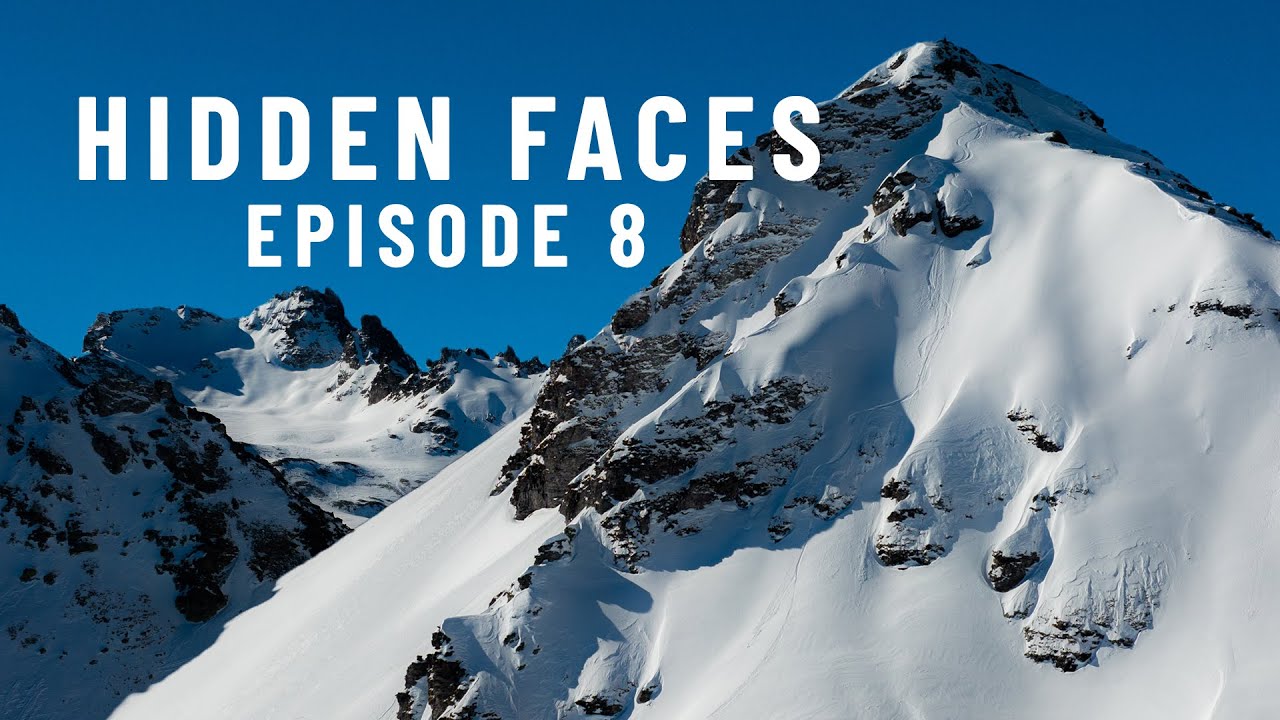
Pizol's freeski value is not limited to shaped terrain. Above Gaffia, Laufböden and Pizolhütte, the mountain opens into broad Alpine slopes below the Graue Hörner massif. The resort itself highlights powder skiing away from the Riderpark and marked pistes, and the elevation around 2200 metres gives the upper sectors enough relief for natural-snow skiing when storm cycles deliver good coverage.
Conditions vary strongly with aspect and wind. Open upper terrain can accumulate transported snow behind ridges while exposed surfaces become stripped or firm. Lower elevations provide more visual reference during poor weather, but snow can become heavier or thinner as the freezing level rises. The large altitude gap between Wangs or Bad Ragaz and the upper lifts means that a single snow report does not always describe the entire mountain accurately.
Leaving marked pistes also changes the safety framework. Resort proximity does not make open slopes avalanche-controlled terrain, and the Swiss avalanche bulletin remains the reference for regional hazard information. Beacon, shovel and probe belong to normal freeride preparation, while route choice and partner management remain more important than equipment alone. Pizol's relatively approachable lift network can make the transition into natural terrain appear simple, but the surrounding Graue Hörner mountains are genuine Alpine terrain.
Two Official Touring Routes Start Above 1500 Metres
Ski touring is unusually well integrated into the resort's winter programme. Pizol maintains two official touring routes starting from mountain stations above 1500 metres. The shorter night-touring route covers roughly 1.8 kilometres and gains 311 vertical metres, while the daytime route extends for about 3.3 kilometres with approximately 598 metres of ascent. These dedicated routes give touring skiers a structured alternative to climbing directly on normal downhill pistes.
Pardiel and Furt act as the principal access points. This allows newcomers to practise skinning technique, kick turns and pacing without immediately committing to a long backcountry objective. More experienced ski tourers can use the lift system as a gateway toward larger terrain around the Pizol massif when snow stability, navigation and experience support the plan.
The touring culture is also visible through Pizol Altiski, an organised ski-mountaineering event that uses several course options around Furt and Pizolhütte. The format reinforces the mountain's mixed identity: the same Wangs sector can serve park skiers, piste riders and touring athletes, with each group using the vertical differently.
Friday Nights Keep The Wangs Side Running Until 2230
The 2026-2027 winter schedule is planned to begin with early weekend operations on the Wangs side from November 20 when snow conditions permit. Daily skiing starts on November 27 with the Wangs gondola and selected upper lifts, while full daily operation across the mountain is scheduled from December 12. The published season continues until April 4 2027, subject to snow and weather.
Friday night skiing adds another freeski window. From December 18 2026 through March 26 2027, the Wangs side is scheduled to operate night skiing and night sledging from 18.00 to 22.30 when sufficient snow is available. The illuminated route runs from Furt toward the Maienberg middle station, creating an extended training session after the normal upper lifts have closed.
Night operation changes the mountain mechanically as well as visually. Temperatures often fall after sunset, surfaces can firm quickly and visibility becomes concentrated around the floodlit corridor. For park-oriented riders, night skiing is useful for additional mileage, although Riderpark status should always be checked separately rather than assuming every daytime freestyle feature remains available after dark.
Bad Ragaz Access Makes Pizol Easy To Combine With Eastern Switzerland
Pizol benefits from unusually low valley stations and strong transport links. Bad Ragaz sits on a major Swiss rail corridor in the Rhine Valley, while Wangs lies close to the A3 motorway near Sargans. That accessibility makes the resort practical for day trips from eastern Switzerland and for multi-resort itineraries rather than requiring a remote mountain approach.
The two-base structure also lets skiers choose a starting point according to their objective. Freestyle riders are naturally drawn toward Wangs because Riderpark sits between Furt and Gaffia. Skiers prioritising the eastern side and Pardiel terrain can start from Bad Ragaz. When all connecting lifts are operating, the mountain allows movement between these sectors without returning to the valley.
For a wider Swiss freestyle trip, Laax provides a much larger park ecosystem farther west in Graubünden, while Pizol works as a regional contrast: fewer lifts, less destination infrastructure and a significantly smaller competition profile, but enough park, piste and touring terrain to fill a varied ski day without specialising in only one discipline.
A Regional Resort With A Real Freeski Toolkit
Pizol sits in the middle ground between a small local hill and a major Swiss destination resort. Its measurable scale is substantial enough for repeated visits: 50 kilometres of pistes, 12 lifts, around 696 hectares of winter terrain and lift access to approximately 2250 metres. Riderpark Pizol adds around twenty freestyle obstacles across three progression levels, while official touring routes provide 311 and 598 metres of climbing for skiers using skins.
Its strongest freeski argument is versatility rather than international reputation. A rider can begin with morning piste laps, move into Riderpark when features soften, search for natural snow after a storm and use an official touring route on another day. Friday night skiing then extends the Wangs side into the evening. For winter 2026-2027, that combination is scheduled to run from late November until April 4, giving eastern Switzerland a resort where park, piste and touring culture all share the same mountain.