Iceland
iceland
Iceland
Arctic island ski destination shaped by volcanic mountains, fjords and coastal snow | Known for: Tröllaskagi summit-to-sea touring, Hlíðarfjall, Bláfjöll, Westfjords skiing and a long spring heli-ski season | Season: resort skiing mainly December to May, with northern touring and heli skiing extending later in spring | Best for: ski touring, coastal freeride, exploratory road trips and small-resort freestyle
Hlíðarfjall Climbs To 1014 Metres Above Eyjafjörður
Hlíðarfjall rises directly above Akureyri and Eyjafjörður in northern Iceland, with its highest chairlift reaching 1014 metres above sea level. The official ski area lists 26 marked pistes, roughly 455 metres of vertical and a longest descent exceeding 2.5 kilometres. Seven main ski lifts distribute riders across the mountain, while snowmaking and floodlighting help compensate for the unusual combination of maritime weather and very short daylight during the first half of winter.
Hlíðarfjall is the closest Iceland comes to a nationally recognised all-round ski resort. Fjarkinn serves the lower mountain, Strompur reaches the upper sector and Fjallkona extends access to the highest lift station. The slopes overlook Akureyri and the long Eyjafjörður fjord rather than an enclosed Alpine valley, so even conventional piste skiing carries a strong coastal character.
Freestyle is part of the mountain rather than an afterthought. The ski area maintains NorðurPark and lists dedicated jumping routes alongside its alpine pistes. Jumps, rails and boxes provide a progression environment for local skiers and snowboarders, while short lift cycles allow repeated sessions. Hlíðarfjall is not an international slopestyle stadium, but it gives Iceland a credible permanent park centre alongside its much stronger touring culture.
Bláfjöll Brings Rails And Night Skiing To Reykjavík
Bláfjöll sits roughly half an hour from Reykjavík and functions as the capital region's principal lift-served ski area. The mountain is divided between Kóngsgilið and the southern sector, with two modern four-seat chairs forming the main alpine infrastructure. The Kóngur chair gains approximately 223 vertical metres over 762 metres, while another major chair serves the neighbouring terrain. Numerous drag lifts, beginner lifts and carpets fill out the network.
Bláfjöll also maintains dedicated freestyle infrastructure. A specific snowboard lift serves the Mohawk park area, while the current resort map includes Púkinn Park among the available features. The small vertical makes Bláfjöll better suited to rapid repetition than long freeride descents. Riders can accumulate rail, jump and side-hit attempts without spending much of the session travelling back to the start.
Artificial light is essential to the operating model. Weekday winter sessions can continue until 21.00 when weather and snow allow, turning the resort into an after-work training hill for the Reykjavík population. That rhythm is particularly useful in December, when natural daylight in Iceland is extremely limited. Instead of waiting for long spring days, local riders use floodlit slopes through the darkest part of winter.
Tröllaskagi Drops From Arctic Summits Toward The Ocean
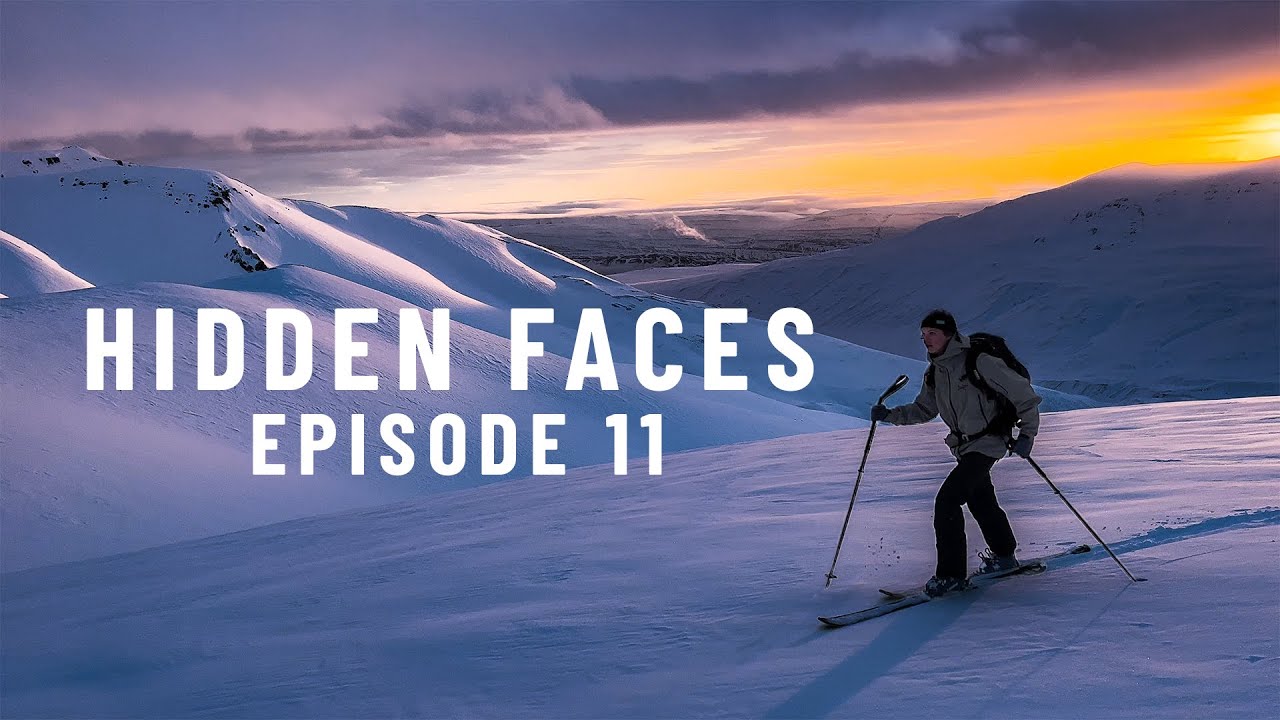
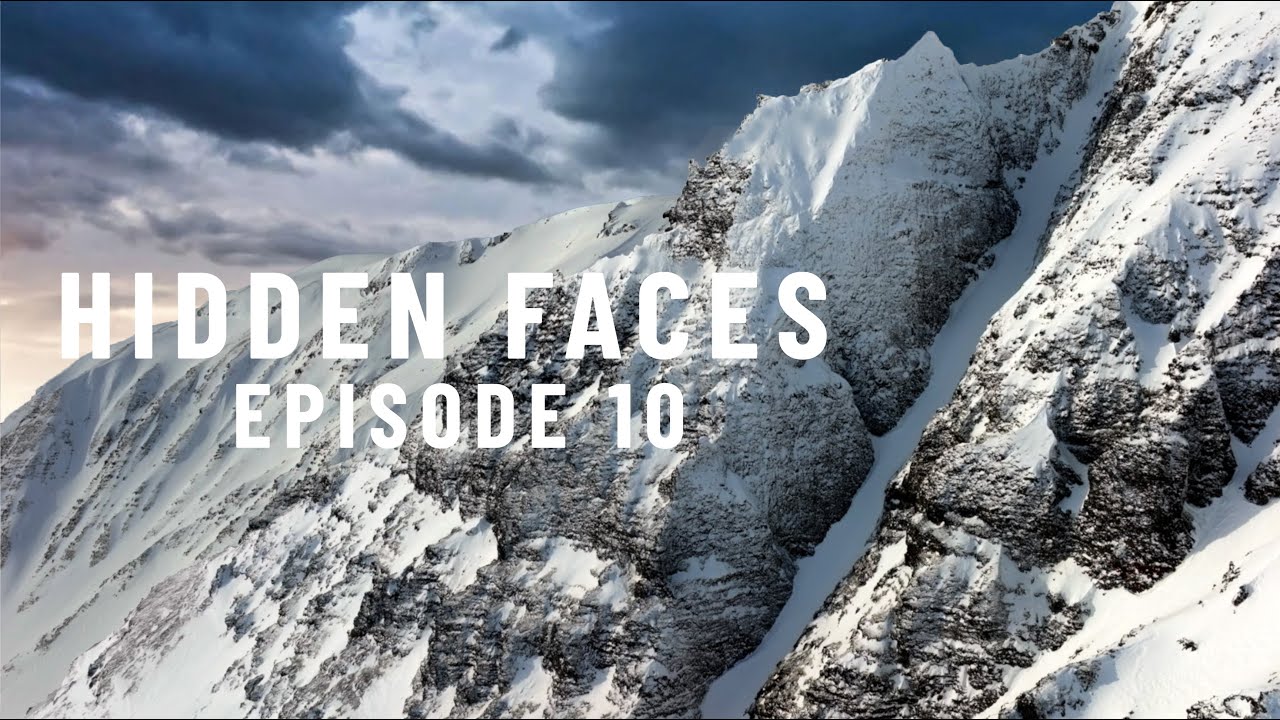
The Tröllaskagi peninsula between Skagafjörður and Eyjafjörður is where Iceland's skiing changes scale. Mountains rise sharply from fjords around Dalvík, Ólafsfjörður and Siglufjörður, producing a landscape where touring routes can begin close to sea level and climb directly toward broad bowls, ridges and couloirs. There is little of the dense lift infrastructure found in the Alps. Skins, guides, snowmobiles or helicopters provide access to much of the serious terrain.
North Iceland tourism describes summit-to-sea skiing as one of the region's defining experiences. The commercial heli-ski terrain operated on Tröllaskagi covers roughly 4000 square kilometres and includes potential descents approaching 1500 vertical metres. The season typically changes character from colder powder conditions around late February into increasingly long spring days, with corn-snow skiing possible well into May and June depending on snow and weather.
This late season produces one of Iceland's most unusual freeski combinations. Mountains remain skiable while daylight approaches twenty-four hours around early summer. A spring touring day can therefore be organised around snow transformation rather than darkness, with colder morning surfaces followed by softened solar aspects later in the day. Fjords and the Arctic Ocean remain visible through much of the descent, giving the peninsula a visual identity very different from inland Alpine skiing.
Siglufjörður Dalvík And Small Lifts Feed The Touring Culture
Tröllaskagi is not entirely lift-free. Small resorts around Siglufjörður, Dalvík and neighbouring communities provide local alpine skiing and training. North Iceland currently promotes seven floodlit ski areas across the region, generally operating within a winter window that can stretch from November or December into May when conditions cooperate. These hills give local riders a place to build technique before taking the same skills into much larger unmanaged terrain.
Skarðsdalur above Siglufjörður uses several small lifts and sits directly below mountains that continue far beyond the piste boundary. Dalvík follows a similar pattern: the town is small, the local ski infrastructure is modest, but the surrounding mountains are disproportionately important to ski touring and heli-ski operations. The relationship between resort and backcountry is therefore reversed compared with large Alpine destinations. The lifts are the training grounds; the surrounding fjords are the main mountain resource.
For freeskiers travelling across Iceland, this makes northern road trips more productive than measuring destinations by piste kilometres. Akureyri provides the strongest resort base, while Dalvík and Siglufjörður place riders closer to touring terrain. Weather can determine which zone works on a particular day, so mobility between fjords is often more valuable than committing to one lift pass for an entire week.
Ísafjörður Combines Three Lifts With Westfjords Backcountry
Ísafjörður provides the main alpine ski centre of the Westfjords. Tungudalur lies within minutes of the town and operates three lifts serving groomed downhill terrain, while neighbouring Seljalandsdalur is focused on cross-country skiing. The official tourism calendar gives the alpine area's normal opening period as December 1 to May 1, and floodlighting allows skiing to continue through dark winter evenings.
The downhill terrain is small, but the infrastructure is more technical than the lift count suggests. Tungudalur includes competition-standard slalom and giant-slalom pistes alongside general recreational slopes. The surrounding Westfjords then extend directly into much larger backcountry. Steep-sided fjords, broad plateaus and coastal mountains create opportunities for touring well outside the controlled ski area.
Farther north, Jökulfirðir and Hornstrandir have developed a distinct ski-and-sail culture. Boats allow touring groups to move between remote fjords where roads and lifts do not exist, then climb and ski mountains directly above the coast. This is expedition-style freeskiing rather than resort tourism: weather, sea conditions, avalanche hazard and route selection determine the itinerary more than opening hours.
Oddsskarð And Stafdalur Keep The Eastfjords Skiing
East Iceland adds another cluster of small ski areas. Oddsskarð, between Eskifjörður and Norðfjörður, currently operates two surface lifts plus a beginner lift. The area is also promoted for snowboard use, giving the Eastfjords a compact freestyle and recreational base among mountains that rise immediately above narrow coastal settlements.
Stafdalur lies between Seyðisfjörður and Egilsstaðir and operates three lifts. Its lower lift is approximately 900 metres long with 190 metres of vertical gain, while the upper lift adds another 160 metres over roughly 700 metres. A short beginner rope completes the network. Those figures are small by international standards, but together they produce more than 300 metres of staged vertical inside another highly exposed coastal mountain environment.
The Eastfjords matter even more once riders leave the pistes. Their steep bowls and valleys receive snow directly from maritime weather systems, while wind can move that snow rapidly between aspects. A short local lift session and a full touring mission therefore demand very different decision-making even if they begin in the same village.
Wind Is As Important As Snowfall In Iceland
Icelandic snow should not be understood only through accumulation totals. Strong wind is one of the country's defining mountain variables, transporting snow across treeless terrain and building slabs behind ridges, inside bowls and around sharp changes in slope angle. Coastal temperatures can also fluctuate around freezing, creating rain crusts, refrozen surfaces and rapid transitions between winter powder and spring snow.
The Icelandic Meteorological Office issues regional avalanche bulletins for the northern Westfjords, part of Tröllaskagi and the Eastfjords. These are precisely some of the country's most important touring regions. The service follows the five-level European avalanche danger scale and explicitly warns that regional forecasts do not replace individual terrain assessment. Beacon, shovel and probe are standard rescue equipment for steep backcountry skiing, but route selection remains the primary risk-management tool.
The lack of dense tree cover increases exposure to both weather and navigation problems. In flat light, broad snow-covered mountainsides can lose almost all visible definition. Wind can erase tracks quickly, and a route that appeared obvious during the ascent may become difficult to recognise during descent. Iceland's relatively modest summit elevations therefore should not be confused with low-consequence mountain terrain.
Three Hours Of December Light Become Midnight Sun
The ski season changes more dramatically through daylight than in most established destinations. North Iceland receives only a few hours of natural light around December, which explains the importance of floodlit resorts such as Hlíðarfjall and the smaller northern hills. By February and March the daylight window grows rapidly, and spring touring gains enough usable hours for much longer mountain objectives.
By late April and May, northern Iceland can deliver long touring days under evening light while high mountain snow remains skiable. Heli-ski operations on Tröllaskagi can continue toward the end of June in suitable seasons, using spring corn rather than relying on midwinter powder. This creates two very different Iceland ski trips: a dark-winter resort trip built around lights and local hills, or a spring mission focused on touring, coastal descents and long Arctic days.
Iceland's freeski strength lies in that second model. Hlíðarfjall and Bláfjöll provide real resort infrastructure and permanent freestyle possibilities, while Ísafjörður, Oddsskarð and Stafdalur add regional ski culture. The terrain that gives the country its wider reputation begins beyond those lifts. Tröllaskagi, Hornstrandir and the Eastfjords turn an island of small ski areas into a much larger backcountry destination where fjords, wind, ocean-level starts and late spring daylight define the skiing.