Pragelato
Alps
Italy
Italian mountain resort in the upper Val Chisone at 1580 metres | Known for: Pattemouche access to Via Lattea, Torino 2006 Nordic heritage and Val Troncea winter terrain | Best for: quiet Alpine skiing, Nordic skiing and ski touring combined with the larger Sestriere domain
Pragelato At 1580 Metres In The Upper Val Chisone
Pragelato sits at 1580 metres in the upper Val Chisone, west of Turin and immediately below the higher ski terrain surrounding Sestriere. Rather than forming one dense resort centre, the municipality is divided into a series of Alpine hamlets spread along the valley. Its modern winter identity combines three different elements: access to the international Via Lattea domain, an important Nordic skiing infrastructure inherited from the Torino 2006 Winter Olympics, and the largely undeveloped mountain environment of Val Troncea.
The village occupies a colder valley floor than nearby Sestriere, a characteristic reflected in the Piedmontese name Pragelà, meaning frozen meadow. Forested slopes rise sharply on both sides while higher terrain reaches well beyond 2500 metres. The resort therefore works less like an isolated downhill ski station and more like a low-valley gateway: skiers can move upward toward the Via Lattea lifts or away from them into Nordic and touring terrain.
Pattemouche Climbs 500 Metres Toward Sestriere
The Pattemouche-Anfiteatro cableway is the key lift for alpine skiing from Pragelato. Built for the Torino 2006 period, it links the Pattemouche sector at about 1601 metres with Anfiteatro at roughly 2101 metres, gaining 500 vertical metres. Its original authorised transport capacity was 603 passengers per hour. From Anfiteatro, skiers enter the Sestriere side of the Via Lattea network rather than remaining on an isolated Pragelato hill.
Vialattea currently presents Pragelato as one of its Italian resort bases alongside Sestriere, Sauze d Oulx, Sansicario, Cesana, Claviere and Oulx. The wider international network also continues into Montgenevre in France. This connection changes the scale available to a skier staying in Pragelato: the village itself remains quiet and geographically dispersed, but the Pattemouche lift provides a route into hundreds of kilometres of interconnected Via Lattea skiing when links are open.
Torino 2006 Turned Plan And Rivets Into Olympic Venues
Pragelato played a direct role in the Torino 2006 Winter Olympics. Cross-country skiing was held at Pragelato Plan, while ski jumping took place in the Rivets sector. Nordic combined used both competition sites. The Olympic programme therefore involved the valley itself rather than simply attaching the Pragelato name to events held in neighbouring Sestriere.
The Nordic legacy remains one of the destination's strongest winter assets. The Centro Olimpico del Fondo now maintains more than 30 kilometres of cross-country trails. The network follows the Val Chisone toward Pattemouche and Val Troncea, using terrain developed around the Olympic venue. For freeski-oriented visitors, this history does not create a modern slopestyle destination, but it explains the unusually strong winter-sports infrastructure around a relatively small Alpine community.
Freestyle Is Secondary To The Via Lattea Mountain
Pragelato does not currently have a documented major snowpark that defines the resort. There is no large local halfpipe, World Cup slopestyle line or permanent high-level park programme comparable with specialist freestyle destinations. Riders looking for shaped features therefore depend more on the wider Via Lattea system than on Pragelato itself. The village is better understood as an access base for all-mountain skiing rather than as a dedicated freestyle training centre.
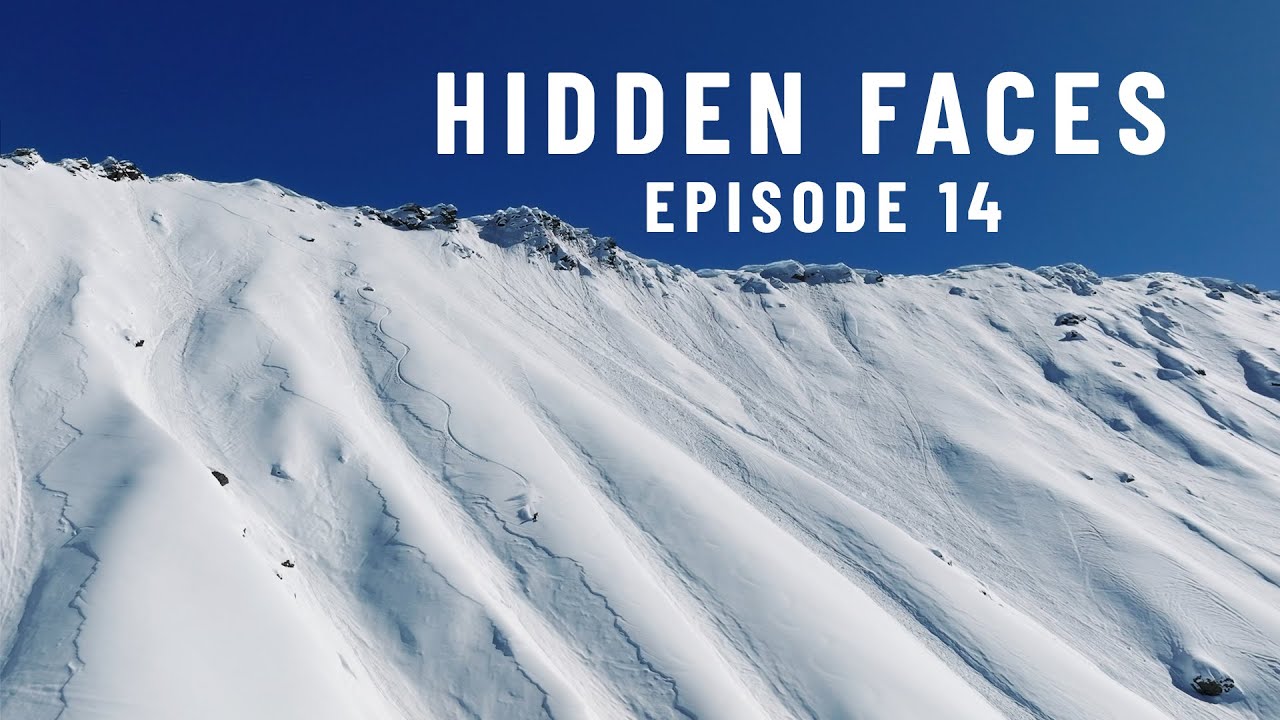
Natural terrain is more relevant. The slopes around the upper Val Chisone combine larch forest, open Alpine faces and long elevation differences toward Sestriere. Fresh snow can make the region attractive for freeride, but returning toward Pragelato outside marked connections can involve complex terrain. Lift proximity does not turn these descents into controlled ski runs, so avalanche conditions, route finding and a safe exit must be considered independently from the piste network.
Val Troncea Extends Beyond The Lift Map
The Val Troncea Natural Park lies almost entirely within Pragelato municipality and protects 3280 hectares. Around 89 percent of the municipal territory falls inside the protected landscape. Mountain ridges surrounding the valley rise above 3000 metres, with Rognosa del Sestriere reaching 3280 metres at the highest point of the Val Chisone watershed.
Winter access into Val Troncea is based on low-impact travel. Rifugio Troncea can be reached on cross-country skis, touring skis or by a marked snowshoe route. From the valley, higher objectives continue toward Colle del Beth, Monte Ghinivert, Monte Barifreddo and other summits. These routes provide a completely different experience from a Via Lattea piste day: once outside controlled terrain, skiers need independent avalanche assessment, navigation skills and appropriate rescue equipment.
Protected-area rules also matter. Specific high-value wildlife zones inside Val Troncea restrict ski mountaineering and off-piste skiing, including terrain between the Banchetta park boundary and the Cresta della Grande. Pragelato's backcountry therefore cannot be treated as unrestricted open terrain simply because large areas appear undeveloped.
Cold Valley Snow And Exposed Higher Connections
Pragelato's elevation and enclosed valley position can preserve cold temperatures around the village, while conditions higher toward Anfiteatro and Sestriere become more exposed to wind. That contrast affects both snow quality and lift reliability. Forested lower terrain offers definition during snowfall, whereas upper Via Lattea connections may be more sensitive to strong winds and reduced visibility.
The scheduled Via Lattea 2026-2027 winter season runs from December 5 2026 to April 11 2027, although individual lifts and links remain dependent on snow, weather and operational decisions. Riders based in Pragelato should therefore check the Pattemouche connection each morning before planning a full Via Lattea circuit. If the cableway or higher links are unavailable, the Nordic network and local winter routes remain separate alternatives rather than substitutes for the interconnected alpine domain.
An Olympic Village With A Larger Mountain Behind It
Pragelato is most useful for skiers who value location more than concentrated resort infrastructure. At 1580 metres, it provides direct historical ties to the 2006 Olympics, more than 30 kilometres of Nordic skiing and cableway access toward the Sestriere sector. Beyond the developed winter facilities, Val Troncea creates a large protected environment for touring and winter travel.
Its freeski profile is therefore mixed rather than specialised. Pragelato does not compete with major park resorts on shaped freestyle infrastructure, but it combines quiet valley accommodation, Via Lattea access and genuine mountain terrain within a compact part of the Piedmont Alps. The defining lift remains Pattemouche-Anfiteatro: a 500-metre climb from the Val Chisone that transforms a small Olympic village into an entry point for one of the largest ski networks on the French-Italian border.