Dents du Midi
Alps
Switzerland
Region Dents du Midi is a multi-resort Swiss destination in the Val d'Illiez | Known for: more than 100 kilometres of pistes, Les Crosets freestyle terrain, Chavanette Swiss Wall, Morgins touring routes and direct Portes du Soleil connections | Best for: park skiing, lift-accessed freeride, ski touring and cross-border days between Switzerland and France
Croix De Culet Above The Val D Illiez
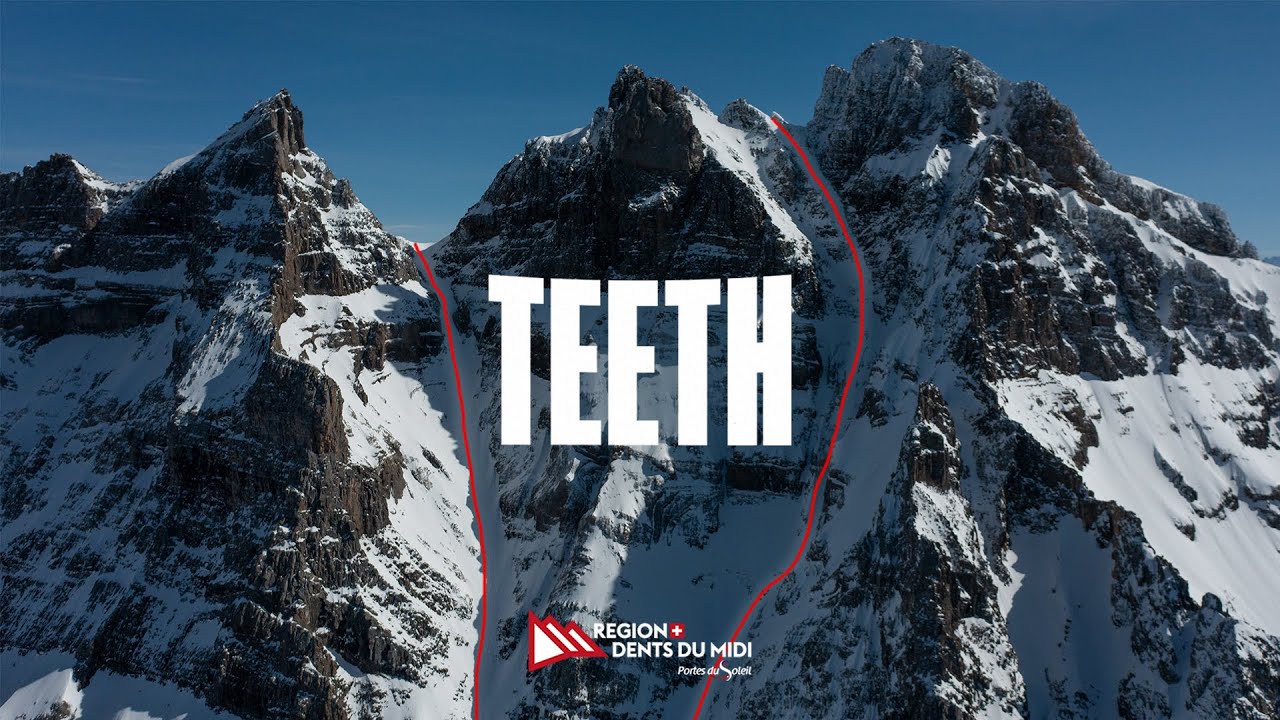
The Champéry cable car climbs almost 900 vertical metres from the Val d'Illiez to Croix de Culet at 1962 metres in about five minutes, placing skiers directly inside the Swiss side of the Portes du Soleil. Around it, the Region Dents du Midi destination follows the valley beneath the Dents du Midi and Dents Blanches massifs, whose highest summits exceed 3000 metres. Six villages form the tourism region: Champéry, Les Crosets, Champoussin, Morgins, Troistorrents and Val-d'Illiez.
The core lift-served ski area is more concentrated. Champéry, Les Crosets, Champoussin and Morgins provide more than 100 kilometres of pistes and roughly three dozen lifts, with connections continuing directly into the wider Franco-Swiss Portes du Soleil. The geography produces four different starting points rather than one central resort plaza. Champéry rises rapidly from the valley floor, Les Crosets sits directly on the snow at around 1700 metres, Champoussin spreads across sunny slopes facing the Dents du Midi, and Morgins occupies the western end of the Swiss network close to the French border.
Les Crosets At The Junction Of Park And Cross Border Skiing
Les Crosets is the main high-altitude junction on the Swiss side. The village sits directly beneath the lift network and provides rapid access toward Mossettes, Grand Conche, Chavanette and the routes leading back toward Champéry. Skiers can also continue toward France and Avoriaz, making Les Crosets useful for riders who want to combine Swiss park laps with the larger freestyle infrastructure on the French side during the same trip.
The sector is also unusually efficient for repetition. The Crosets chair serves the central piste and freestyle area, while the surrounding lifts disperse traffic toward larger mountain itineraries. A skier can therefore spend part of the morning working through park features before leaving the same sector for longer descents or cross-border terrain. That relationship between a compact freestyle zone and a huge linked domain is one of the defining characteristics of the region.
Snowpark Des Crosets From Shovels To Two Park Sectors
Freestyle at Les Crosets has a documented history extending back to the 1990s. The local snowpark team dates its dedicated shaping work to 1998, when early features were still being built with simple tools. The current Snowpark des Crosets is reached within minutes from the Champéry cable car or Crosets 8 chairlift and is divided into two principal sectors, including terrain reserved for experienced riders. Rails, jumps and smaller progression features allow the park to serve more than one ability level.
The park also functions as a competition and development venue. On February 14 2026, Les Crosets hosted a stop of the Tour Freestyle Romand, one of the principal amateur freeski and freestyle snowboard circuits in French-speaking Switzerland. The event used park features adapted to different rider categories rather than a single elite line. That development role matters for the regional scene: Les Crosets is not only a place where visiting riders can lap rails but a site where younger Swiss skiers move from recreational park skiing toward organised competition.
Champoussin extends the progression map through the Rivella Fun Zone. Its boardercross and speed-check features use terrain differently from a conventional rail line, adding banked turns and speed control to the freestyle mix. The result is not one giant slopestyle complex but several distinct training environments spread around the Swiss domain.
Chavanette Drops 331 Metres Into Switzerland
Chavanette provides the opposite side of the freeski spectrum. The route commonly called the Swiss Wall drops roughly 331 vertical metres over about one kilometre between the Avoriaz side and Les Crosets. Its upper pitch approaches 40 degrees, and the slope is too steep for conventional grooming. Repeated skier traffic can form moguls approaching two metres in height near the top, turning what looks like a straightforward connection on the piste map into a serious technical descent.
The route is significant because it is both terrain and infrastructure. Chavanette forms part of the physical link between France and Switzerland, so an advanced skier can leave Avoriaz and descend directly into the Region Dents du Midi. The difficulty comes from gradient, bumps, surface hardness and congestion rather than isolated cliff exposure. Speed control is essential, particularly when skiers of very different abilities enter the same narrow upper section.
Beyond Chavanette, natural snow exists between marked pistes around the high sectors of Les Crosets and Champéry. These lines should not be confused with secured pistes simply because they begin beside a lift. Wind loading, visibility and avalanche conditions change rapidly across the Chablais terrain, and closed sectors or boundary signs need to be treated as operational limits rather than optional guidance.
Didier Defago Terrain From Pointe De L Au To Morgins
Morgins gives the western side of the region a different mountain character. Pointe de l'Au connects the Morgins and Champoussin sectors above wooded slopes, while the Didier Défago piste descends for about two kilometres toward Morgins through a valley that was previously used primarily as off-piste terrain. The piste carries the name of Morgins-born Didier Défago, Olympic downhill champion at Vancouver 2010, linking the local ski area directly with one of Switzerland's major alpine racing careers.
The lower terrain around Morgins offers more shelter than the exposed crossings around Chavanette or Mossettes. Forested skiing becomes particularly useful during storms and flat-light periods when higher sectors are difficult to read. The area also creates a natural transition between conventional lift skiing and ski touring. Riders can spend a morning using the lift network before switching to skins on marked uphill routes without leaving the same valley base.
Champoussin sits between Morgins and Les Crosets with direct views across to the Dents du Midi. Its terrain is less park-focused than Les Crosets but works as an important connector and quieter ski base. The combination of Pointe de l'Au, Bochasses, Aiguille des Champeys and the surrounding pistes gives the western half of the Swiss area enough variation to function independently when riders do not want to cross the entire Portes du Soleil network.
Morgins Built The First Valais Touring Park In 2016
Morgins opened the first dedicated Rando-Parc in Valais in 2016. The network was developed with ski mountaineer Yannick Ecoeur and now provides several marked uphill itineraries of different difficulty levels. Individual routes range from short introductory climbs to outings lasting more than two hours, with around 600 metres of vertical gain common across the network. The objective is structured ski-touring progression rather than simply allowing uphill traffic on normal downhill pistes.
The system includes instructional terrain where beginners can practise skin transitions, kick turns and avalanche-search basics. That training role connects directly with the region's broader mountain environment. Champéry also maintains an Avalanche Training Center, while the destination advises touring skiers to carry a transceiver, shovel and probe and to consult current avalanche information before leaving controlled terrain.
Ski mountaineering is not only recreational here. Region Dents du Midi hosted the 2025 ISMF World Championships, with courses using Morgins and Champoussin and the team race finishing in Morgins. That event placed the valley on an international competitive stage quite different from Les Crosets freestyle contests, demonstrating how one relatively compact region supports park skiing, alpine racing heritage and technical uphill competition.
Thirty Seven Lift Links Into A 600 Kilometre Domain
The Swiss sector is operated as part of the larger Portes du Soleil system, and current regional information lists 37 lifts across Champéry, Les Crosets, Morgins and Champoussin. The full international pass extends beyond the Swiss network into roughly 600 kilometres of skiing across France and Switzerland. Direct links toward Avoriaz and Châtel mean the Region Dents du Midi is not a satellite area that requires buses every time a rider wants to change country.
That scale rewards route planning. A freestyle skier based at Les Crosets can begin in the local snowpark and then cross into Avoriaz. A freeride-oriented group can instead use high connections to follow better snow or visibility across sectors. Riders staying in Morgins can move toward Champoussin and Les Crosets or cross toward the French side through the western links. The useful objective is rarely maximum distance. Lift status, wind, snow quality and the final return connection matter more than collecting resort names.
Exposed lifts such as Mossettes or other ridge connections can close in poor weather while sheltered local sectors remain operational. That can break a planned international circuit. Checking live openings before moving deep into another valley is therefore part of skiing the domain efficiently, particularly in the afternoon when missing a final lift may require a road transfer back to the original village.
Aigle Train To Champéry And Four Different Ski Bases
Rail access gives the region a practical advantage over many large Alpine networks. Swiss Federal Railways services connect Geneva, Lausanne and other major routes with Aigle. From there, the AOMC regional line runs through Monthey, Troistorrents and Val-d'Illiez before terminating at Champéry beside the cable car. A skier arriving by train can therefore step from public transport almost directly into the lift system without a final mountain drive.
Les Crosets and Champoussin are reached through bus connections from the valley, while Morgins is linked from Troistorrents. Choosing the right base depends on the objective. Champéry combines railway access and rapid vertical gain through the cable car. Les Crosets puts freestyle skiers directly beside the park and major Portes du Soleil connections. Morgins works particularly well for touring and western-sector skiing, while Champoussin offers quick access between the Morgins and Les Crosets sides.
This distributed structure also reduces the need to force every ski day through the same sector. Weather over Croix de Culet can differ from conditions around Foilleuse or Pointe de l'Au, and a regional trip works better when the starting village follows the day's objective. The train and valley transport network make that strategy possible without treating every change of base as a full relocation.
Park Laps Touring Tracks And The Dents Du Midi Skyline
Region Dents du Midi occupies a specific place inside the Portes du Soleil. It is not simply the Swiss label attached to a larger French domain. Les Crosets has decades of freestyle park history, Chavanette supplies a direct technical descent between the two countries, Morgins has structured ski-touring infrastructure, and the Champéry cable car provides nearly 900 metres of vertical gain in one five-minute lift ride. These elements produce several distinct ways to use the same destination.
For freeskiers, the strongest itinerary depends on discipline. Park riders can centre a trip on Les Crosets and use the international links to expand toward Avoriaz. Freeriders can work around high natural-snow sectors when conditions permit, while touring skiers have the Rando-Parc and surrounding Val d'Illiez terrain as a progression path beyond lift laps. The numbers provide the scale: more than 100 kilometres of local pistes, four principal lift-served resort sectors and access to the wider 600-kilometre Portes du Soleil system beneath the Dents du Midi skyline.