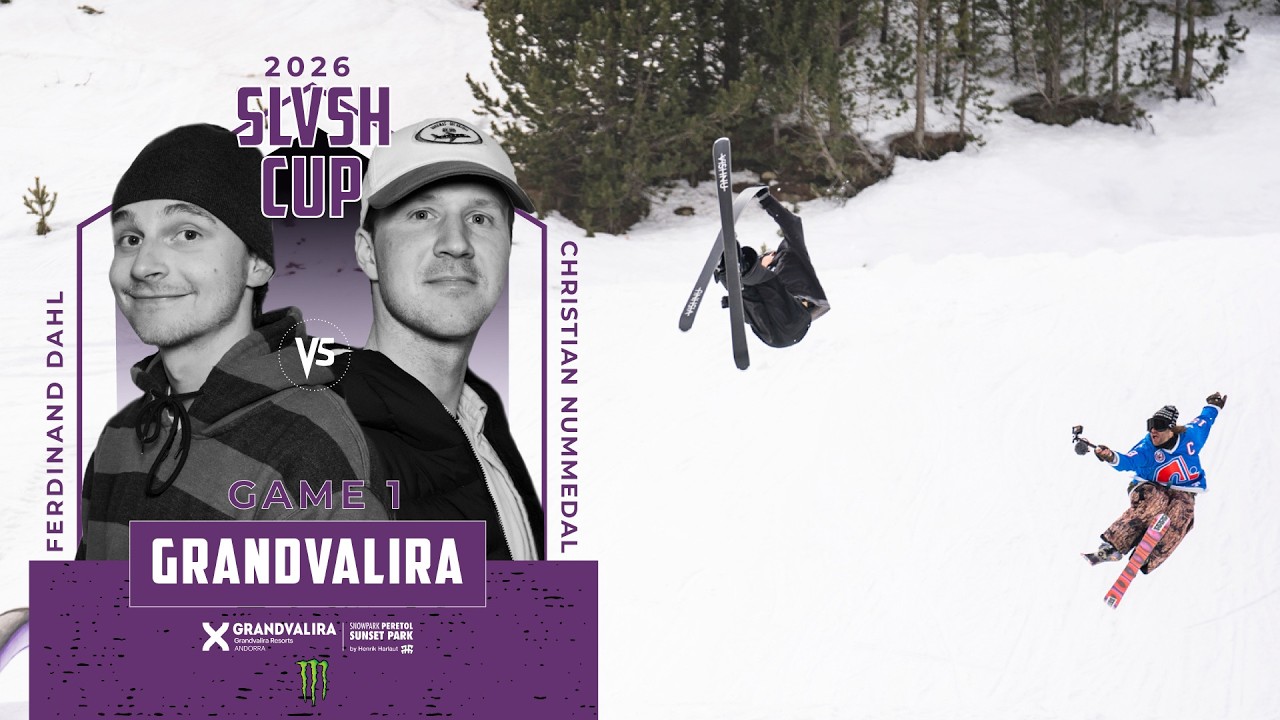
SLVSH CUP GRANDVALIRA 2026
📅 10/03/2026
📍 Sunset Park Henrik Harlaut
SLVSH Cup Grandvalira 2026 was a head-to-head freeski battle event held at Sunset Park Peretol in Andorra from March 2 to 9 2026 | Disciplines: trick calling, rail lines, park features and matchplay freeskiing | Notable finalists: Elias Syrjä, Konnor Ralph, Jennie-Lee Burmansson, Naomi Urness | Format: men’s bracket, first eight-woman SLVSH Cup bracket, third-place battles and finals day
Peretol Hosted Two Brackets Under One SLVSH Week
SLVSH Cup Grandvalira 2026 ran from March 2 to 9 2026 at Sunset Park Henrik Harlaut in the Peretol sector of Grandvalira, Andorra. The event used the same core SLVSH logic that made the format readable: one skier calls a trick, the opponent must match it, and missed matches become letters. The 2026 edition mattered because it paired a men’s tournament with a women’s bracket that SLVSH presented as the first eight-woman SLVSH Cup. That gave the week a larger competitive shape than a single one-off battle.
March 9 Was Built As Finals Day
Grandvalira’s official programme placed the arrival day on March 2, warm-up on March 3, men’s first-round games on March 4 and 5, women’s first-round games on March 6, second-round men’s matches on March 7, men’s semifinals plus women’s semifinals on March 8, and finals day on March 9. That schedule created a tournament rhythm rather than a normal park jam. Riders had to survive one matchup at a time, then return to the same Peretol features with new calls, new opponents and more pressure. The event became a week-long release structure as much as a live contest.
Elias Syrjä And Konnor Ralph Reached The Men’s Final
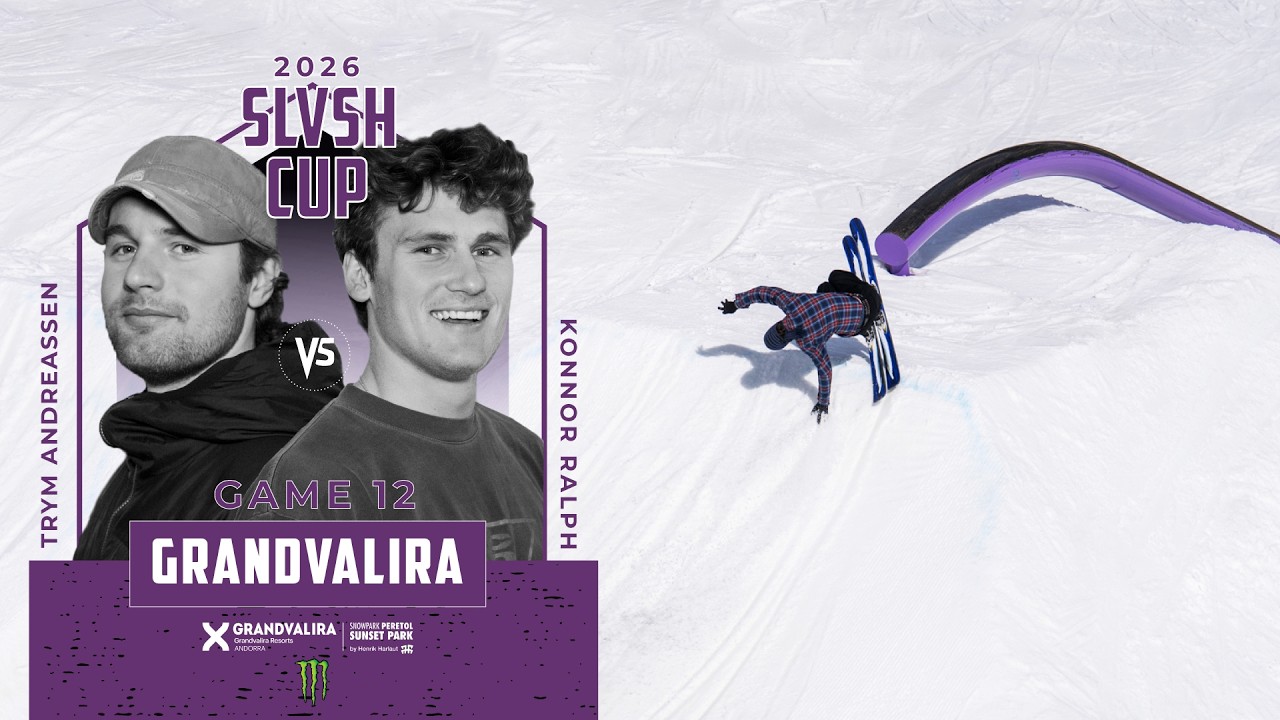
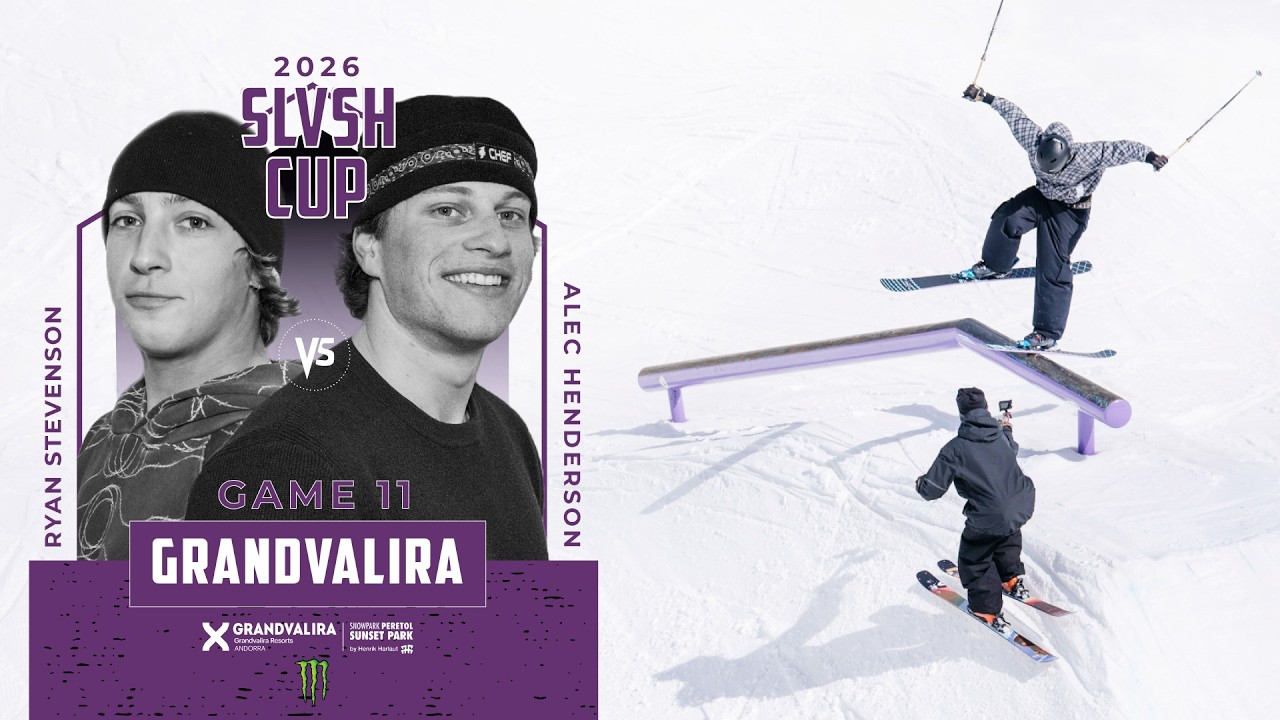
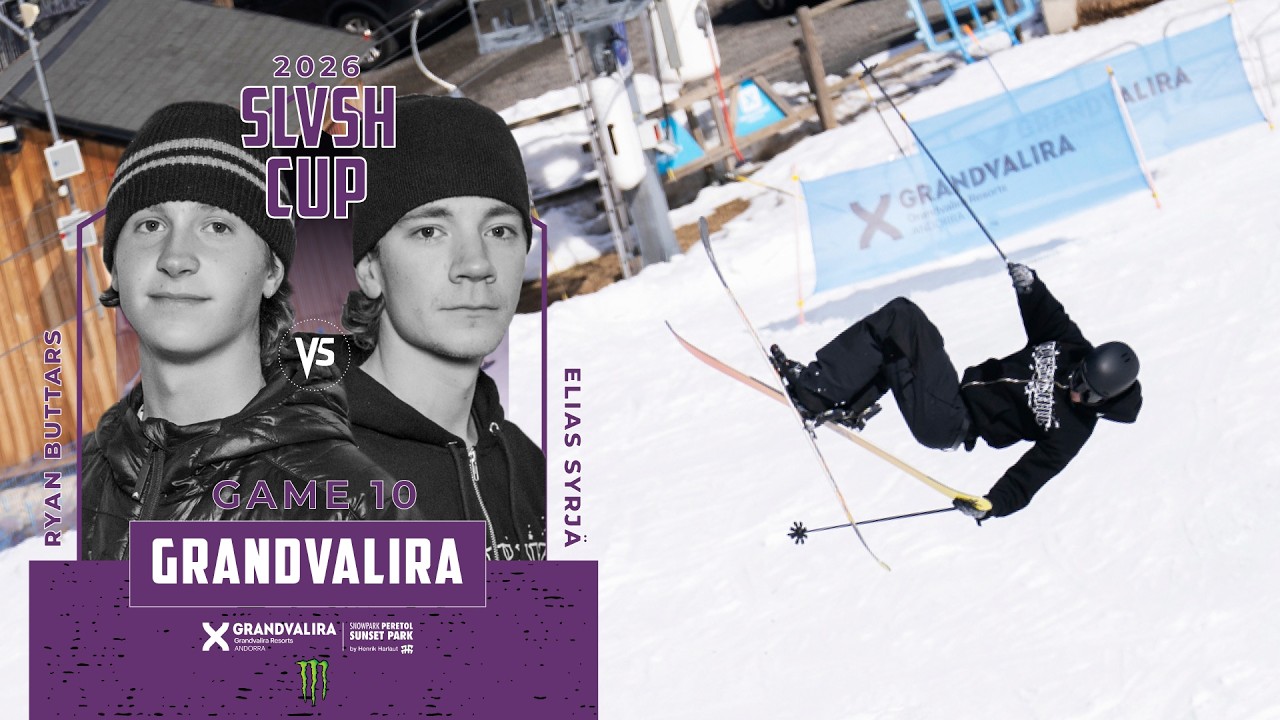
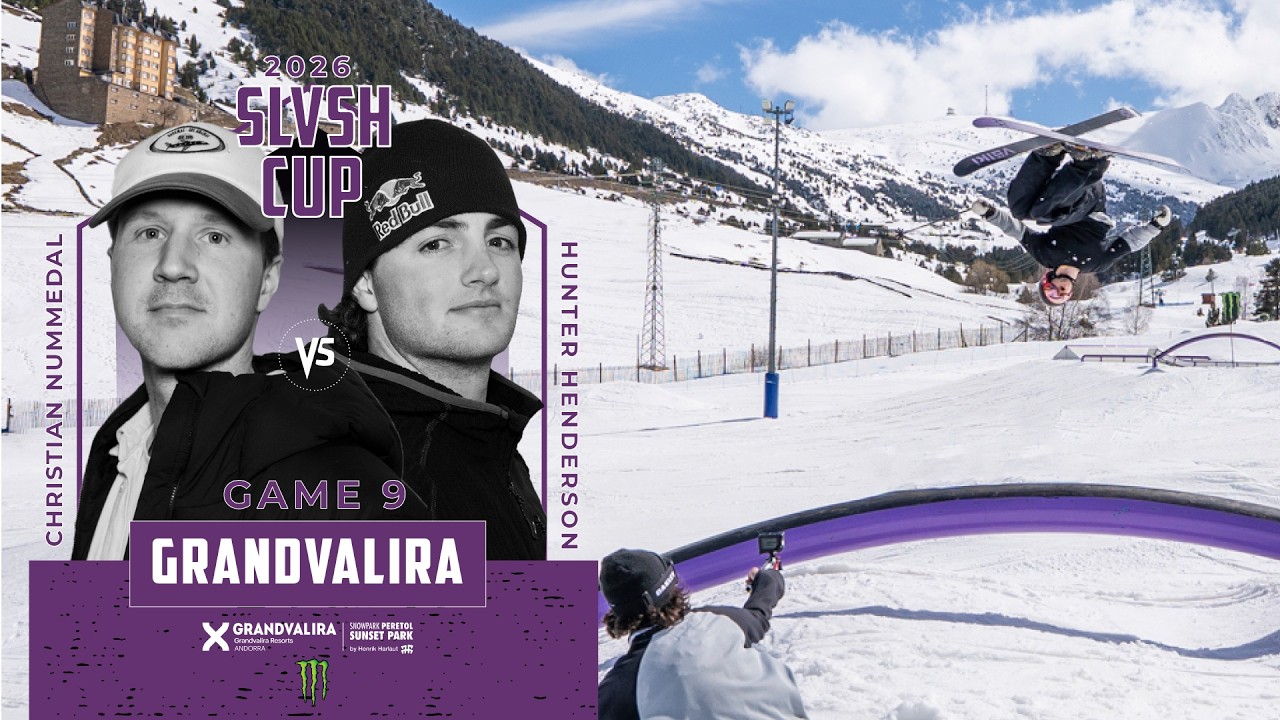
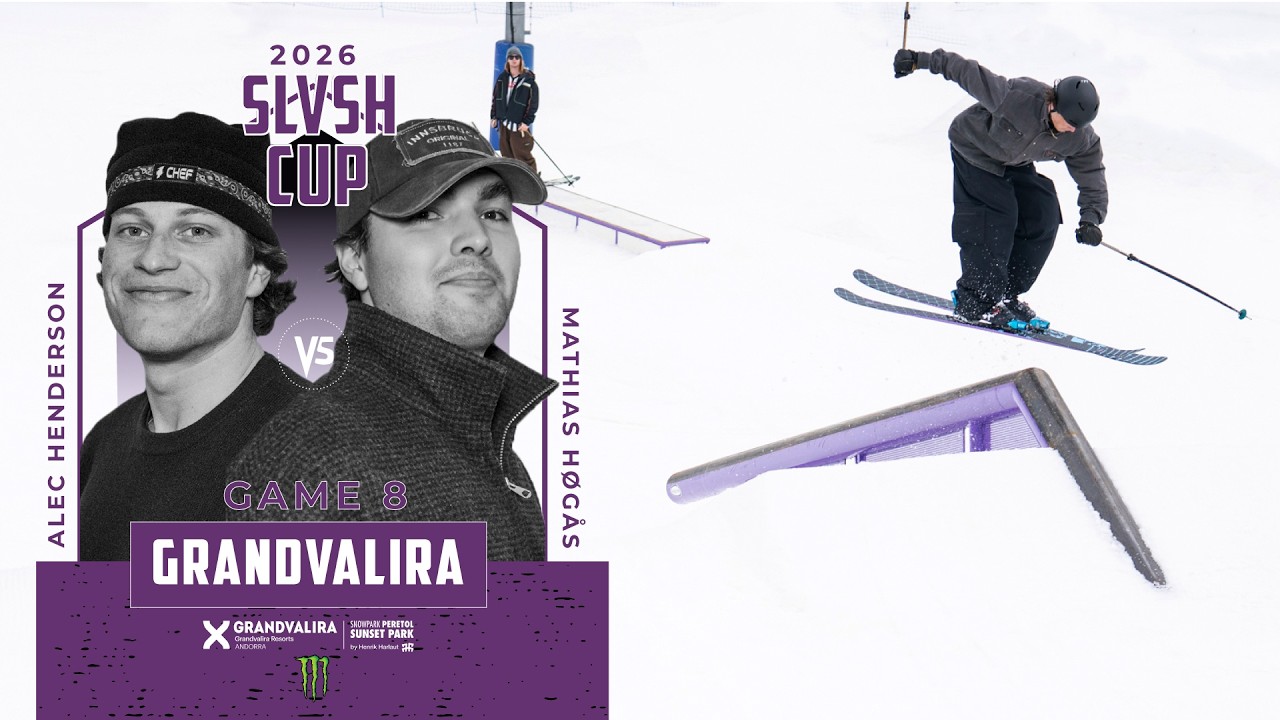
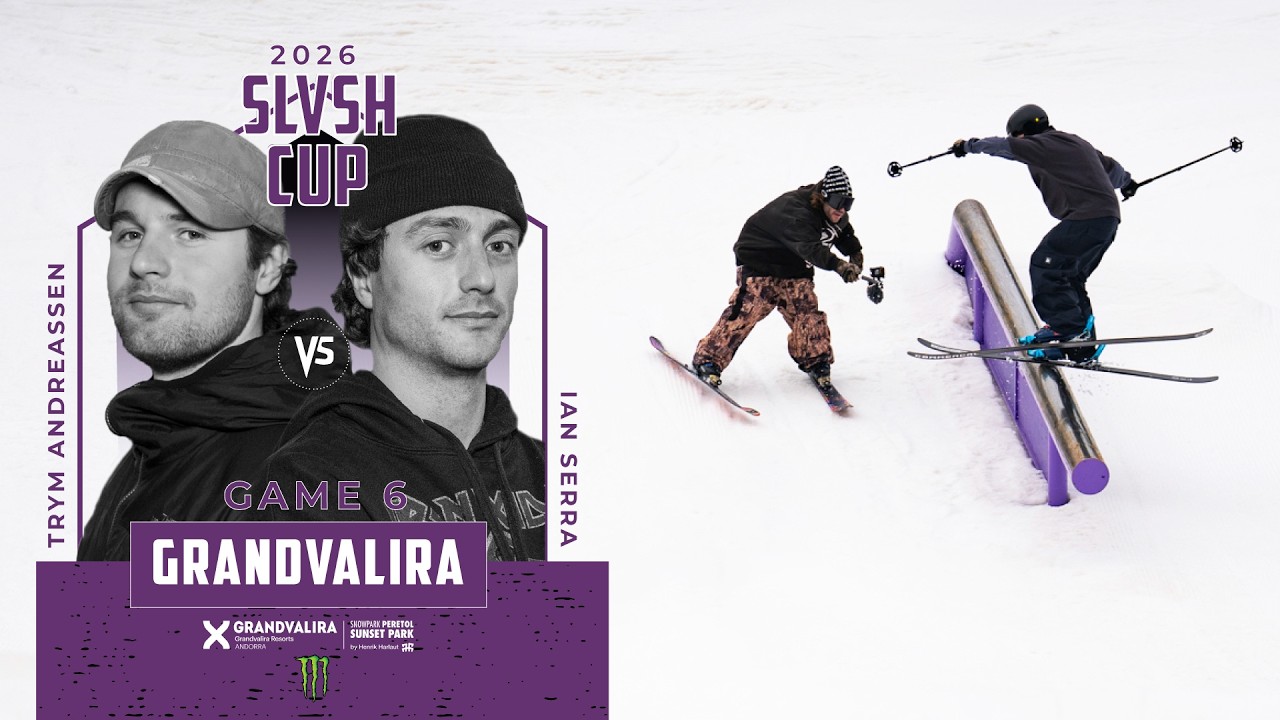
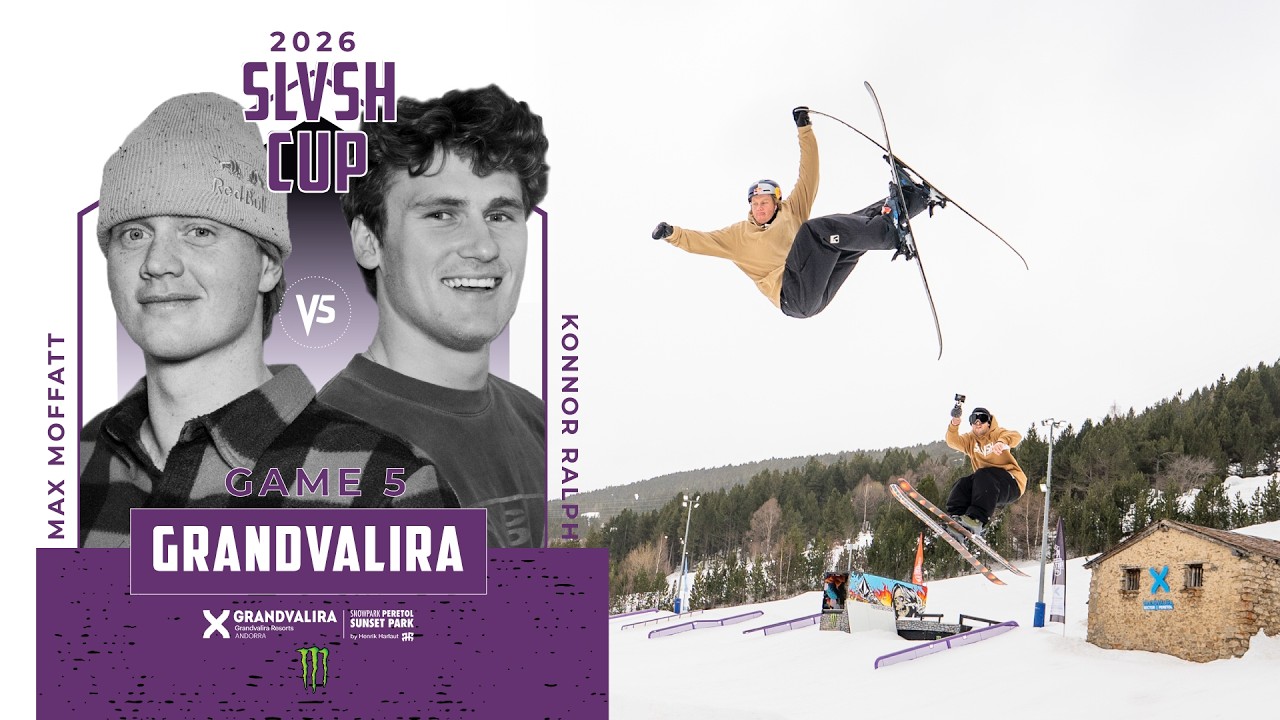
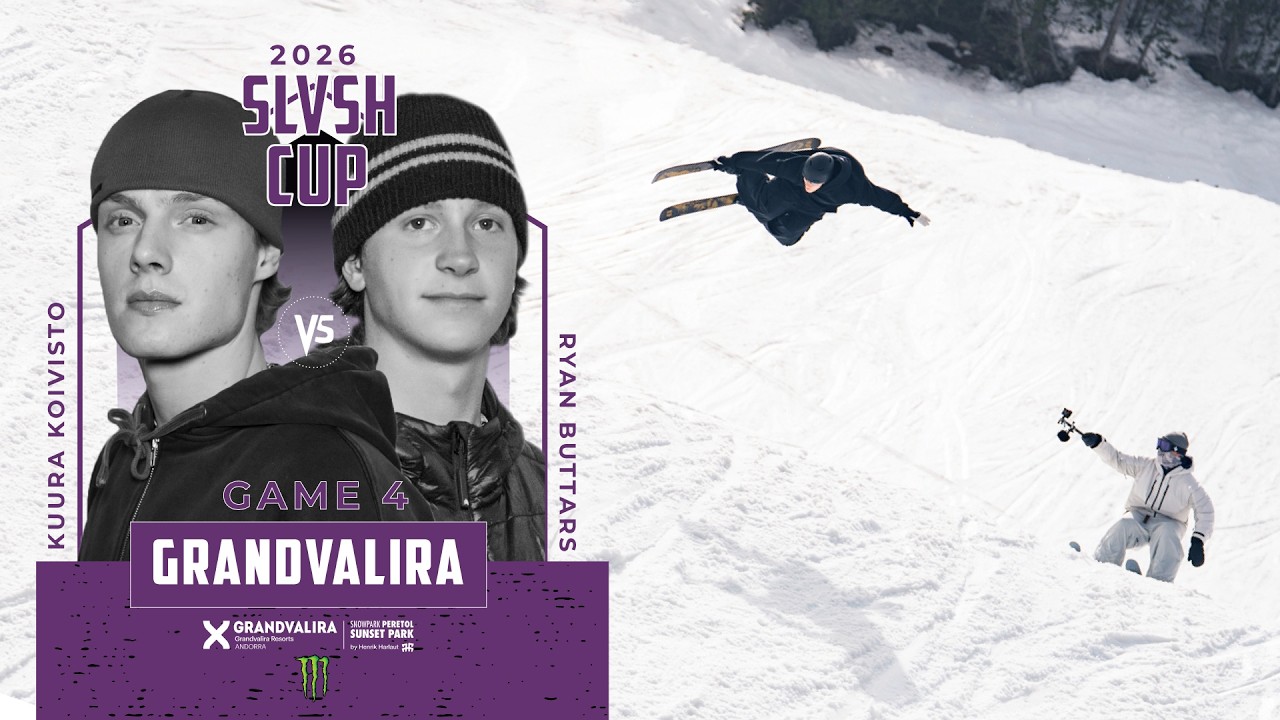
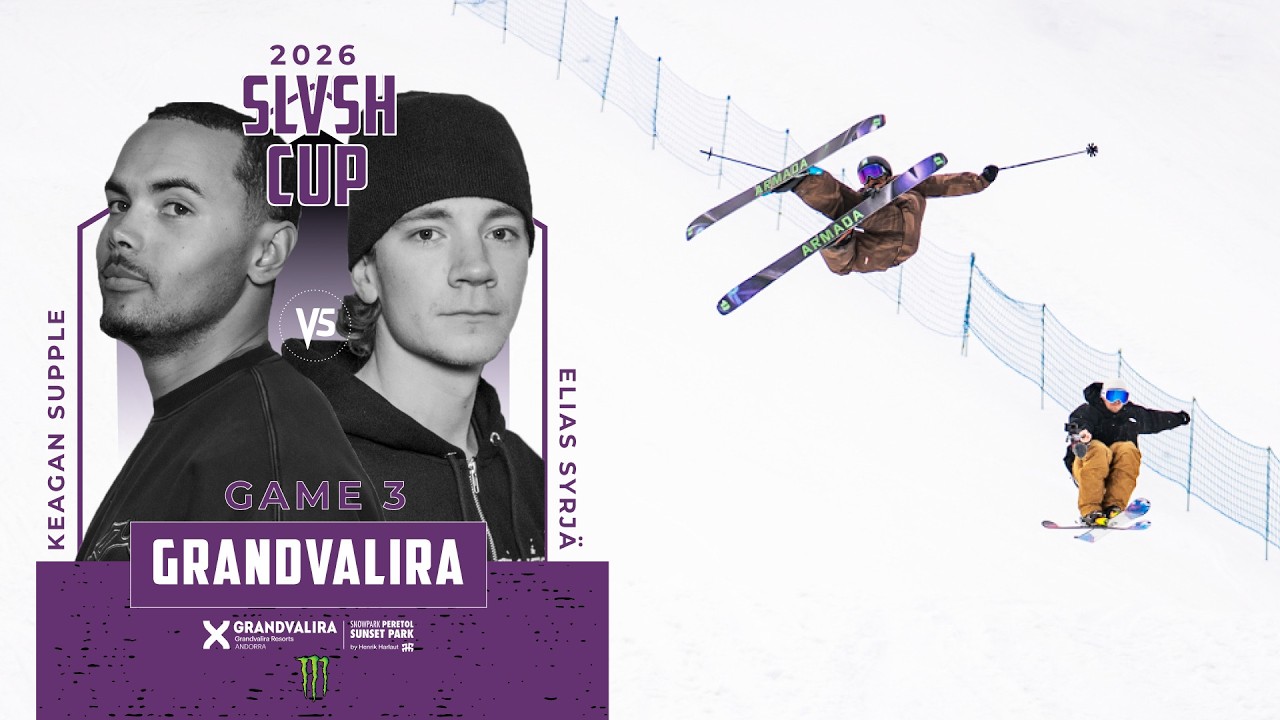
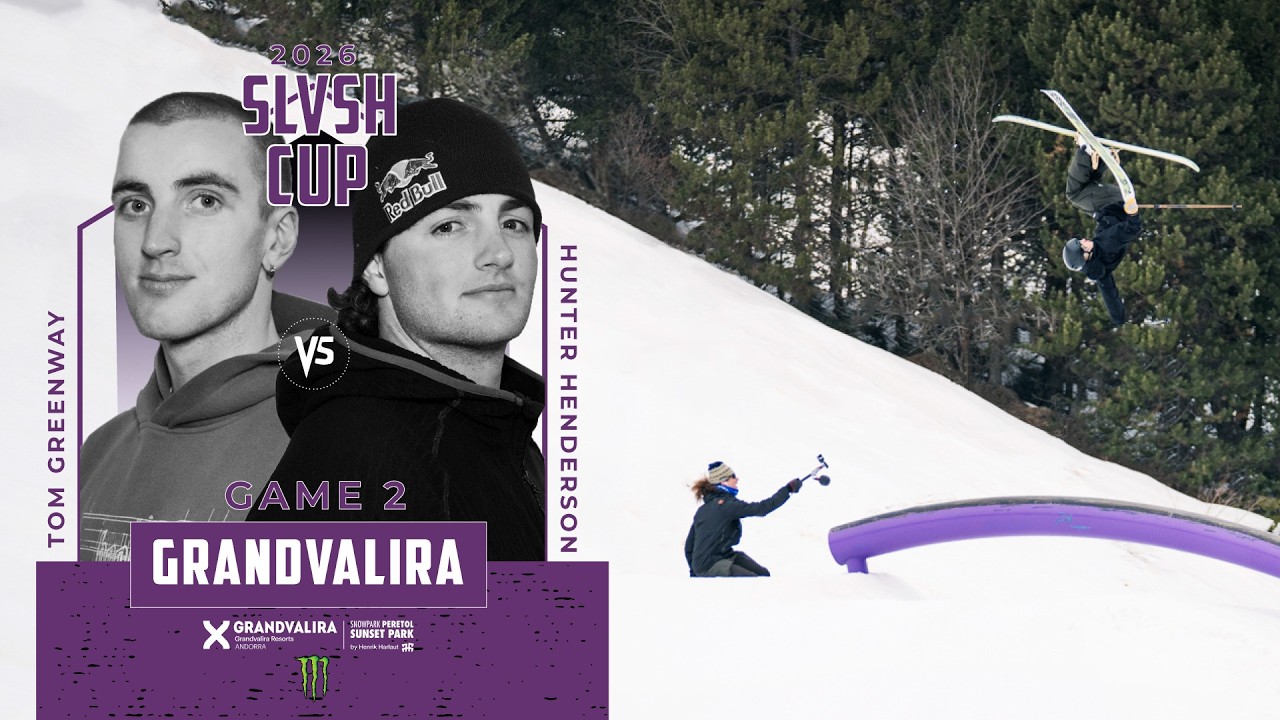
The men’s final came down to Elias Syrjä against Konnor Ralph. The path to that last game showed how varied the bracket was. Syrjä appeared in earlier Grandvalira 2026 games against Keagan Supple, Ryan Buttars and Hunter Henderson, while Ralph’s route included matchups against Max Moffatt, Trym Sunde Andreassen and Alec Henderson. That final pairing made technical sense. Syrjä brings a Finnish big-air and slopestyle profile built around butter entries and controlled axes. Ralph brings modern U.S. slopestyle power, World Cup finals experience and the kind of rail-to-jump adaptability that works in a call-and-match format.
Jennie-Lee Burmansson And Naomi Urness Closed The Women’s Bracket
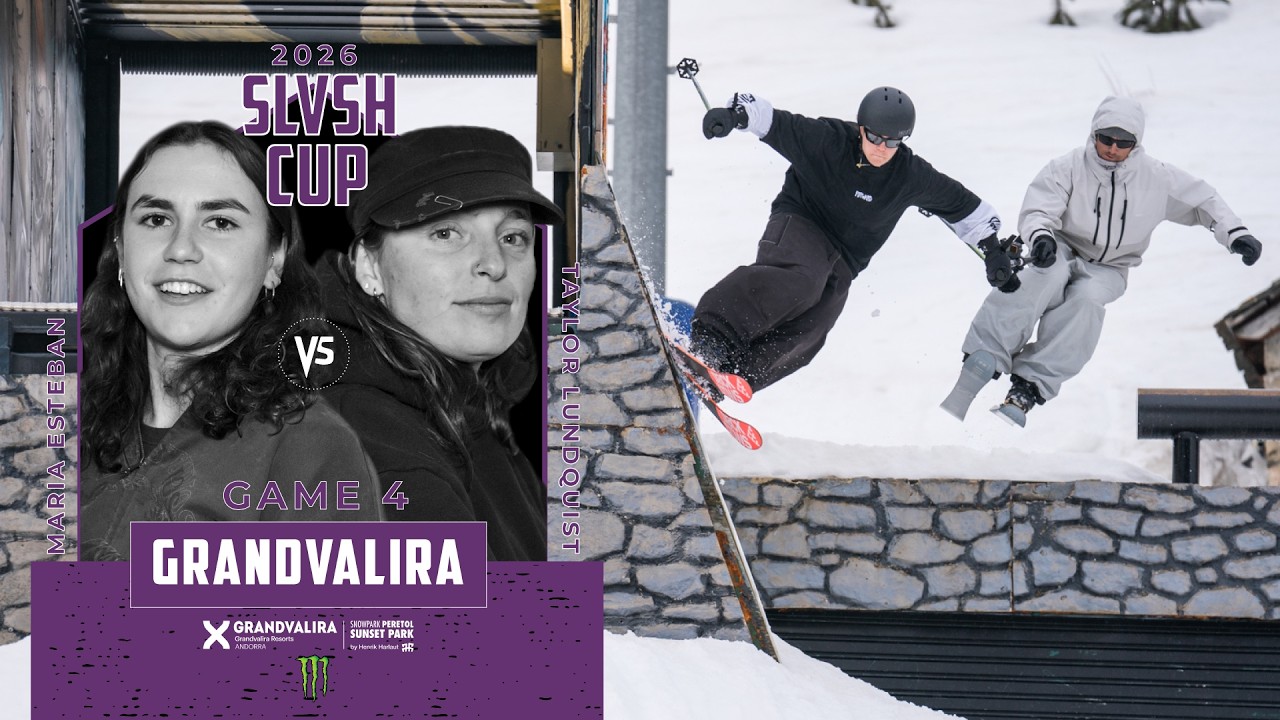
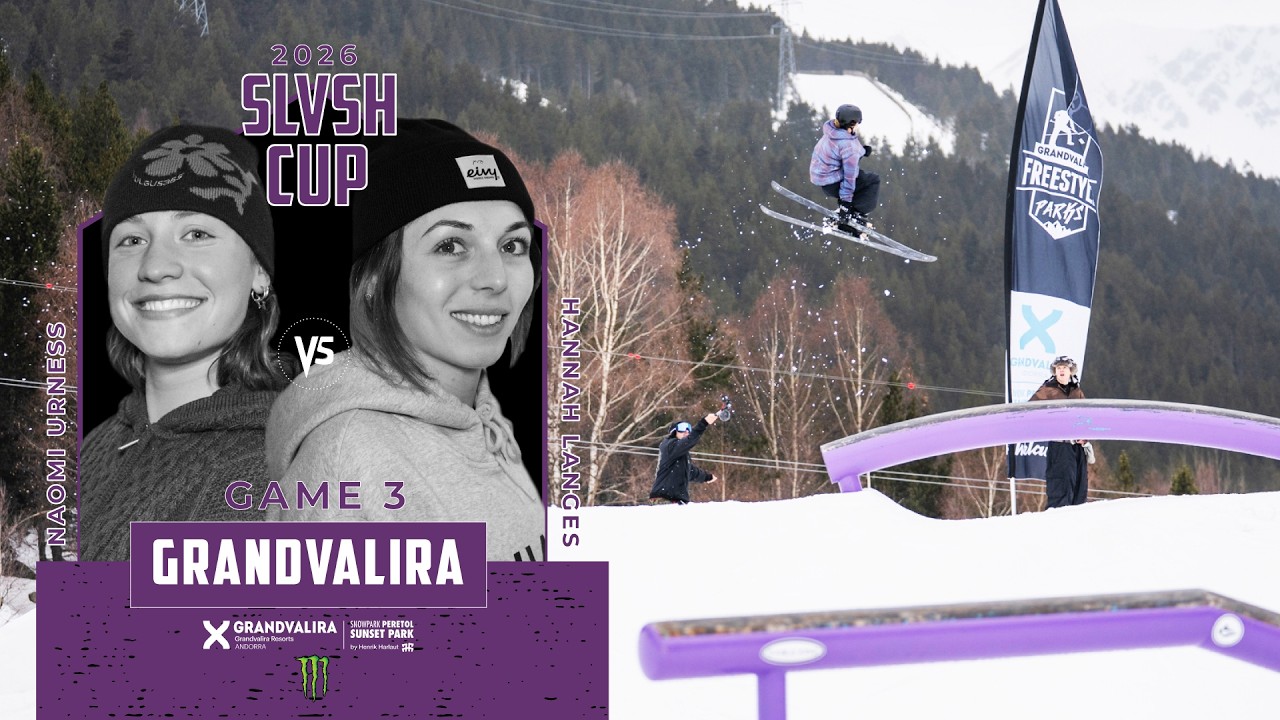
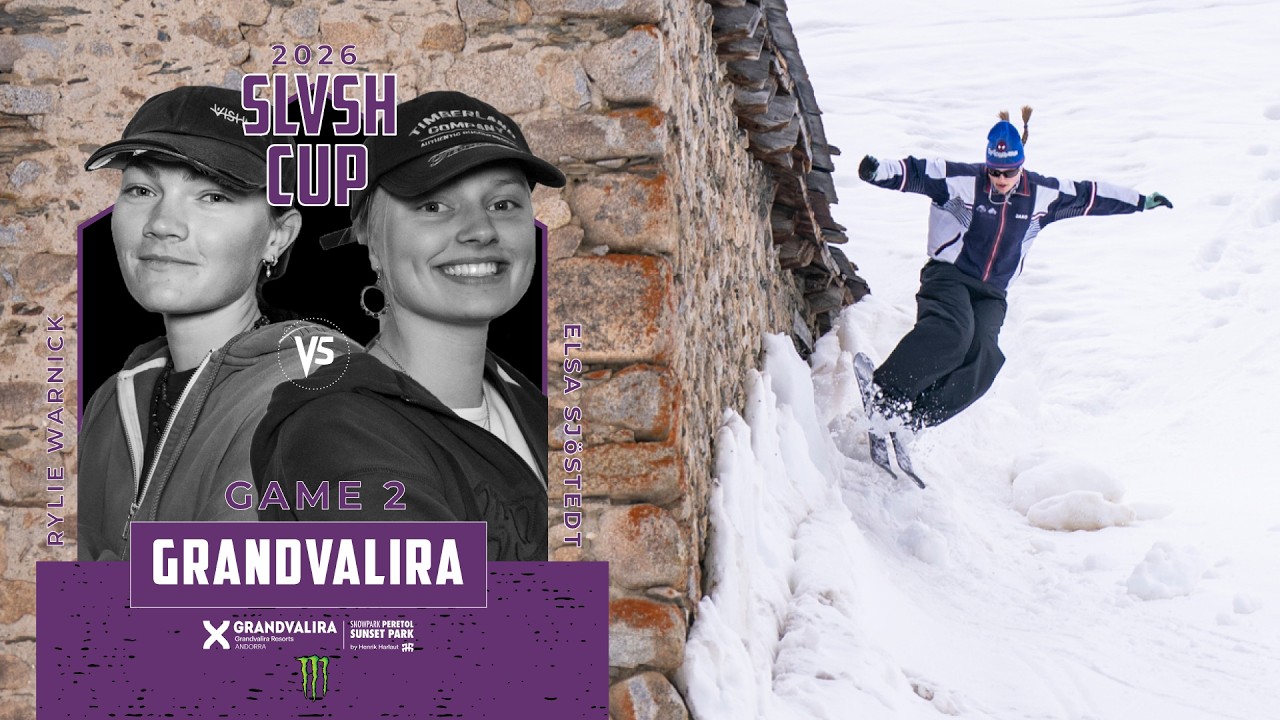
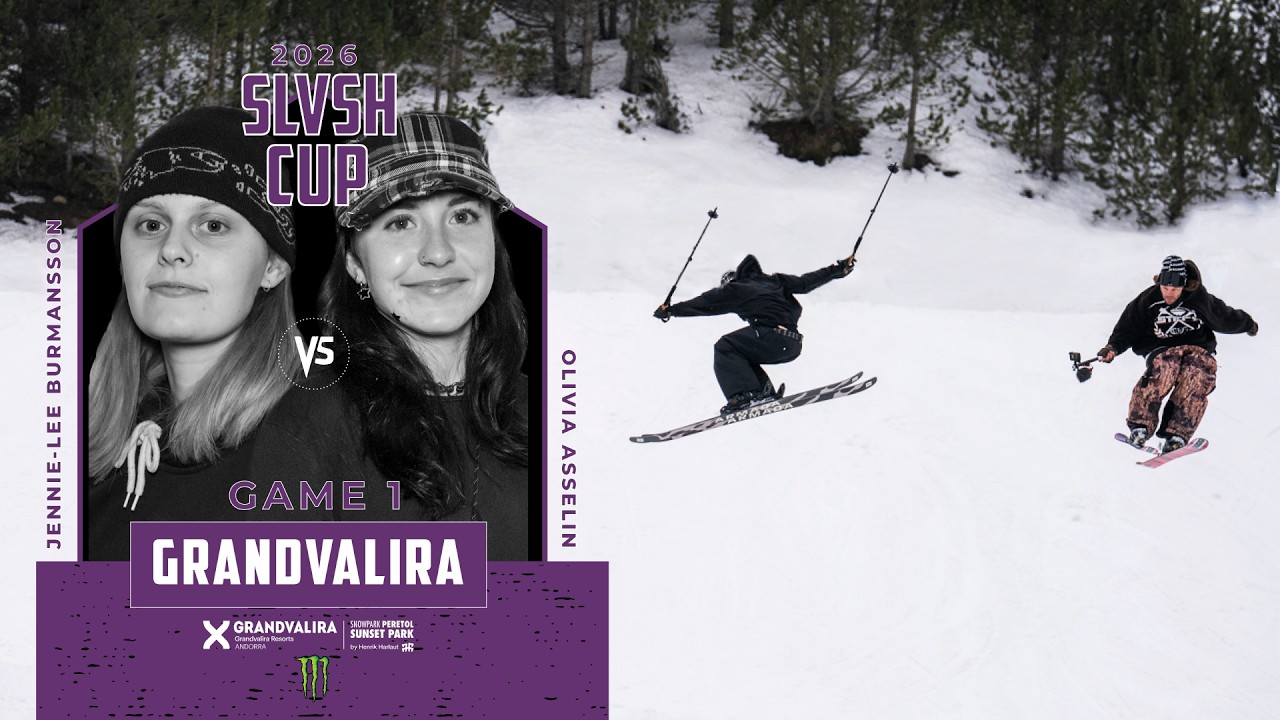
The women’s final matched Jennie-Lee Burmansson with Naomi Urness. SLVSH’s official women’s cup page listed the first round as Olivia Asselin versus Burmansson, Rylie Warnick versus Elsa Sjöstedt, Urness versus Hannah Langes, and Taylor Lundquist versus Maria Esteban. Burmansson then met Rylie Warnick in the first semifinal, while Urness met Lundquist in the second semifinal. That route gave the final real weight. It was not a side clip. It was a structured women’s SLVSH Cup with eight names, semifinals, a third-place game and a final published inside the same Grandvalira release cycle as the men’s tournament.
Verified Bracket Endpoints From Grandvalira 2026
Men’s SLVSH Cup Final — 2026
Final matchup: Elias Syrjä (FIN) vs Konnor Ralph (USA)
Men’s Third-Place Battle — 2026
Consolation matchup: Alec Henderson (CAN) vs Hunter Henderson (USA)
Women’s SLVSH Cup Final — 2026
Final matchup: Jennie-Lee Burmansson (SWE) vs Naomi Urness (CAN)
Women’s Third-Place Battle — 2026
Consolation matchup: Taylor Lundquist (USA) vs Rylie Warnick (USA)
The Women’s Field Was The Main 2026 Upgrade
The strongest difference from the 2025 Grandvalira edition was the women’s bracket size. The previous year introduced a smaller women’s cup; 2026 expanded that idea into an eight-rider structure with a complete first round, semifinals, third-place battle and final. That matters for the archive because women’s park skiing has often been documented through highlight clips rather than full head-to-head tournament structures. SLVSH Cup Grandvalira 2026 gave riders such as Olivia Asselin, Burmansson, Warnick, Sjöstedt, Urness, Langes, Lundquist and Esteban a clearer competitive frame. The audience could follow matchups, not just isolated tricks.
Peretol Made Trick Calling Easy To Read
Sunset Park Peretol fits SLVSH because it is compact, visible and built around features that translate well on camera. Rail lines, box choices, side hits, jump takeoffs and creative transfer options let riders call tricks that are difficult but still understandable to viewers. That is the format’s advantage over a normal slopestyle run. A called trick creates immediate tension: the first skier sets the problem, the second skier has one attempt to answer it. When the setup is clear, the drama is clear. Grandvalira’s night-park identity and Henrik Harlaut connection also give the cup a visual signature that separates it from a generic rail jam.
SLVSH And Monster Turned The Bracket Into Episodes
The event was presented through SLVSH and Monster Energy, with each game released as its own video. That release structure is not secondary. It is part of the competition’s design. Instead of one broadcast with every result compressed into a few minutes, each matchup becomes a standalone story: introductions, trick calls, letters, makes, misses, referee decisions and a final pressure moment. The format suits the way freeski audiences actually watch clips. A single battle can be shared, replayed and debated without needing the entire bracket context, while the full cup still builds toward finals day.
Where Grandvalira 2026 Fits In The SLVSH Archive
SLVSH Cup Grandvalira 2026 should be indexed as a major alternative freeski competition edition, not as a standard slopestyle event. Its permanent archive value comes from the Andorra venue, the March 2 to 9 schedule, the men’s SLVSH Cup XV bracket, the women’s SLVSH Cup XIV bracket, the first eight-woman cup framing, the verified finals, and the third-place battles. The event kept the original playground logic of SLVSH while giving it a larger tournament structure. One skier calls, one skier matches, and the bracket moves forward until the pressure narrows the field to the last two names.