Yoshiya Urata
Profile and significance
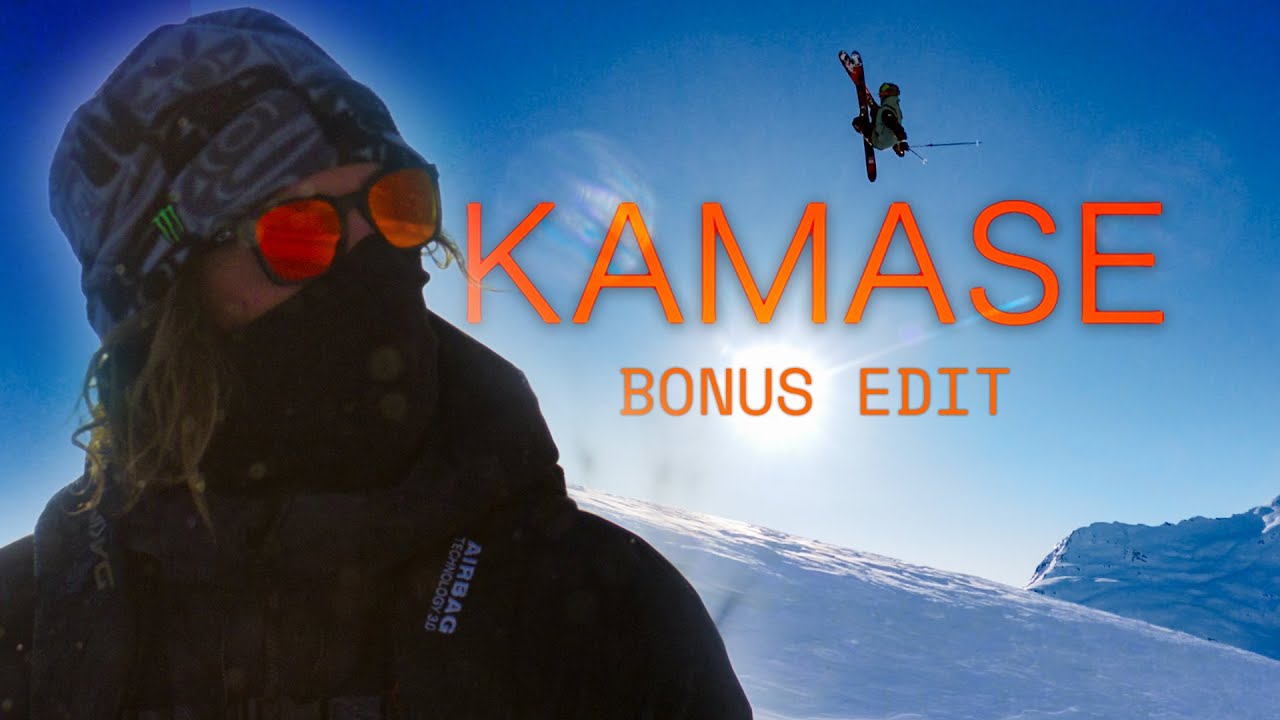
Yoshiya “Bull” Urata is a Hokkaidō-based Japanese freeski original whose film-first career bridges the country’s deep-snow backcountry with its night-lit city spots. Best known internationally from Armada’s “Snowcieties: Sapporo” chapter and a featured role in Sammy Carlson’s 2023 film “KAMASE,” he helped define how Japanese crews present style to a global audience—calm setups, early grab definition, centered landings, and a pace that reads cleanly in slow motion. Urata’s nickname fits the skiing: powerful yet precise, with a knack for making heavy ideas look inevitable. While he registered as an athlete in the sport’s early competitive era, his impact comes from segments and rider-led projects rather than points lists. As an Armada rider from the longtime T-Crew scene around Sapporo, he’s part of the connective tissue between Japan’s local rhythm and the broader freeski culture that studies edits frame by frame.
Competitive arc and key venues
Urata’s public résumé is built around films and collaborative trips, not tour standings. The touchstones are telling. In Armada’s Sapporo episode, he welcomed a visiting crew of style leaders to Hokkaidō’s snow globe—proving that movement language can cross borders even when words don’t. A few years later he appeared in “KAMASE,” a short that followed Carlson from Japan to British Columbia and Alaska, with Urata adding Japan chapters that highlighted patient takeoffs on real storm snow and clean, stacked landings. Those venues explain the method as well as any result sheet. Hokkaidō’s storm cycles—documented by the Hokkaidō Tourism Organization—demand honest speed and edge organization long before the takeoff. When the itinerary moves to the Sapporo metro, the city’s winter grid (see Sapporo Travel) provides rails, walls, and short run-ins that punish sloppy timing and reward calm entries. In “KAMASE,” the map expands: pillow fields and treeline rollovers in British Columbia and spine walls in Alaska, places where late sets and clear axes are the difference between a clip and a crash. Each setting amplifies the same habits and made Urata’s skiing legible far beyond Japan.
How they ski: what to watch for
Urata skis with economy and definition—the two traits that make park, street, and soft-snow tricks teachable. Into any takeoff he stays tall and neutral, sets rotation late, and locks the grab before 180 degrees so the axis breathes on camera. On natural features, the butter comes from ankles and hips rather than an upper-body lean, which keeps the skis doing the storytelling and the torso quiet. On rails and ledges, the signatures are square, unhurried entries; backslides and presses held just long enough to be unmistakable; minimal arm swing on swaps; and exits where the shoulders remain aligned so momentum carries into the next hit. Landings read centered and inevitable—hips over feet, ankles soft—so even consequential shots feel like one sentence instead of a series of rescues. Slow any Bull clip down and the checkpoints are there: calm entry, patient pop, early definition, stacked landing.
Resilience, filming, and influence
Film seasons are the spine of Urata’s career. The T-Crew years around Sapporo showed why Japan’s city snowpacks and roadside powder can coexist in one part; Armada’s Sapporo chapter put that hybrid on a brand platform without losing its local feel; “KAMASE” placed him in a global cast, where his Japan segments became pacing anchors inside a film that also ranged through British Columbia pillows and Alaskan spines. Across all of it, the shots are framed to show approach speed and slope angle honestly, which is why coaches and progressing riders use the footage as study material. His influence is cumulative rather than viral: viewers borrow the method—early edge organization, grab defined before 180°, exits that preserve speed—and discover that style is a skill you can practice, not just a look you copy.
Geography that built the toolkit
Place explains the movements. Hokkaidō’s coastal storms teach speed choice, drift control, and landings that stay stacked over the feet; that’s the foundation visible in Urata’s powder lines and knuckle plays. The Sapporo metro adds the street classroom: thin cover, tight in-runs, and quick resets force deliberate edging and square entries that translate directly to slopestyle features. When the calendar extends overseas, British Columbia’s interior contributes XL spacing and pillow geometry that punish rushed takeoffs, while Alaska compresses the margin for error into a few seconds of spine-top balance and fall-line commitment. Thread those geographies together and you can see their fingerprints in every part he’s in—night-lap discipline, storm-day patience, and a camera-friendly cadence that survives venue changes.
Equipment and partners: practical takeaways
As an Armada rider, Urata’s setups mirror the priorities visible in his clips. For skiers trying to borrow the feel, the hardware lessons are straightforward. Choose a true twin with a balanced, medium flex you can press without folding and that still feels predictable on bigger lips. Detune the contact points just enough to reduce rail bite while keeping trustworthy grip on the lip. Keep the mount close enough to center that switch landings feel neutral and presses sit level, and avoid binding ramp angles that push you into the backseat—stack hips over feet so the skis can release cleanly when you set late. Most important is process. Film your laps, pause to check whether the grab is defined before 180 degrees, and make sure the exit shows square shoulders so speed survives into the next move. That workflow—visible in his Hokkaidō edits and in “KAMASE”—turns style into something you can practice every session.
Why fans and progressing skiers care
Fans care about Yoshiya Urata because his skiing makes creativity readable. The clips favor timing, composition, and line design over noise—whether the backdrop is a handrail in Sapporo after a city storm, a treeline rollover in Hokkaidō, a pillow stack in British Columbia, or an Alaskan spine under a clear window. Progressing riders care because the same choices scale to normal resorts and real streets: stay tall into the lip, set late, define the grab early, hold presses long enough to read, and land stacked so momentum carries to what’s next. That’s the Bull blueprint—and it’s as useful on Tuesday-night laps as it is in a film that circles the North Pacific.