Todd Ligare
Profile and significance
Todd Ligare is a Park City–raised American big-mountain specialist whose racing roots and film career have made him one of the cleanest, most powerful freeride stylists of the past decade. After NCAA years with the University of Denver ski team, he redirected that edge discipline and timing into backcountry lines from the Wasatch to coastal Alaska, stacking standout segments with Teton Gravity Research and releasing recent two-part solo projects that underline his durability and craft. Longtime partnerships with Armada, SCOTT Sports and Rumpl place him in the small circle of athletes known as much for method as for magnitude. Ligare’s significance is simple to describe and hard to duplicate: he charges consequential terrain with composure, and he makes the decisions on camera—speed, takeoff, axis, landing—legible enough that serious skiers can study and apply them.
Competitive arc and key venues
Ligare’s résumé tilts toward films and mission-driven winters rather than points tables, but the environments he chooses are as selective as any start list. Home laps at Park City Mountain, Alta and Snowbird keep his footing sharp on real snow and variable light, the daily work that makes heavy days possible. Spring windows in British Columbia—particularly around Revelstoke Mountain Resort—add stacked pillows, long fall-line pitches and the wind reads that decide whether a trick breathes or gets rushed. When storm cycles open the door in Alaska, he points at spine walls and hanging faces that reward quiet setups and true speed. Thread those venues together and you see a rider built for big features, yet schooled by compact, repeatable laps.
The film calendar became his scoreboard. Years of TGR segments established “Big Air Ligare” as a reliable closer when conditions turned on; the recent short-format edits show he can self-direct and still deliver the same clarity under a tighter lens. That path—race habits → Wasatch reps → BC/AK film chapters—maps the modern big-mountain toolkit as well as any podium column.
How they ski: what to watch for
Ligare skis with economy and definition. Into a takeoff—sculpted or natural—he stays tall and neutral, sets rotation late, and locks the grab early so the axis reads cleanly on camera. On steep entries he organizes edge pressure before the roll, which is why his skis release decisively without chatter and his landings look centered rather than rescued. When he butters into a move, the initiation starts from the ankles and hips instead of the shoulders, letting the skis do the storytelling while the upper body stays quiet. He exits features with square shoulders so momentum survives to the next move—critical when the “next move” is a second air in the same fall line. The checkpoints are consistent across clips: calm entry, patient pop, early definition, stacked landing.
Resilience, filming, and influence
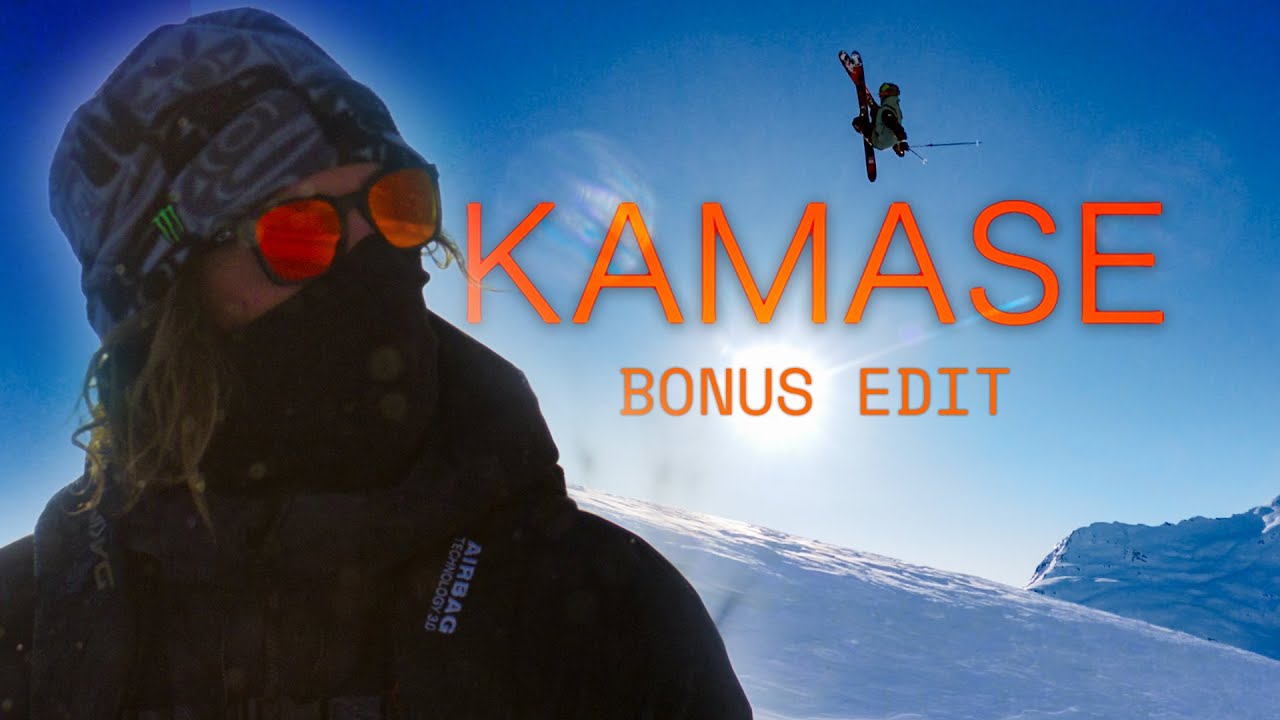
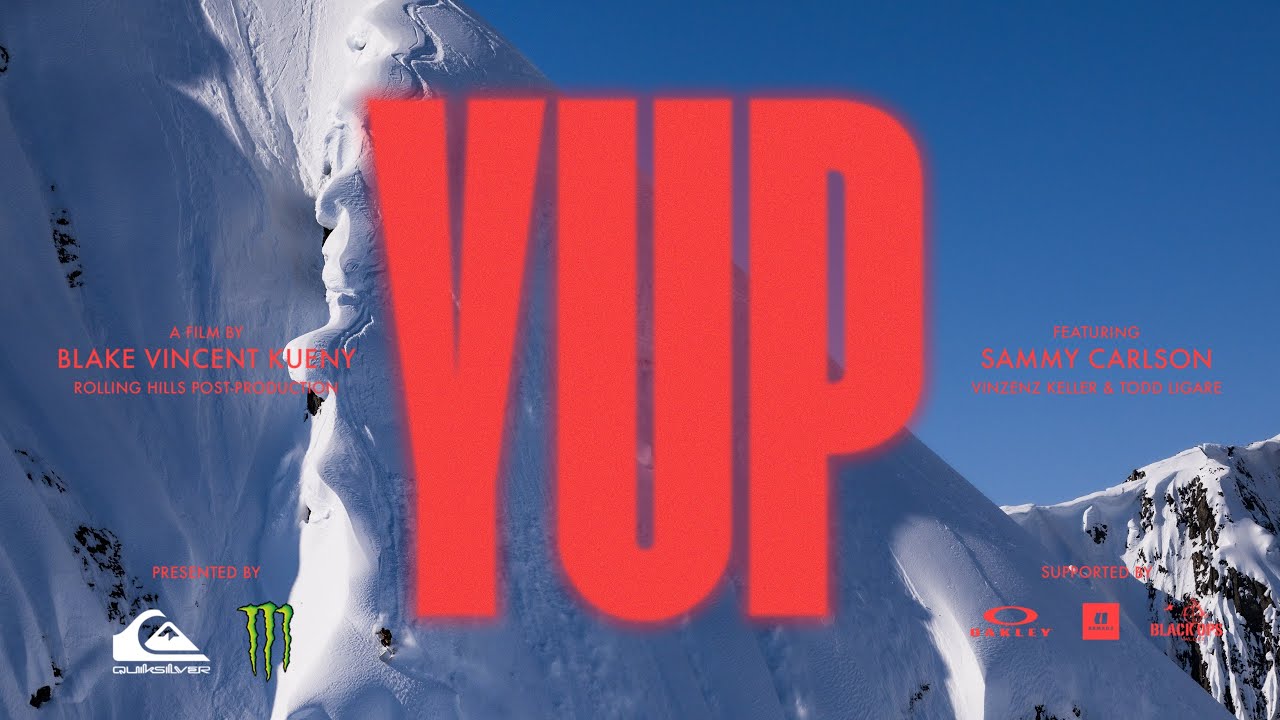
Film is where Ligare’s influence compounds. TGR’s editorial standards—honest speed, visible approach and slope angle—fit his method, and his recent two-parter reinforced that he can carry a project as both athlete and author. What viewers and coaches notice on rewatch is not just difficulty; it’s organization. He frames the shot so you can see the speed choice, the moment the skis release, and the way the body stays over the feet through impact. That legibility turns big-mountain skiing into a learnable language instead of a highlight reel. Add the brand chapters with Armada and SCOTT, and you get continuity between what’s on his feet and what’s on screen—useful for skiers trying to borrow more than just inspiration.
Geography that built the toolkit
The Wasatch is the base layer: night-snow refills, wind shifts, and mixed visibility across Alta, Snowbird and Park City Mountain force patience into the lip and centered recoveries on variable snow. British Columbia’s interior around Revelstoke adds true fall line and pillow geometry, where reading the terrain two moves ahead matters more than spin count. Alaska layers in exposure and timing under helicopter logistics; the margin for error shrinks, but the same habits—calm setup, late set, clean axis—scale up. That map explains the fingerprints visible in every part: Wasatch discipline, BC flow, AK consequence.
Equipment and partners: practical takeaways
Ligare’s current program revolves around Armada skis, optics and protection from SCOTT Sports, and travel/outdoor support from Rumpl. The gear logic mirrors his skiing. Choose a directional twin or big-mountain twin you can pressure without folding, with a mount close enough to center to keep switch exits neutral when needed but far enough back to track in fall line. Keep the tune honest—detune contact points just enough to avoid hookiness while preserving bite for firm run-ins. Set binding ramp so you can stack hips over feet rather than sit in the backseat; that stance turns “holding on” into “placing the ski” on steep walls and pillows. Hardware matters, but the bigger “equipment” is process: film your line, check shoulder alignment and hip-to-ankle stack, and iterate until the calm entry and square exit you see in his footage become automatic.
Why fans and progressing skiers care
Fans care because Todd Ligare makes heavy terrain read clearly. The clips prize timing, organization, and line design over noise, whether the backdrop is a Wasatch storm day, a Revelstoke pillow stack, or an Alaska spine. Progressing skiers care because the same choices are teachable on real resorts: manage speed early, set late, define the grab or platform early, and land on edges you already prepared. In a film-driven era where method counts as much as magnitude, Ligare offers both—a blueprint you can study at home and a standard that holds up at half speed.