Arolla
Alps
Switzerland
High-altitude Swiss resort in the Val d Herens at around 2000 metres | Known for: lift access approaching 3000 metres, glacier ski touring, freeride terrain and Patrouille des Glaciers routes | Season: December to April with selected November operations | Best for: ski mountaineers, experienced freeriders and high-Alpine touring
From Arolla At 2000 Metres Toward The 3000 Metre Line
Arolla sits at approximately 2000 metres at the upper end of the Val d Herens in the Swiss canton of Valais, beneath a ring of high peaks and glaciers that immediately separates it from a conventional village ski hill. The local Espace Dent-Blanche ski sector operates six lifts and 17 marked pistes, while its highest installations climb to almost 3000 metres. That elevation range gives a relatively small lift system direct access to serious mountain terrain and explains why Arolla is associated as strongly with ski touring and freeride as with groomed piste skiing.
The lift network includes Fontanesses 1, Fontanesses 2, Fontanesses 3, La Remointse, Le Torrent and the beginner-oriented Pinochio installation. Marked runs extend from short learning terrain to several descents longer than three kilometres. Fontanesses, La Remointse and the upper itineraries open access to broad alpine slopes where the boundary between resort skiing and high-mountain objectives becomes visually obvious. Arolla does not need a large lift count to create vertical options because the lifts start high and place skiers close to terrain that continues far beyond the secured piste map.
Fontanesses And Remointse Open The High Alpine Door
The Fontanesses sector forms the central spine of the ski area. Its blue pistes include runs of more than two and four kilometres, while links through La Remointse extend skiing across the upper mountain. The resort also lists red and black pistes plus several numbered itineraries such as Guitza, La Cassorte, Mont Dolin and Les Chottes. Those itineraries are important to Arolla's character because the mountain is not built around perfectly uniform groomers. Natural terrain, wind effects and changing snow texture remain visible even close to the lift network.
The elevation improves snow preservation but creates exposure. Above the village, open slopes receive substantial wind and can develop hard surfaces, redistributed snow or changing visibility within hours. Storm snow may collect differently in gullies and protected depressions while ridges are stripped. On clear winter days the same openness gives long sightlines toward the surrounding Pennine Alps, but in cloud the lack of trees removes many visual references. Arolla therefore rewards skiers who read conditions rather than expecting every marked run to ski the same from morning to afternoon.
The 2026-2027 operating schedule illustrates the resort's high-altitude strategy. Selected weekend and public-holiday opening is planned from November 21 2026, with daily operations scheduled from December 12 2026 through April 18 2027. Those dates remain dependent on snow and weather, but they place Arolla among the Valais areas able to use elevation rather than massive snowmaking infrastructure as a central part of winter reliability.
No Terrain Park Because The Mountain Is The Training Ground
Arolla does not have the dedicated freestyle infrastructure found at larger Swiss park destinations. There is no major public slopestyle line, halfpipe or rail complex defining the resort. Its freeski relevance comes from a different type of progression: natural snow, route choice, variable surfaces, touring transitions and high-Alpine movement. Riders coming specifically for shaped jumps and rails are better served by resorts such as Saas-Fee, where glacier training and established park infrastructure form a central part of the mountain programme.
That absence is important rather than a weakness to hide. Arolla trains skills that a terrain park cannot reproduce. Skiers learn to manage wind-affected snow, changing gradients, natural takeoffs, narrow passages and long descents where the next safe stopping point matters more than the next rail. Freestyle-minded freeriders can still use terrain creatively when conditions allow, but the mountain does not provide a shaped progression system. The skiing remains tied to mountain judgement first.
Patrouille Des Glaciers Puts Arolla On The Alpine Map
Arolla holds a central place in the Patrouille des Glaciers, one of the best-known ski-mountaineering races in the Alps. The full Zermatt-to-Verbier course passes through Arolla, while the shorter A course starts directly in the village before continuing toward Verbier. During the 2026 edition, Arolla hosted starts on April 15 and April 18, sending teams into a route that crosses high mountain passes and glacier terrain before reaching the Verbier side of Valais.
The Arolla-to-Verbier route leaves the village toward Col de Tsena Réfien, then continues through Pas du Chat, La Barma, Rosablanche, Col de Momin and Col de la Chaux before reaching Les Ruinettes and the finish area in Verbier. This is not a symbolic association added for tourism. The race uses the geography surrounding Arolla directly, turning the village into a functional transition point between the Matterhorn side of Valais and the western ski-mountaineering routes toward Verbier.
The connection with Zermatt is equally concrete. The long Patrouille des Glaciers course begins in Zermatt and passes Arolla on its journey west. That places three very different Valais ski identities on one historical route: Zermatt with its large glacier lift system, Arolla with its small high-mountain base and touring culture, and Verbier with a much larger freeride and resort network.
Pigne D Arolla And A Network Built For Skins
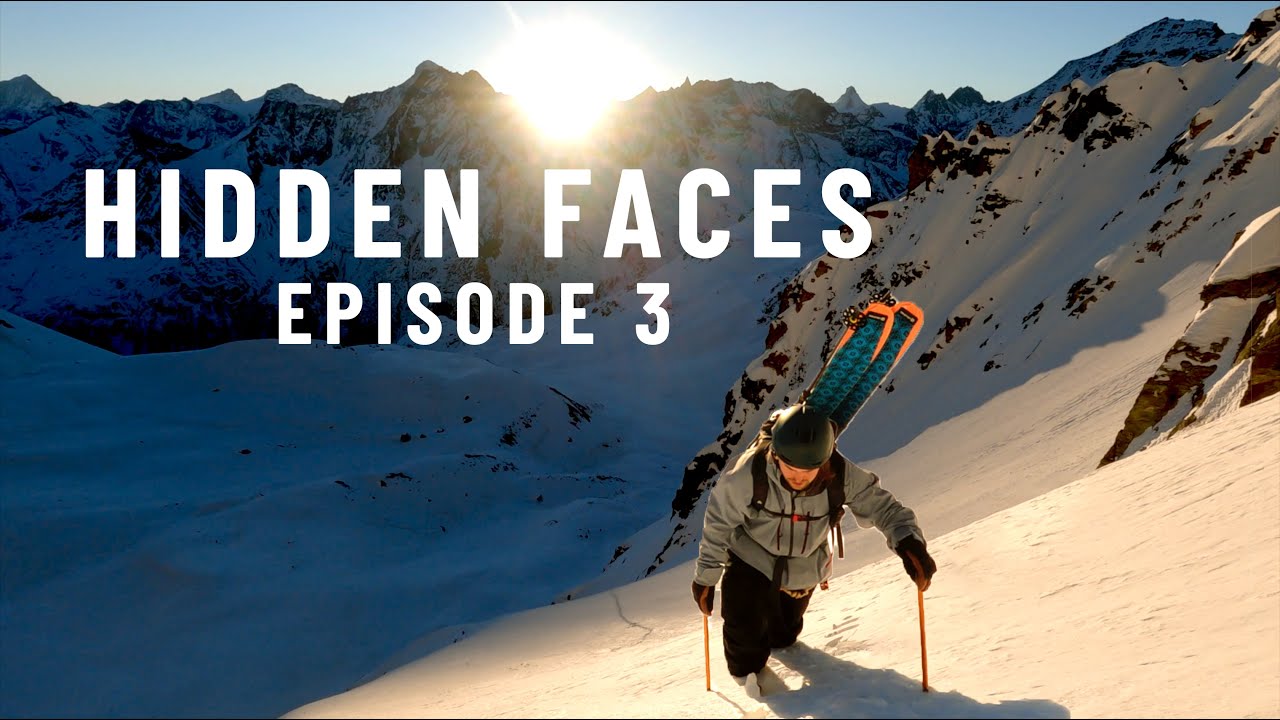
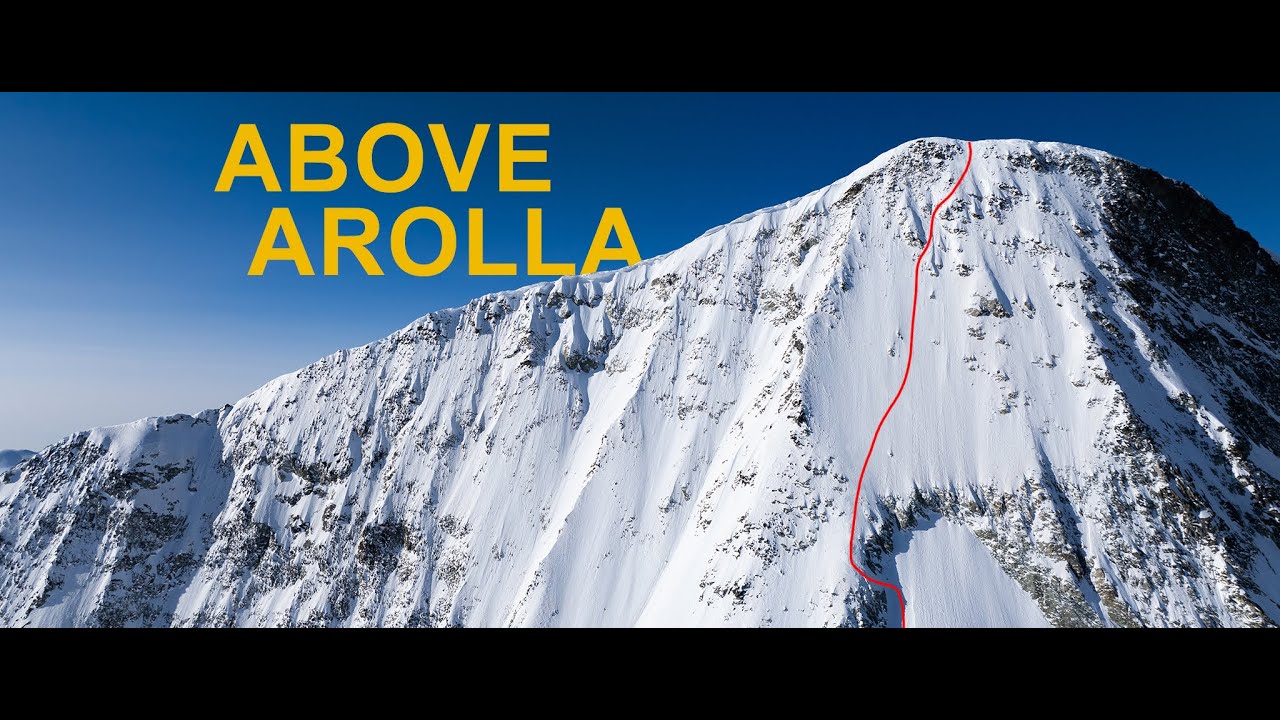
Ski touring is the discipline that most clearly explains Arolla's mountain culture. The resort lies on major Haute Route itineraries and provides access toward huts, glaciers and summits throughout the upper Val d Herens. The Pigne d Arolla, rising to 3790 metres, is one of the best-known objectives in the area and sits within a glaciated network used by touring parties travelling between high mountain huts. Lift access can reduce the first part of an ascent, but it does not reduce the technical consequences once skiers leave controlled terrain.
Spring is especially important. Longer daylight and seasonal snow transformation create touring windows toward high huts and glacier routes, while cold overnight temperatures can produce supportive morning surfaces. Timing becomes central. Leaving too late can mean softening snow, increasing wet-snow problems or slower glacier travel. Leaving early introduces darkness and cold but can provide stronger snow bridges and firmer descents. These decisions belong to ski mountaineering rather than ordinary resort planning.
The local tourism organisation describes Arolla as both a Haute Route base and a freerando destination, explicitly linking lift access with powder descents and touring departures. That mix explains why strong skiers may use a lift ticket for only part of the day. The objective can begin inside the ski area, use Fontanesses or Remointse to gain altitude, then continue on skins into terrain whose navigation, avalanche exposure and glacier hazards are no longer managed by the resort.
Glaciers Crevasses And A Higher Safety Threshold
Arolla's surrounding mountains require a different safety vocabulary from a normal off-piste resort. Avalanche transceiver, shovel and probe are baseline equipment for backcountry travel, but glaciated objectives add further considerations. Crevasses, snow bridges, route finding and potential rope work mean that avalanche equipment alone does not make a party prepared. Weather can also remove navigation references quickly when cloud closes around broad glacier surfaces.
Local guiding is therefore deeply integrated into the ski culture. Arolla-based mountain guides offer freeride, avalanche education, ski touring and high-Alpine outings, including objectives around the Pigne d Arolla. André Anzévui, associated with local Freeride Experience guiding, is also documented for the first ski descent of the Matterhorn north face in 1989. That connection reflects the level of mountain experience historically present in the valley rather than turning Arolla into a casual extreme-ski destination.
Inside the marked ski area, patrol work and piste status provide the normal resort framework. The distinction begins when a skier leaves those marked and controlled routes. A visible track does not confirm stability, glacier safety or a viable exit. In Arolla, following another group's line without understanding its destination can lead far beyond the lift system, so route preparation matters as much as skiing ability.
Espace Dent Blanche Links Arolla With Evolene Region
Arolla belongs to Espace Dent-Blanche alongside the other ski sectors of the Evolène region, including Evolène and La Forclaz. The grouping gives visitors access to several small Val d Herens mountains rather than attempting to build one giant interconnected lift domain. This preserves the individual geography of each sector. Arolla remains the high-altitude and ski-mountaineering-oriented end of the system, while lower areas provide different village and piste experiences.
The ski area also participates in Magic Pass, broadening its practical role for Swiss skiers who visit multiple independent resorts during a winter. That model suits Arolla better than trying to compete with the piste kilometre totals of major destination resorts. Six lifts and 17 pistes are modest numbers, but they provide access to terrain that would otherwise require significantly more climbing. For a ski tourer, one lift can be more valuable than dozens of additional groomed pistes if it places the start of an objective hundreds of vertical metres higher.
Sion To Arolla Through The Val D Herens
Arolla is reached from the Rhône Valley by travelling south through the Val d Herens. Public transport runs from the Sion area into the valley, with PostBus service continuing to the Arolla Magine stop near the ski facilities. Drivers follow the mountain road through the valley to the village, where free parking is available by the lift infrastructure. The road journey is part of the destination's isolation: Arolla sits near the head of the valley rather than on a major through-route between large resorts.
That isolation affects daily skiing positively and negatively. The resort does not have the constant transit traffic of a major international ski hub, and the village remains closely tied to mountain accommodation, guiding and touring. At the same time, a weather closure or poor high-mountain day cannot be solved by simply taking a connecting lift into another giant domain. Arolla works best for visitors who arrive with several objectives: pistes when visibility is limited, freeride when snow is stable, and touring when the high mountains open.
Seventeen Pistes With A Much Larger Mountain Behind Them
Arolla's piste map understates the scale of the skiing that surrounds it. The formal resort contains 17 runs and six lifts, yet the installations climb from a village around 2000 metres toward almost 3000 metres in one of the most glaciated parts of Valais. Beyond the piste boundaries sit touring routes connected with the Haute Route, the Patrouille des Glaciers and the Pigne d Arolla. That relationship between small infrastructure and large terrain is the defining feature of the resort.
For freeskiers, Arolla is most relevant when park infrastructure is not the priority. Its value lies in high-altitude snow, natural terrain, efficient access for touring and the technical transition from resort skiing into real mountain travel. The 2026-2027 schedule again reflects that role, with selected operations beginning in November and daily skiing planned from December 12 to April 18. Six lifts may define the resort boundary, but the mountain culture continues far beyond the last pylon.