Montréal
Québec
Canada
Overview and significance
Montréal is not a ski resort in the classic sense, but for freeskiers it functions as one of North America’s most important urban hubs. The city sits on an island in the Saint Lawrence River in southern Québec, surrounded by the Laurentian Mountains to the northwest and the Eastern Townships to the southeast. Within roughly one to two hours’ drive you can reach a dense ring of ski areas, from night-ski specialists like Sommet Saint-Sauveur and Bromont to destination mountains such as Mont-Tremblant. For anyone who wants to blend city life, street spots, and consistent lift-served park laps, Montréal is a natural base camp.
With a metropolitan population in the millions, Montréal offers something that few ski towns can match: a full-scale cultural and nightlife scene wrapped around a dedicated winter sports culture. The winters are cold, snow is common in the streets, and rails, ledges, stair sets, and concrete features appear in street segments across the freeski universe. At the same time, Montréal’s location gives direct highway access to some of Québec’s best-known ski resorts, so riders can stack urban clips during a storm cycle and then chase groomers, parks, or powder in the mountains the next day.
Specialised freeski shops and crews knit the scene together. Brands and retailers such as D-Structure, which traces its roots to Montréal, act as community anchors, syncing city riders with resort teams and road-trip plans. For skipowd.tv, that mixture of urban energy, street spots, and quick access to serious terrain makes Montréal a key location rather than just another big city on the map.
Terrain, snow, and seasons
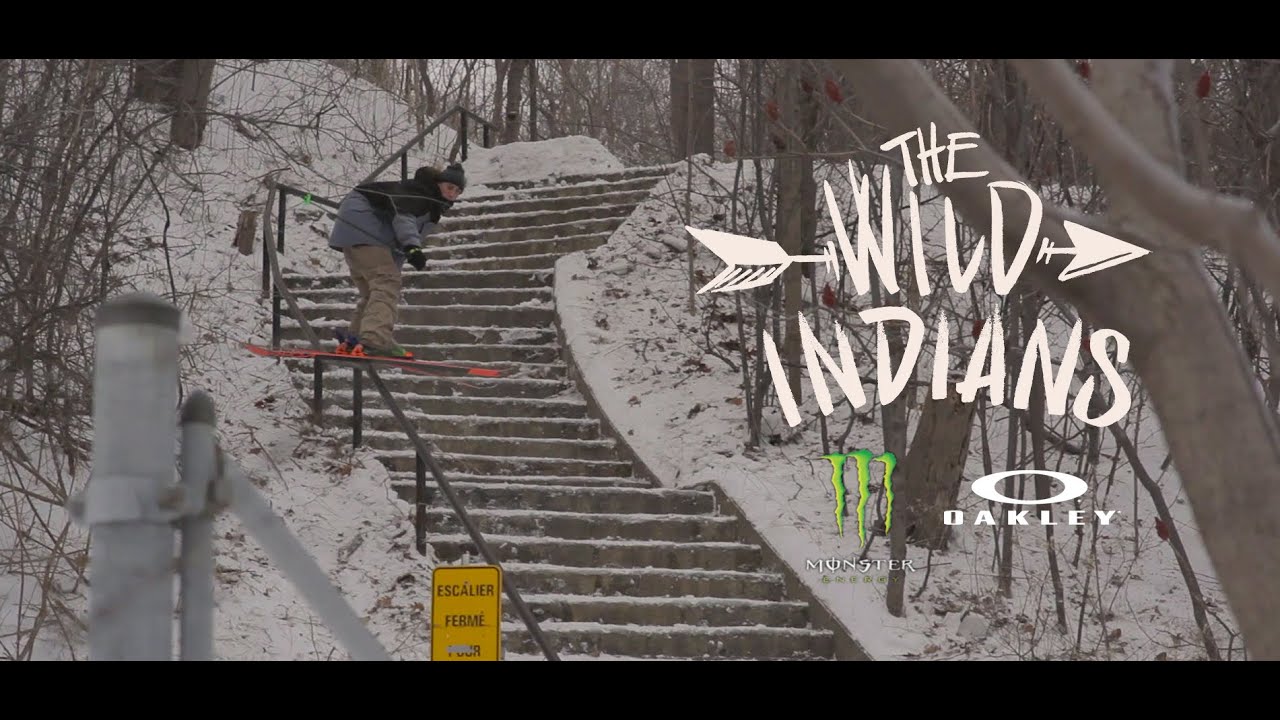
Montréal’s “terrain” is split between two worlds. In the city itself, winter transforms staircases, handrails, and concrete banks into a sprawling street playground whenever there is enough snow to build drops and landings. Snowfalls roll in from December through March, and while totals vary from year to year, the city typically sees multiple storms large enough to create sessionable lines in parks, industrial districts, and university campuses. When it is cold and snowy, you can spend entire days hunting spots without ever leaving the island.
When riders talk about Montréal’s ski terrain, though, they are usually thinking about the ring of mountains that surround the city. The Laurentians to the northwest host classics like Sommet Saint-Sauveur and Mont Tremblant, while the Eastern Townships to the southeast offer options such as Bromont, montagne d’expériences, Sutton, Orford, and Owl’s Head. Many of these resorts report several metres of snowfall each winter, backed by large-scale snowmaking that keeps main routes and park lines open even during thaw cycles.
Because the city sits at low elevation beside a major river, weather can swing from deep-winter cold to brief thaws and even rain, especially early and late in the season. That variability is part of what makes Montréal such a good base: when conditions in the city are crusty or thin, riders can chase better snow in the hills; when a cold storm slams southern Québec, they can flip the script and focus on rails and stair sets in neighbourhoods that are suddenly draped in fresh snow.
Park infrastructure and events
Montréal’s own “infrastructure” is mostly urban: concrete, rails, and architecture that street skiers have been reinterpreting for decades. Many Québec-based riders film yearly projects that spend at least part of the season sessioning the city, and dozens of spots around schoolyards, industrial zones, and metro-adjacent streets have become low-key classics. What makes Montréal stand out is how naturally that street environment pairs with a network of nearby resorts that invest heavily in terrain parks.
To the northwest, Sommet Saint-Sauveur’s SnoPrk concept has long been a reference for Québec park riding, with high-frequency laps, strong night lighting, and features that are rebuilt throughout the season. To the east, Bromont operates multiple SnowPrks on a large, lit mountain, giving Montréal-based riders another option for park-focused sessions after work or study. Farther out, Mont-Tremblant runs three snowparks on its four mountain faces, blending medium and large jump lines with rail gardens and progression zones. Together, these mountains create a tight circle of park infrastructure within striking distance of the city.
On the event side, Montréal riders plug into a wider Québec competition circuit. Nor-Am and World Cup slopestyle and big air stops at venues like Stoneham and Calgary attract many athletes who grew up filming in and around Montréal, and urban events occasionally bring big-air scaffolds or jib setups into metropolitan settings in the province. While the largest FIS events usually take place at dedicated resorts rather than in the city core, Montréal’s athlete, filmer, and brand community often feeds into those stages, making the city a quiet engine behind many high-level park and big-air careers.
Access, logistics, and on-mountain flow
One of Montréal’s biggest strengths as a ski hub is how easy it is to plug in and move around. Montréal–Pierre Elliott Trudeau International Airport to the west of the island serves as the primary gateway for international visitors, while additional regional airports support domestic and charter traffic. From the city, major highways radiate outward: Autoroute 15 north toward the Laurentians and Sommet Saint-Sauveur, Autoroute 10 east toward Bromont and the Eastern Townships, and further links that connect to the wider Québec and Ontario road network.
For an urban-based skier, the typical flow is simple. You live, study, or stay in the city; you keep your gear either at home or at a local shop; and when the forecast cooperates, you load up and drive an hour to an hour and a half to your chosen hill. Many resorts offer extended hours or robust night-skiing programs, which means you can leave after lunch, ski from late afternoon into the evening, and still be back downtown before midnight. On weekends, full-day missions to destinations like Tremblant are common, and some hotels and tour operators package transport and lift tickets for visitors who prefer not to drive.
For street sessions, logistics are more granular but just as important. Crews often move around Montréal using cars or vans loaded with shovels, winches, and camera gear, checking weather, traffic, and snow totals in different districts before committing to a zone. Understanding parking rules, snow-removal schedules, and local noise ordinances helps keep these missions smooth and respectful, and many crews plan their routes to minimise time spent driving between spots.
Local culture, safety, and etiquette
Montréal’s culture is famously bilingual and creative, and that carries onto snow. French and English mix freely on chairlifts and in cafés, and a large student population keeps the winter scene young and experimental. Music, art, and film are baked into daily life, which meshes naturally with the culture of producing ski edits and full-length projects. Riders might spend a morning editing clips in a shared apartment, an afternoon hitting a rail line in the Plateau, and a night catching a show or hanging in a small bar where half the people in the room also ski.
Safety and etiquette take different forms in the city and at the resorts. In urban environments, respect for property and people comes first. That means being transparent and polite if someone questions what you are doing, keeping noise under control late at night, and avoiding damage to handrails, landscaping, or building facades. Spotters should watch both traffic and pedestrians, and crews should be ready to shut down a feature if it risks interfering with emergency access or public safety. Helmets and back protection are strongly recommended when hitting urban features, where falls involve metal, concrete, and sharp edges rather than soft snow.
At the mountain, standard resort rules apply. Obey slow zones, yield appropriately, and respect park signage. Many Québec resorts emphasise Park Smart guidelines, and Montréal-based riders are used to calling drops clearly, inspecting features before committing, and maintaining predictable lines in busy park lanes. Because road conditions can be challenging in midwinter, basic winter-driving safety—snow tires, keeping speed reasonable on storm days, and paying attention to weather advisories—is also part of the broader freeski etiquette for anyone using the city as a hub.
Best time to go and how to plan
For freeskiers using Montréal as a base, the practical winter season runs from early December into late March or early April, depending on the year. The heart of the season—mid-January through early March—is usually the best window for consistent cold, reliable snow at the resorts, and frequent opportunities for urban sessions when city streets stay white between snow-removal cycles. This is when Laurentian and Eastern Townships resorts tend to have their parks and main trails fully open, and when night-skiing programs run at full strength.
Spring brings a different flavour. From mid-March onward, temperatures often rise, creating slushy park conditions and longer daylight hours in the mountains, while the city oscillates between melt and refreeze. For many Montréal crews, this is prime time for long rail sessions, side-hit laps, and late-afternoon missions that end with street food or a terrace when the weather allows. Planning-wise, it is smart to monitor both resort snow reports and city forecasts so you can decide whether a given day is better spent lapping lifts or scouting new spots downtown.
Visitors should consider whether they want to stay in Montréal and day-trip to hills, or split time with a few nights in a resort village like Tremblant’s pedestrian core. Booking accommodation near a metro line or major highway junction makes early departures easier, and checking official resources such as Tourisme Montréal can help with transit options, neighbourhood overviews, and non-ski activities. Rental cars are the most flexible way to reach multiple resorts, but organised shuttles exist for some destinations, and ridesharing with local friends or crews can keep costs down.
Why freeskiers care
Freeskiers care about Montréal because it combines three ingredients that are hard to find in one place: a deep and visible street-ski heritage, fast access to multiple park-heavy resorts, and the full lifestyle of a major cultural city. You can film rails in the morning, drive an hour to lap a SnoPrk or SnowPrk line under the lights, and still find music, food, and nightlife when you roll back into town. Shops like D-Structure keep the gear and community side wired in, while the broader Québec circuit of contests and film crews gives motivated riders a clear path from local edits to Nor-Am and World Cup start lists.
For skipowd.tv, Montréal is less a single dot on the map than a dense hub where many stories intersect: the home base of influential street skiers, the launchpad for road trips to Tremblant and the Townships, and a recurring backdrop in urban segments that define what modern freeski culture looks like. Whether you are chasing your first urban handrail, planning a week of night-ski laps between classes, or stitching together a multi-resort tour of southern Québec, Montréal offers a flexible, high-energy platform that keeps skiers close to both the city and the mountains all winter long.