Grouse mountain resort
Rocky Mountains
Canada
Urban ski resort above North Vancouver | Known for: The Cut, floodlit night skiing, Side Cut Park handle tow, five named terrain-park zones, skyline views, North Shore snowmaking, and fast access from downtown Vancouver | Season: winter into spring depending on conditions | Best for: park progression, after-work laps, rail crews, night filming, beginner-to-intermediate freestyle, and Vancouver-based ski content
The Peak Of Vancouver And A City-Side Ski Hill
Grouse Mountain sits directly above North Vancouver, close enough to the city that the resort feels less like a destination trip and more like a winter extension of daily life. The official winter offer lists 33 ski and snowboard runs, 15 night runs, 4 chairlifts, 6 terrain parks, 9 km of snowshoe trails and the North Shore’s most extensive snowmaking system. That combination defines the mountain: modest scale, high convenience, strong lighting and a real park-progression structure.
The existing skipowd.tv page already frames Grouse correctly as Vancouver’s lift-served local hill. It is not a deep-interior powder destination, and it is not trying to compete with the huge terrain network at Whistler-Blackcomb. Its value is cadence. A skier can leave Vancouver, upload to the mountain, ride park or groomers under lights, film a short segment, and be back in the city the same night.
The Cut And The Night Skiing Identity
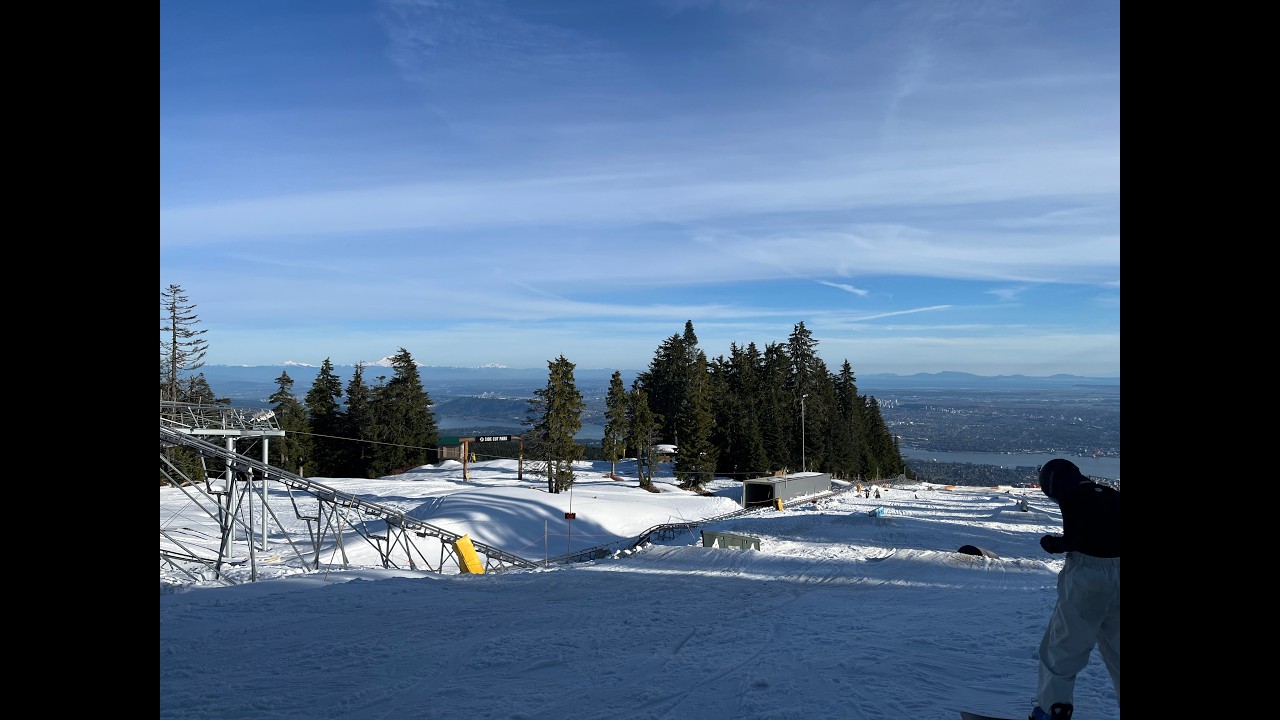
The Cut is Grouse Mountain’s signature run. It is wide, direct, highly visible, and lit for night skiing, which makes it the clearest visual shorthand for the resort. The line works for speed checks, early-season edge work, first groomer laps, follow-cams and beginner-to-intermediate progression. It also gives the mountain one of its strongest filming angles: city lights below, dark trees around the piste, and Vancouver in the background.
Night skiing is the superpower here. In many ski areas, the useful day ends when light fades. At Grouse, evening is part of the rhythm. Park riders can stack rail attempts after school or work. Beginners can build confidence on groomed, lit terrain. Filmers can use the skyline and floodlights instead of waiting for bluebird conditions. For skipowd.tv, Grouse should be tagged strongly around night skiing, urban ski resort, Vancouver, The Cut and park progression.
Five Named Park Zones And One Handle Tow
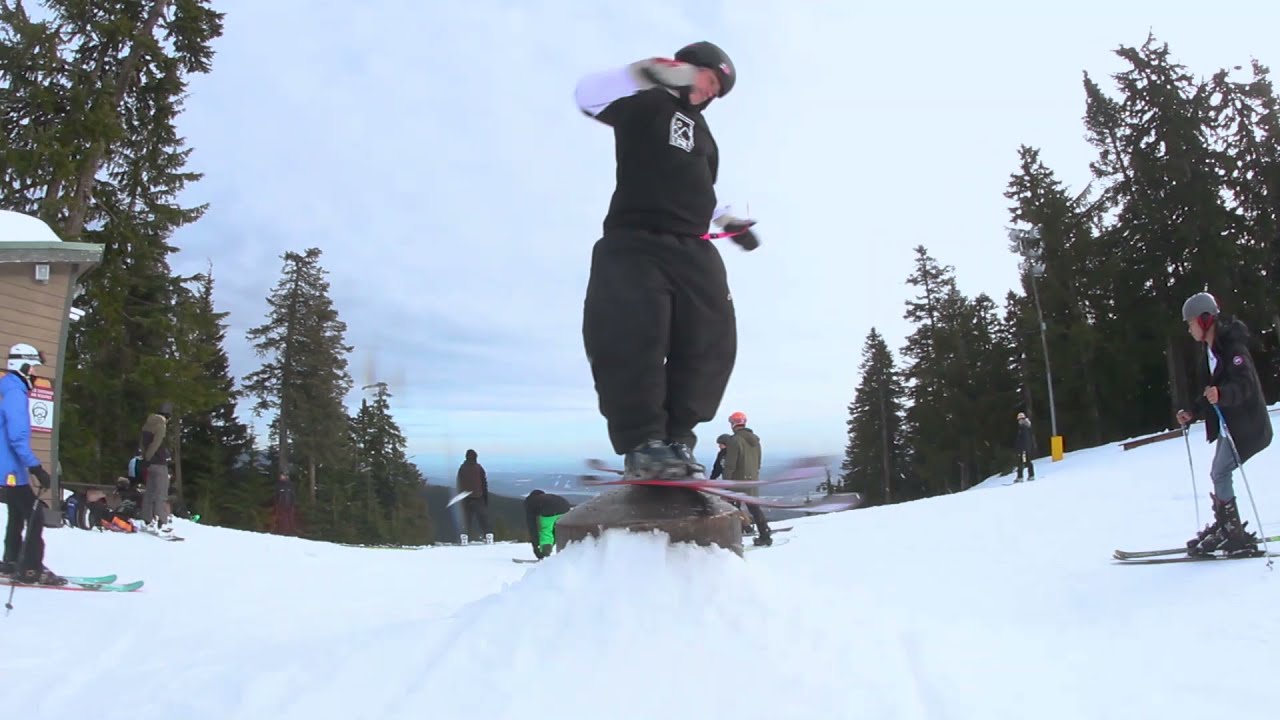
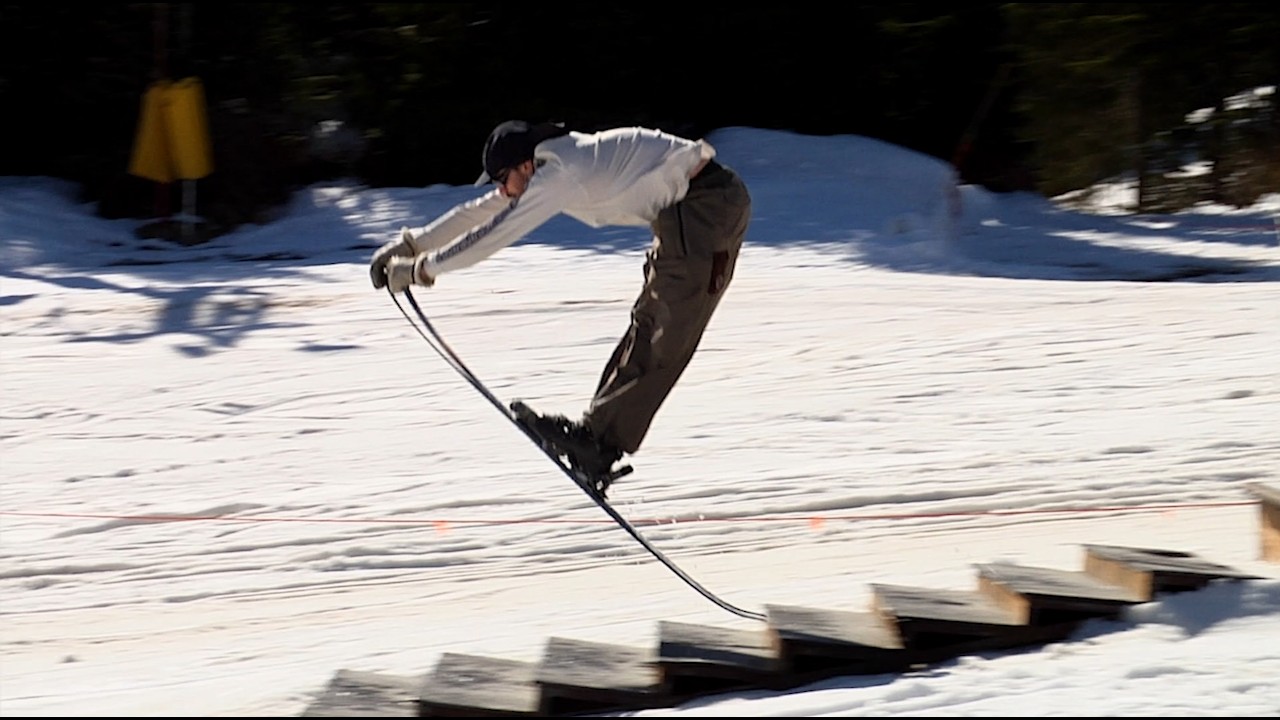
Grouse’s freestyle value is stronger than its size suggests. The current terrain-parks page details five named zones: The Cut Jump Line, The Cut Park, Side Cut Park, Rookie Park and Paradise Park. The official ticket page lists 6 terrain parks overall, but the named progression ladder is clear. Paradise Park gives beginners small boxes, bumps and jumps. Rookie Park moves into small-to-medium rails, boxes, jibs, hips and jumps. The Cut Park carries small-to-large snow, rail and box features for intermediates. Side Cut Park mixes intermediate-to-expert features, and The Cut Jump Line is the advanced-to-expert lane.
The Side Cut handle tow is the key operational detail. Grouse describes it as 250 meters long, with access to up to 20 features, removing the need for skiers and riders to lap the chair for every attempt. That changes the session. A short handle tow can make a small urban mountain feel much more useful because park progression depends on repetition, not vertical. A skier working on rails, takeoff timing or small jump confidence can get far more focused attempts in less time.
North Shore Progression Before The Sea To Sky
Grouse sits inside the broader British Columbia freeski ecosystem, but its role is specific. It is the city-side training hill before the larger Sea to Sky and Interior mountains. A young skier can start on Grouse, learn speed and balance under lights, build confidence in the parks, then later move toward Whistler, Cypress, Seymour, or bigger BC terrain when the skill set is ready.
Aidan Mulvihill gives that pathway a real athlete example. His skipowd.tv profile notes that he started skiing at age three on Grouse Mountain in North Vancouver before moving into Squamish, Whistler Freestyle, the BC Team and Freestyle Canada’s NextGen system. That does not make Grouse a world-class contest venue, but it proves the hill can be part of a serious development ladder. The first laps matter.
Marcus Vanheyst And The POV Side Of Grouse
The current Grouse Mountain skipowd.tv archive includes `Sketchy Spring Laps At Grouse`, a freeride POV clip by Marcus Vanheyst. That video footprint is useful because it shows another side of the location. Grouse is not only beginner park and night groomers. When spring surfaces, soft edges and variable North Shore weather line up, the mountain can produce short POV laps with a very different feel from destination-resort footage.
The important point is scale. Grouse clips should not be indexed as big-mountain freeride in the same way as Kicking Horse, Revelstoke or Jackson Hole. They should be framed as urban resort POV, spring laps, local hill skiing, park-adjacent content and Vancouver session footage. The mountain’s best videos will often be short, direct and atmosphere-driven: a few features, a quick run, city lights, sketchy snow, spring slush or a compact after-work edit.
Cypress Mountain Comparison On The North Shore
Cypress Mountain is the natural local comparison because it also sits on Vancouver’s North Shore and carries Olympic and freestyle history. Cypress has a stronger formal Olympic legacy through Vancouver 2010 freestyle and snowboard events, while Grouse has the sharper city-view and night-lap identity. Both matter for Vancouver ski culture, but they solve different problems.
Cypress works well for broader North Shore skiing, event history and a larger local-mountain feel. Grouse works best when access, lighting, snowmaking, short-lap progression and park repetition are the priority. For skipowd.tv metadata, that distinction is useful. Cypress content can lean Olympic legacy, Vancouver 2010, North Shore and resort discovery. Grouse content should lean The Cut, Side Cut Park, night skiing, Vancouver city laps, park progression and skyline footage.
Skyride Access And The Short Session Format
The Skyride access changes the psychology of the mountain. Grouse is not a place where skiers drive deep into a valley and disappear for a full resort day. The upload itself is part of the experience: city below, forested North Shore slope, then a compact mountain hub where runs, parks, restaurants and viewpoints sit close together. That makes the resort especially efficient for short sessions.
A productive freeski plan is simple. Start with one or two laps on The Cut to check edge hold and wax speed. Move into Paradise or Rookie Park if the goal is beginner progression. Step into The Cut Park or Side Cut Park when speed feels predictable. Use the handle tow for volume. If night operations are running well, save the best filming block for the evening when the skyline becomes part of the shot.
Coastal Weather Snowmaking And Variable Surfaces
Grouse’s snow is shaped by the coastal Vancouver climate. Conditions can move quickly between wet snow, firm groomers, soft spring surfaces, rain line shifts and cold night refreezes. That is why snowmaking and grooming matter so much here. The resort’s strength is not guaranteed deep powder. It is keeping high-use lanes and park approaches functional when the North Shore weather is complicated.
For riders, this means speed checks are not optional. A feature that rode well one night may be slower after wet snow or faster after a refreeze. Rails can feel different under coastal moisture. Takeoffs can change as temperature falls after sunset. The smartest Grouse riders build the first laps carefully, watch other riders, then step up only when in-run speed and landing texture are clear.
Park Etiquette And North Shore Backcountry Discipline
Inside the parks, etiquette should stay tight because the mountain is compact and traffic can build quickly. Call your drop, clear landings immediately, do not stand under knuckles, respect closed features, and give shapers space when lines are being rebuilt. The Side Cut handle tow can create dense traffic because the lap is so efficient, so predictable movement matters more than usual.
Outside controlled terrain, the North Shore is still real mountain country. Skiers leaving marked or managed areas need avalanche awareness, partners, rescue equipment and current information from Avalanche Canada. Grouse can feel close to the city, but weather, steep forested terrain, tree wells, creek holes and rapid warming can make unmanaged terrain serious. The right mindset is simple: use Grouse’s infrastructure for repetition, and treat anything beyond it as a separate mountain decision.
The Grouse Mountain Use Case For Freeskiers
Grouse Mountain Resort matters because it turns Vancouver’s backyard hill into a practical freestyle and night-skiing venue. The concrete pieces are strong for a 3/5 profile: 33 ski and snowboard runs, 15 night runs, 4 chairlifts, 6 terrain parks on the ticket page, five named park zones on the terrain-park page, a 250 meter Side Cut handle tow, up to 20 handle-tow-served features, The Cut, snowmaking, skyline views and a verified skipowd.tv video footprint.
January and February are the best months for cold night sessions and more consistent snow surfaces. March and spring can be useful for softer park landings, slush laps and city-view filming when coverage holds. For skipowd.tv, the strongest tags are Grouse Mountain Resort, Grouse mountain resort, North Vancouver, Vancouver, British Columbia, The Cut, The Cut Park, Side Cut Park, Rookie Park, Paradise Park, Cut Jump Line, handle tow, night skiing, skyline, park, rail, beginner park, spring laps, Marcus Vanheyst, Aidan Mulvihill and urban ski resort. Grouse’s concrete value is simple: it makes freestyle skiing usable on a weekday, above a major city, with enough park structure to turn short laps into real progression.