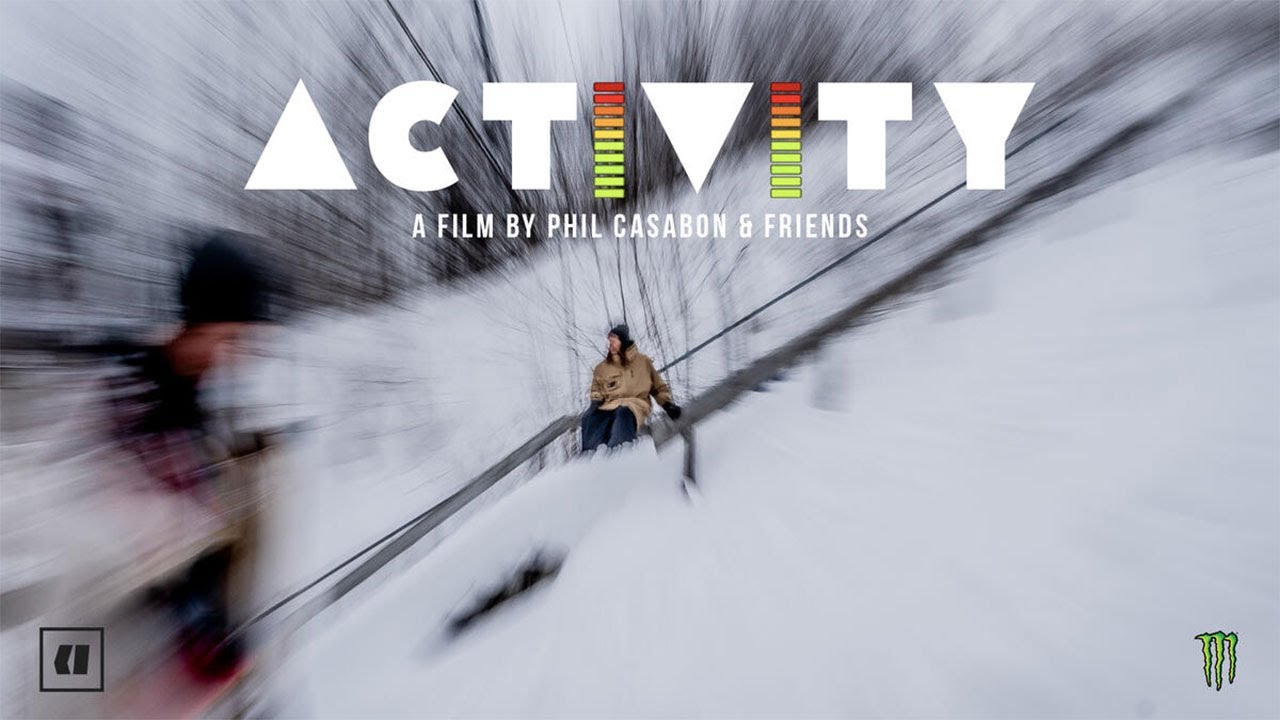
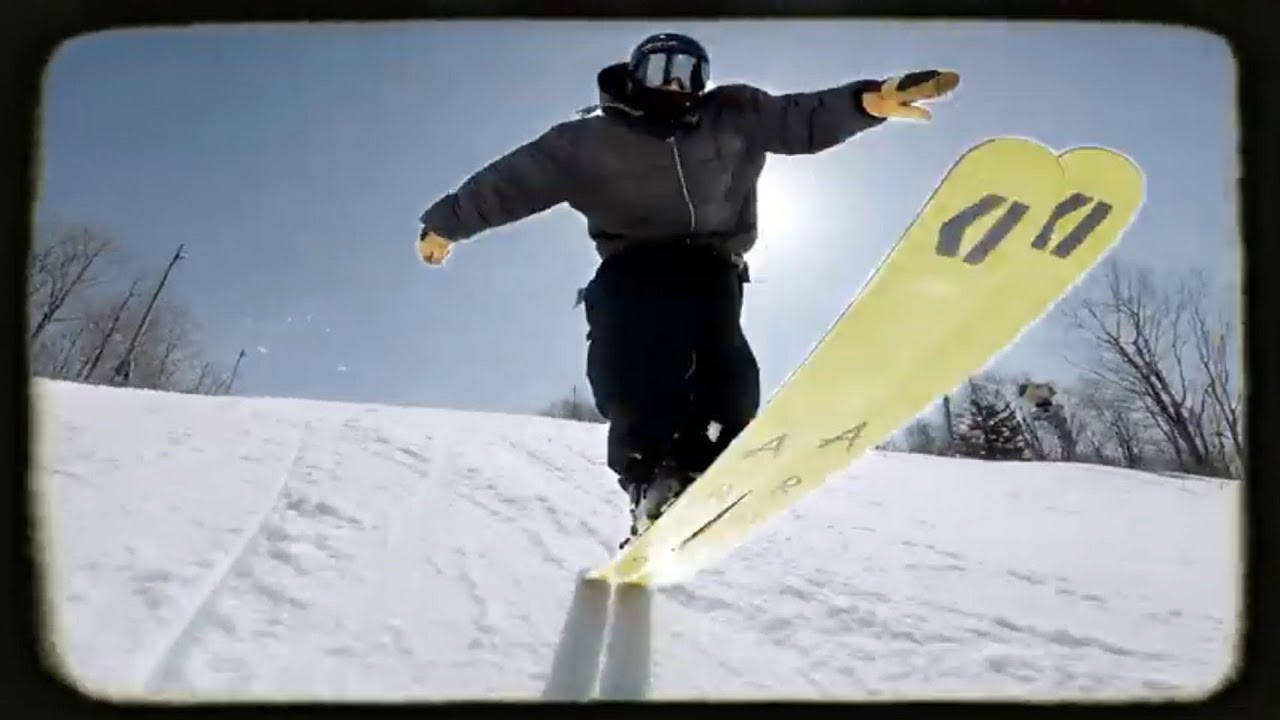
Liam Downey
Profile and significance
Liam Downey is an American freeski original from New England whose name is woven through the mid-2000s park and street era. He rose with the film movement rather than the FIS ladder, stacking memorable parts with the Denver-based production house Level 1—including a prominent role in “Long Story Short” (2006) and features in “Realtime” (2007) and “Turbo” (2008). Those edits made him a touchstone for how urban/street skiing and resort park laps could read clearly at full speed: squared-up approaches, deep functional grabs, decisive rail lock-ins, and centered landings that keep momentum alive. Beyond filming, Downey carried that sensibility into coaching blocks and storytelling, helping younger riders translate style into repeatable technique at places like Mt. Hood and Summit County.
What sets Downey apart is durability of influence. He didn’t chase Olympic slopestyle or big air podiums; he showed a generation how to make hard things look simple on camera and in person. Later collaborations—like a 2022 piece with Armada filmed by Brady Perron—reminded longtime fans why his skiing still holds up: the mechanics are on time, and the decisions serve the line, not the stat sheet.
Competitive arc and key venues
Downey’s “arc” lives in projects and rider-run gatherings more than bib counts, but the venues that shaped him are the sport’s classrooms. Early repetitions around Vermont and the Stratton corridor put him on the East’s radar, with appearances at marquee rail jams and spring shoots. The film years tied him to springs and summers at Timberline Lodge (Mt. Hood), where long lanes and consistent lips let him refine patient takeoffs and full-length grabs, and to Woodward Copper, where dense rail panels compress decision-making into short in-runs and quick outruns. Travel blocks to Park City Mountain and Pennsylvania’s Seven Springs added different geometries and speeds; shoots and camps at Copper Mountain and East Coast nights at Killington brought contest-style pressure without the rulebook.
Those places explain the toolkit you see on film. Firm mornings and slushy afternoons demand honest edge angles; short urban runways force early commitments. When his segments landed with viewers, it wasn’t because they hid the work—it’s because the trick math stayed legible no matter the build.
How they ski: what to watch for
Downey skis with deliberate economy. On rails he squares the approach early, centers mass on contact, and locks in decisively rather than theatrically. Surface swaps resolve completely; presses carry visible shape instead of wobble; exits protect enough speed that the next setup arrives naturally. On jumps he manages spin rate with deep, functional grabs—safety, tail, or blunt depending on axis—and he gets to the handle early enough to calm rotation and finish the landing over his feet. Directional variety appears both forward and switch, left and right, but never breaks cadence because each choice serves the line.
If you want to “read” a Downey clip in real time, track two cues. First, spacing: he leaves room between moves so every trick sets angle and speed for the next one, making a full run feel like a sentence instead of disconnected words. Second, grab discipline: the hand finds the ski early and stays long enough to stabilize the axis, not just decorate the frame. That habit is why heavier spins look unhurried and why editors can present his shots at normal speed without slow-motion rescue.
Resilience, filming, and influence
Street skiing rewards process—shovel and salt, rebuilds after busts, and the judgment to walk away when the approach won’t hold. Downey leaned into that rhythm throughout the Level 1 era and beyond, contributing not just footage but also a voice that helped riders and viewers understand why certain choices age well. As a writer and mentor, he has translated trick math into plain language, arguing for style as technique: early commitments, functional grabs, tidy landings, momentum protected. Coaching stints at places like Windells on Mt. Hood and sessions tied into Summit County’s Woodward Copper ecosystem kept him connected to the next crop while reinforcing the same template he filmed a decade earlier.
The influence shows up wherever park kids try to turn “vibe” into decisions. Downey’s lines are case studies: obstacle-spanning tricks that use the whole feature, speed checks that don’t spill into landings, and finishes that leave time for the next choice. That blueprint is as useful to an aspiring slopestyle rider as it is to someone planning an urban/street skiing hit list for winter break.
Geography that built the toolkit
Place is the skeleton of Downey’s skiing. Vermont’s freeze-thaw and night-skiing routine near Stratton Mountain and the wider New England corridor instilled edge honesty and approach discipline. Summers at Timberline stretched the runway—reps on consistent lips turn early grab timing into habit. Colorado’s Summit County, particularly Copper Mountain with the Woodward build, compressed everything back down into short, high-frequency approaches that punish late decisions. Thread those environments together and you get skiing that stays itself on clean spring salt, storm refreeze, or a city staircase under LEDs.
Equipment and partners: practical takeaways
Downey’s hardware choices mirror his priorities. Film-era work with Level 1 prioritized predictable swing weight and edge life on steel; his later collaboration with Armada underlined a preference for skis that reward early-grab control and centered landings. For skiers applying the lessons, think category fit over model names. Choose a symmetrical or near-symmetrical park ski and mount it so presses feel natural without compromising takeoff stability. Keep bases fast so cadence doesn’t depend on perfect weather; tune edges to hold on rails yet soften contact points enough to avoid surprise bites on swaps. Above all, treat the grab as a control input—lock it early to stabilize the axis and ride out centered with speed for what comes next.
Why fans and progressing skiers care
Liam Downey matters because he helped codify a language for modern freeski—especially urban/street skiing and resort slopestyle—that is still teachable today. The films prove the point, the coaching and writing spread it, and the skiing itself remains rewatchable because the decisions are clear. For viewers, his segments hit that sweet spot where difficulty looks inevitable. For riders in progression, his blueprint is actionable on the next lap: square the approach, use the grab to steer the axis, finish the move early, and leave every feature with momentum. From night laps in Vermont to summer lanes at Timberline and park lines at Copper Mountain, the message holds.