Big Sky
Rocky Mountains
United States
Overview and significance
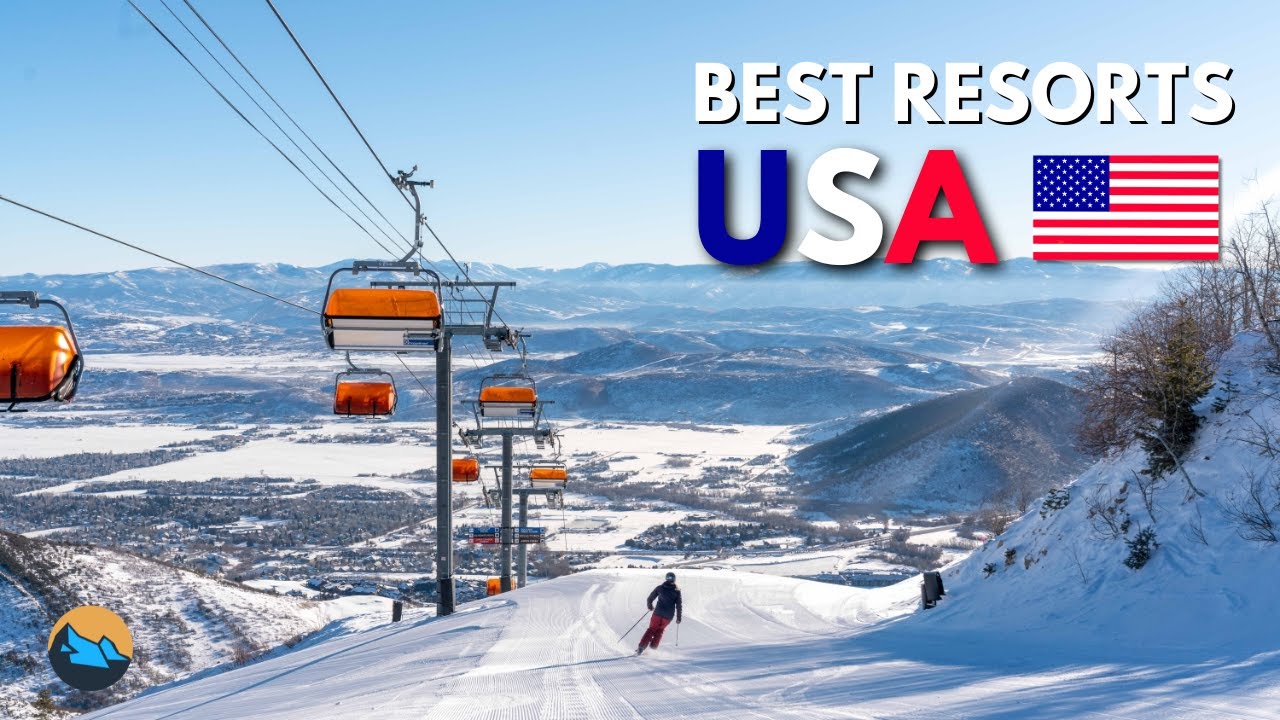
Big Sky, Montana centers on Big Sky Resort, a vast, high-alpine destination dominated by Lone Peak and famed for long fall lines, tram-accessed steeps, and a steadily modernized lift network. The scale is tangible: 5,850 acres, 4,350 vertical feet, roughly 40 lifts, and over 300 named runs according to the resort’s mountain information. For freeskiers, the appeal splits cleanly between serious in-bounds big-mountain terrain like the Big Couloir and Headwaters Ridge, and a six-park progression that lets crews stack laps and footage without leaving the base pod.
In the last few seasons Big Sky has doubled down on infrastructure. Ramcharger 8 set a new North American standard for bubble eight-packs, Swift Current 6 brought the continent’s fastest six-person chair to the main base, Madison 8 replaced Six Shooter to nearly double uphill capacity on the Moonlight side, and a brand-new Lone Peak Tram debuted with 75-person cabins governed by “snow capacity” rather than a fixed headcount. The result is a mountain that rides bigger and smoother, with lift lines that clear quickly even on storm weeks.
Terrain, snow, and seasons
Lone Peak’s 11,166-foot summit pulls your eye from everywhere on the hill. Off the tram, advanced and expert skiers aim at chalky high faces and couloirs when patrol green-lights upper terrain. The Big Couloir is the best-known line, a steep, sustained chute that requires a partner, avalanche transceiver check, and a sign-out with Ski Patrol at the tram top; entry slots are limited to keep spacing safe. To the north, the Headwaters and the A–Z chutes are in-bounds hike-to terrain with true no-fall zones; patrol emphasizes skiing them one at a time, top to bottom, with clear communication. Below the alpine, pods like Powder Seeker, Shedhorn, Southern Comfort, and Andesite stack cruisers, gullies, and techy trees that keep storm days productive.
Snow quality trends continental. Midwinter brings the “cold smoke” feel—light, dry snowfall that preserves well on north and east aspects. Wind can build slabs and shut upper lifts; on those days, treeline benches and lower glades hold visibility and soft snow. The core operating window typically runs late November into April; exact dates vary, so check the resort’s current conditions page for lift status, tram advisories, and terrain openings.
Park infrastructure and events
Big Sky runs six distinct parks with a clear learning ladder. The resort lists Wolf Pup, Cowpoke, and Explorer as the first step for boxes, banked features, and small jumps; The Cache and Plain Jane scale up rails and takeoffs; and Swifty—under the Swift Current 6 zone—is the headline park with bigger tables and more complex rail lines. Names and layouts evolve through the season, but the intent is consistent: safe progression, predictable speed, and repeatable laps anchored to high-capacity lifts. Park SMART and the Boyne PEEPs program are promoted on the resort’s safety pages, and on busy weekends you’ll see park staff actively tuning lips, salting, and advising on speed.
Competition here leans freeride and grassroots. Big Sky routinely hosts IFSA junior freeride events on in-bounds venues and supports USASA rail jams and slopestyle starts in the main park zones. The official events calendar lists upcoming dates each winter; if your crew is filming or ticking off trick goals, plan around those windows to session contest-tuned features.
Access, logistics, and on-mountain flow
Fly into Bozeman Yellowstone International (BZN); Big Sky is about an hour south via US-191 through the Gallatin Canyon. See the resort’s Getting Here guide for flight and shuttle options, and BZN’s official site for current airline routes. On arrival, you can stage from three base portals: Mountain Village (central lifts and services), Madison Base (family-friendly and direct access to the Madison 8), and Montage (hotel base with on-mountain access).
For park volume, lap Swift Current 6 and its adjoining terrain where Swifty and The Cache typically sit; the lift’s speed and bubble chairs keep turnover high even in cold spells. For freeride days, start with a conditions check and tram status, then build from Andesite and Powder Seeker toward Lone Peak as wind and visibility allow. If you’re targeting the Big Couloir, sign out at the patrol hut on the summit, confirm beacon function, and hold your slot; only two skiers are permitted every 15 minutes. On the Headwaters ridgeline, expect bootpacks, short traverses, and one-at-a-time drops through consequential panels—flow improves if your group pre-plans exact lines and regroup points.
Local culture, safety, and etiquette
Big Sky’s culture is mountain-first and patrol-aware. Inside the boundary, hazard mitigation is robust, but steep zones still require judgment, partner communication, and adherence to posted rules. Review the resort’s safety guidance for Park SMART and in-bounds hiking policies, and check the Gallatin National Forest Avalanche Center for regional context before storm cycles roll in. The local forecast lives at mtavalanche.com and covers the Northern Madison/Gallatin ranges that influence conditions around Big Sky.
In the parks, call your drop, clear landings quickly, and start small while you calibrate speed. The PEEPs Park Etiquette and Education Program—hosted by Boyne Resorts—offers a quick refresher on best practices; it’s referenced from the resort’s safety content and detailed at the PEEPs page. Around the hill you’ll see brand partnerships like GoPro highlighted alongside official partners on the resort’s Partners page; expect occasional demo days and photo ops on bluebird laps.
Best time to go and how to plan
Mid-January to late February stacks the odds for cold, preserved snow, consistent park lips, and chalk on high faces between resets. March adds daylight and a forgiving surface cycle for learning new tricks in the park or timing alpine corn on solar aspects when the weather breaks. Use the mountain’s live updates for wind holds and park status before committing to a sector, and keep an eye on the Lone Peak Tram advisory if summit laps are a priority.
Big Sky participates in the Ikon Pass program; access varies by pass tier, and tram access has its own product and policies spelled out by the resort and in Ikon’s FAQ. Lodging ranges from slopeside hotels and condos in Mountain Village to properties at Madison Base and the Montage zone; book early on holiday weeks. If you’re mixing ski and film days, plan a town run to Bozeman for supplies and rest, then hit a midweek storm window for lower crowds.
Why freeskiers care
Because Big Sky marries consequence with consistency. You can build real big-mountain mileage in-bounds with patrol-managed access to iconic lines, then pivot to a six-park system laid out for steady repetition and clean speed checks. Modern lifts cut friction from the day, the tram unlocks top-tier alpine when conditions align, and the scene—quietly competitive, safety-literate, and focused—rewards skiers who value craft over hype. Add straightforward travel through BZN and the option to explore the broader Montana corridor on storm cycles, and Big Sky earns a permanent slot on the freeski map.