La Parva
Andes
Chile
Overview and significance
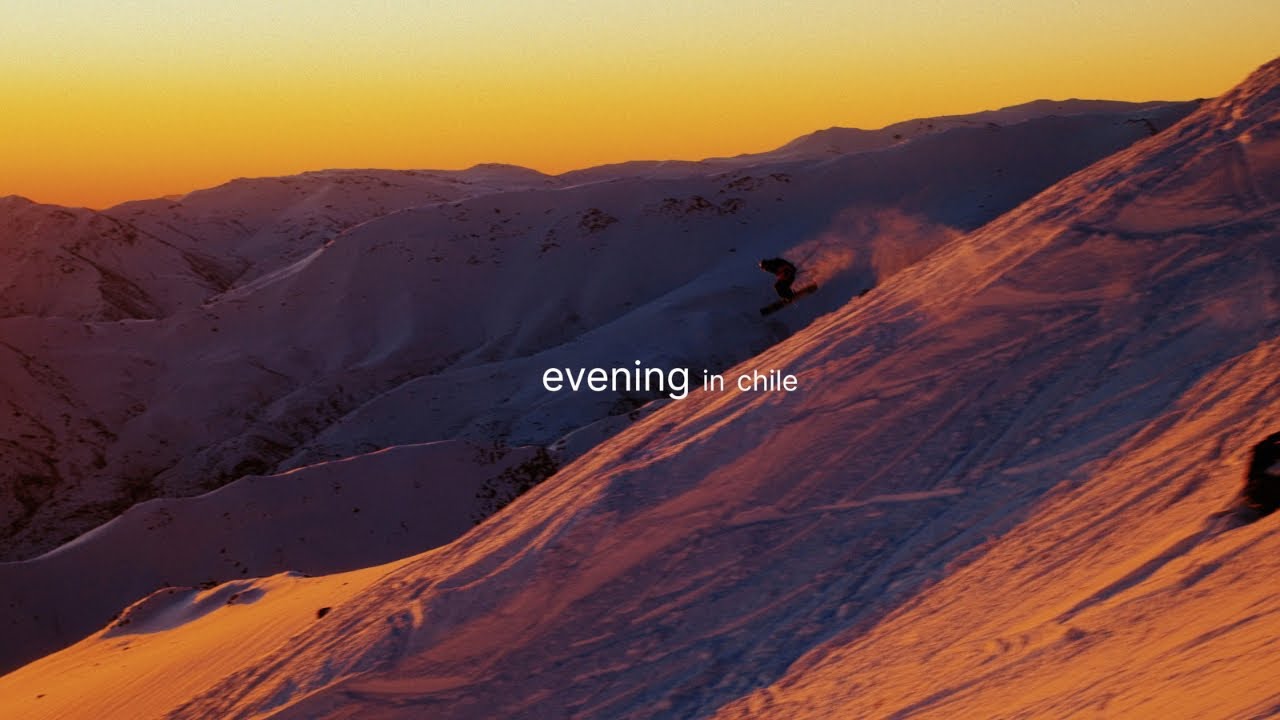
La Parva is a high-Andes ski resort perched above the Chilean capital, sitting on a ridge at roughly 2,700 metres with lifts reaching up toward 3,600 metres. It is one of the three Tres Valles areas along with Valle Nevado and El Colorado, forming Santiago’s main lift-served winter playground. As a resort, La Parva blends a residential, chalet-style village with a race-focused mountain, offering around forty marked runs, several hundred hectares of skiable terrain and close to 960 metres of vertical drop from top to bottom. Because it lies so close to a major city yet firmly in a high-mountain environment, it has become a key training and freeski hub in the Southern Hemisphere winter.
The mountain has long-standing ties to alpine racing. South American Cup speed events, technical races and training camps for European and North American teams regularly use La Parva’s steep, race-prepped pistes. At the same time, the resort’s layout naturally favours freeriders and strong all-mountain skiers: most of the terrain sits above treeline on broad, open slopes with bowls, rollovers and ridges that invite big turns and off-piste exploration. For visiting freeskiers, La Parva offers a distinctly Andean feel with quick access from Santiago and a strong local athlete presence, especially during the August and September race blocks.
Terrain, snow, and seasons
La Parva’s lift network fans out from a compact, slope-side village built on a sunny bench. Chairlifts and surface lifts climb to exposed summits around 3,600 metres, dropping into a mix of groomed pistes and open faces. The resort’s stats vary slightly between sources, but you can expect roughly forty official runs served by well over a dozen lifts and about 900 to 1,000 metres of vertical when conditions allow top-to-bottom skiing. The pistes are graded across the full spectrum, though the hill clearly leans toward intermediate and advanced riders, with a large share of red and black terrain designed for carving at speed.
On-piste, La Parva is defined by long, fall-line descents that run straight down the mountain rather than traversing extensively. Broad blue and red groomers trace natural gullies and shoulders, offering big-radius turns and a predictable pitch that works well for technique work and race training. Steeper blacks peel off ridges and roll into more sustained pitches, some of which serve as official race tracks during South American Cup events. Because there are no trees, even mid-level runs feel visually dramatic, with uninterrupted views across neighbouring peaks and down toward Santiago’s distant basin when air conditions are clear.
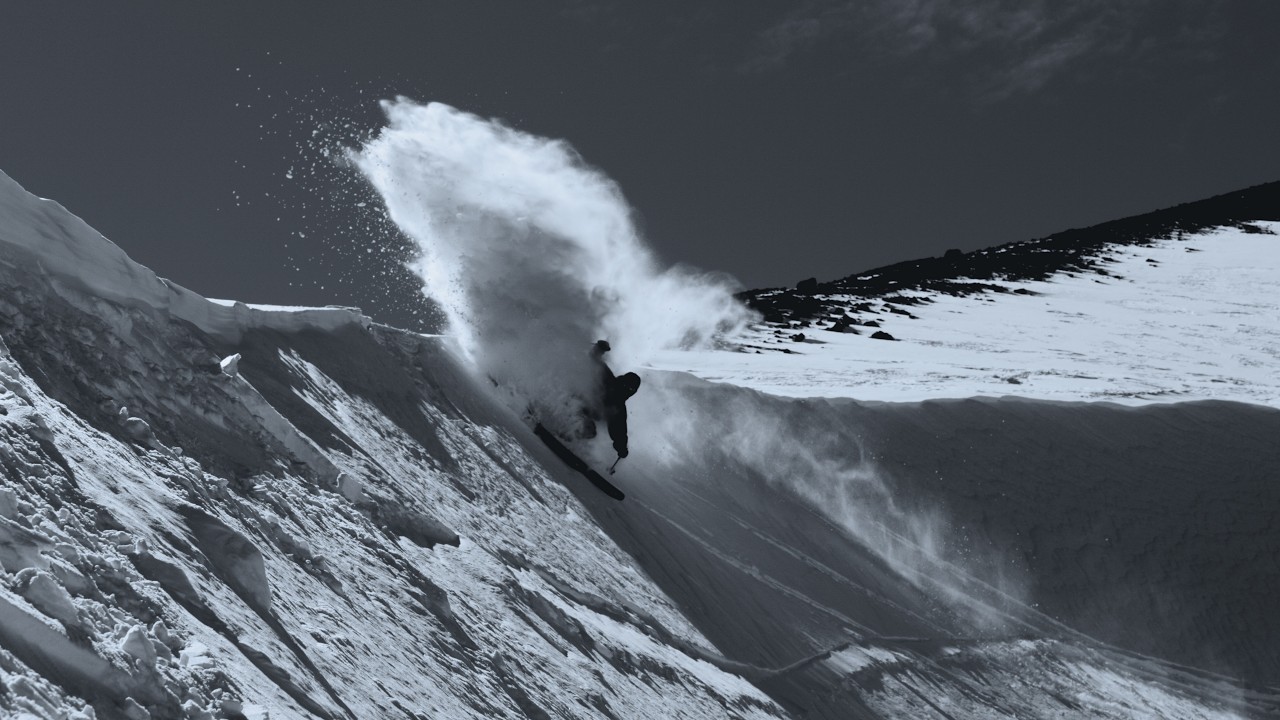
Off the groomers, La Parva has a reputation for accessible freeride terrain. Between-piste zones, side bowls and short hike-to lines form a loose web of powder stashes once storms roll through. Shorelines and small rock bands create natural drops and mini-spines that strong freeskiers can lap repeatedly, often within sight of the lifts. The resort’s position on a middle ridge between El Colorado and Valle Nevado also means that traverses and connector lifts can be used to build longer circuits that sample different aspects and snow qualities over the course of a day, provided the Tres Valles links are open.
Snowfall in central Chile is strongly tied to Pacific storm cycles, which tend to arrive in pulses rather than daily flurries. La Parva typically reports several metres of snow per season, boosted by its high base elevation and cold upper slopes. In good winters, deep storm totals stack up into a stable base that can last well into September and sometimes October. The snow is generally drier than at lower, more wind-exposed hills but can still feel denser than interior-continental powder, especially later in the season or after warm events. Modern snowmaking on key pistes supports early-season operations and helps keep return routes open during leaner periods.
Park infrastructure and events
La Parva maintains a small but meaningful terrain park, which has been an important part of Chile’s freestyle scene over the years. The park is typically set up on a slope with a constant, moderate pitch that lends itself to rail and jump lines without requiring excessive speed. While it is not as large as the most famous slopestyle venues in Europe or North America, it offers enough variety for solid progression: boxes and low rails for newer park skiers, plus more technical jibs and medium-sized jumps for experienced riders.
The focus is on slopestyle-style flow rather than isolated single features. Park crews usually arrange rails, boxes and tabletops so that you can link multiple hits per run, combining rail tricks, spins and switch landings in one line. Because the entire resort is above treeline, the park enjoys a wide-open feel with panoramic Andes views that make even simple park laps feel visually impressive in photos and video. When snow and scheduling allow, La Parva has hosted regional contests, rail jams and media shoots that bring together local freestyle crews and visiting athletes training in the Tres Valles.
Racing remains the resort’s biggest event calling card. South American Cup speed races, technical events and national-team training camps regularly use La Parva’s steepest pistes. These sessions often run in late August and early September, when the snowpack is mature and weather windows are more predictable. For freeskiers, this brings side benefits: the same slopes that host downhill or super-G runs are meticulously prepared and then opened to the public in normal operating periods, offering a taste of true race-course steepness and surface quality when they are not reserved for competition.
Access, logistics, and on-mountain flow
One of La Parva’s big advantages is logistical simplicity once you commit to the mountain road. The resort sits about 45 to 50 kilometres from central Santiago, accessed by the same switchback-heavy road used for El Colorado and Valle Nevado. The final stretch toward La Parva branches off onto a side road that climbs to the village, with traffic patterns often managed by time-based one-way windows on busy weekends and holiday periods. Snowstorms can make the ascent challenging, and local authorities frequently require chains, so many visitors prefer to book shuttle transfers or ride with experienced local drivers.
The village itself is compact and primarily residential, with apartments and chalets stepping up the hillside and most lodging either ski-in/ski-out or within a short walk of the lifts. Day visitors can park in designated areas below the main buildings and take surface lifts or short walks to reach the snow. On-mountain services—ticketing, rentals, basic retail, ski school and food—are clustered near the primary base area, which simplifies orientation for first-time guests.
Once on snow, movement is straightforward. Lower lifts fan out from the village to intermediate ridges, where higher chairs and surface lifts take over and ferry riders to the uppermost terrain. Because most pistes drain naturally back toward the same central bench, it is easy for groups to split by ability, explore different sectors and regroup periodically at mid-mountain restaurants or at the main base. When the Tres Valles connections are operating, advanced skiers can follow marked routes toward El Colorado or Valle Nevado for longer missions, but they need to keep a close eye on last-lift times and weather holds to ensure a timely return to La Parva before closures.
Local culture, safety, and etiquette
La Parva’s culture mixes weekend-house energy with a serious sporting heartbeat. Many of the apartments and chalets belong to Santiago families who use them throughout the winter, so the village feels more like a residential enclave than a classic hotel-driven resort. During weekdays outside school holidays, the resort can be relatively quiet, with a mix of local riders, training teams and a handful of international visitors. Weekends and holidays are livelier, with parking lots filling early and terraces buzzing at midday.
Because La Parva is a long-established training venue, there is a strong emphasis on structured skiing. You will often see club athletes and national-team groups running gates or drills on dedicated lanes, sharing the mountain with recreational skiers. Respecting lane closures, race-course barriers and training spaces is an important part of local etiquette, just as giving space to beginners in learning zones and keeping speed under control in busy choke points is essential.
Safety considerations here are shaped by both the high-alpine environment and the race culture. The entire resort sits above treeline, so wind, visibility and temperature can shift quickly. Storm days can bring flat light that makes it hard to read terrain, and ridge-top winds sometimes force temporary lift closures. Off-piste and sidecountry zones, though easy to reach from lifts, are still subject to avalanche hazards, especially after major storms or wind-loading events. Within the boundaries, patrol performs control work and sets closures, which need to be treated as firm: ducking ropes is taken seriously and can cost you your pass.
Recent high-level training accidents in La Parva have also reinforced how much speed and course setting matter on steep Andean slopes. For everyday freeskiers, the takeaway is simple: treat race lanes, steep pistes and off-piste entries with respect, and avoid pushing past your limits when visibility or snowpack stability is questionable. Wearing a helmet, skiing with partners who understand the terrain and checking daily conditions reports before heading up are all part of normal best practice here.
Best time to go and how to plan
La Parva’s lift-served winter typically runs from mid-June into late September, with variations depending on each season’s storms and temperatures. For most international freeskiers, the sweet spot runs from mid-July through late August. By then, the base is usually solid across the main pistes, off-piste areas have filled in, and the resort is fully operational with ski school, park features and race training all in motion. This window also aligns with peak Southern Hemisphere winter, making it easier to link La Parva with other Chilean or Argentine destinations on a broader road trip.
June and early July can be attractive for early-season turns, especially in high-snow years, but coverage can be more variable and some links or steeper faces may open later. September tilts toward spring skiing, with firmer mornings that soften into corn on sunny slopes and a more relaxed, post-competition atmosphere as major race blocks wind down. For film crews, photographers and riders who enjoy soft spring snow and clearer skies, this shoulder period can be especially rewarding.
Planning starts with deciding whether La Parva is your primary base or part of a Tres Valles mix. Staying in the village gives you quick access to the lifts and an immersive high-altitude experience, but it limits nightlife and non-ski options compared with downtown Santiago. Basing yourself in the city and taking day trips is possible, especially with organised shuttle services, but the mountain road demands early starts and weather flexibility. Whichever approach you choose, booking accommodation and transfers well ahead of Chilean school holidays and major South American Cup dates is wise, as capacity on the hill is finite and demand can spike around big events and storm cycles.
Why freeskiers care
Freeskiers care about La Parva because it delivers genuinely serious terrain and altitude in a setting that is surprisingly accessible. From a global perspective, it is one of the few places where you can fly into a major metropolis, drive for little more than an hour and arrive at a ridge-top village with nearly 1,000 metres of vertical and high-alpine, treeless faces in every direction. The combination of race-hardened pistes, playful between-piste bowls and straightforward sidecountry access means you can build days that alternate between carving, freeride laps and park lines without leaving the main lifts.
There is also the seasonal timing and cultural context. During the Northern Hemisphere summer, La Parva is in full winter mode, hosting national teams, South American Cup races and local freeski crews all at once. For riders chasing year-round progression, it becomes a practical and inspiring option: a place to test yourself on steep Andean fall-lines, score real storm days in July or August, and plug into a Chilean mountain community that lives and trains at altitude above one of South America’s most important cities. For skipowd.tv’s map, La Parva stands as a key link in the Tres Valles chain and a core stop in any serious Southern Hemisphere freeski itinerary.