Stina Sjögren
Profile and significance
Stina Sjögren is a Swedish freeski park rider who has quietly turned into one of the key all-round talents in the national scene. Riding for the Stockholm-area club Norra Freeski, she splits her time between slopestyle, big air and halfpipe, with a competition record that already includes multiple Swedish championship titles and an overall win on the Swedish Slopestyle Tour. Swedish media and the national federation describe her as both a results leader and a role model, someone who pairs podium skiing with real effort to keep more girls in the park. That combination has made her one of the names Swedish freeski fans expect to see at the top of domestic rankings each winter.
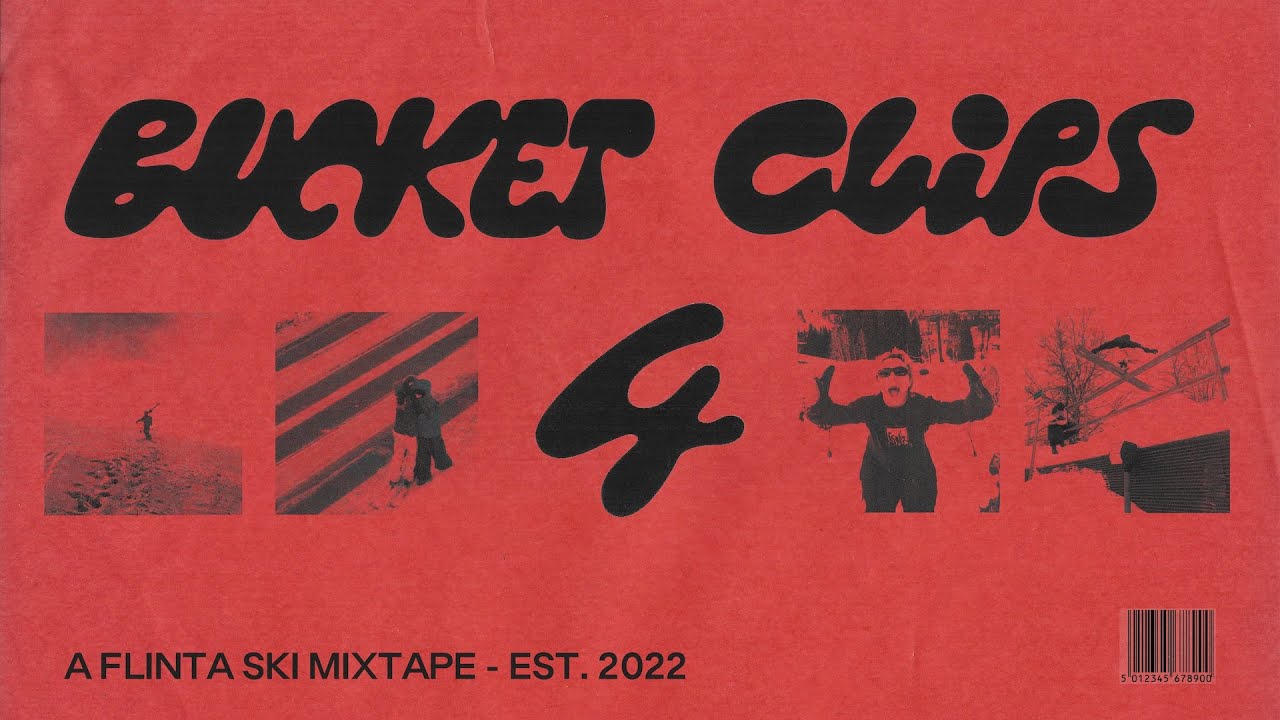
Her breakthrough into wider awareness came in 2022, when Freeride’s “The Flip” guide listed her among seven Swedish freeskiers to watch, highlighting her park style and growing presence in edits and national results. In the 2023–24 season she delivered on that early attention in a big way, winning the overall Swedish Slopestyle Tour senior title and then backing it up with Swedish championship gold in halfpipe. The following winter she repeated as halfpipe national champion with a 93-point run in Kläppen’s pipe, proving that the first title was no one-off. Add in her appearance in the international all-FLINTA ski movie “Bucket Clips 4” and regular clips from national team sessions, and Sjögren now sits firmly in the “must-know” category of Scandinavian park skiing.
Competitive arc and key venues
Sjögren’s competitive arc runs straight through the modern Swedish freeski pathway: club-based park riding, Swedish Slopestyle Tour stops, then Swedish Nationals across multiple disciplines. Early on she appeared in results from national events at Kläppen and other resorts, often in the mix on slopestyle and big air start lists. By the 2023–24 season she had turned consistency into full-season dominance, sealing the overall Swedish Slopestyle Tour senior women’s title at the final stop and earning Svenska Spel’s Hejapris in recognition of both her results and her impact as a role model.
The same spring, at Swedish Nationals in Kläppen, she showed her range. In big air she claimed a senior women’s medal, and in halfpipe she went one better, winning the Swedish championship title. Official federation reports for 2024 list her first in women’s halfpipe, ahead of established names from UHSK and other strong clubs. A year later, in April 2025, she returned to Kläppen for another SM halfpipe and dominated again, this time riding for Norra Freeski and scoring 93.00 to secure back-to-back national titles in a discipline that is still relatively rare in Sweden. The same SM week also saw her in the big air final, finishing just off the podium in a field that included many of the country’s top female park riders.
Between these headline events, she racks up ranking points at Swedish Slopestyle Tour stops and national series competitions. Rankings published by the Swedish Ski Association place her near the top of senior women’s park standings, and regional press coverage of SM weeks routinely mentions her as one of the main contenders in slopestyle, big air and halfpipe alike. Courses at Kläppen’s National Arena, which regularly hosts national team camps, and at other tour stops form the backbone of her competitive environment, giving her repeated chances to put down high-pressure runs on well-built, but unforgiving, park lines.
How they ski: what to watch for
Watching Stina Sjögren ski is about noticing how she carries the same foundations across pipe and park. In halfpipe she favours clean, well-timed hits rather than wild Hail-Mary runs: strong edge sets up the wall, solid extension at the lip and composed grabs held long enough to show control. Her lines run high enough in the pipe to keep judges interested, but the real signature is how she lands back into the transition with speed and immediately drives into the next wall instead of stalling in the flat bottom. That flow is a big part of why she has been able to win Swedish halfpipe titles in consecutive years.
In slopestyle and big air, the same approach shows up in her jump skiing. She typically focuses on rotations she can execute cleanly every time, using good pop, stable posture in the air and tidy grabs to maximise scores without depending on the very latest trick progression. When you watch clips from Kläppen or training days at Ruka Park in Finland, the pattern is similar: smooth takeoffs, confident grabs and landings that keep her moving down the hill. On rails she leans into solid basics—centred stance, clear lock-ins and deliberate spin-offs—often choosing lines that string several features together in a way that looks like one continuous idea rather than a series of isolated tricks.
For progressing skiers, the key details to watch are speed management and body language. Sjögren tends to arrive at features with the speed she needs already dialled, which lets her stay relaxed on takeoff and in the air. Her shoulders stay relatively quiet, and she rarely has to make sudden, last-second corrections. That calm, almost understated style is a big reason why her runs score well at Swedish Nationals and on the Slopestyle Tour: judges can see every grab and every landing clearly, and fans can imagine themselves working toward the same level with time and repetition.
Resilience, filming, and influence
Sjögren’s influence extends beyond result lists thanks to the way she uses her platform inside Norra Freeski and Swedish freeski more broadly. When she received Svenska Spel’s Hejapris alongside her Swedish Slopestyle Tour overall win, she chose to donate half of the 10,000-kronor prize to her home club in Stockholm. In federation interviews she explained that she wants those funds to help Norra Freeski create better conditions for kids and teenagers—especially girls—who want to ski park and stay in the sport. That decision captured a lot about how she sees her role: not just as an athlete, but as someone who helps build an environment where more riders can follow.
Her “resilience” is visible in the way she juggles multiple disciplines and commitments. Swedish freeskiers rarely get many halfpipe starts each year, yet she has managed to keep improving in that event while still hunting slopestyle and big air results. Each SM week in Kläppen comes with a full programme of rail jams, kids’ contests and main-event finals, and she is often present across several days, putting down runs in different formats with little recovery time. Off-snow, she stays involved in community projects, from Norra Freeski’s girls’ sessions to national-team-linked gatherings where young riders can lap the park with established names.
On the media side, her profile is beginning to stretch beyond Sweden’s borders. She appears in the credits of “Bucket Clips 4,” the all-FLINTA ski movie that stitches together park, street and freeride clips from riders across Europe and North America, and she shares screen time with fellow Swedes in edits shot at Corvatsch in Switzerland, Kläppen and Trysil in Norway. Those segments take the style she developed in Swedish snowparks and place it in a broader context, showing international audiences what the country’s new generation of park skiers looks like.
Geography that built the toolkit
The geography behind Sjögren’s skiing is distinctly Nordic. At home she rides with Norra Freeski, a freeski club based north of Stockholm that focuses on park skiing and community sessions for all ages. Local hills around the capital provide early-season laps, rail practice and club events, giving her a chance to build tricks in a relatively low-pressure environment. From there, the competitive map stretches outward to bigger destinations like Kläppen in Dalarna, whose National Arena snowpark and halfpipe host Swedish Nationals and national team camps. The resort’s dedicated park zone, with progressive jump and rail lines, is where many of her most important results have been earned.
Beyond Sweden, her clips and hashtags point to regular time at Ruka Park in northern Finland, where long seasons and consistent park builds offer a reliable winter training base. Trips to Corvatsch in Switzerland and Trysil in Norway add high-alpine and Scandinavian park flavours to the mix, each with its own snow textures, light and jump shapes. Back home in Sweden, media coverage shows her on podiums in Kläppen and at other national tour stops, reinforcing the sense that she is comfortable adapting her skiing to different parks and conditions across the region. All of this geography combines into a toolkit that travels well: she can bring the same calm, composed park style to a windy Swedish Nationals final as to a bluebird training day in the Alps.
Equipment and partners: practical takeaways
While Sjögren is not marketed around a single pro-model, her public clips and event appearances give clear hints about the equipment choices behind her skiing. In Swedish team and tour coverage she is often seen on modern twin-tip park skis from brands like HEAD, models built to handle rails, jumps and halfpipe walls with the same pair of skis. For a rider balancing slopestyle, big air and pipe, that kind of do-it-all park ski—twin-tip shape, durable edges and a flex that is stable but still playful—is essential.
Her main “partner” in terms of support is Norra Freeski itself, along with the wider Swedish freeski structure. The club provides coaching, organised sessions and a community of motivated skiers; the national federation offers structured tours like the Swedish Slopestyle Tour and SM weeks where riders can test themselves against the country’s best. In practical terms, the lesson for fans is that gear and environment work together. A solid twin-tip setup, a well-fitted helmet and back protection, and access to parks like Kläppen’s snowparks or Finland’s Ruka Ski Resort parks will do more for progression than chasing every new product. Sjögren’s consistency shows what happens when those ingredients stay the same across several seasons: runs become more repeatable, confidence grows, and results follow.
Why fans and progressing skiers care
Fans and progressing skiers care about Stina Sjögren because she represents a clear, attainable version of high-level freeskiing. She is not yet an Olympic or X Games star, but she is already a two-time Swedish halfpipe champion, an overall Slopestyle Tour winner and a recognised name in national media and community films. Her skiing is stylish and progressive without feeling out of reach; many of the tricks she does are the logical next steps for advanced park skiers rather than distant, video-game-level moves.
For younger riders in Sweden, especially girls coming up through clubs like Norra Freeski, her path is a blueprint. Start in the local park. Join a club that supports your progression. Travel to bigger resorts like Kläppen Ski Resort when contests and camps roll through. Use tours like the Swedish Slopestyle Tour and SM week to test your skiing under pressure, and give back to the community when you get the chance. Watching how Sjögren skis—her calm body language, her consistent landings, her ability to carry the same style into halfpipe, slopestyle and big air—turns her career into a step-by-step guide for anyone who wants to turn park laps into national-level results and a meaningful place in the freeski scene.