Sage Michaely
Profile and significance
Sage Michaely is a Canadian freeride skier from North Vancouver who is steadily climbing the Freeride World Tour Qualifier ranks while balancing life as a university student and mountain-town local. Listed on the FWT website in the Ski Women category for Canada with Whistler Blackcomb as her home resort, she represents the new wave of West Coast riders who treat big-mountain skiing as naturally as class schedules and part-time work. She grew up on the North Shore, fell in love with skiing at her local hill Mt Seymour, and now splits her time between studying geological engineering at UBC and chasing storms up the Sea-to-Sky.
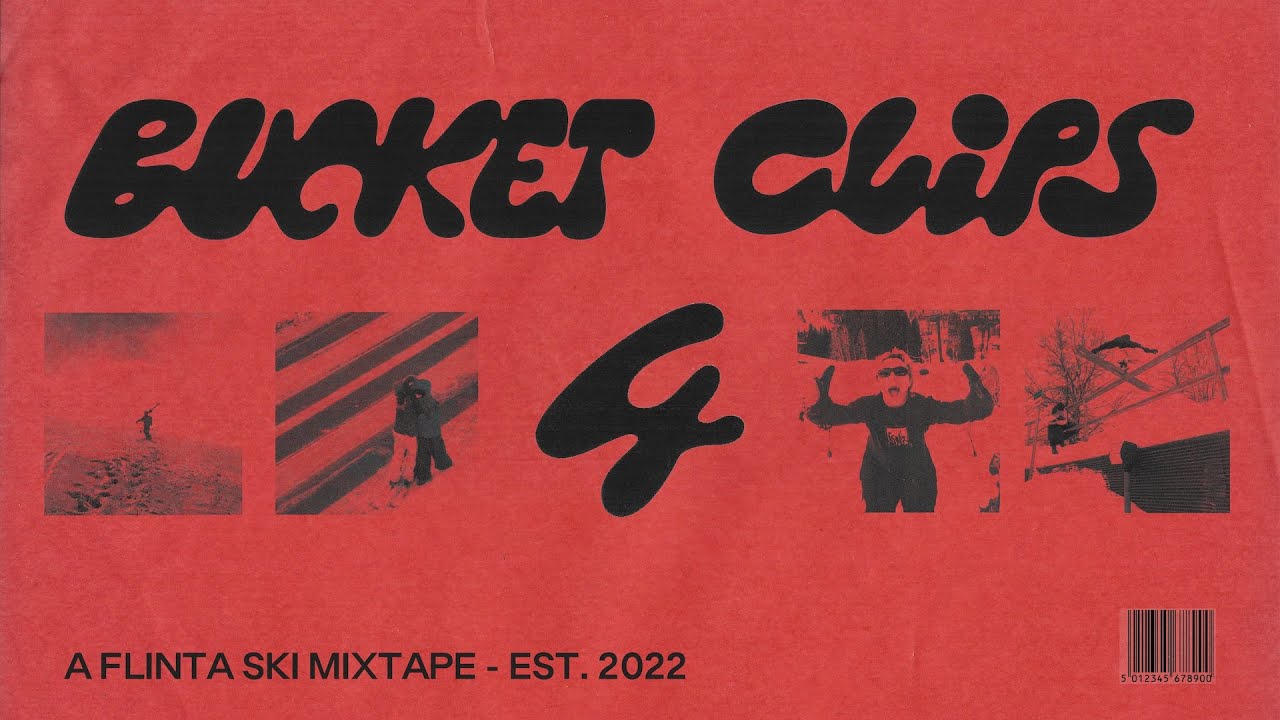
Her growing competitive résumé includes a runner-up finish at an IFSA Qualifier event in Whistler in March 2025, where she missed the win in the women’s ski division by just a fraction of a point. IFSA’s Ski Women Adults ranking lists her with hundreds of points and places her firmly inside the active field of international freeride competitors, while FWT’s own seeding lists show her progressing toward higher-level Challenger opportunities. Off the result sheets, her name appears in the credits of the all-FLINTA ski film “Bucket Clips 4” and in a team edit from RMU Whistler, confirming that her skiing is being noticed not just by judges but also by filmmakers and brands embedded in core freeride culture.
Competitive arc and key venues
Michaely’s competitive arc follows the classic modern freeride path: regional IFSA events feeding into the Freeride World Tour Qualifier system. Early points on the IFSA Ski Women Adults list came from Canadian competitions on the British Columbia circuit, with steadily improving results as she adapted to judged freeride formats. By 2024–2025 she had accumulated enough strong finishes to sit in the mid-pack of the global ranking table, a clear marker that she is no longer a local-only rider but part of a wider international field.
One of the clearest snapshots of her progress came at an IFSA Qualifier 2-star event at Whistler in March 2025. On a technical venue above the resort, she put down a high-scoring line that combined strong fall-line skiing and confident airs, finishing second in the women’s ski category by just 0.03 points behind the winner. That near-victory against a deep field of Canadian and visiting riders underlined that she is capable of challenging for wins whenever conditions and line choice come together. With Whistler Blackcomb listed as her home mountain on the Freeride World Tour’s rider profile, events on this terrain are both a proving ground and a home-stage showcase for her skiing.
How they ski: what to watch for
Watching Sage Michaely ski is about reading how she navigates real-world freeride faces rather than park-style features. In competition footage and brand edits, her lines tend to favour a clean fall-line approach: she drops into the venue with conviction, uses strong, rounded turns to manage speed, and links natural features in a way that keeps the run flowing from top to bottom. Judges in IFSA and FWT qualifier events reward exactly that mix of fluidity and control, and her scores at Whistler and other stops reflect how effectively she hits those criteria.
On airs, Michaely’s focus is less on ultra-technical tricks and more on choosing takeoffs that match the snow and her speed. She typically aims for well-defined rock features and rollovers that let her maintain momentum, land in the fall line and keep skiing rather than shut down the run. The impression is of a skier who trusts her edges and legs to absorb impacts and keep driving forward even when the landings are tracked or slightly variable. For viewers trying to learn from her runs, it is worth paying attention to her decision-making: where she chooses to drop cliffs, when she stays conservative to protect the score, and how she carves into each feature so that the air looks like a natural extension of the line instead of a forced add-on.
Resilience, filming, and influence
Michaely’s story is also one of balancing commitments. Alongside her freeride career she studies geological engineering at the University of British Columbia, and her public profiles highlight how she juggles academics, work and skiing rather than living a single-focus athlete life. That dual identity is visible in her involvement with the UBC ski community, where she has helped raise funds and momentum for freeride programmes, and in her role as an ambassador for RMU’s Whistler location, where she represents both the brand and the local scene.
Her influence is beginning to reach beyond contest venues through film and collective projects. She appears as one of the riders in “Bucket Clips 4,” an all-FLINTA ski movie that gathers clips from women and gender-diverse skiers across the globe. Being included in that roster signals that her peers and project leaders see her as part of the wider conversation around representation in freeskiing. She also features in an RMU Whistler team edit that showcases backcountry and resort terrain around Whistler, putting her skiing alongside established names and giving her style a broader audience. For younger riders, especially Canadian women looking at the freeride path, seeing her in both IFSA rankings and in films like Bucket Clips helps demystify how to combine structured competition with more creative, community-driven projects.
Geography that built the toolkit
The geography that shaped Sage Michaely’s skiing runs along the spine of British Columbia’s Coast Mountains. She grew up in North Vancouver, with Mt Seymour as her home hill. That small but varied mountain is where she first learned to love winter, working her way from groomers into trees, small cliffs and powder pockets. Seymour’s mix of short laps, stormy weather and tight forest terrain builds strong fundamentals in balance, reaction time and comfort in low-visibility conditions, all of which later translate directly into freeride competition.
As her skiing progressed, her center of gravity shifted north up the Sea-to-Sky toward Whistler Blackcomb. Listed by the Freeride World Tour as her home resort, Whistler gives her access to classic freeride venues: alpine bowls, couloirs, wind-loaded ridges and long fall-line faces that are used for IFSA and FWT Qualifier events. Training days here often blend lift-served laps, short hikes and backcountry missions, giving her the chance to refine line choice and snow assessment in a range of conditions. Combined with regular returns to the North Shore mountains and the reality of commuting from Vancouver, this geography fosters a practical, adaptable style: she has to be ready to ski whatever terrain and snow the day delivers, from coastal storm days to high-pressure spring qualifiers.
Equipment and partners: practical takeaways
As an ambassador for RMU, Michaely skis on freeride-oriented setups designed for the same kind of terrain she competes on around Whistler. RMU’s ski line is built with steep, variable mountains in mind, and watching her in their Whistler edit gives a sense of how those skis are meant to be used: driving through chopped powder, holding an edge on firm entries and staying predictable off medium-sized drops. For aspiring freeriders, the practical lesson is less about copying a specific model and more about choosing a ski with enough backbone and width to feel stable when the snow is rough and the pitch is real.
Beyond skis, her environment dictates a classic coastal freeride kit: dependable avalanche safety equipment, a backpack built to carry it comfortably all day, and outerwear that can handle the wet storms of the Coast Mountains as well as cold, clear competition days. Her role with RMU also highlights the value of connecting with local shops and brands that understand the terrain you ride. If your goals mirror hers—competing in IFSA events, filming on storm days around Whistler and squeezing skiing between classes—a robust, trustworthy setup and a supportive local community will matter more than chasing every new product release.
Why fans and progressing skiers care
Fans and progressing skiers care about Sage Michaely because she represents a very relatable version of the freeride dream. She is not yet a dominant Freeride World Tour star, but she is clearly on her way up: earning strong IFSA results, finishing on qualifier podiums at Whistler and steadily climbing the global rankings, all while studying a demanding subject at university. Her presence in Bucket Clips 4 and in RMU’s Whistler projects shows that she is also plugged into the creative side of ski culture, not just chasing points.
For young skiers looking up from local hills like Mt Seymour, Cypress or Grouse, her path offers a concrete template. Learn to ski everything on your home mountain. Take that confidence to bigger venues like Whistler Blackcomb. Enter regional freeride events when you are ready, and use each season to build experience rather than expecting instant stardom. At the same time, stay open to film projects and community edits that can showcase your skiing to a different audience. Watching how Sage Michaely threads these pieces together—study, local roots, qualifiers, edits and ambassador roles—turns her emerging career into a realistic roadmap for anyone who wants to grow in freeride without giving up the rest of their life.