Rosina Friedel
Profile and significance
Rosina “Rosi” Friedel is a Bavarian-born, Innsbruck-based skier and filmmaker who has become one of the most important creative voices in modern freeski culture. Born in Bad Tölz in 1990 and raised on a small farm, she came to skiing relatively late after several years on a snowboard, then moved to Ulm to train as a fashion designer before following her passion to Innsbruck. There, surrounded by the Tyrolean Alps, she built a life that blends park and street skiing, environmental awareness, second-hand fashion and grassroots filmmaking. Rather than chasing FIS podiums, her impact is measured in film premieres, community sessions and the number of riders who name her as a reason they picked up twin tips in the first place.
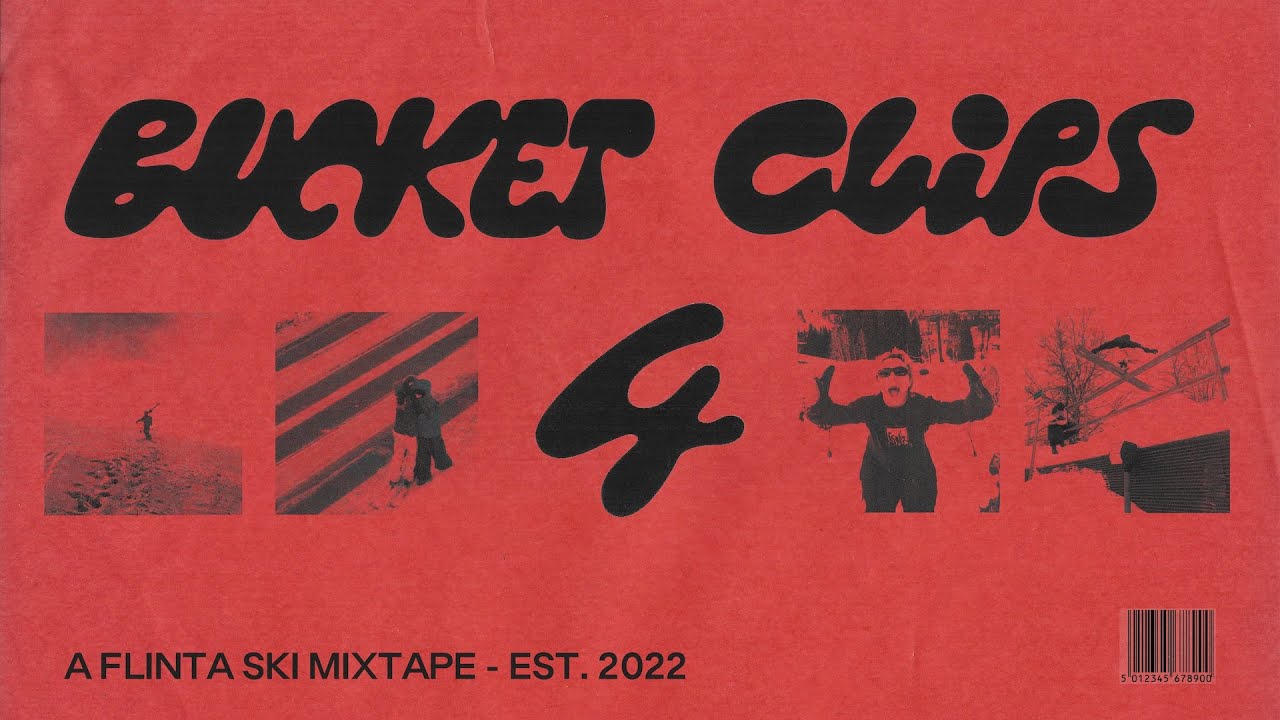
Friedel made international headlines in 2018 as the first woman ever selected as a Level 1 SuperUnknown finalist, breaking open a historically male-dominated talent contest and helping cement the idea that women’s park and urban skiing deserved equal space in core media. Around the same time, she signed with Armada Skis for skis and outerwear and leaned fully into a career built on films, zines and community events. Today, she is best known as the driving force behind the “Bucket Clips” all-FLINTA (women and gender-diverse) ski movie series and as a central member of the Innsbruck crew el.Makrell, with a filmography that includes “Stanice,” “Fluid,” “Connected” and multiple Bucket Clips installments. Taken together, those projects make her a cornerstone figure for anyone interested in the creative, inclusive edge of freeskiing.
Competitive arc and key venues
Friedel’s “competitive arc” runs more through video contests and festival selections than through traditional start gates. Her breakout moment came with that Level 1 SuperUnknown finals spot, which required not only strong skiing but also the ability to produce a compelling self-filmed and self-edited segment with el.Makrell. Competing on that stage against a field of mostly park and street specialists, she stood out for her line creativity, unusual feature choices and the relaxed, improvisational feel of her shots. The result did more than advance her own career; it convinced SuperUnknown to formalise a permanent space for women in future finals.
From there, Friedel’s “venues” have largely been film festivals and curated online premieres. Early el.Makrell projects like “Stanice” and “Fluid” moved through respected European festival circuits, including High Five and Freeride Filmbase, where juries and audiences gravitated toward their mix of DIY aesthetics, thoughtful narration and playful skiing. With “Connected,” a film that follows three ski women whose paths converge through shared passion, she further refined a storytelling style that centres relationships and environment as much as tricks. By the time Bucket Clips 2.0 and 3 were premiering at events like iF3 and touring community screenings, Friedel had effectively turned her own skiing career into a platform for dozens of other riders, using festivals as a kind of collective contest where the “win” is shared visibility.
How they ski: what to watch for
Watching Rosina Friedel ski is a lesson in how far creativity and feel can go without relying on massive, high-risk tricks. She is not the rider you will most often see on the biggest money booters of a World Cup slopestyle course; instead, she thrives on sidehits, unusual approaches and features that park crews or city planners never intended for skiing. Her runs often weave together buttered spins, presses, nose-butts and quick direction changes that make modest-sized features look endlessly interesting. When she does hit bigger jumps, the emphasis is on smooth takeoffs and relaxed, often old-school grabs rather than trying to pack in every possible rotation.
Technically, a few things stand out. Her stance tends to be slightly playful and upright, with a strong sense of where her feet are in relation to the snow or rail. That lets her experiment with off-axis butters, wall touches and weird transitions without getting thrown off balance. She makes frequent use of 180s and 360s that blur the line between jump tricks and ground tricks, for example popping a small three off a roller and then flowing directly into a wallride or knuckle tap. On rails and ledge-style features, she prioritises creative lines—hitting the side of the feature, the close-out, or the “wrong” direction—over stacking the most technical spin-on, spin-off combinations.
The result is a style that viewers often describe as “hippy” or “off-the-wall,” yet underneath the casual exterior is precise edge control and years of repetition. For park and street skiers studying her clips, the key is not a specific trick list but the way she reads terrain: always asking how to use each spot in a slightly different way rather than treating it as a fixed, one-trick obstacle.
Resilience, filming, and influence
Friedel’s influence has as much to do with resilience and community-building as it does with her personal tricks. Early in her career she juggled fashion-design training, odd jobs and ski seasons, then later added a distance degree in sports management and a role as co-owner of a vintage and second-hand store in Innsbruck. At the same time, she dealt with serious knee injuries, including ACL tears that shifted some of her focus from high-impact park sessions toward more flowing “line skiing” on natural terrain. Rather than stepping away from the sport, she redirected her energy into projects that could accommodate a changing body while still feeding her creativity.
That pivot is most visible in her film work. With el.Makrell she helped craft a series of small-budget, big-hearted movies that foreground environment, friendship and low-impact travel. With Bucket Clips, she pushed the concept even further: an all-FLINTA mixtape built from submitted clips, stitched together with animations and a strong musical arc, and toured through mountain towns before dropping online. Year after year, she has repeated the process—coordinating riders from around the world, handling logistics with her partner and main filmer, and editing late into the night next to “real” jobs. The pay-off is clear every time a new Bucket Clips premieres: sold-out local screenings, excited online comments, and a fresh wave of riders inspired to send in footage next season.
Beyond the screen, Friedel also helps host community events like the Peanutbutter Club meet-ups, where women and gender-diverse skiers take over park laps for low-pressure sessions focused on support rather than scores. In interviews, many of those participants describe Bucket Clips and these meet-ups as turning points, moments when skiing finally felt like a space built for them. In that sense, her influence runs deep even if many of the people she inspires will never know her full contest or sponsor résumé.
Geography that built the toolkit
The landscapes that shaped Friedel’s skiing help explain her approach. She grew up near Brauneck above Bad Tölz, Bavaria, a relatively small but varied mountain where sidehits, forest lines and low-key backcountry are just as present as formal parks. Early snowboard and ski days there imprinted the idea that you can have just as much fun turning a cat track into a playground as you can on a perfectly shaped jump line. After moving to Innsbruck in 2011, her world expanded dramatically: suddenly she had access to a dense ring of Tyrolean resorts and city-adjacent spots where creative crews were already rethinking what counted as a ski feature.
Innsbruck’s unique mix of urban architecture and nearby mountains is written all over her filmography. Urban and quasi-urban shots make use of stair sets, banks and low-consequence ledges; resort segments roam through sidecountry windlips and small cliffs that sit just off the groomers. With Bucket Clips and related projects, the map widens further. Park segments from Brighton in Utah, where a private FLINTA-only TBL Session created the core of a Bucket Clips park part, sit next to footage from classic European freestyle hubs like LAAX and smaller, lesser-known hills scattered across the Alps. The common thread is not famous names but spots that invite creativity—places where a little imagination turns ordinary terrain into something film-worthy.
Equipment and partners: practical takeaways
Friedel’s equipment choices mirror her emphasis on playful, all-round creative skiing. As a long-time member of the Armada Skis family, she rides park- and all-mountain–oriented twin tips that can handle everything from nosebutters on small rollers to mellow backcountry pillows. Rather than chasing the stiffest, biggest pro model, she tends to gravitate toward skis that feel lively underfoot, with enough flex to butter and press yet enough backbone to stay predictable on landings. For most progressing riders, the lesson is simple: if your skiing resembles hers—lots of sidehits, parks and smaller natural features—you will benefit more from a playful, forgiving twin-tip than from a race-inspired charger.
On the softgoods and protection side, brands like Mons Royale and Out Of goggles have backed her over the years, fitting neatly with her layered identity as both athlete and environmentally conscious creative. Functional base layers that can handle long filming days, goggles with lenses suited to flat-light Central European winters and outerwear that survives repeated slams on rails and concrete banks are all part of the toolkit. Just as importantly, she extends the idea of “equipment” into lifestyle: co-running a vintage shop, she highlights reused and repurposed clothing as another way to live sustainably around the sport. For fans, the practical takeaway is to think of gear as something that should support how you actually ski and live, rather than simply copying a contest-focused setup.
Why fans and progressing skiers care
Fans and progressing skiers care about Rosina Friedel because she proves that you can change ski culture without ever standing on an Olympic podium. As the first female SuperUnknown finalist, she helped open a door that had been closed for years; as the creator of Bucket Clips and collaborator on a string of thoughtful films, she continues to hold that door open for dozens of others. Her skiing is approachable and inspiring—full of tricks and lines that look like they could, with enough practice, be done on a local hill—yet the underlying creativity and consistency remind you just how much work sits behind every shot.
For skiers who care about community as much as progression, her career functions as a blueprint. Start with whatever hill you have. Build tight crews. Film, even if the budget is small and the cameras are old. Organise sessions where everyone feels welcome. Use your own riding not as the final product but as a thread connecting travel, friendships, art and environmental awareness. Watching Rosina Friedel’s projects through that lens turns them into more than ski movies; they become a guide to building a life where freeskiing, creativity and shared experience all reinforce one another, season after season.