Paul Bergeron
Profile and significance
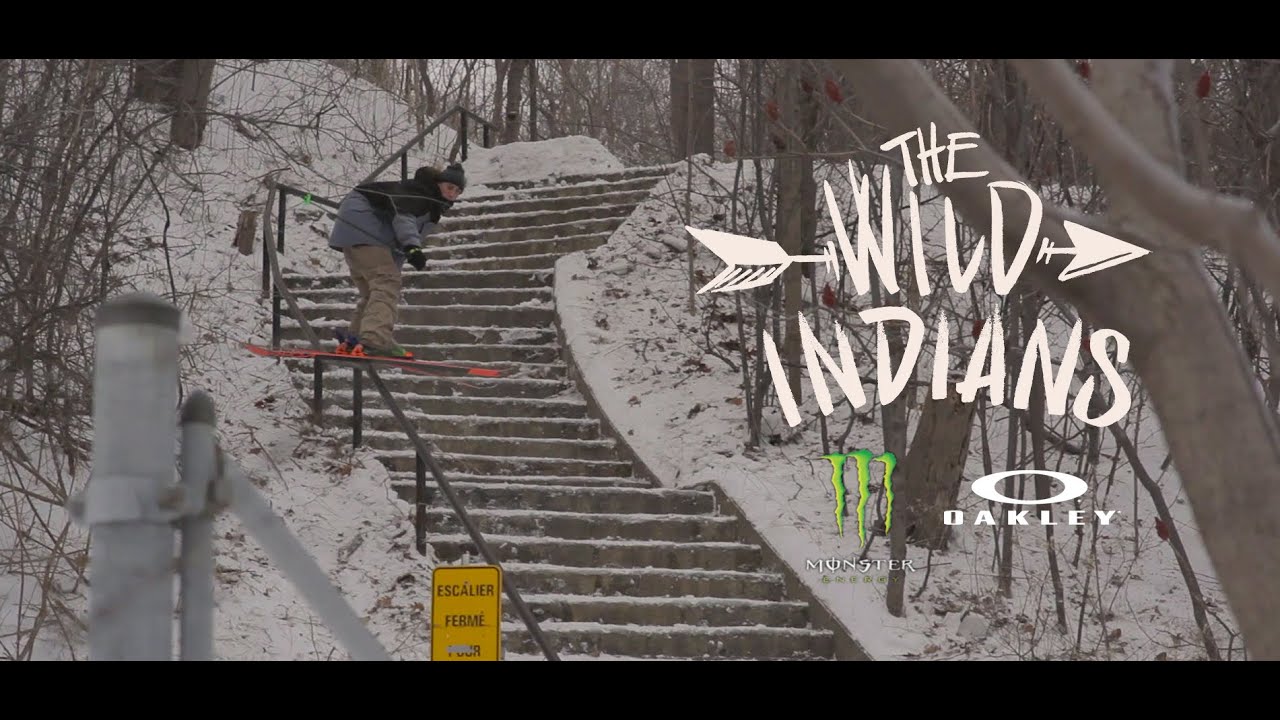
Paul “B-Paul” Bergeron is a French-Canadian freeski original from the Québec City area whose style-first park and urban skiing helped define the late-2000s and early-2010s film era. Coming up through Le Relais in Lac-Beauport, he made his name with Québec crews like NSF and ESK before linking with North American outfits including Stept Productions and the Inspired Media family. His parts—often cut from night sessions, compact parks and hand-built city setups—showed a movement language that riders could study and copy: calm approaches, long-held presses, clean swaps and on-axis spins that read clearly on camera. Alongside the film work, he coached at Momentum Camps on Whistler Blackcomb, helping translate film-grade technique into steps everyday park skiers could apply.
Bergeron’s significance is cultural as much as competitive. He was a finalist in Level 1’s SuperUnknown during the series’ formative years and appeared at rider-driven showcases that prioritized style over scorecards, including the B&E era centered on Les Arcs. Sponsor chapters over the years reflected his street-park focus—apparel and shop partners like Jiberish and D-Structure, plus project links with the Level 1, Stept and Inspired communities. By the mid-2010s, he had become a reference point for rail craft and patient jump technique in Québec and beyond.
Competitive arc and key venues
Rather than chase a full World Cup calendar, Bergeron built his profile through films, web edits and rider-curated events. Early momentum came from SuperUnknown recognition and iF3-era film premieres in Montréal, where Quebec crews like ESK and NSF were pushing a distinct look. He later logged time with Stept and Inspired, joining projects and session weeks that valued originality and how well a line was told on camera. That arc placed him comfortably in the same ecosystem as peers who shaped the period’s freeski grammar.
Venue-wise, his skiing maps cleanly onto places that reward repetition and definition. Le Relais near Québec City provided night-lap volume and a tight-feature rhythm that forces accurate edge placement; big-build weeks at Mammoth Mountain layered in wind reads, long decks and XL timing; and Whistler Blackcomb—especially during Momentum Camps—offered controlled environments to refine and teach. European trips tied to the B&E generation brought him to Les Arcs, where skate-inspired modules emphasized presses, butters and creative transfers over pure amplitude. Together, those venues explain why his clips have such high replay value.
How they ski: what to watch for
Bergeron skis with economy and clear definitions of each movement. On rails he prefers square entries, backslides and nose/tail presses held long enough to be unmistakable, and exits where the shoulders stay aligned so speed carries into the next hit. Surface swaps are quiet, with minimal arm swing; the base stays flat through kinks because edge pressure is set early, not rescued late. On jumps and side hits, the hallmark is patience into the lip and grabs established before 180 degrees, which lets tweaks breathe without knocking the body off axis. Landings read centered and inevitable—soft ankles, hips over feet, skis re-engaged immediately. It’s a toolkit that coaches can point to and riders can emulate.
Resilience, filming, and influence
Injuries eventually pushed Bergeron to rebalance toward filmmaking and creative direction. The shift didn’t diminish his influence; it extended it. He continued to appear in and shape projects with crews like Stept and the Inspired circle, and he shared process and perspective in long-form conversations and interviews that documented the era from the inside. At camps in Whistler he translated the same patient habits that defined his parts—tall approaches, early grab definition, square-shoulder exits—into simple cues that help developing skiers progress without overreaching. For many park riders who came up studying web edits, his clips remain a study guide for turning modest speed into memorable skiing.
Geography that built the toolkit
Place explains the method. Le Relais in Lac-Beauport delivers dense features and night-skiing repetition, ideal for sharpening edge placement and switch comfort; the resort’s club culture around Québec City has launched multiple freeski names, and Bergeron is squarely in that lineage. Weeks at Mammoth Mountain exposed him to consistent big-park shapes and California’s high-alpine variables, while Whistler Blackcomb provided spring and summer rebuilds where each attempt could be filmed, reviewed and repeated. European sessions tied to the B&E generation at Les Arcs reinforced the value of creativity at low to medium speeds. Each location left a fingerprint you can still see in his skiing and the way he frames others through the lens.
Equipment and partners: practical takeaways
Across projects, Bergeron favored press-friendly park platforms and a setup that supports patient movement rather than brute force. For skiers looking to borrow his feel, the practical lessons are straightforward. Choose a true park ski with a balanced, medium flex you can bend without folding; detune the contact points enough to reduce rail bite while keeping dependable edge hold on the lip; and mount close enough to center that switch landings feel neutral. Apparel and community anchors matter too—brands like Jiberish and shops like D-Structure have long served as hubs for street-park culture in Québec. Just as important is process: film laps, compare shoulder alignment and hip-to-ankle stack against clear checkpoints, and iterate until the movements become automatic.
Why fans and progressing skiers care
Fans care about Paul Bergeron because his skiing made style specific and teachable. He showed that a press has a duration, a shifty needs room to breathe, and a clean exit preserves speed for what comes next—and he packaged those ideas in parts that still hold up to slow-motion scrutiny. Progressing riders care because the same choices are repeatable on normal-sized parks: calm entries, patient pop, early grab definition and square-shoulder exits will elevate any line. Whether the backdrop is a night lap at Le Relais, a glacier build in Whistler, a big-park session at Mammoth or a creative setup in the Alps, the read is the same: deliberate, stylish freeskiing that rewards attention to detail.