Olesya Lomakina
Profile and significance
Olesya Lomakina is a Russian moguls skier turned all-round freeski creative whose career stretches from FIS World Cup start gates to modern park and street-influenced film projects. Born in 1998, she spent her teens representing Russia in freestyle moguls, winning European Cup events, scoring top-ten finishes at Junior World Championships and making appearances on the Freestyle World Cup circuit. Official FIS records list her as a multiple-time European Cup winner and national champion in moguls and dual moguls, riding dedicated bump skis from ID One, a brand closely associated with elite mogul skiing.
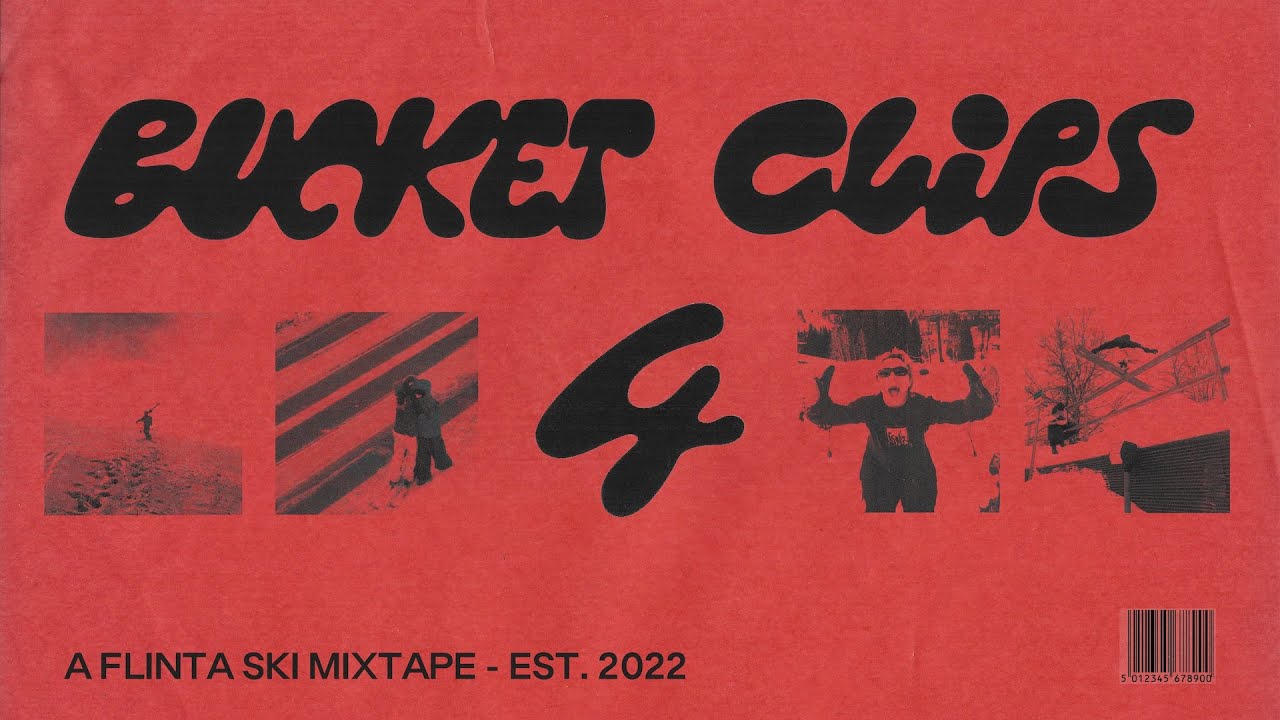
After stepping away from active FIS competition, Lomakina’s name reappeared in a new context: the creative freeski scene. She became involved with the Russian crew TWOOWT, working behind the camera on projects like the feature-length “SELFMADE” and the BonusSummerCamp edits from Krasnaya Polyana, and she is also listed among the riders in the international all-FLINTA film “Bucket Clips 4.” That combination of competitive pedigree and creative output makes her an interesting figure for fans of moguls and modern freeski alike, connecting the highly structured world of judged bump lines with the more fluid culture of park laps and urban/street skiing edits.
Competitive arc and key venues
Lomakina’s competitive arc begins in the early 2010s on home snow in Russia. Still in her mid-teens, she entered FIS moguls and dual moguls events in places like Chusovoy and Polyarnye Zori, quickly moving from mere participation to podiums. By 2014 and 2015 she was a genuine force at European Cup level, winning moguls events in Prato Leventina and Krispl and adding further wins and podiums in Airolo and Megève. Those seasons established her as one of the most promising young moguls skiers in Russia, capable of handling steep, heavily featured courses under international judging.
The next step up came in 2016. At the FIS Junior World Championships in Åre, Sweden, Lomakina finished sixth in moguls and seventh in dual moguls, a result that placed her alongside names who would go on to World Cup and Olympic success. Shortly afterwards she appeared on the European Cup podium again at Krasnoe Ozero and Chiesa in Valmalenco. That momentum culminated in World Cup starts: she lined up at Ruka in Finland and at Phoenix Pyeongchang in Korea in the 2016–2017 season, scoring World Cup points and gaining first-hand experience on the sport’s biggest stage. Through 2017 and 2018 she continued to collect strong national-championship and FIS results in Chusovoy and Krasnoyarsk before her official status shifted to “not active,” marking the end of her FIS career but not of her skiing story.
How they ski: what to watch for
Because Lomakina’s prime competitive years were in moguls, the best way to understand her skiing is to start with bump technique. In results sheets and course footage she appears as a classic ID One-style moguls skier: narrow stance, aggressive absorption through the knees and hips, and a quiet upper body that lets her skis slice a fast, direct line down the fall line. Watch for how consistently her head and shoulders stay level while the lower body works violently underneath—a hallmark of well-trained moguls athletes. Her airs are built around controlled, competition-friendly tricks rather than huge slopestyle spins, but they are timed precisely so she can land back into the rut line without losing speed.
More recent clips from summer camps and social media add another layer. In setups like Bonussummercamp at Krasnaya Polyana or park sessions with TWOOWT, she plays with park-style features, dry slopes and summer rails, bringing mogul-bred edge control to small-jump and rail lines. A simple “Chinese double” on plastic or a carved approach into a sidehit illustrates how her background in bumps translates into freeski in general: quick reactions, strong ankles and the confidence to work with imperfect takeoffs and landings. For viewers who mostly follow slopestyle and big air, her skiing is a reminder that many of the best freeski fundamentals are still forged in mogul courses.
Resilience, filming, and influence
Competing in freestyle moguls for Russia through the mid-2010s meant travelling long distances to European Cup stops and World Cups with far less media attention than athletes from bigger freestyle nations often receive. Lomakina’s career through that period shows quiet resilience: seasons of back-to-back FIS races in Chusovoy, European Cup trips to Switzerland, Italy, Austria and France, and pressure-filled starts at Junior Worlds and World Cups with limited room for error. Repeatedly landing in the top ten at Junior Worlds and winning multiple European Cup events required both physical toughness and a strong mental game.
After that chapter, she did not simply disappear from skiing; instead, she reappeared behind the lens and in community-focused projects. In TWOOWT’s “SELFMADE,” a multi-year film shot across Siberia, Lake Baikal, Krasnaya Polyana, Saint Petersburg and Kirovsk, Lomakina is credited among the crew bringing Russian park and street skiing to a global freeski audience. She also worked on the BonusSummerCamp edit from Krasnaya Polyana and appears in the rider list for “Bucket Clips 4,” a film dedicated to women and FLINTA skiers worldwide. That combination of athlete and filmmaker roles gives her a layered influence: she is part of the story both as someone who once chased FIS points and as someone now helping document the Russian scene for the wider freeski community.
Geography that built the toolkit
The geography of Lomakina’s career moves from the industrial Ural and northwest Russian hills to the high Alps and then into a broader map of modern park destinations. Early competitions in Chusovoy, Polyarnye Zori and Krasnoe Ozero meant learning to ski moguls on fairly compact, often icy slopes—environments where control and line discipline are non-negotiable. European Cup stops took her to Airolo and Prato Leventina in Switzerland, Krispl in Austria, Megève in France and Chiesa in Valmalenco in Italy, each with its own snow textures, light and course-building style. Those venues shaped her ability to adapt quickly to different bump lines and mogul profiles weekend after weekend.
Later, through TWOOWT and related projects, her map expanded toward the creative side of freeski. The Bonussummercamp sessions at Krasnaya Polyana, a high-profile resort in the Caucasus mountains above Sochi, and laps through parks in Central Asia’s Gorilla Chimba setup at Shymbulak show her operating in summer and spring environments where park features and slushy landings dominate. Edits linked to LAAX in Switzerland, a resort famous for its freestyle infrastructure and snowparks around LAAX and Flims Laax, further connect her skiing and filming to some of Europe’s most important freestyle hubs. Taken together, these locations explain why her skiing reads as both technically solid and adaptable across bumps, park jumps and DIY-style features.
Equipment and partners: practical takeaways
During her FIS career, Lomakina competed on mogul skis from ID One, whose narrow-waisted, stiff-tailed designs are built specifically for fast, precise bump skiing. For aspiring moguls riders, that choice is instructive: a dedicated mogul ski behaves very differently from a wide twin-tip, offering lightning-fast edge changes and strong support in the troughs at the cost of flotation and versatility elsewhere. Watching her carve into the top of a mogul line or hold speed through a long middle section is a practical demonstration of what that kind of ski is for.
In her park and filming era, Lomakina is often seen in modern goggles and outerwear from companies like Out Of, an Italian brand known for high-performance lenses and innovative goggle technology. The exact ski models she rides in contemporary edits are less documented than her FIS setup, but the broader gear lesson is clear. If your goals lean toward moguls, equipment like ID One’s dedicated mogul ride line makes sense; if you are more interested in slopestyle, big air and urban/street skiing, a slightly wider twin-tip with a more playful flex may be the better call. Either way, her trajectory underlines the importance of matching your skis, goggles and outerwear to the terrain and style of skiing you actually spend your time on.
Why fans and progressing skiers care
Fans and progressing skiers care about Olesya Lomakina because she connects two worlds that often feel separate. On one side, she is a fully proven moguls athlete: European Cup winner, Junior World Championships top-ten finisher and World Cup starter for Russia. On the other, she is part of the grassroots freeski movement that values creative edits, independent crews and inclusive projects like “Bucket Clips 4” and TWOOWT’s “SELFMADE.” Her story shows that you do not have to choose forever between structured competition and creative skiing; it is possible to move from one to the other and bring the strengths of both along.
For young skiers, especially those growing up on small hills or in less-publicised ski nations, Lomakina’s path offers a realistic template. Build strong fundamentals in whatever discipline is accessible—moguls, slopestyle, or rail jams—use competitions to sharpen your skills, and stay open to filming and collaborative projects when the time feels right. Whether you are analysing her old bump runs for tips on absorption and line choice, or watching the Russian scenes she helps document in modern freeski edits, her career provides practical insight into how a dedicated skier can evolve with the sport and stay meaningfully involved long after the last FIS start.