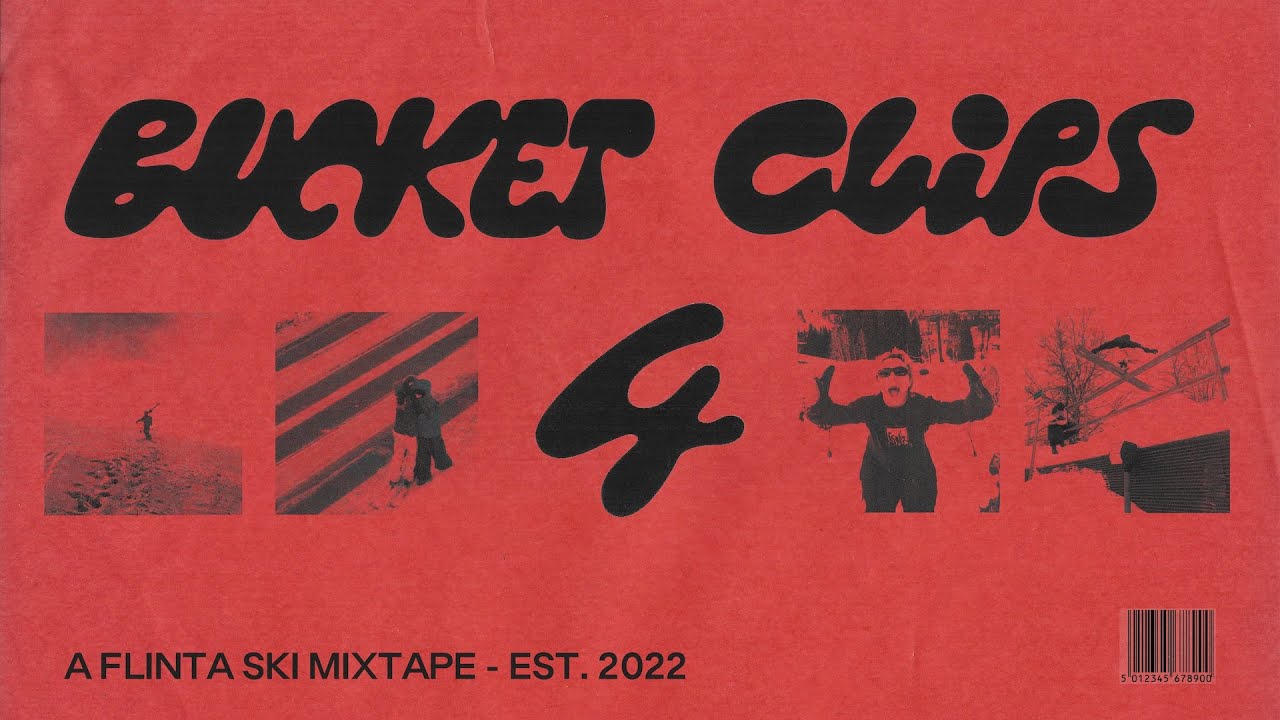
Bucket Clips 4 | An All FLINTA/Female Ski Movie
Profile and significance
Niamh DeDecker is a Colorado-based freeski slopestyle and rail specialist who represents the emerging generation of Rocky Mountain park skiers. Born in 2007 and competing for Team Summit Colorado, she has moved from youth rail jams and regional series into national-level FIS events, while also appearing in the international all-FLINTA ski movie “Bucket Clips 4.” Her competition focus is on slopestyle and rail events rather than traditional big air World Cups, and her name now shows up consistently in USASA rankings, FIS national championship results and grassroots rail comps around the Front Range.
Within that ecosystem, DeDecker sits in the important “next wave” category: not yet on the World Cup circuit, but clearly past the stage of casual local contests. She has ranked near the top of the USASA Rocky Mountain Series in slopestyle, taken wins and Best Trick titles at rail jams, and finished in the top five in a FIS national rail event at Copper Mountain. When an international film project like “Bucket Clips 4” looks for motivated FLINTA riders to feature alongside established names, including her in the rider list is a sign that her skiing already commands respect well beyond Colorado.
Competitive arc and key venues
DeDecker’s competitive story starts in the Rocky Mountain park scene. As a USASA athlete in the Rocky Mountain Series, she has built a steady slopestyle record, with the series standings listing her among the top-ranked women and a documented second place in slopestyle at a Copper Mountain event. Those scores are backed up by LiveHeats results where she posts 70-point runs in Freeski Open Class Women divisions, showing that her runs are not only stylish but also judged highly when it counts.
Local rail jams have been another important proving ground. At Eldora’s long-running Timbers Classic Rail Jam, held at Eldora Mountain just outside Boulder, she has multiple youth-category wins, using the small but technical setup to showcase her comfort on rails. In the Railer Park Girls Jam at Eldora, she took home Best Trick honours with a “two-long tail press pullback to switch,” a description that hints at both balance and creativity on steel. These events might not carry FIS points, but they are recognised touchpoints of the regional rail scene and have helped build her reputation among riders and coaches.
The next step up came with FIS-sanctioned competition. As of the 2024–25 season, FIS records list DeDecker as a Team Summit Colorado athlete with points in both slopestyle and rail events. At the 2025 US national championships at Copper Mountain, she finished fifth in the women’s freeski rail event and eighth in the women’s freeski slopestyle, scoring FIS points in both disciplines. She has also appeared in start lists for events at Woodward facilities such as Woodward Park City, further broadening her experience on different park designs and judging panels.
How they ski: what to watch for
DeDecker’s skiing is clearly shaped by rail culture. Her competition focus leans toward slopestyle layouts where the top of the course is rail-heavy and toward dedicated rail events, rather than pure big air contests. The Best Trick description from the Railer Park Girls Jam—two-long tail press pullback to switch—captures a lot about how she approaches features: she is comfortable using presses, extended balance positions and late-direction changes instead of relying only on straightforward slides.
When you watch her in slopestyle or rail event footage, the first things to look for are her stance and commitment on metal. She tends to get solidly centred over the ski, with quiet shoulders and a deliberate lock-in when she lands on the rail. Swaps and pullbacks are initiated early and carried through the full length of the feature rather than last-second corrections. In slopestyle runs, she typically uses the rail section to build a strong base score—multiple features, clean exits and sometimes switch approaches—before taking that momentum into the jump line. The overall impression is of a skier who is building a deep rail toolkit first, then layering in more spin and grab variety on jumps as her competitive career expands.
Resilience, filming, and influence
Most of DeDecker’s visibility so far comes from the intersection of competition and independent film. On the competition side, her progression from youth categories at Eldora rail jams to USASA Rocky Mountain slopestyle podiums and FIS national championship top-five and top-ten finishes shows a steady willingness to step into bigger arenas. That climb matters in a region where the level is high and the fields are full of strong young park skiers tied to serious programs.
Her inclusion in “Bucket Clips 4” adds a different kind of weight. The project, curated by Rosina Friedel and collaborators, has become a recognised platform for women and FLINTA riders in freeski, mixing urban, backcountry and park footage from around the world. Seeing DeDecker’s name alongside European and North American street and slopestyle specialists signals that she is not only stacking contest runs but also filming clips that meet the standard of an international community project. For younger riders, especially girls in regional US scenes, that dual presence—result sheets and film credits—shows that it is possible to combine structured competition with creative, community-based projects.
Geography that built the toolkit
DeDecker’s skiing is very much a product of the Colorado Front Range and Summit County. Training with Team Summit Colorado means daily access to Summit County parks and pipe programs that have produced athletes for X Games, World Championships and the Olympics. Copper Mountain, with its national championship slopestyle and rail setups, doubles as both a home hill and a national stage, forcing her to refine tricks on features that are built to a high standard and scrutinised by FIS judges.
At the same time, venues like Eldora Mountain play a crucial supporting role. Eldora’s rail jams are classic examples of how smaller ski areas fuel street-style progression: compact parks, close-knit crews and events where creativity often counts as much as technical difficulty. Trips to Woodward Park City add yet another flavour—purpose-built progression features, airbags and training lines designed to dial in tricks before they appear in contests or on the streets. Moving between these different environments has given her a toolkit that translates well from small local rails to national championship courses.
Equipment and partners: practical takeaways
Public profiles focus more on DeDecker’s programs and venues than on specific ski brands, but her competitive calendar makes her equipment priorities clear. To thrive in rail events and slopestyle on courses like Copper’s national championship layout or Woodward Park City’s progression parks, she needs twin-tip skis with durable edges, predictable flex and enough stability to handle both kinks and medium-sized jumps. Watching her ski, you can see the value of a setup that allows confident presses, solid rail lock-ins and smooth takeoffs without feeling too stiff to manipulate.
Her connection to Team Summit Colorado also highlights the broader “equipment” that matters: access to coached training, safe park designs and a crew of teammates pushing similar goals. Protective gear is another non-negotiable part of her kit; repeated rail impacts and night-session rail jams at places like Eldora demand a helmet and padding you can wear comfortably all season. For progressing skiers, the takeaway from her example is straightforward—choose gear that survives rails and supports consistent park progression, rather than chasing the flashiest graphic or a pure powder setup that does not match your actual terrain.
Why fans and progressing skiers care
Fans and progressing skiers care about Niamh DeDecker because she represents a realistic, modern path into park skiing’s core culture. She is not yet winning World Cups, but she is already stacking meaningful results in USASA Rocky Mountain slopestyle, earning FIS points at national championships and putting down tricks that win Best Trick at respected regional rail jams. Her appearance in “Bucket Clips 4” shows that international projects are watching the Rocky Mountain scene and finding new riders there, rather than only in long-established European hubs.
For young skiers, especially those coming up through USASA series and local rail jams, her trajectory provides a clear blueprint: start with small-hill or regional events, join a good club program, test yourself in slopestyle and rail competitions, and look for chances to film and contribute to community projects. Watching how DeDecker manages rails, builds slopestyle runs and balances local events with national championships turns her emerging career into a useful guide for anyone who wants to turn dedicated park laps into something bigger—whether that means more FIS starts, more film segments, or both.