Maria Esteban Uña
Profile and significance
María Esteban Uña is a Spanish freeski slopestyle, big air and rail specialist who has become one of the most promising park skiers to come out of Spain in recent years. Born in November 2005, she represents Spain internationally and rides for the Madrid-based club FORWARD FREESTYLE ACADEMY, a program dedicated to building the next generation of freestyle skiers. After starting her competitive life in alpine racing as a U16 athlete, she pivoted fully into freeski, bringing race-bred edge control into the world of rails, jumps and urban-style features. That combination of technical precision and creative park riding is now putting her on podiums at home and across Europe.
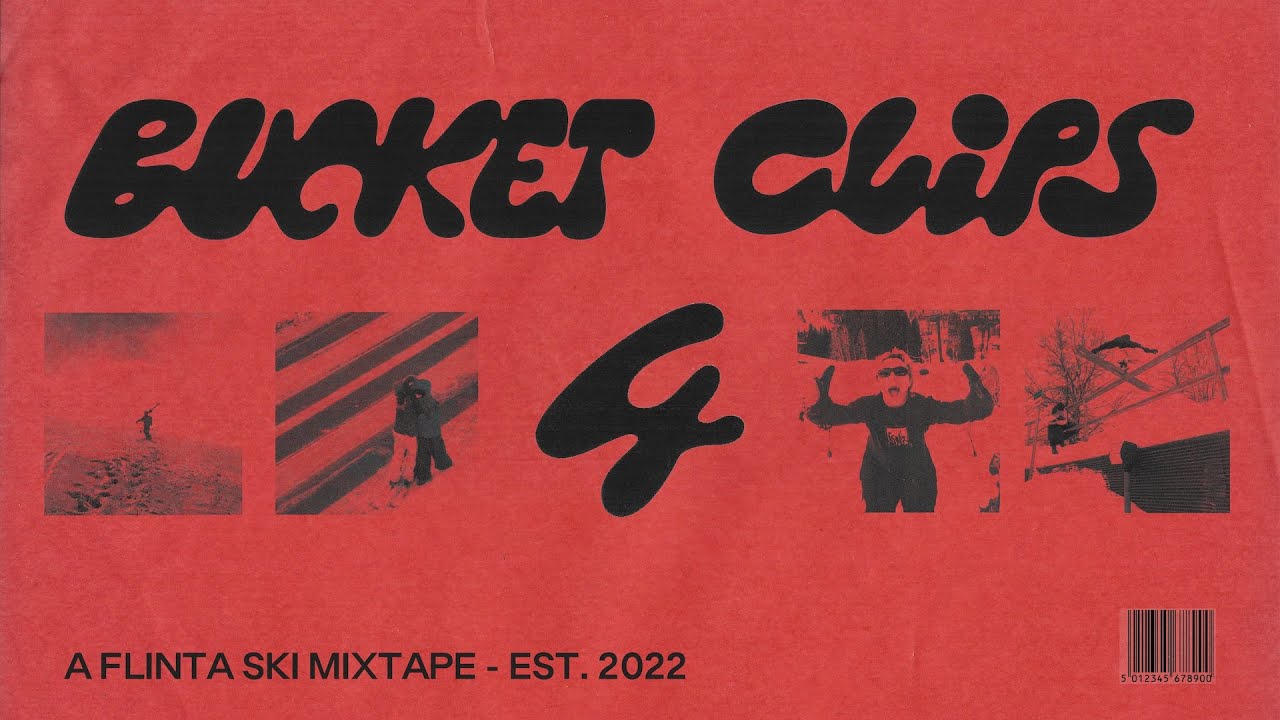
Within the Spanish scene, Esteban’s rise is especially significant because women’s freeski still has a small but rapidly growing athlete pool. She has already earned national titles in slopestyle, including the Spanish Championship win at Sierra Nevada, and continues to be a reference point whenever national federations talk about the future of freestyle skiing in Spain. At the same time, she is starting to appear in international film projects such as the all-FLINTA ski movie “Bucket Clips 4”, where she shares screen time with an international crew of women and gender-diverse freeskiers. Taken together, her results and film appearances position her as a bridge between Spanish grassroots clubs and the broader European park and urban skiing community.
Competitive arc and key venues
Esteban’s early competition history came through alpine racing, where she appeared in U16 results lists for events like the Copa de Andalucía, racing giant slalom at Sierra Nevada for the TECALP Madrid club. Those seasons gave her a solid foundation in line choice, balance and speed management on hard snow. As she gravitated toward freestyle, she switched to FORWARD FREESTYLE ACADEMY and began accumulating FIS starts in slopestyle and big air, gradually shifting the focus of her skiing from gates to jumps, rails and creative park lines.
The turning point in her freeski career came at national level. In April 2023 she climbed onto the podium at the Spanish Slopestyle Championships, taking second place and signalling that she was already among the strongest female park skiers in the country. One year later, in April 2024, she went one better and won the women’s FIS Spanish Championship slopestyle title at Sierra Nevada, edging out local favourite Irene Conde in a close contest. By spring 2025, she was again at the top of the national standings, finishing the domestic slopestyle season as the leading woman in the Spanish Cup rankings. Parallel to this national success, she stepped onto the European stage: in the 2024–25 season she became a standout in the FIS European Cup rail event series, winning the rail event in Szczyrk and topping the overall rail standings with a maximum score, confirming her status as one of Europe’s most effective competition rail skiers.
How they ski: what to watch for
Esteban’s skiing is defined by her rail game and her ability to keep runs composed under pressure. In rail events and slopestyle qualifiers, she typically builds her runs around strong, technically clean features at the top of the course, using changes in direction, switch entries and solid spin-off exits to establish a high technical base score before she even reaches the jumps. You can see her alpine background in how she locks onto rails: her stance is centred, her shoulders stay quiet and she lets the skis and edges do the work rather than constantly fighting for balance.
On jumps, she focuses on cleanliness rather than pure risk. Instead of throwing the single biggest trick on the hill, she tends to choose rotations that she can control, adding difficulty with switch takeoffs, grab variations and small tweaks in axis. Watching her in competition replays or clips from events like the SnowFest rail jams in Poland, a few patterns stand out: she manages speed carefully into features, commits to the trick early and uses the landing to flow into the next hit rather than stopping the run dead. For progressing riders, her footage is a lesson in how far good fundamentals and consistent execution can take you before you even start adding the most advanced slopestyle and big air tricks.
Resilience, filming, and influence
Coming from Madrid, far from the big Alpine resorts that dominate freeski media, Esteban’s path has required persistence and a willingness to travel. Much of her early training took place on the indoor slope at Madrid Snozone, where FORWARD FREESTYLE ACADEMY runs year-round freestyle programs, and on concentrated trips to Sierra Nevada and other Spanish resorts. Balancing school, long drives from the city to the mountains and the financial realities of competing has meant building her season carefully, targeting key national championships, Spanish Cup events and selected European competitions rather than chasing every single contest on the calendar.
Her resilience is visible in the way each season adds another layer to her profile. After her breakthrough national slopestyle title, she took her rails to an even bigger audience at SnowFest Games in Szczyrk, Poland, where she not only won the women’s category but also claimed the Best Trick award on the same urban-style setup. Around the same time, her name began appearing more prominently in the credits of community film projects, culminating in an appearance in “Bucket Clips 4”, an all-FLINTA ski movie that showcases a broad roster of riders from around the world. Within the Spanish freeski community, she is increasingly cited as evidence that the country can produce high-level park and rail riders capable of winning international events and contributing to respected independent films.
Geography that built the toolkit
Esteban’s skiing is shaped by a distinctive mix of indoor slopes, Iberian mountains and Central European event venues. Madrid’s indoor snow hall, known as Snozone, is one of her primary training grounds through FORWARD FREESTYLE ACADEMY. The controlled environment, consistent snow and repeatable features are ideal for drilling rail tricks and jump basics without the variables of weather and visibility. This kind of training set-up helps explain the precision and confidence she shows on rails in competition.
On natural snow, the high-altitude resort of Sierra Nevada is central to her story. Spanish Championships, national-level slopestyle competitions and Spanish Cup stops there have given her repeated chances to test herself under pressure on a proper park line with national titles on the line. Beyond Spain, her European Cup rail victories and SnowFest performances connect her strongly to Szczyrk in Poland, where SnowFest builds an urban-style scaffolding setup in the resort and in town that mimics true street skiing. Moving between indoor training in Madrid, sunny spring sessions in Andalusia and cold rail events in Central Europe forces a wide skill set: comfort on icy landings, soft slush, hard park salt and everything in between.
Equipment and partners: practical takeaways
Unlike many older World Cup stars, Esteban’s public profile does not revolve around a long list of corporate sponsors, but her environment offers clear equipment lessons. Training with FORWARD FREESTYLE ACADEMY means spending countless hours on park-oriented twin-tip skis with durable edges and park bindings that can withstand repeated impacts on rails and hard landings. For riders watching her progression, the main takeaway is to choose a symmetrical or nearly symmetrical ski that feels predictable both forward and switch, paired with bindings set at a stance you can trust when stepping onto technical rails.
Her reliance on facilities such as Madrid Snozone and resorts like Sierra Nevada also underlines the importance of matching outerwear and protective gear to real training conditions. Indoor slopes demand breathable layers that can handle constant movement without overheating, while outdoor contests in Spain and Poland involve long waits on cold start ramps and late-evening rail jams. Helmets, back protectors and solid gloves are not afterthoughts in this environment; they are what allow her to keep turning up to training after high-impact days. The lesson for fans is simple: building a reliable park kit is less about chasing a pro graphic and more about choosing equipment that fits the kind of riding and venues you actually have access to.
Why fans and progressing skiers care
Fans care about María Esteban Uña because she offers a realistic, modern blueprint for progression in freeski. She did not grow up in a traditional Alpine powerhouse town, yet she used a city-based club, an indoor slope and targeted trips to Spanish and European resorts to climb from local alpine races to national freestyle titles and European Cup rail wins. Her presence in projects like “Bucket Clips 4” shows that independent film crews now look to Spain for talent, and her victories at SnowFest and on the European Cup rail circuit prove that she can deliver under bright lights and loud music as well as in calm training laps.
For progressing skiers, especially those from non-mountain cities, her career makes the path feel tangible. Join a good club, learn strong basics, spend time in the park even if it is indoors, and then start testing yourself in national contests, rail jams and video projects. Esteban’s skiing illustrates how a focus on rails and solid slopestyle fundamentals can open doors to European Cup podiums, festival films and invitations to influential urban events. Watching her runs and edits with an analytical eye—how she manages speed into rails, how she builds a slopestyle run and how she stays composed in high-pressure finals—turns her story into a practical guide for anyone who wants to push their own freeski riding beyond local laps.