Lalo Rambaud
Profile and significance
Lalo Rambaud is a French freeride skier and filmmaker from Annecy and La Clusaz who has become one of the most distinctive new voices in big-mountain skiing. Born in 2001 and raised in the French Alps, he grew up lapping La Clusaz with friends and legendary coach Seb Michaud before stepping into the Freeride Junior Tour and, later, the Freeride World Tour Challenger ranks. As a Challenger-series rider with La Clusaz listed as his home mountain, he operates in the tier just below the full Freeride World Tour, competing on demanding faces while also pouring much of his energy into film projects.
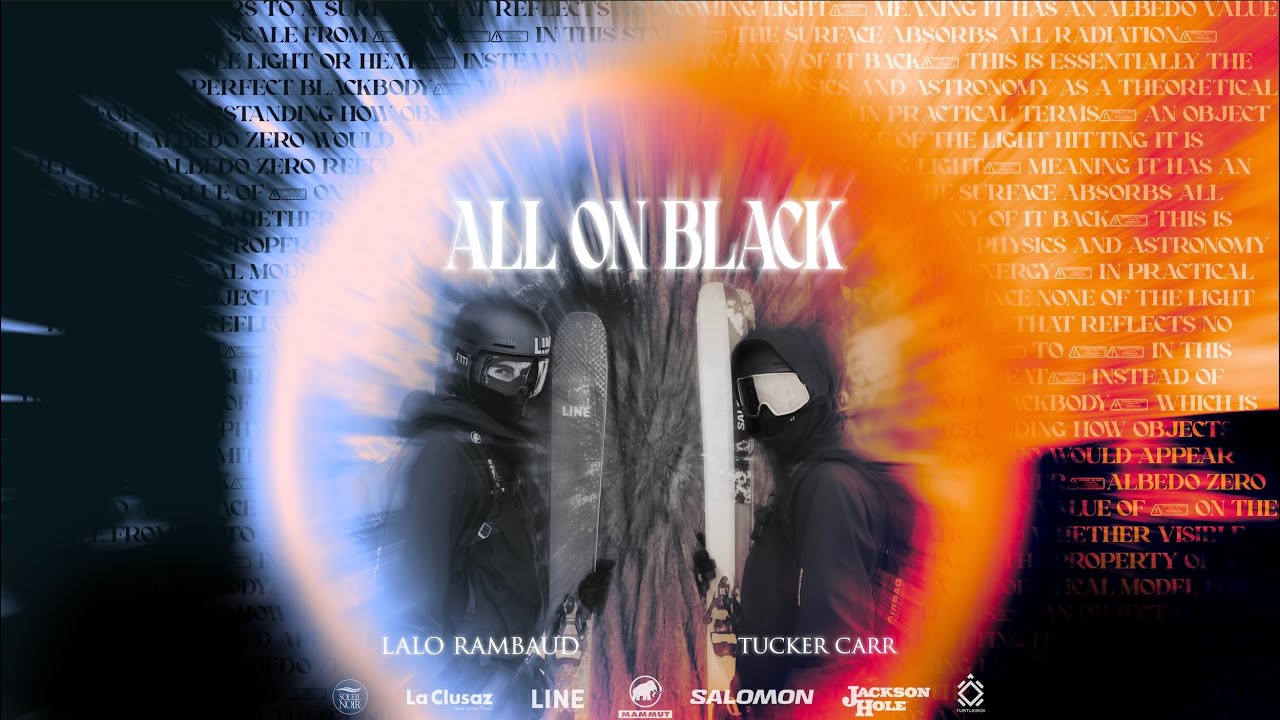
What sets Rambaud apart is the way he treats skiing as both performance and art. At sixteen he was already a professional on a major freeride team, travelling to junior events around France, Switzerland and Spain and sharing humorous edits from his home resort. Since then he has evolved into a full-fledged creator: directing and starring in the three-part film “Triangle,” co-directing the 2025 short “All On Black” with American skier Tucker Carr, and appearing in brand films and Salomon TV-style projects that blend high-level freeride with a cinematic eye. Supported by sponsors such as Line Skis, Mammut and his home resort La Clusaz, he stands at the intersection of competition, creative filmmaking and a playful, slightly offbeat alpine lifestyle.
Competitive arc and key venues
Rambaud’s competitive story begins in the Freeride Junior Tour, where he started lining up in start gates while still in high school. Early coverage from regional media in Haute-Savoie describes him as a young Annecy skier on the Salomon Freeride team, already spending winters chasing junior events in France, Switzerland and Spain. Those seasons gave him a foundation in judged freeride runs and exposed him to the rhythm of inspection, venue briefings and one-chance descents that define the sport.
As he aged out of junior categories, he moved directly into the Freeride World Tour Qualifier system. Today his name appears on the Freeride World Tour Challenger roster in the Ski Men category, with La Clusaz listed as his home base. Challenger events take place on serious terrain, from high-alpine faces in the Alps to major freeride venues around Europe, and they function as the last step toward full Freeride World Tour status. Rambaud’s presence there marks him as part of the international freeride field, not just a strong local in La Clusaz.
Alongside structured contests, special events and film festivals have become equally important “venues” in his arc. He has skied in high-profile freeride gatherings like Kings & Queens of Corbet’s Couloir at Jackson Hole, where his athlete bio presents him as a 22-year-old French rider who grew up at La Clusaz and now spends his time travelling, shooting and working with sponsors. On the film side, his projects “Triangle” and “All On Black” have appeared in guides for festivals such as iF3 and High Five, being shown on big screens in Chamonix, Annecy and North American tour stops. Taken together, those appearances show a skier who splits his winters between judged venues, film trips and creative showcases, using each environment to sharpen a slightly different part of his craft.
How they ski: what to watch for
Watching Lalo Rambaud ski is about seeing freeride technique filtered through an artist’s eye. In big-mountain clips from La Clusaz’s Balme sector, Les Arcs or Jackson Hole, he tends to favour lines that flow rather than lines that feel stitched together just for the judges. He often drops from high on a face, makes a few strong, compact turns to set speed, then links natural features—spines, rolls, wind lips and cliffs—into a single, coherent story. Instead of stopping and starting, his runs feel like sentences written in one breath.
Technically, his stance is tall but reactive, a product of years on steep alpine terrain. His upper body stays quiet while his skis and ankles do the work in variable snow, which allows him to stay centred when landings are deeper or firmer than expected. When he throws tricks, they tend to come from a freeride rather than slopestyle playbook: stylish straight airs with tweaks, backflips off natural takeoffs, and spins that are integrated into the line instead of performed in isolation. In Salomon-style “blank slate” projects, where athletes are asked to paint lines down untouched faces, he uses that same approach—fast but composed, with arcs that respect the shape of the terrain.
For viewers trying to learn from his skiing, the key is to watch tempo and intention. He rarely looks rushed into a feature; speed is measured, and once he commits from the lip there is no hesitation. Even when snow sluffs around his skis or the terrain pinches down, his shoulders stay level and his vision stays locked down the fall line. That composure is what lets him ski quickly enough to keep film segments exciting without slipping into uncontrolled chaos.
Resilience, filming, and influence
Rambaud’s influence runs at least as much through his films as through his contest bibs. In the short film “Bliss,” he joined friends for sessions in Japan and at his home resort, exploring how changing environments can help push skiing forward. In “Triangle,” which festival descriptions describe as one of his best seasons captured on camera, he directed and starred in a three-part story that traces an epic winter from Jackson Hole to Gressoney and Balme. That project is packed with deep powder, sunsets, tricks and a poetic, cinematic look that reflects his belief that skiing is an art form rather than just a sport.
In 2025 he pushed things further with “All On Black,” co-directed with Tucker Carr and filmmaker Antonin Rivet. Shot between La Clusaz, Jackson Hole and Whistler, the film blends freeride performance with an experimental aesthetic built around thermal-camera effects. As the movie progresses, the visuals heat up, snow appears to melt and forests seem to ignite, blurring the line between reality and dream. The short has been selected by iF3 and other festivals and is touring as part of a QST film program, cementing his status as both a skier and a director with a distinctive voice.
Off camera, interviews and brand profiles paint a picture of a thoughtful, slightly understated athlete. On his outdoor brand profile he talks openly about fear, explaining that he is scared like anyone else, but that practice makes it manageable, and he repeats the idea that skiing is an art he wants to keep exploring. He is also working on a master’s degree in management, speaks about wanting to improve at things as varied as golf and chess, and spends downtime foiling on the water. That combination of academic life, creative ambition and high-level freeriding resonates with fans who see in him a broader, more sustainable version of what a professional skier can be.
Geography that built the toolkit
The map of Rambaud’s skiing starts in La Clusaz and Annecy. La Clusaz, with its Balme sector and complex lift-served backcountry, is his home terrain; it offers everything from playful tree shots to serious couloirs and big powder faces. Growing up there with a tight crew and a mentor like Seb Michaud meant that steep lines, cliff bands and natural airs were part of everyday skiing rather than special occasions. Short drives from Annecy into the Aravis gave him easy access to this terrain, and early edits from his teenage years show him turning even small in-resort features into creative canvases.
As his career developed, his geographic world expanded rapidly. Filming for “Triangle” took him to Jackson Hole in Wyoming, where tram-accessed faces and classic Teton spines demanded fast decisions in deep snow. The same project, and later “All On Black,” sent him to Gressoney in Italy and to Whistler in British Columbia, where big vertical drops, glaciated terrain and coastal storms added new textures to his skiing. He has also appeared in projects filmed at Les Arcs, where Salomon’s Blank Slate concept gave him a literal blank canvas on untouched powder faces. Each of these locations—La Clusaz, Les Arcs, Jackson Hole, Gressoney, Whistler and the Japanese hills visited in earlier edits—has left a trace in his style, contributing to a toolkit that works across Europe, North America and Japan.
Equipment and partners: practical takeaways
Rambaud’s equipment reflects his freeride focus and his current sponsor set. He rides for Line Skis, using freeride-oriented twin-tip models that can handle both high-speed big-mountain lines and the occasional trick off natural features. These skis typically pair generous waist widths with a mix of camber and rocker, giving them enough edge hold for steep, firm entries and enough float for deep days in Balme or the backcountry around Jackson Hole. For viewers, his skiing is a real-world demonstration of how such a ski should behave: stable at speed, predictable in landings and still agile enough for quick slashes and direction changes.
As a Mammut athlete, his hardgoods and safety kit are tuned for serious alpine terrain. Avalanche transceivers, airbag-compatible packs, durable shells and protective layers are part of his standard setup whenever he leaves groomed slopes. His home resort partnership with La Clusaz completes the picture, anchoring him in a community that supports lift-served freeride, backcountry access and film projects in equal measure. For progressing skiers, the practical takeaway is simple: gear should match the mountains you actually ride. If you are drawn to the kind of faces Rambaud skis, a dependable freeride ski, solid avalanche equipment and clothing built for changeable alpine weather will do far more for your skiing than any purely park-focused setup.
Why fans and progressing skiers care
Fans and progressing skiers care about Lalo Rambaud because he represents a modern, creative version of freeride. He competes on serious faces in the Freeride World Tour Challenger series, yet he also writes, directs and edits films that treat skiing as a visual language, not just a score on a result sheet. His projects show him moving fluidly from home laps in La Clusaz to deep days in Jackson Hole, stormy missions in Gressoney and high-contrast shots in Whistler, all while experimenting with new ways to show what a turn, a slash or a cliff drop can feel like on screen.
For skiers watching from smaller resorts or city hills, his path offers a clear and inspiring template. Build strong fundamentals at home. Enter freeride events when you are ready, to learn how you handle pressure. Film with friends, even if the budget is tiny, and think about the story as much as the tricks. Stay curious about other mountains and other arts, whether that means cinema, design or something completely different. Looking at Rambaud’s skiing and films through that lens turns his career into both inspiration and instruction—a reminder that with creativity, patience and a willingness to see skiing as art, it is possible to shape a freeride life that spans continents without losing its roots in one home mountain.