Kai Martin
Profile and significance
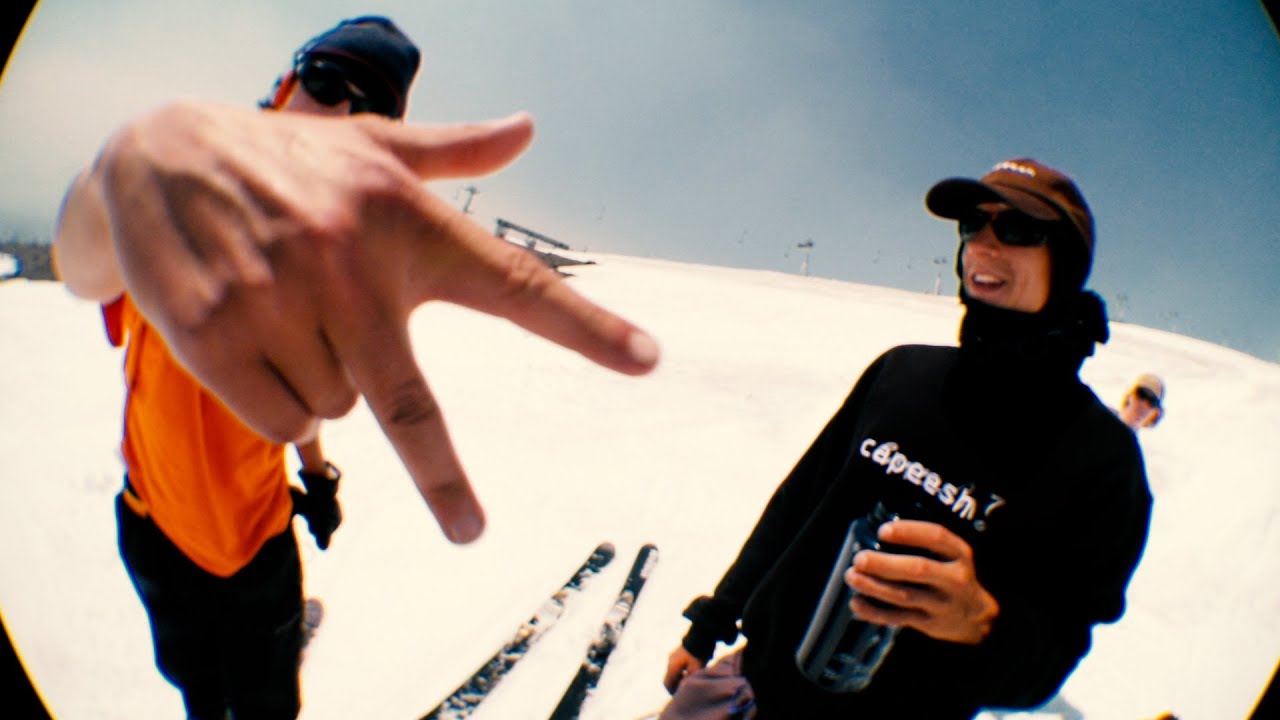
Kai Martin is an Australian freeski athlete focused on slopestyle and big air, officially listed as an active competitor by FIS (born February 26, 2003). In a sport where many athletes are defined by one breakout final or one viral clip, Martin’s relevance comes from a more complete picture: he has wins at the continental-cup level, repeat appearances on the World Cup tour, and a parallel identity as a filmer/editor within freestyle ski culture. That combination—competitive starts plus creative production—fits the modern freeski reality, where progression often happens as much through projects and crews as it does through start lists.
He’s also a useful case study in how “pathway skiing” works for athletes from smaller snow-sport nations. His results span the OWIA and Snow Australia ecosystem and the North American development circuit, including multiple Nor-Am starts and wins in Canada and the U.S. The throughline is clear: he has spent years building a competition base, then used that same winter mileage to contribute to filmed projects that sit closer to freeski’s creative roots.
Competitive arc and key venues
Martin’s competitive story has a strong Southern Hemisphere anchor. On the Australia New Zealand Cup calendar, he won men’s freeski slopestyle at The Remarkables in August 2023 and repeated with another ANC slopestyle win there in August 2024. Those results matter because ANC events are not just local contests—they often function as high-pressure early-season proving grounds, with international fields and judging standards that resemble bigger tours.
His step into the World Cup conversation is also well documented. He made his FIS World Cup debut in big air at Chur in October 2023, then added more World Cup starts across classic park-and-pipe venues: slopestyle at Stubai Glacier (November 2023), big air in Beijing (December 2023), and big air at Copper Mountain (December 2023). His best World Cup result so far is a 23rd place in slopestyle at Tignes in March 2024, which also marks the moment he began scoring World Cup points.
Another noteworthy marker is his return from injury at LAAX in January 2025, where Australian program reporting described it as his first World Cup of the season and he finished 33rd in men’s slopestyle. That detail is important because it frames him as an athlete rebuilding continuity—an everyday reality in park skiing, where injury interruptions can derail both confidence and contest rhythm.
Below the World Cup tier, Martin’s Nor-Am résumé is a real strength. He won Nor-Am big air at Stoneham (Québec) in March 2022 and again in March 2023, and he added a Nor-Am slopestyle podium at Stoneham in 2023 as well. He also posted strong Nor-Am results at WinSport in Calgary and at Aspen-area events, which signals a competitor who can travel, adapt to different course builds, and still land in the points.
How they ski: what to watch for
Martin’s competitive record suggests a skier who is most comfortable when slopestyle and big air reward full-package skiing: stable rails, speed management, and landings that preserve momentum. If you’re watching him with an evaluator’s eye, focus on the “between” moments that separate a clean contest run from a highlight-reel run. How quiet is the upper body on rail entries? Does he exit features already set up for the next hit, or does he need a visible correction? Those details often decide whether a run survives judged formats at World Cup speed.
In big air, the most revealing trait is composure under a simplified format. Big air strips the sport down to approach, takeoff precision, and the ability to repeat under pressure. Martin’s long run of appearances—from Chur to Beijing to Copper Mountain—points to an athlete steadily collecting reps in exactly that environment. Even without a World Cup podium yet, this kind of repetition is how athletes convert “can do it” into “can do it in finals.”
His background also includes halfpipe starts earlier in his career, and that matters even if his current focus is slopestyle and big air. Pipe experience tends to sharpen air awareness and landing discipline, which can show up as better timing on larger slopestyle jumps. When a skier looks calm in the air and efficient on takeoff, it’s often because they’ve trained in formats that punish hesitation.
Resilience, filming, and influence
The most compelling part of Martin’s story is how he’s positioned himself as both a competitor and a creator. In late 2025 he was credited as a co-creator behind the film project “Nexus” with halfpipe skier Aaron Durlester, a project framed as exploring skiing beyond pure contest objectives and blending multiple influences into one vision. Whether a viewer follows contest points or not, that kind of credit matters in freeski: it signals that peers trust his eye, his work ethic, and his taste—qualities that often translate to stronger skiing as well.
That creative role also adds context to his competition arc. The same skills that make a skier valuable in filming—patience, repetition, and the ability to refine small details until they look effortless—are exactly what slopestyle judging calls “execution.” Martin’s career suggests he’s building that execution on two fronts: contest reps at World Cup and Nor-Am events, and project work that pushes him to keep skiing interesting when the goal isn’t a score.
Resilience shows up in the injury timeline too. Returning to World Cup competition at LAAX after time away is not only about physical recovery; it’s about re-learning contest pacing and trusting speed on features that feel bigger when you’ve missed time. Athletes who can step back into that environment and continue stacking seasons are often the ones who eventually unlock a breakthrough result.
Geography that built the toolkit
Martin’s geography reads like a modern freestyle training map rather than a single hometown pipeline. His ANC wins at The Remarkables and starts at Cardrona tie him to New Zealand’s highly influential winter scene, where athletes often sharpen early-season trick choices and contest readiness. Those venues are valuable because they reward clean skiing on courses that can feel fast, compact, and demanding.
His North American development results—especially Nor-Am wins at Stoneham and performances at WinSport—suggest a high-volume training approach, where repetition is the currency. Add in World Cup exposure at Copper Mountain and Mammoth Mountain, and you have the U.S. side of the equation: bigger jumps, long landings, and event-week pressure.
Europe completes the toolkit. Competing at Stubai Glacier, LAAX, and Silvaplana places him in venues where rail sections and course flow can be decisive, and where style and control are tested on different snow textures and light conditions than North America. If you want to understand his skiing evolution, that travel pattern is the story: build confidence in one hemisphere, validate it in another, then keep iterating.
Equipment and partners: practical takeaways
Martin’s FIS athlete page does not publish a confirmed, up-to-date equipment setup, and his public results listings do not reliably document brand sponsors. What is clearly verifiable is his connection to Australia’s high-performance pathway through OWIA coverage and the national federation structure of Snow Australia. In practical terms, that kind of support is often more important than any single logo: it helps an athlete access coaching, travel, and the competition schedule that creates real progression.
For progressing skiers, the equipment takeaway is best framed through the demands of his disciplines rather than his specific gear. Slopestyle and big air reward a predictable, switch-friendly platform that stays consistent across different snow conditions and different course designs. The athletes who rise through Nor-Am and into World Cups are usually the ones who remove equipment uncertainty: boots that fit perfectly, skis that feel familiar on every takeoff, and maintenance habits that keep speed predictable on jump lines and stable on rails.
There’s also a subtle “creator” takeaway in his film work. Skiers who film and edit tend to care intensely about how skiing looks: takeoff shape, grab timing, landing posture, and whether the trick reads clean on camera. If you want to ski like someone who both competes and creates, treat style as something you train, not something you hope happens. The goal is repeatability—because repeatability is what becomes both a contest run and a film clip.
Why fans and progressing skiers care
Kai Martin matters because he represents a modern freeski archetype that’s increasingly common and increasingly important: the athlete who builds legitimacy through results while also contributing to the culture through filming and creative projects. His record includes repeat victories at The Remarkables, Nor-Am wins at Stoneham, and a World Cup pathway that began at Chur and has included stops across Europe, North America, and China. That’s not a single breakout—it’s a sustained attempt to climb the sport the hard way.
For fans, he’s interesting because the ceiling is still open. A 23rd at Tignes is the kind of result that often precedes bigger finals as experience compounds. For progressing skiers, the lesson is even clearer: the path is built on reps—continental-cup wins, travel, course adaptation, and the ability to return from setbacks and keep going. If you want a skier to watch who is still building toward the next tier while already leaving a footprint in both contests and projects, Martin is a strong name to follow.