Johanna Sellman
Profile and significance
Johanna Sellman is a Swedish freeski slopestyle and big air skier whose name keeps showing up wherever modern park skiing is progressing. Born in 1997 and riding for the Umeå-based club Uhsk, she has built a résumé that blends FIS slopestyle and big air podiums, Austrian Cup wins and standout appearances in influential women’s ski films. While she has not yet become a World Cup headliner, she sits in that crucial tier of riders who define the level of everyday park skiing in Europe: strong enough to win open contests, stylish enough to be picked for film projects, and committed enough to spend most of the winter chasing takeoffs and landings across the Alps and Scandinavia.
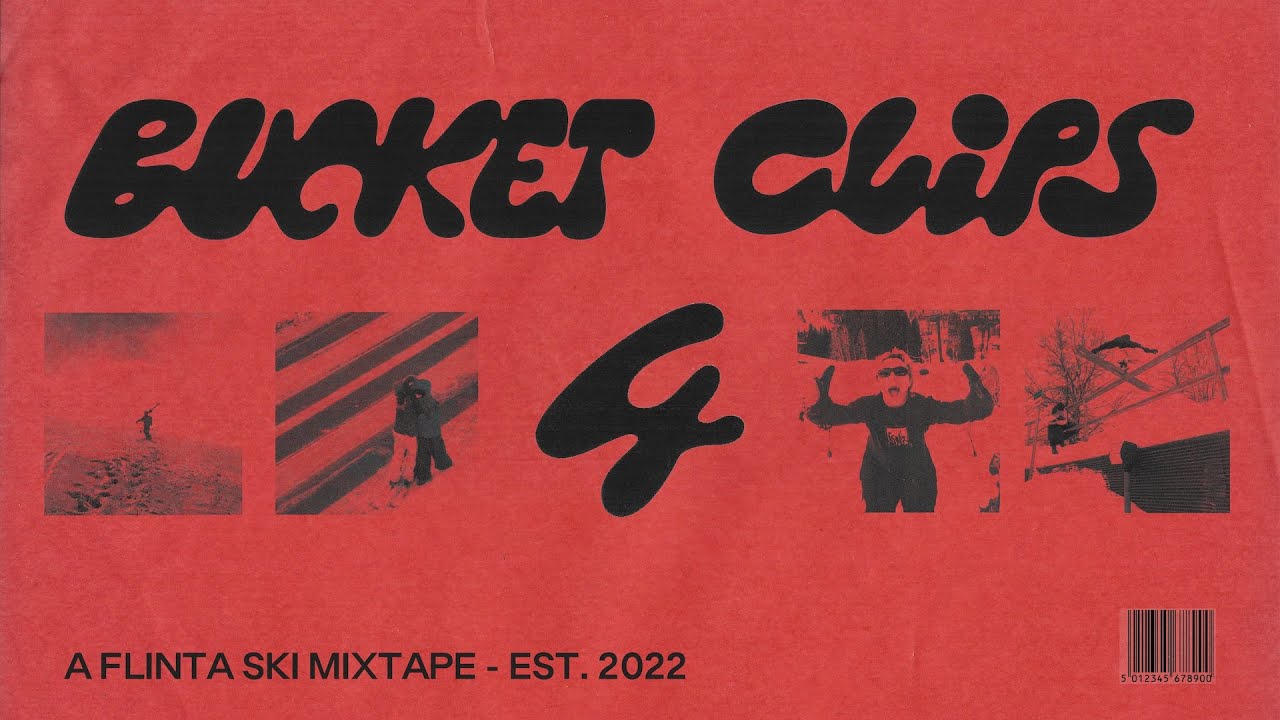
Her competitive results tell only part of the story. Beyond the numbers, Sellman has become a familiar presence in women’s freeski culture through the “Bucket Clips” all-FLINTA film series, a Level 1 SuperUnknown semi-finalist part and regular appearances at iconic parks like PenkenPark in Mayrhofen and Gran Masta Park in Adelboden-Lenk. She also maintains a close connection to Kläppen Ski Resort, a Swedish park hub where she has worked and filmed. For fans and progressing riders, she represents the bridge between grassroots Scandinavian scenes and the broader European contest and film circuit.
Competitive arc and key venues
Sellman’s name first appears in international databases in the late 2010s, when she began entering FIS slopestyle events in Sweden. Results from venues like Tändådalens slopestyle course and national championships in Kläppen show her steadily climbing leaderboards, culminating in podiums at Swedish championships in both slopestyle and big air. Those early domestic results set the stage for a move onto the wider European stage, where she tested her skiing against deeper international fields.
From 2021 onward her competitive arc accelerates. Multiple FIS slopestyle wins in Swedish parks such as Järvsö and Leksand confirm that she is more than just a local talent, and strong showings in national championships lead into European Cup opportunities. A silver medal in European Cup big air at Götschen and a podium in European Cup slopestyle at Ruka underline her ability to adapt to different jumps, formats and snow conditions while still holding her tricks together when the pressure is on. In parallel she stays active in national-level big air and slopestyle events where the depth of the Swedish freeski scene keeps the level high.
One of the clearest snapshots of her competitive relevance comes from the Austria Cup and QParks environment. In 2024 she tops the freeski women’s field at the PenkenBattle slopestyle contest in the PenkenPark above Mayrhofen, a long-running event that draws a mix of Austrian, Scandinavian and Central European riders and feeds into Austria Cup rankings. A season placing near the top of those rankings shows she is not just dropping in for a single lucky run; she is part of the core contest cohort that shapes the level in Central Europe. For viewers, contests at PenkenPark and similar venues are one of the best places to see her competition skiing at full intensity.
How they ski: what to watch for
Sellman’s skiing is built on classic park fundamentals: solid rail game, clean grabs and a clear respect for line choice. In slopestyle, she tends to favor runs that build momentum rather than relying on one risky banger trick; you will often see her link technical rail features up top into a well-paced jump line with spins that keep getting more complex as she approaches the finish. Her trick lists show plenty of switch takeoffs, well-held grabs and spins that stay on-axis until she deliberately adds cork or off-axis flavor.
On jumps, the first thing to watch is how long she holds her grabs. Rather than snatching for style points, she usually locks in early and keeps the grab through a large portion of the rotation, giving her spins a calm, composed look even on bigger features. That composure also shows in her landings. She has a tendency to land slightly forward and drive out of the landing rather than defaulting to heavy back-seat recoveries, which is part technique and part confidence in speed management. On rails she balances technicality with flow; instead of chasing endless spin-on, spin-off variations, she often chooses creative lines across the set with clean changes in direction and strong body position.
Sellman can also adapt her style from pure park slopestyle to more film-oriented segments. In those edits, she brings park skills into sidehits, side-country jumps and occasional urban or quasi-urban setups without losing the refined takeoff and landing mechanics she uses in contests. For progressing skiers, her clips are a good study in how to carry contest-level fundamentals into more playful, creative terrain without sacrificing control.
Resilience, filming, and influence
In recent years, much of Sellman’s influence has come from outside result sheets. She has appeared as a semi-finalist in Level 1’s SuperUnknown talent search, a global park-skiing showcase that has launched many well-known careers. That appearance signaled that her style and trick selection resonated with film-focused skiers far beyond Sweden. Around the same time, she began featuring more consistently in the “Bucket Clips” film series, an all-FLINTA project led by Rosina Friedel that assembles park and backcountry clips from women and gender-diverse riders around the world.
Being part of those projects matters because they help rebalance visibility in freeskiing. Instead of a single pro carrying a full-length movie, “Bucket Clips” is structured as a mosaic of segments, with riders like Sellman contributing clips from their home mountains and travels. For younger skiers, particularly women in the park, seeing her name in the credits next to a deep roster of international riders makes the path from local rail jams to film segments feel more real. Community conversation around “dopest women skiers” and “who to follow” threads frequently mention her as a rider whose skiing deserves more attention, which underlines the respect she commands within the core freeski audience even without World Cup medals.
Geography that built the toolkit
Geography plays a huge role in Sellman’s ski identity. She comes from Umeå in northern Sweden, far from the high Alpine peaks but close to a network of local hills and park-focused resorts. One of the most important is Kläppen, a resort known for its dedicated snowpark and frequent hosting of national-level freeski events. Working and riding there gives her long seasons in a park environment that rewards repetition, experimentation and filming with friends after hours.
As her career has grown, she has added more international spots to her regular winter map. PenkenPark in Mayrhofen, accessed via the Mayrhofner Bergbahnen above the Zillertal valley, is one of Europe’s benchmark slopestyle venues and a natural home base for riders chasing Austria Cup and European Cup results. Further west and south, the creatively shaped lines of Gran Masta Park in the Adelboden-Lenk region have also become a recurring backdrop for her clips. Between Swedish early-season laps, mid-winter Austrian contests and spring sessions in Swiss parks, she spends most of the season in environments that prioritize progressive rails, well-built jump lines and a strong filming culture.
That geographical mix reinforces a particular skill set: comfort on medium-sized but technically demanding jumps, a love of creative rail lines and the ability to adjust quickly when park crews change features overnight. It also keeps her connected to grassroots scenes, from local Swedish kids’ days and mystery tours to women’s coaching sessions and girls-only park events in Austria.
Equipment and partners: practical takeaways
Public footage and social posts consistently show Sellman riding park-oriented twin tips from Armada Skis, often in setups that balance stability on jumps with quickness on rails. While the exact model may shift from season to season, the general theme is a moderately stiff park ski with enough backbone for big air takeoffs and enough forgiveness to stay playful on smaller features. For skiers looking to learn from her choices, the key takeaway is not to chase a pro model but to find a symmetrical, rail-friendly ski that still feels predictable on the bigger kickers common at contests like PenkenBattle.
Her connection to venues like Kläppen, PenkenPark and Gran Masta Park also highlights the importance of treating parks themselves as “equipment.” Riding in well-shaped parks with consistent lips and landings allows her to push progression with fewer unknowns. That reality suggests a practical lesson for progressing riders: if you want to ski more like Sellman, seek out parks with a reputation for good shaping and a strong community rather than focusing only on headline resort names. In combination with a solid park boot, a binding setup you trust and protective gear like a modern helmet and back protector, that environment will do as much for your progression as any specific ski graphic.
Why fans and progressing skiers care
Fans care about Johanna Sellman because she is a clear example of how far consistent park dedication and community involvement can take a skier, even without Olympic or X Games medals. She wins recognized slopestyle contests, posts clean and stylish footage, contributes to respected film projects and remains deeply connected to the everyday park scenes that produce the next generation of riders. That mix makes her both aspirational and relatable: she is good enough to inspire and close enough to the grassroots that her path feels achievable.
For progressing skiers, especially those growing up in small hills or regional parks, her journey offers a concrete blueprint. Build strong fundamentals in your local park. Travel to bigger venues like Kläppen, PenkenPark or Gran Masta Park when you can. Enter FIS or open contests when your run is consistent. Film with friends and submit to projects like SuperUnknown or community edits. Support all-FLINTA and inclusive projects that widen who gets seen. Watching how Johanna Sellman has quietly assembled those pieces into a solid freeski career helps clarify that modern slopestyle and big air culture is not only about a few superstars, but also about riders like her who keep the progression alive, one well-grabbed spin and one dialed rail at a time.