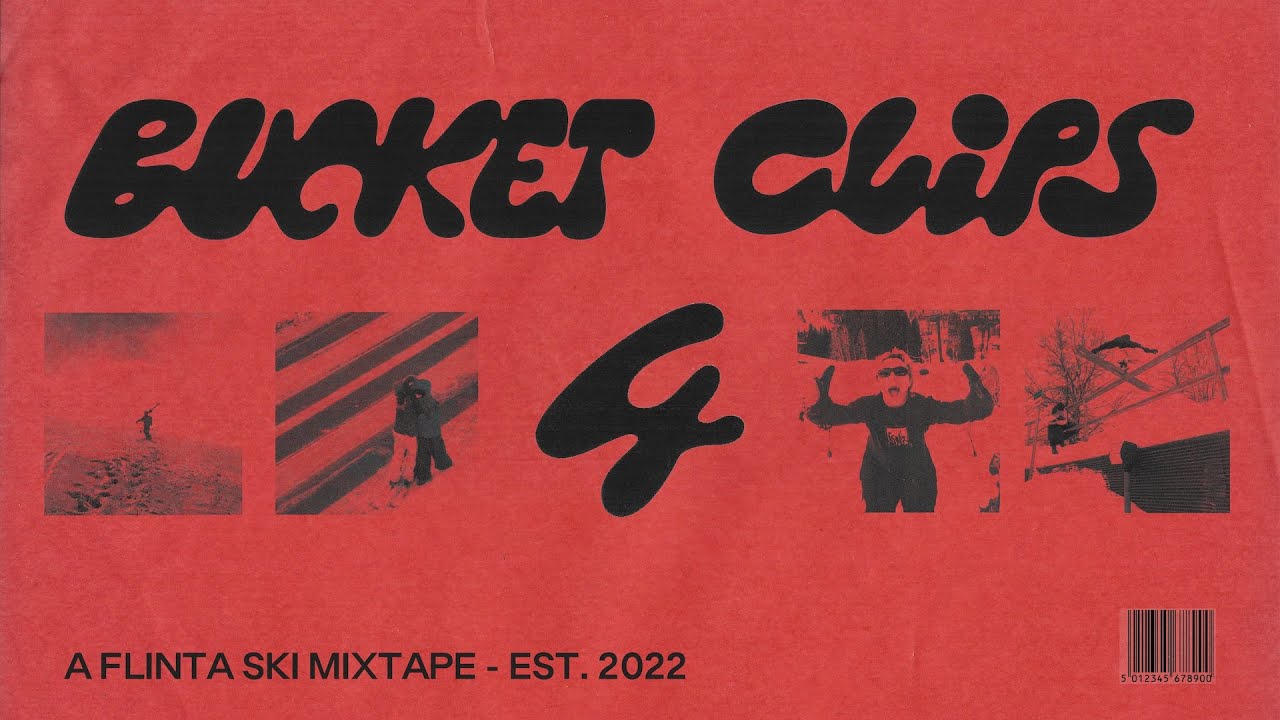
Bucket Clips 4 | An All FLINTA/Female Ski Movie
Profile and significance
Johanna Ochsenreiter is a German skier from the Allgäu region whose name pops up in several corners of modern ski culture: in cross-country race results, in mountain guiding and winter hiking, and in the credits of a community-driven all-FLINTA ski movie. FIS records show her starting cross-country races for SC Scheidegg at junior and national level, while guiding and outdoor profiles present her as a state-certified mountain and winter hiking guide who lives for fresh powder days. That mix of structured endurance sport, everyday mountain work and freeski filmmaking places her in a growing category of athletes who shape ski culture more through their versatility and presence than through a single marquee podium.
Rather than being known for World Cup glory, she is part of the layer of skiers who keep the sport alive on the ground: leading guests through Allgäu terrain, logging long days on touring skis, and joining street and backcountry film projects built around inclusivity and representation. Her appearance among the riders of “Bucket Clips 4”, an all-FLINTA ski movie, underlines her connection to the freeski scene and to a network of women and gender-diverse skiers who are pushing visibility in a space traditionally dominated by men. For viewers and progressing skiers, she is interesting precisely because she sits at the crossroads of performance, guiding and community-based projects rather than occupying the media spotlight on a slopestyle or big air podium.
Competitive arc and key venues
Cross-country skiing is the most formally documented side of Johanna Ochsenreiter’s athletic path. In FIS databases you find her racing under the German flag for SC Scheidegg in the 2017–2018 seasons, with starts in classic development venues such as Oberstdorf, Oberhof and Oberwiesenthal. The events include sprint races over a little more than a kilometre and distance races around five to ten kilometres, largely in junior or national categories. The results lists show finishes in the middle of the field rather than top-step dominance, but they confirm an early commitment to structured training, race routines and the discipline that goes with them.
At the same time, her professional footprint in the mountains points strongly toward the tour and freeride side of ski culture. Guiding and winter-walking profiles from Allgäu describe her as happiest on skis in fresh powder, with ski touring and long winter days in the high country playing as central a role as any race bib. Her work with guests ranges from introductory ski touring and winter hiking to more advanced objectives in the Alps, where reading snow conditions, choosing lines and managing group safety are as demanding as any competition. Add in her inclusion among the riders in a community street-and-backcountry project like “Bucket Clips 4” and you get a sense of a skier who has quietly expanded her arena from groomed tracks to wider alpine terrain and creative filming sessions.
How they ski: what to watch for
Because Johanna Ochsenreiter’s exposure comes more from guiding, touring and collective films than from head-to-head slopestyle rankings, observing her skiing is about reading subtler cues than trick lists. A cross-country foundation usually produces a skier with efficient movement, a strong engine and a feel for gliding speed, and that tends to show up in how such athletes handle long approaches, rolling terrain and traverses between features. The stride-to-turn transition that former cross-country racers develop often leads to a quiet upper body and a focus on keeping skis running smoothly rather than constantly throwing brakes on.
In freeride and touring environments that translates into lines that look coherent and economical. Instead of hunting for the biggest possible cliff or a park-style big air moment, skiers with this background typically build runs around natural fall lines, small drops, wind lips and pockets of preserved snow. They tend to be comfortable keeping momentum on variable surfaces and using subtle edge pressure to stay balanced when the snow turns crusty, wind-affected or tracked out. When you see her name in a film project like an all-FLINTA community movie, you can expect that blend of endurance, flow and practical terrain reading rather than a heavily urban street skiing emphasis packed with handrails and kinked stair sets.
Resilience, filming, and influence
Although Johanna Ochsenreiter is not a household name on the World Cup, her influence emerges through a different route: consistent presence in the mountains and behind the camera. Credits in commercial and outdoor film work, often in the role of production assistant for the Innsbruck-based collective KOOKIE, show her involved in shaping the visual language of skiing and other mountain sports. Helping coordinate location shoots, athletes and logistics builds a deep understanding of how ski images are made, which in turn feeds back into how she chooses lines and settings when it is her turn in front of the lens.
Her participation in “Bucket Clips 4” is part of a broader movement where FLINTA riders share segments, stack clips and premiere films that highlight a wider range of stories than traditional big-budget productions. Rather than centring a single star, these projects celebrate a whole crew, and the riders who take part gain influence as part of a mosaic. For younger skiers looking up, seeing a German all-mountain skier and guide appear in that type of film alongside park and street specialists helps reinforce the idea that there are many valid ways to belong in freeski culture, whether your main focus is chairlift laps, urban missions or ski touring deep into the backcountry.
Geography that built the toolkit
The geography behind Johanna Ochsenreiter’s skiing is almost a character in its own right. The Allgäu region, with towns like Scheidegg and Lindenberg im Allgäu, provides rolling foothills, access to Nordic tracks and relatively quick reach to steeper alpine terrain. Growing up and working in this environment means learning to navigate everything from low-elevation snow that comes and goes during warm spells to high, shaded slopes where powder lingers well after a storm. That variety helps build an all-round toolkit that serves both cross-country racing and ski touring.
Her professional links to outfits such as the guiding company whose programmes cover Oberstdorf, the Kleinwalsertal and other classic Allgäu touring areas add another layer. These areas are not giant resort complexes built purely for slopestyle or big air showdowns; they are a web of ski areas, touring routes and lift-accessed freeride zones that reward careful line selection and avalanche awareness. Time spent here teaching guests, planning routes and adapting to changeable conditions inevitably shapes how an athlete thinks about risk, pacing and terrain choice. For viewers, keeping that geography in mind provides useful context when watching any clips or edits that carry her name in the credits.
Equipment and partners: practical takeaways
Public profiles of Johanna Ochsenreiter focus more on her roles and terrain than on specific pro-model setups, but the outline of her equipment priorities is clear. Cross-country racing starts for a club like SC Scheidegg imply familiarity with light, efficient setups where every gram matters and glide is crucial. Guiding and ski touring work demand a different balance, combining touring bindings and skins with boots stiff enough to handle variable snow on the descent. For most skiers looking to learn from her example, the key lesson is not to copy a single brand but to think carefully about the compromise between uphill efficiency and downhill stability.
Because she spends so much time outside standard resort comfort zones, avalanche safety gear and reliable outerwear carry extra weight. A touring skier and winter hiking guide who is out in storms, early-morning cold and spring transitions needs a layering system that stays dry and warm over long days, plus goggles and sunglasses that handle flat light and reflections. Looking at her environment, it is reasonable to assume that she favours equipment that works in the humid, often rapidly changing climates of the northern Alps rather than ultra-specialised park gear. For progressing skiers, this reinforces an important point: if your goals look more like hers, you should prioritise dependable touring and freeride equipment over the twin-tip park setups you see on slopestyle start lists.
Why fans and progressing skiers care
Fans and aspiring riders who search for Johanna Ochsenreiter will not find a wall of Olympic results or multiple World Championship medals. Instead, they find a portrait of a modern mountain professional who blends cross-country experience, guiding work, film involvement and participation in inclusive freeski projects. That is exactly why she can matter to many skiers more than a distant superstar. Her path suggests that it is possible to build a life around skiing through a combination of instructing, touring, small-scale competition and creative collaboration rather than only through elite slopestyle or big air careers.
For progressing skiers, especially those from regions like Allgäu where mountains are close but not all-consuming, her example offers several takeaways. A background in endurance sport can underpin strong all-mountain skiing. Guiding or instructional work can sit alongside personal progression and filming. Involvement in community-led projects such as all-FLINTA movies can give visibility and connection without waiting for major-brand invitations. Watching how and where her name appears across race lists, guiding teams and film credits gives a realistic, grounded blueprint for building a skiing life that is sustainable, varied and deeply rooted in the places where snow actually falls.