Hans Wiener
Profile and significance
Hans Wiener is an American freeski athlete based in Park City whose career is built around the modern overlap zone between freeride competition and backcountry freestyle. He appears in the official Freeride World Tour Qualifier rider database as a Ski Men competitor, and his strongest public results sit inside that big-mountain pipeline rather than traditional FIS park-and-pipe rankings. What makes Wiener relevant to a freeski audience is the way he moves through formats: judged freeride lines on natural faces, freeride contests that reward creativity, and film-style projects that blend park laps with raw terrain.
His story also stands out because it is anchored in a long runway. As a young teenager, local reporting described him winning the Sports Illustrated for Kids Next X Snow Search finals at Killington Resort, an all-around youth contest that combined multiple disciplines. That early “do everything” foundation still shows up in his adult skiing: he doesn’t feel like a pure specialist. Instead, he fits the growing category of skiers who bring slopestyle and big air instincts into big-mountain settings, turning freeride lines into something closer to backcountry freestyle.
Competitive arc and key venues
Wiener’s competitive arc has two clear chapters: early freestyle roots and later freeride focus. The youth milestone at Killington Resort matters because it wasn’t a single-event fluke; the reporting around that win emphasized that the format rewarded well-rounded skiing across terrain types. In other words, he came up in an environment where versatility was the point, not a bonus. For a progressing skier reading his story today, it explains why his later output can feel comfortable in both park features and steep, technical freeride terrain.
In the freeride world, his most verifiable recent competitive highlight is a top-four finish at the 2024 Grand Targhee IFSA Qualifier, which is listed on the Freeride World Tour qualifier event results. The venue, Grand Targhee Resort, is the kind of stage that forces decisions: cliff bands, variable snow, and the need to link a clean line that looks intentional instead of improvised. Placing fourth there signals a skier who can score not only on courage, but on control and line choice—two traits that translate directly into film-worthy skiing.
Wiener’s contest résumé also includes participation in formats that sit outside the classic “one skier, one run” template. At Solitude Mountain Resort, he was part of the winning roster at Red Bull Cascade 2025, a team-based event built around top-to-bottom creativity and energy rather than a single standardized course. That win is useful context because it highlights what his skiing is built for: linking features, reading terrain quickly, and delivering a complete descent that feels like a real freeski line rather than a training-lane run.
Alongside competition, Wiener’s visibility is boosted by film-forward projects. In 2026, coverage of his project “Beggar’s End” framed it as a thank-you to the people and community that keep a skier moving forward, and it was described as a mix of park laps and backcountry terrain across Park City, Wyoming, and Mammoth Mountain. That kind of project matters because it gives fans a way to understand what he is beyond results: a skier who values the culture of the sport and can translate that into watchable, coherent skiing on very different kinds of snow.
How they ski: what to watch for
Hans Wiener’s skiing reads like a park-trained athlete who chose to take those instincts into freeride terrain. In freeride qualifiers, the scoring isn’t just about being steep; it’s about how the run is built. Watch how he links sections: the way he exits a technical zone, carries speed to the next feature, and keeps his body position quiet enough that the skiing looks composed even when the line is complex. That is the freeski version of “execution,” and it’s often what separates a high-score run from a scary run.
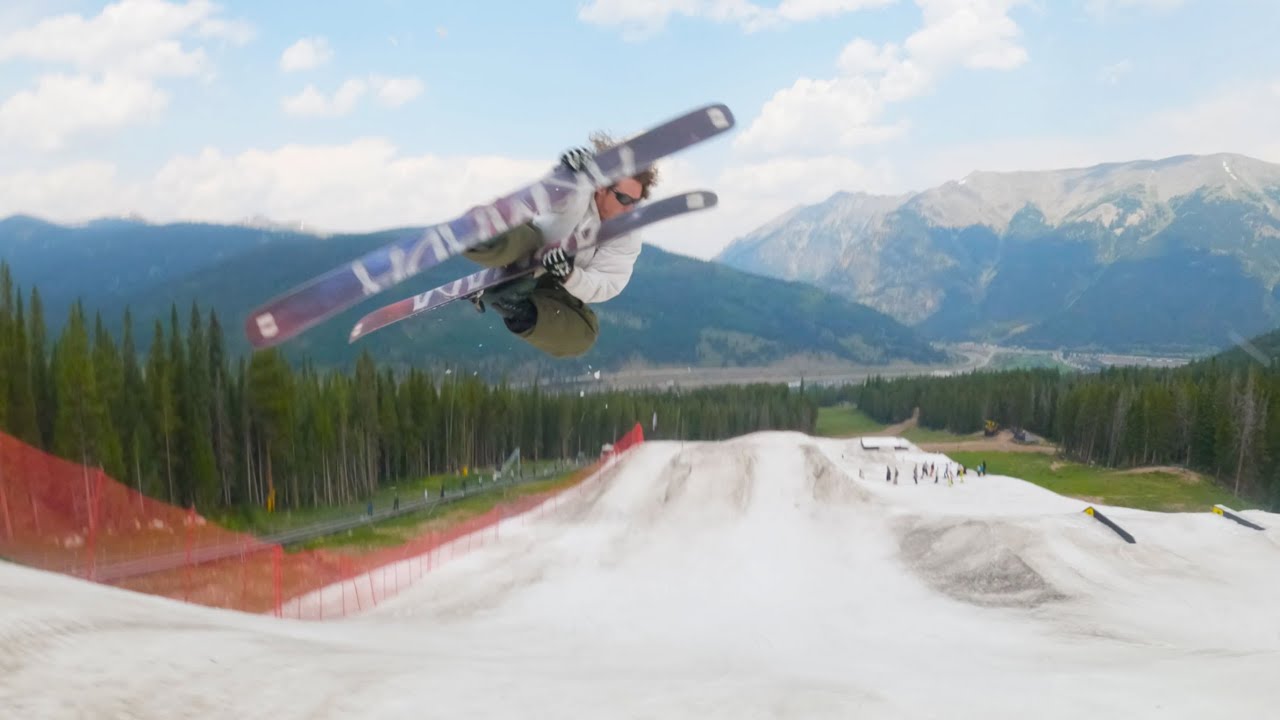
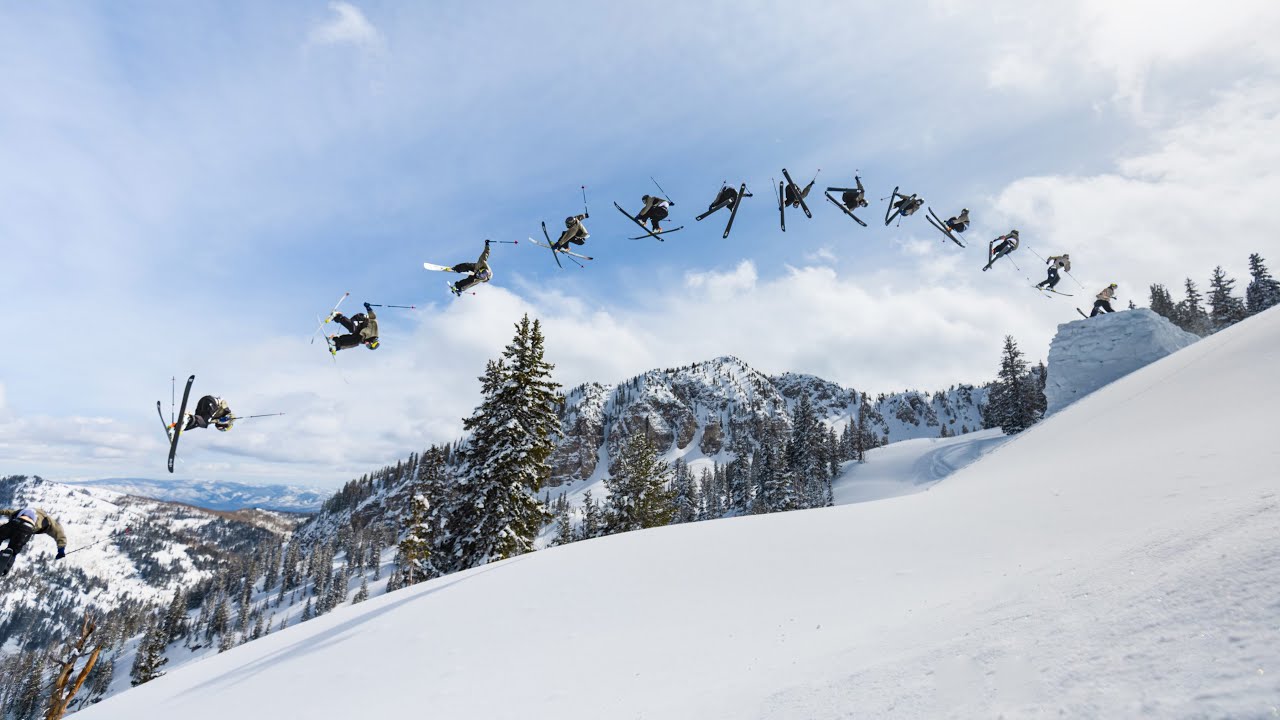
He also fits the backcountry freestyle lane more than the old-school freeride lane. Instead of treating cliffs as pure survival drops, the goal looks closer to big air logic: pop, shape, and stomp, then keep moving. In coverage from Grand Targhee, he has been featured putting a corked rotation into a freeride line, which is a good shorthand for what he brings to the table. It’s not urban/street skiing in the literal sense, but the influence is there in the precision: the same discipline that makes slopestyle runs work—timing, takeoff accuracy, and controlled landings—becomes the framework for how he attacks natural features.
Red Bull’s own athlete roster for Cascade lists his favorite trick as a switch 9 dub Japan. Whether you ever see that exact trick in a given season, it points to something important about his freeski identity: comfort skiing switch and a willingness to mix style with rotation. For viewers, that means the “tell” is often in the approach. If the skier looks confident in the setup and committed early, the trick is usually a product of rhythm rather than last-second muscle.
Resilience, filming, and influence
Wiener’s influence is less about one famous medal and more about the modern freeski blueprint: compete, film, and keep the sport fun enough to stay in it. Freeride qualifiers are a grind—travel, snowpack variability, and the reality that one mistake can erase an otherwise strong season. A top-four at a venue like Grand Targhee Resort suggests not only talent, but the ability to manage that variability and still deliver a complete run when it counts.
His filming projects underline another kind of resilience: keeping creative output alive even when you’re not on a podium circuit. “Beggar’s End” was presented as a community-centered project, which is a very freeski way of framing success. It’s not just “look at this trick,” it’s “look at the people and places that make the skiing possible.” That perspective resonates with fans because freeski is a culture sport as much as a competition sport, and athletes who can communicate that tend to have staying power.
Winning a collaborative team event at Solitude Mountain Resort also hints at why he fits modern freeski so well. The sport is moving toward formats that reward creativity, line choice, and energy, not only technical difficulty on a fixed feature list. Wiener’s public results and projects suggest he thrives when skiing is evaluated as a full descent—something that looks like the runs skiers actually dream about, not just what fits neatly into a contest template.
Geography that built the toolkit
Park City is a natural home base for a skier who blends park fluency with big-mountain instincts. The broader region is known for producing skiers who can move between resort features and steep, technical terrain in the same season, and Wiener’s results and projects reflect that kind of mixed toolkit. Being associated with Park City also places him close to a web of training and event venues that have shaped the modern U.S. freeski scene.
Two other locations help define his public skiing map. Grand Targhee Resort represents the freeride side: natural terrain where line choice and decision-making are as important as the tricks themselves. Mammoth Mountain represents the park-to-backcountry blend described in his film work, a place where big resort features and freeride terrain can coexist in one trip. And Solitude Mountain Resort represents the newer freeski competition direction—creative, top-to-bottom, and hard to reduce to a single trick list.
Even his youth breakthrough at Killington Resort matters geographically because it shows how early he was exposed to broad-format skiing. That kind of early travel and multi-discipline competition tends to build adaptability, and adaptability is exactly what freeride qualifiers demand when conditions and venues change from stop to stop.
Equipment and partners: practical takeaways
Wiener is described in 2026 coverage as an athlete working with Armada Skis, and that pairing makes practical sense for his lane: a skier who wants a platform that can handle park laps, switch skiing, and backcountry freestyle hits in the same season. His story also shows how early support can begin. Reporting on his 2006 youth win noted sponsorship from Dynastar and Hestra while he was still a teenager, which is a reminder that the pathway often starts with local belief before it becomes national visibility.
For progressing skiers, the actionable takeaway is not to chase a logo, but to understand the demands of his skiing. Freeride qualifiers and backcountry freestyle reward stability at speed, a predictable landing platform, and enough maneuverability to stay composed in technical terrain. If you want to ski the way he’s scoring and filming, you need a setup you trust when you’re moving fast through variable snow, not only a setup that feels great on one perfect groomer lap.
Gloves and small equipment choices matter more than many people admit in big-mountain freeski. When you’re filming or competing in cold, high-consequence terrain, dexterity and warmth are performance factors, not comfort extras. The broader lesson from his early and later partnerships is simple: build a kit that removes friction—gear that keeps you confident enough to commit, because commitment is what turns a line into a run worth watching.
Why fans and progressing skiers care
Hans Wiener is worth following because he represents a modern freeski identity that’s increasingly important: the skier who can compete in freeride qualifiers, thrive in creative team events, and still deliver film projects that feel authentic. A fourth-place finish at the 2024 Grand Targhee qualifier and a win at Red Bull Cascade 2025 show that his skiing holds up in judged environments, while “Beggar’s End” shows he can translate that skiing into a story that isn’t just about results.
For fans, he’s a reminder that freeski greatness isn’t only Olympic finals and X Games podiums, even though those stages matter and define many careers. Freeski is also the art of building a complete descent—mixing slopestyle instincts, big air commitment, and freeride decision-making into one line. For progressing skiers, his blueprint is clear: master switch comfort, keep your skiing clean between features, and treat terrain like a canvas. When that approach works, the skiing looks calm, and calm is exactly what makes high-level freeski so compelling to watch.