Emilia Hofmann
Profile and significance
Emilia Hofmann is a Canadian freeski athlete whose story runs from small-town British Columbia to the Nor-Am slopestyle circuit, FLINTA* film projects and a coaching role in Calgary’s rapidly growing park scene. Born in 2003 and raised in a small ski town in B.C., she spent her early years in alpine racing before stepping away from the sport entirely to pursue ballet. After six years dedicated to classical dance in Europe and the United States, she moved home during the COVID years and re-discovered skiing, this time through the lens of freestyle. That late switch, powered by strong body control from ballet and old race instincts, set her on a fast-track into slopestyle and big air.
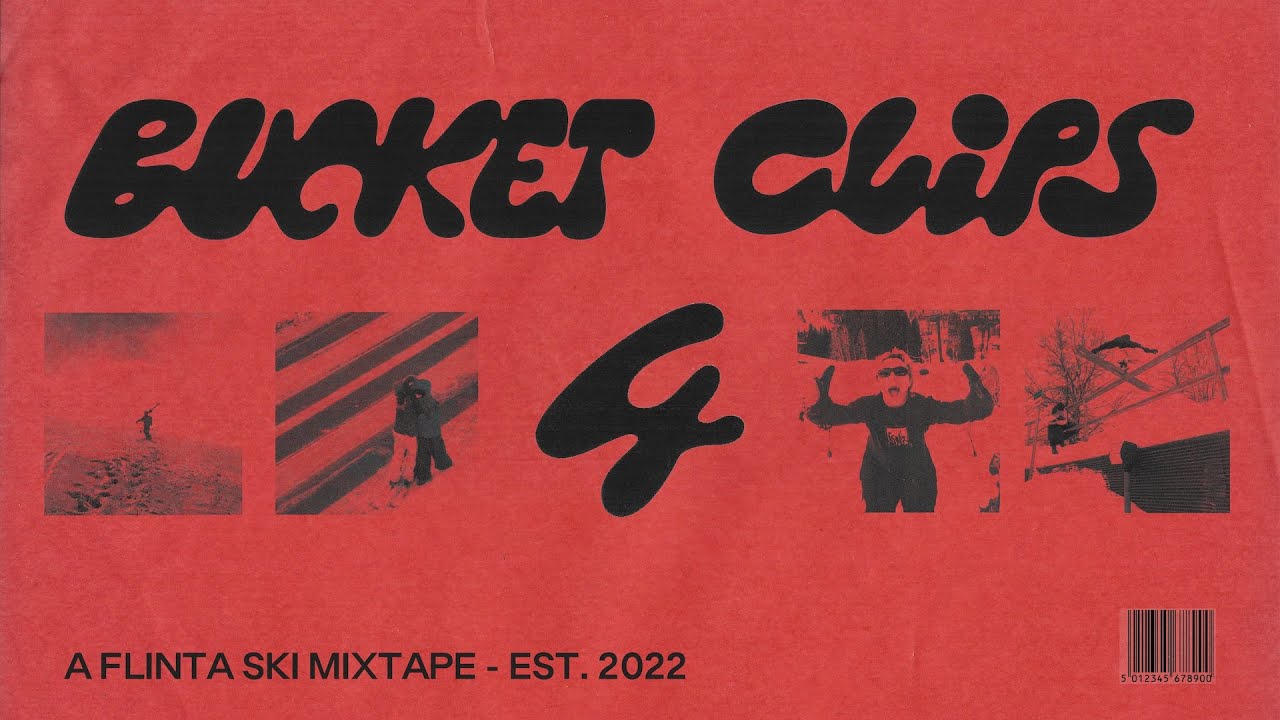
Within a few seasons of coming back to snow, Hofmann joined the high-performance programme at Agenda Freeski in Barrie, Ontario, earned a spot on the Ontario Park & Pipe pathway and began appearing in Freestyle Canada events. She placed eighth in women’s big air at the 2022 Canada Cup stop in Whitehorse and followed that with an eighth-place finish at the Stoneham Nor-Am Cup slopestyle in March 2023, earning solid FIS points for a relatively new competitor. At the same time, she caught the attention of the core scene as a SuperUnknown 22 semi-finalist on Level 1’s long-running talent search and as part of the FLINTA* mixtape wave that includes projects like Bucket Clips. Today, she balances her own skiing with work as a slope development coach for RT Freeski and as an instructor at The Spot YYC trampoline facility in Calgary, making her an important connector for the next generation of Canadian park riders.
Competitive arc and key venues
Hofmann’s competitive arc starts unusually: alpine race start lists as a kid, followed by a complete six-year break from skiing while she pursued ballet abroad, and then a rapid return straight into the freestyle world. After moving back to Canada during the pandemic, she gravitated toward park riding and was quickly pulled into the Agenda Freeski structure in southern Ontario. Agenda’s role as a feeder for the provincial team meant she was training and competing with serious park-focused athletes almost from day one, accelerating her progression through Timber Tour, Canada Cup and finally Nor-Am-level contests.
Her first notable results came in Freestyle Canada’s Canada Cup series, where she placed inside the top ten in big air at the 2022 Whitehorse stop in Yukon. Shortly afterward she stepped onto the North American Cup circuit: at Stoneham Mountain Resort, just outside Québec City, she finished eighth in women’s slopestyle at a Nor-Am event on a course built into the park network of Stoneham. Those results may not yet be podiums, but they show a consistent ability to put down runs on recognised FIS courses. As her competitive experience grew, she began to push beyond pure park events, explaining in her coaching bio that she is now steering her own career back toward big mountain terrain—the kind of all-mountain skiing she first fell in love with in B.C.—while still drawing on the structure and discipline of the park-and-pipe circuit.
How they ski: what to watch for
Hofmann’s skiing is shaped by three overlapping influences: early alpine fundamentals, years of ballet and an accelerated education in modern slopestyle. On snow, that shows up as a composed, centred stance and a focus on clean execution rather than frantic, last-second adjustments. In slopestyle runs she tends to favour lines that make full use of the course—hitting multiple rail options and jumps in sequence—rather than relying on a single “hero” feature. That approach suits events like Canada Cup and Nor-Am, where judges reward flow and balance across an entire run.
On rails, her ballet background is visible in how she manages body position and timing. She gets onto features early and stays stacked over her feet, with minimal upper-body noise, which keeps slides looking controlled even when landings are rutted or in-runs are short. On jump lines, she prioritises stable takeoffs and clearly held grabs over pushing for maximum rotation on every hit, building a foundation that translates well from medium-sized provincial park jumps to the bigger features used on the Nor-Am circuit. As she transitions more of her energy toward big mountain skiing, those same habits—quiet upper body, strong edges, and rhythm through variable terrain—become just as useful in chopped-up landings and natural takeoffs as they are in a slopestyle course.
Resilience, filming, and influence
Resilience is woven through Hofmann’s story long before her name appeared on FIS result sheets. Stepping away from skiing for six years to pursue ballet, then returning and effectively starting a new athletic career in a different discipline, demands a kind of patience and self-belief that most riders never have to test. The technical discipline of ballet—hours of repetition, attention to posture and precise timing—gave her a toolkit that translates surprisingly well to park and big mountain skiing, where small changes in body position can make the difference between riding away and tomahawking.
Her influence extends beyond what she does in contests. As a SuperUnknown 22 semi-finalist, she submitted an edit that resonated with the most core audience in freeskiing: people who watch Level 1’s talent search not just for big tricks, but for style and creativity. Being shortlisted there put her alongside a global group of FLINTA* riders shaping the future of park and street skiing. She also appears among the rider lists for FLINTA-focused projects such as Bucket Clips, which gather clips from women and gender-diverse skiers worldwide into a shared annual film. Combined with her coaching and trampoline-instructor work, that visibility turns her into a reference point for younger Canadian skiers—especially girls—who want to see someone bridge serious competitive skiing, film culture and everyday coaching life.
Geography that built the toolkit
Geography plays a big role in how Hofmann skis. Growing up in a small ski town in British Columbia gave her early exposure to real winter, mountain weather and the kind of lift-accessed terrain that encourages all-mountain exploration. Those formative years racing gates and free-skiing on a local hill gave her edge control and confidence on firm snow, which later became invaluable in park in-runs and big-mountain conditions alike.
Her move to Ontario for university and for Agenda Freeski shifted the backdrop from steep B.C. terrain to the tighter, more compact parks of southern Ontario. There, she learned to treat every metre of vertical as an opportunity: dense rail lines, closely spaced jumps and long park laps under floodlights. Canada Cup events took her farther afield to places like Whitehorse in the Yukon, with its cold, dry snow and big-sky feel, and to the Eastern parks of Stoneham, where night skiing and well-developed snowparks define much of the resort’s culture. Today, based in Calgary, she splits her time between local mountains and indoor training at The Spot YYC, a trampoline facility designed for Freestyle Canada athletes. That combination—small-town B.C. roots, Ontario park mileage, northern contest venues and Alberta training infrastructure—has produced a skier comfortable in almost any environment, from icy contest slopestyle lines to wind-buffed alpine bowls.
Equipment and partners: practical takeaways
Public information about Hofmann’s specific ski and outerwear sponsors is limited, but the demands of her disciplines make her equipment priorities clear. As a slopestyle and big air competitor who is now pivoting toward more big-mountain skiing, she needs a setup that can handle both precise park tricks and variable natural terrain. In practice, that means a twin-tip park or all-mountain freestyle ski with a balanced flex, robust edges and enough width to stay composed in chopped snow without feeling sluggish on rails. Well-fitted boots are crucial, especially given her ballet background and focus on body alignment: any slop or discomfort in the boot would undermine the sensitivity she brings from dance.
Her partnerships with programmes and facilities say as much about her toolkit as any logo. Working as a slope development coach with RT Freeski keeps her around athletes pushing modern slopestyle every day, while instructing at The Spot YYC gives her regular time on trampolines, refining air awareness and body control off-snow. For progressing skiers, the practical takeaway is straightforward: choose gear that matches your terrain and goals, and look for environments—local clubs, indoor facilities, parks—where you can stack repetitions safely. A durable twin-tip, boots that genuinely fit and access to consistent training spaces will do more for your progression than chasing every new product release.
Why fans and progressing skiers care
Fans and younger riders care about Emilia Hofmann because she represents a quietly powerful version of modern freeskiing. She is not yet a World Cup regular, but she has Nor-Am and Canada Cup experience, a SuperUnknown semi-finalist edit, and an active role in coaching and trampoline instruction in one of Canada’s most active freestyle hubs. Her story—small B.C. resort kid, six-year ballet detour, late return to skiing, rapid climb through Agenda Freeski and Team Ontario, then a move into coaching and big-mountain goals—offers a narrative that feels both unusual and relatable.
For progressing skiers, especially those who start late, switch disciplines or juggle school and sport, her path is a useful blueprint. She proves that you can step away from skiing, come back through a club programme, earn FIS points, get recognised by projects like SuperUnknown, and then use your experience to help others progress through coaching and off-snow training. Watching how she moves on rails and jumps, how she talks about shifting toward big mountain while still valuing park, and how she embeds herself in communities like Agenda Freeski, RT Freeski and The Spot YYC can help riders think about their own long-term relationship with the sport. In that sense, Hofmann is not just an emerging Canadian slopestyle skier; she is part of a broader, sustainable model of what a modern freeski life can look like.