Ellen Damsgaard
Profile and significance
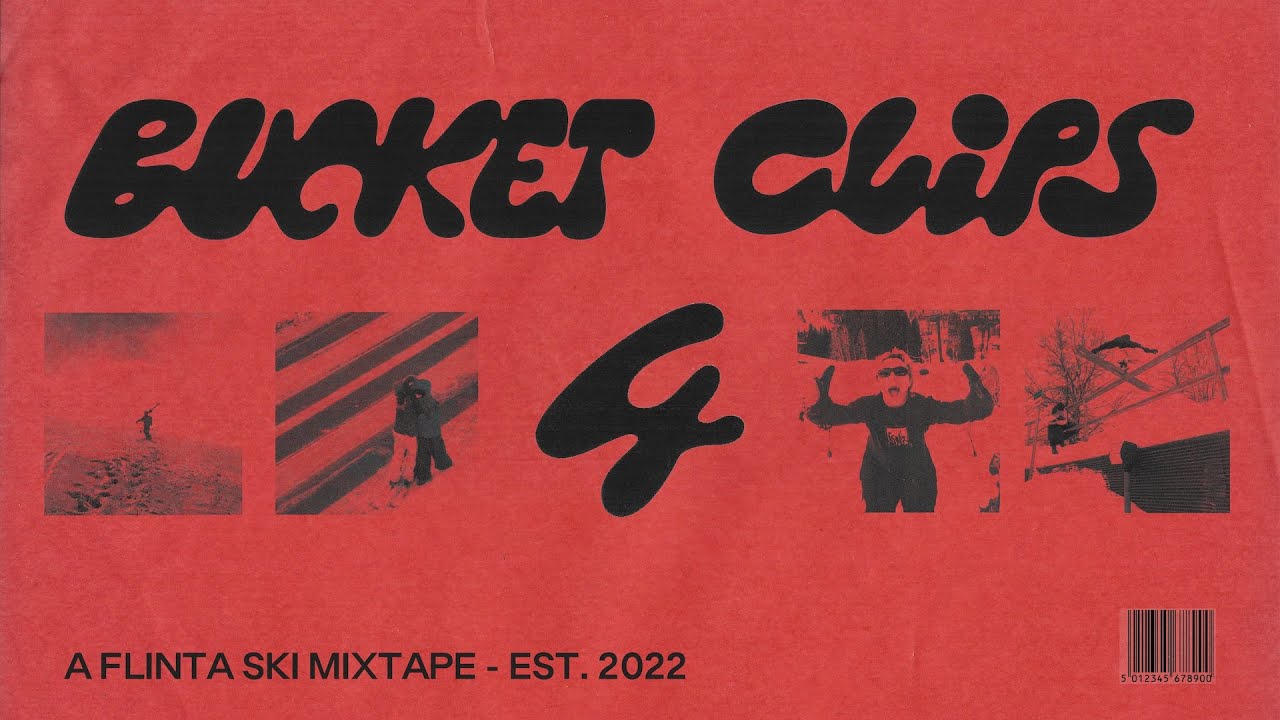
Ellen Damsgaard is a Danish freeski street and park skier who has become one of the most important new voices in women’s urban skiing. Born in 2000 and competing internationally for Denmark, she sits at the intersection of films, rail contests and community projects, moving fluidly between festival screens and night-time city rail jams. While her FIS licence places her on the official freestyle map, her real impact comes from the projects she creates and leads: she is one third of the Danish trio behind the acclaimed all-female street films “Sushi Buffet” and “Frozen Babiez,” a recurring contributor to the FLINTA* Bucket Clips series, and a newly crowned Rock A Rail winner on the European in-city rail circuit.
Alongside crew-mates Isabella Tvede-Jensen and Maya Casier, Damsgaard has helped drag women’s street skiing from the margins to the middle of the conversation. Their Helsinki-shot “Sushi Buffet” introduced a wider audience to a style of urban skiing that is fun, character-driven and technically serious at the same time. With “Frozen Babiez” the trio doubled down, co-directing and starring in a full-length, all-female street movie that quickly earned praise from core media outlets for its heavy spots and creative filming. At the same time, Damsgaard’s name has begun to appear on major rail-jam podiums—most notably her 2025 Rock A Rail victory in Thun—cementing her status not just as a filmmaker but as one of Europe’s strongest female rail skiers.
Competitive arc and key venues
Unlike many freeskiers whose résumés are dominated by World Cup start lists, Damsgaard’s “competitive arc” is rooted in events where culture and progression matter as much as trophies. On the pure film side, her public story picks up speed in 2023 with “Sushi Buffet,” a Helsinki street project following the three Danish skiers as they work their way through rails, ledges and tight city lines in early spring conditions. The film was picked up by freeski outlets and marked the moment when her name started to circulate beyond Scandinavian crews.
From there she became increasingly visible in both film and contest environments. She contributed to Bungee Breakers and Bucket Clips projects, then stepped up with her friends as co-creator of “Frozen Babiez,” an all-female street film shot largely in Finland and Scandinavia. The movie was supported by brands such as LINE Skis, 100% and Swedish base-layer specialist Eivy, and appeared in film guides for major festivals, signalling that what started as “just three Danish skiers who wished to see more femme street skiing films” had grown into something with real international reach.
On the contest side, Damsgaard has chosen events that match her urban and rail-focused strengths. She has competed in the Plastic Paradise Scandinavian Team Battle, a playful but high-level plastic-dryslope event where she even turned up “in disguise” as alternate rider for Team Innsbruck during one edition, underscoring the tongue-in-cheek creativity that runs through her career. In 2025 she appeared on the results sheet at the Absolut Park Spring Battle in Austria, finishing in the top group of the Women’s Best Rail category at Absolut Park, one of Europe’s most respected freestyle venues.
The clearest contest milestone so far came at the Freestyle Roots Festival in Thun, Switzerland, where the Rock A Rail tour staged one of its 2025 stops. Under the lights and in front of a packed urban crowd, Damsgaard put down a clean, composed performance to win the women’s freeski category, earning her first Rock A Rail victory and headlining the ski podiums for the weekend. That win places her among a small group of riders—male or female—who have proven they can translate street-film ability directly into results on one of Europe’s most prestigious in-city rail stages.
How they ski: what to watch for
Damsgaard’s skiing is built around rails, technical control and a strong sense of line. In “Sushi Buffet,” “Frozen Babiez” and her Bucket Clips segments, she repeatedly shows a preference for features that reward precision: down rails with awkward kinks, close-outs that demand commitment, and creative transfers between rails and walls. Rather than relying on wild, one-try gambles, she leans on solid basics—confident lock-ons, centred stance and clear exits—and then layers creativity on top.
Watching her street and park clips, you notice how quiet her upper body stays even when the feature is rough or the in-run is short. She tends to get onto the rail early, lock into the slide and then ride it out without frantic corrections, which is exactly what judges and filmers look for in serious urban skiing. Her trick vocabulary runs through spins on and off, surface swaps and presses, but what stands out is how rarely she looks rushed. Even on thin snow and salted stairs, she usually rides away with speed, ready for the next feature.
Line choice is another key part of her appeal. In both Helsinki street segments and contest edits from Thun and other venues, she often strings multiple elements together—a drop from a ledge into a rail, a rail hit into a wallride or a quick redirect into a second feature. That approach gives her skiing a skate-like rhythm and fits perfectly with the compact, creative setups found at events like Rock A Rail or Plastic Paradise. For fans and progressing skiers watching closely, the lesson is clear: strong fundamentals on rails open the door to fun, interesting lines, not just single “hammer” tricks.
Resilience, filming, and influence
Where Damsgaard really stands out is in the way she and her crew have reshaped the space around women’s street skiing. Together with Maya Casier and Isabella Tvede-Jensen, she is part of the small team that writes, rides and edits the films they want to see, rather than waiting for bigger production houses to hand over space. Their projects are openly framed as a response to the lack of femme-led street movies: the three describe themselves simply as “just three Danish skiers who wished to see more femme street skiing films out there, so we decided to do something about it.” That decision has already produced a full filmography—“Sushi Buffet,” “See You Soon,” multiple Bucket Clips editions and “Frozen Babiez”—that younger riders can point to when they look for representation.
The work that goes into those projects is a quiet form of resilience. Street films demand long nights shovelling in marginal weather, repeated slams on concrete and the mental grind of trying the same trick dozens of times for a few seconds of footage. Add in the travel required to chase snow in places like Helsinki or central Finland, and it is clear that the polished final edits sit on top of a huge amount of unseen effort. Damsgaard’s continued presence in Bungee Breakers and allied projects over several seasons shows that she is willing to carry that load, not just for herself but for the wider FLINTA* community that gathers around their premieres and online releases.
Her influence also extends into how events and media frame women’s skiing. When Rock A Rail recaps highlight her victory in Thun, or when festival guides list her as a director and featured rider, they implicitly recognise that she is not just “in” the scene but helping steer it. For other young riders—especially women who care more about rails and film crews than about national teams—that combination of roles offers a powerful template: you can be the person in front of the camera, behind it and on the invite list for Europe’s biggest rail events at the same time.
Geography that built the toolkit
Damsgaard’s skiing is rooted in Northern Europe but has grown across the continent. As a Danish rider, her home environment is not high alpine peaks but a network of rope-tow parks, snowdomes and quick trips to nearby mountains, so it is fitting that many of her most recognisable clips come from urban and low-elevation setups. “Sushi Buffet” and “Frozen Babiez” take place largely in Helsinki and other Finnish cities, where stair sets, retaining walls and small rails transform into serious freestyle features once the crew has moved enough snow into place.
On the park side, events and sessions at Austrian and Swiss resorts have added another layer to her toolkit. Competing in the Women’s Best Rail category at Absolut Park in Flachauwinkl means adapting to one of Europe’s most refined rail lines, with its mix of tubes, kinks and creative features. Rock A Rail’s Thun stop, part of the wider Freestyle Roots festival, puts her on a purpose-built city setup in front of a festival crowd, while the broader Rock A Rail tour connects her to in-city events across the Alps and beyond. The Plastic Paradise Scandinavian Team Battle adds yet another texture: plastic dryslopes where edge feel is different again and creativity matters as much as raw power.
Together, these places have created a skier who is comfortable turning almost any environment—city, dryslope or glacier park—into a playground. For viewers, this geography explains why her skiing looks so adaptable in contests and films alike: she has learned to read features where others might only see stairs or scaffolding, and to carry the same calm approach from one venue to the next.
Equipment and partners: practical takeaways
Damsgaard’s equipment choices reflect both her role as a street skier and her growing profile in the film world. The “Sushi Buffet” and “Frozen Babiez” projects were supported by brands such as LINE Skis, whose twin-tip park and urban models are built for heavy rail use, and eyewear and protection brand 100%, which appears alongside the crew in project credits. Swedish clothing company Eivy has profiled the trio behind “Frozen Babiez,” highlighting their partnership around warm, functional base layers that can handle long nights of shovelling and hiking in cold Scandinavian streets. Danish energy drink label Maté Maté also appears in her social media, underlining the mix of grassroots and international partners that back her projects.
For progressing skiers, the specifics of her sponsors matter less than the logic behind her setup. As a street and rail-focused rider, she needs skis with durable edges and a predictable flex pattern, boots that stay comfortable through hours of hiking and impact, and outerwear and layers that keep her warm and dry when the session lasts far longer than a typical resort lap. Her example suggests a clear priority list for anyone wanting to follow a similar path: start with a reliable pair of park skis you trust on metal, invest in boots and liners that actually fit, and choose clothing you are happy to fall and shovel in, not just to photograph.
Why fans and progressing skiers care
Fans care about Ellen Damsgaard because she represents a version of freeskiing that is both cutting-edge and grounded. She is winning modern rail events like Rock A Rail Thun, co-directing all-female street films that tour festivals, and contributing to FLINTA* projects that broaden who gets to be seen in urban skiing—all while keeping the tone playful and collaborative. Her clips arrive packed with heavy spots and clean tricks, but the surrounding storytelling emphasises friendship, humour and the simple joy of building something with a small crew.
For progressing skiers, especially women who love rails and urban environments, her career offers a concrete blueprint. You do not have to chase World Cup bibs to matter in freeskiing; you can form a trio with your friends, film in cities like Helsinki, submit to festivals, travel to events like Spring Battle and Rock A Rail, and gradually build a name that resonates with both peers and media. Watching how Damsgaard approaches features, how she strings lines together and how she uses film and events to amplify femme street skiing gives a roadmap that goes beyond trick lists. In that sense, she is not just a strong Danish rail skier; she is part of the engine driving women’s urban freeskiing into its next chapter.