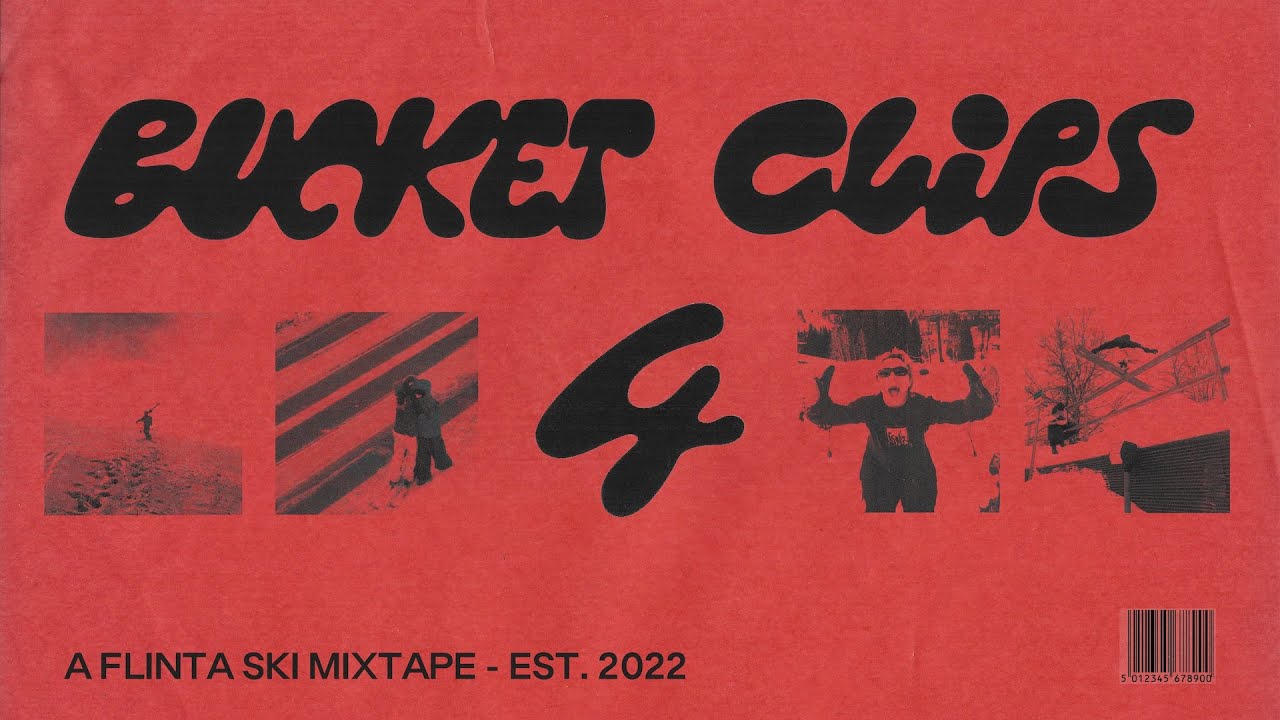
Bucket Clips 4 | An All FLINTA/Female Ski Movie
Profile and significance
Claudia Rohrer is an Austrian freeride skier and all-round mountain athlete whose life is anchored in the Alps. Raised in Vorarlberg in a family of passionate skiers, climbers and mountaineers, she learned to ski at about one and a half years old and grew up with four siblings playing outside in the mountains year-round. As a teenager she followed the classic race pathway for a while, but around 14 she turned her focus fully toward off-piste terrain, drawn more to couloirs, ridges and long days in the backcountry than to gates. Today she is based in Innsbruck, using the surrounding Tyrolean peaks as her daily playground for ski touring, freeride resort laps and high-alpine missions.
Within the freeride ecosystem, Rohrer is best known for her presence on the Freeride World Qualifier (FWQ) circuit in Europe and for her role in athlete-driven environmental work. She has won women’s FWQ events such as a 1–2-star competition in Verbier, where reports described her as the standout in the women’s field, and she has accumulated ranking points on the wider FWQ/IFSA ladder representing Austria. At the same time she is part of the Athlete Alliance of Protect Our Winters Austria, positioning her as a skier who combines competitive freeride experience with climate advocacy and a deep personal connection to the alpine environment she skis in.
Competitive arc and key venues
Rohrer’s competitive arc follows the classic European freeride pathway rather than a park or race route. After stepping away from traditional ski racing as a teenager, she began entering regional freeride events in the Alps, gradually working her way onto the FWQ calendar. Those early contests, often held on smaller faces and in variable snow, developed the fundamentals that freeride judges look for: confident line choice, speed management, and the ability to stay composed when conditions are far from perfect.
Her results began to stand out in Swiss and Austrian FWQ events. In Verbier, one of freeride’s most iconic venues, she topped the women’s field at a qualifier event early in the season, earning important points and signalling that she could handle the exposure and complexity of classic Swiss freeride terrain. Additional starts at other FWQ stops in Switzerland and France have helped her build a bank of experience on everything from rock-lined couloirs to open powder faces, and ranking lists from the International Freeskiers & Snowboarders Association show her accumulating adult women’s points under the Austrian flag. Though she is not yet a Freeride World Tour regular, that steady presence in the Qualifier circuit marks her as an established competitor in Europe’s freeride middle tier.
How they ski: what to watch for
Because freeride is judged on line choice, control, fluidity and air rather than a fixed trick list, the best way to understand Rohrer’s skiing is to look at how she moves through a face from start gate to finish gate. Her runs tend to prioritise a strong fall-line with a sequence of medium-sized features rather than a single massive cliff. That means she often links several smaller airs, rollers and terrain breaks into one coherent line, keeping speed and rhythm while managing risk. It is a style that reads as confident and sustainable rather than reckless, and it fits the way judges in Qualifier events reward continuous skiing.
Technically she skis with a compact, athletic stance and a quiet upper body, which helps when snow conditions move quickly from chalk to wind crust or from powder into tracked-out sections. Landings are usually set up with enough speed to keep the line flowing, but she rarely looks out of control; you see strong absorption through the legs, a quick re-centring over the feet and a smooth transition into the next section of the run. For viewers, key details to watch are how early she commits to a chosen line from the top, how she handles sluff on steeper pitches, and how she uses small terrain features to keep runs dynamic even when visibility or snow is not perfect.
Resilience, filming, and influence
Rohrer’s public profile is shaped by more than just result sheets. As a member of the Athlete Alliance of Protect Our Winters Austria, she lends her voice and presence to campaigns that link everyday alpine life with climate action, highlighting how ski touring, freeride days and high-alpine adventures all depend on stable winters and healthy mountain ecosystems. That role has introduced her to a wider outdoor audience in Austria, where she appears alongside climbers, bikers and other mountain athletes in campaigns and impact reports about sustainable tourism and environmental advocacy.
On the film and culture side, Rohrer is part of the FLINTA* all-mountain community showcased in the “Bucket Clips” series by El.Makrell Productions, appearing among a global roster of women and gender-diverse skiers who contribute freeride, backcountry and street clips to a shared short film. Her presence in those projects situates her alongside park and backcountry specialists from Europe and North America, reinforcing the idea that modern freeski culture is as much about community-driven edits as it is about major tours. Combined with her freeride starts and environmental work, this makes her a quiet but visible influence for skiers who follow the sport beyond headline contests.
Geography that built the toolkit
Rohrer’s skiing is inseparable from the landscapes that raised her. Growing up in Vorarlberg meant living in the middle of the Austrian Alps, where winter sports are woven into everyday life and where ski touring, climbing and mountaineering often share the same valleys and ridges. Early years of family skiing, racing and playing on local mountains built the basic edge control and comfort in variable snow that freeride demands later on.
Today her base in Innsbruck puts her within easy reach of a dense cluster of Tyrolean peaks and ski areas. Classic freeride destinations around the city offer everything from lift-served freeride days to long tour approaches and technical couloirs, letting her train and explore almost daily when conditions allow. Trips to Switzerland for events in Verbier and other FWQ stops add another layer of geography: wide, complex faces, long traverses and exposure above alpine villages. Across these regions, she moves between ski resorts, high-alpine tours and narrow gullies, building a versatile toolkit that works in both competition venues and personal missions.
Equipment and partners: practical takeaways
Public information about Rohrer’s specific skis and outerwear sponsors is limited, but her roles as a freeride competitor and all-round alpinist make it clear what her equipment needs to do. On snow she relies on stable freeride skis with enough length and stiffness to stay composed at speed, yet agile enough to handle tight entries and quick direction changes in couloirs. Well-fitted boots and reliable bindings are non-negotiable, allowing her to absorb hard landings, ski variable snow and hike or skin without worrying about pre-release or hotspots.
As a ski tourer, climber and mountaineer, she also moves through the mountains beyond resort boundaries, which means travelling with a full avalanche-safety kit—transceiver, shovel, probe and often an airbag pack—plus helmet and back protection for consequential terrain. For progressing freeriders looking at her path, the key takeaway is that equipment should be chosen for reliability, versatility and safety rather than just for image. A trustworthy freeride ski, boots you can wear all day, and protective gear you actually keep on because it fits well will do more for your progression than chasing the lightest or most aggressive setup on paper.
Why fans and progressing skiers care
Fans and fellow riders care about Claudia Rohrer because she embodies a grounded, real-life version of modern freeride. She is not only dropping into FWQ faces and collecting points; she is also ski touring, climbing, bikepacking and advocating for the mountain environment through her work with organisations like Protect Our Winters Austria. Her story shows how a childhood in the Alps, a switch from racing to off-piste and years of everyday mountain life can grow into a sustainable freeride career that stays closely tied to place and community.
For progressing skiers, especially those interested in freeride rather than park or race, her trajectory offers a relatable blueprint. Start with strong technical basics, explore beyond the piste, learn to read terrain and snow, and build experience through regional qualifiers and personal projects instead of focusing only on the biggest tour. Watching how she chooses lines, balances risk and reward, and integrates environmental awareness into her public role can help riders think about the kind of freeride life they want—not just in terms of results, but in terms of how they relate to the mountains themselves.