Christina Anderson
Profile and significance
Christina Anderson is a freestyle skier, coach, and community builder based in Bend, Oregon, where she has quietly become one of the key connectors in the Pacific Northwest park scene. Splitting her time between winter in the Cascades and southern-hemisphere seasons, she rides and coaches year-round, with a focus on terrain parks, rails, and all-mountain creativity. Known online as @chrisskina_, she brings a mix of rail jam experience, film projects, and coaching chops that makes her a reference point for skiers who care as much about community and good vibes as they do about learning new tricks.
Off the hill, Anderson leans hard into the DIY side of freeski culture. She founded Steezewear, a small brand making handmade fleece beanies, and channels that same energy into writing and storytelling about life in the mountains. As the founder of Bachy Baddies, a women’s and FLINTA-focused ski and ride community centered around Mount Bachelor, she has helped hundreds of riders find their first crew, their first park laps, or their first powder days with people who have their back. Between her work as a Therm-ic and Pret Helmets ambassador and her features in projects like Bucket Clips, she has become an important figure in the growing push to make freestyle skiing more welcoming and inclusive.
Competitive arc and key venues
Anderson’s “competitive arc” looks different from a traditional FIS résumé. She has spent far more time at rail jams, local throwdowns, and progression sessions than at bibbed World Cups, but those smaller stages have shaped her skiing just as much. In Bend and around Mount Bachelor, she built her name in night sessions and low-pressure park events, where riders trade tricks on rails and side hits instead of chasing ranking points. Those events reward creativity, line choice, and consistency rather than a single massive spin—and that balance suits her riding perfectly.
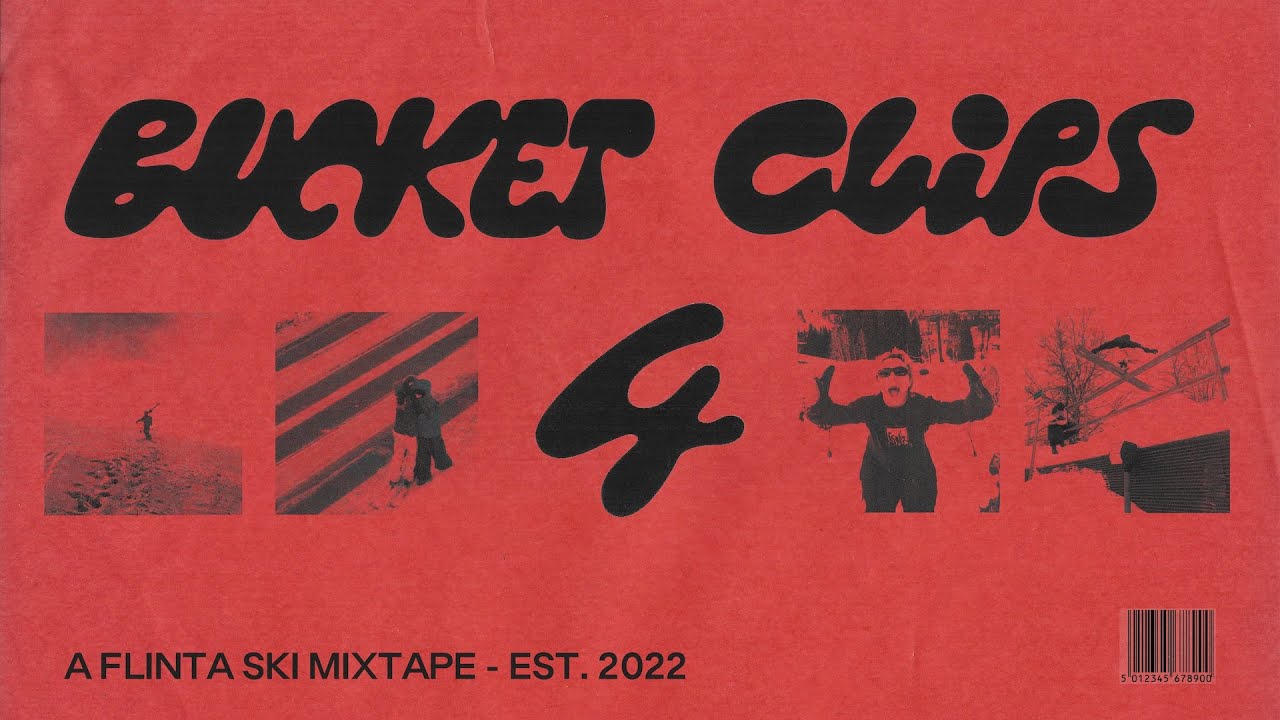
Her coaching and seasonal migration have broadened the map. Winters in Oregon revolve around the parks and sidecountry of Mt. Bachelor, where Bachy Baddies meetups turn ordinary park days into community events. Summer and late spring have taken her to Mt. Hood, where she has coached at camps like Windells and spent long days on glacier jump lines and rail setups. Southern-hemisphere seasons in Australia, including instructing at Perisher, have added yet another layer of terrain and weather to her experience. When you add in filming for the all-FLINTA* project Bucket Clips, her “venues” become as much about who she skis with as where she stands on any podium.
How they ski: what to watch for
Christina Anderson’s skiing is built around rails, side hits, and a smooth, centered stance that lets her adapt quickly to whatever the park or natural terrain throws at her. In park clips and rail jam footage, she tends to prioritize clean lock-ons and confident exits over frantic spins: getting solidly onto the feature, staying stacked over her feet, and riding out with speed. That emphasis on strong basics creates room for creativity—surface swaps, switch entries, and quick changes of direction—without sacrificing control.
On jumps and natural features, the same approach carries through. She favors tricks that match the size and shape of the feature, using grabs and body position to add style instead of simply chasing the highest possible rotation. You can see this in the way she treats rollers, knuckles, and small hits at Bachelor or Hood as opportunities to play with shiftys, tweaks, or butters, keeping runs visually interesting from top to bottom. For progressing skiers watching her, the key details are how early she commits to a line, how calm her upper body stays over rails and transitions, and how she maintains flow between features instead of treating each trick as a separate, stop-start moment.
Resilience, filming, and influence
Anderson’s influence is rooted as much in what she builds for others as in what she skis herself. Through Bachy Baddies, she has created a structured yet welcoming pathway for women and gender-diverse riders to enter snow sports: low-pressure meetups, park progression days, and all-mountain missions where the focus is on encouragement and clear communication rather than performance. That work extends into her writing, where she talks about learning curves, confidence, and the emotional side of spending winters in the mountains, making the lifestyle feel more honest and relatable than a highlight reel ever could.
On the filming side, her segments and cameos tend to appear in community-driven projects rather than high-budget studio releases. Bucket Clips, which gathers FLINTA* skiers and riders from across the world into a shared annual film, is a prime example: her presence there, alongside other names in the women’s street and freeride movement, signals both her level and her priorities. She is less concerned with chasing the biggest spotlight and more focused on putting down clips that feel true to her skiing and her crew—rails, side hits, pow stashes, and the kind of in-bounds lines that everyday riders can imagine themselves on.
Geography that built the toolkit
Geographically, Anderson’s skiing has been sculpted by three main environments: the forests and volcano of Oregon, the winter parks of Australia, and the snowparks of the Pacific Northwest’s summer glaciers. Her home base in Bend places her a short drive from Mt. Bachelor’s varied terrain: long groomers that feed into natural side hits, dedicated terrain parks, and off-piste zones that fill in deep when storms hit from the Pacific. That mix encourages skiers to treat the whole mountain as a playground, and it shows in the way she hunts for creative lines even on ordinary resort days.
Seasonal migrations to Australia, including time teaching at Perisher, add another dimension: harder snow, different park design, and the experience of translating a North American coaching style into a new resort culture. Back in Oregon, the summer snowfields of Mt. Hood give her and her athletes a controlled environment for focused progression—lap after lap on the same jump or rail line, with good visibility and consistent takeoffs. Together, those places have produced a skier who is comfortable in almost any park in the world and who understands how to help others adapt when conditions, terrain, or weather change.
Equipment and partners: practical takeaways
Anderson’s equipment choices reflect long days on snow and a lot of time standing still, shovelling, and coaching as well as skiing. As an ambassador for Therm-ic, she leans on heated socks and boot-warming systems that keep circulation going during cold Central Oregon mornings and frozen park sessions. Partnering with Pret Helmets and Dissent Labs adds another layer of practicality: low-profile, comfortable head protection designed for park and all-mountain use, and high-performance socks that stay supportive during long hikes and back-to-back laps.
Her own brand, Steezewear, fills in the softer side of the kit: handmade fleece beanies that are warm, comfortable under a helmet, and built with the same DIY care that goes into home-grown ski projects everywhere. For progressing skiers, the lesson from her setup is straightforward. You do not need the stiffest race boot or the flashiest outerwear; you need gear that keeps you warm, safe, and happy to stay outside. Warm feet, a helmet you forget you are wearing, and clothing you are willing to fall in will do more for your progression than shaving grams or copying a World Cup athlete’s setup.
Why fans and progressing skiers care
Fans and up-and-coming riders are drawn to Christina Anderson because she embodies a version of freeskiing that is both aspirational and accessible. She is good enough to film in respected community projects, coach at well-known camps, and represent technical brands—but her day-to-day reality still looks like that of many passionate skiers: early alarms, long drives, night sessions, and a side hustle built around the sport she loves. Instead of disappearing into an elite bubble, she uses her platform to invite more people in, especially women and riders who might not see themselves reflected in traditional ski media.
For skiers trying to progress in the park or simply feel more at home on the mountain, her story offers a clear takeaway. You can start with local rail jams, small crews, and home-sewn gear; build a community like Bachy Baddies around the terrain you have; and use coaching, writing, and film to lift others up as you improve. Watching how she rides, how she talks about fear and confidence, and how she structures inclusive meetups gives a blueprint that goes beyond trick lists. It is a reminder that the most impactful skiers are often the ones who make everyone around them ski better and feel welcome, not just the ones with the biggest tricks.