Bobby Brown
Profile and significance
Bobby Brown is one of the most influential freeskiers of the modern era, a Colorado-born slopestyle and big air specialist who helped drag the sport from early double flips into the age of stylish, competition-ready triple corks. Born in 1991 and raised around Denver and the I-70 corridor, he grew up lapping Colorado parks before exploding onto the global stage in 2010. That year he became the first skier ever to win two gold medals at a single Winter X Games, taking both slopestyle and big air in Aspen and earning big air’s first perfect 100-point score. At the same time he was pioneering tricks that would define a decade of progression, including the first switch double misty 1440 and one of the first triple cork 1440s landed on skis.
Over the next several seasons Brown stacked a heavy competitive résumé: multiple X Games medals, overall slopestyle titles on the Dew Tour and AFP World Tour, a Junior World Championship in slopestyle and a place on the inaugural U.S. Olympic slopestyle team at Sochi 2014. Yet his significance goes beyond podiums. Through his long partnership with Red Bull, web series like “Bobby’s Life,” major film projects such as “Dynamic Medium” and now his own event concept Red Bull Cascade, he has become a reference point for what a complete freeski career can look like—balancing contest success, media presence and long-term creativity in the mountains.
Competitive arc and key venues
Brown’s competitive arc starts in the late 2000s on the fledgling slopestyle circuit. Still a teenager, he began winning Dew Tour stops in places like Breckenridge, establishing himself as one of the most promising riders in North America. The 2009–2011 stretch was his breakout period: victories at New Zealand events, a Junior World slopestyle title and back-to-back strong AFP overall rankings built momentum, while consistent Dew Tour podiums earned him the overall slopestyle Dew Cup. By 2010 he was not just “up-and-coming” but one of the main architects of what high-end park skiing looked like.
The pivotal moment came at Winter X Games XIV in Aspen, when Brown won both ski slopestyle and big air in a single weekend, stamping his authority on the sport and instantly becoming one of freeskiing’s most talked-about names. He would go on to add more big air golds and silvers in Aspen and at X Games events in Europe, plus podiums at major invitationals and a World Cup victory that underlined his versatility. In 2014 he qualified for the first Olympic men’s slopestyle event at the Olympic Winter Games in Sochi and finished in the top ten of the final, representing the United States in the discipline’s debut. Key venues along the way—Aspen for X Games, Breckenridge and other Colorado resorts for Dew Tour, European glacier parks for pre-season training and World Cups—became the landscapes where fans learned to associate the name “Bobby Brown” with big tricks landed under pressure.
How they ski: what to watch for
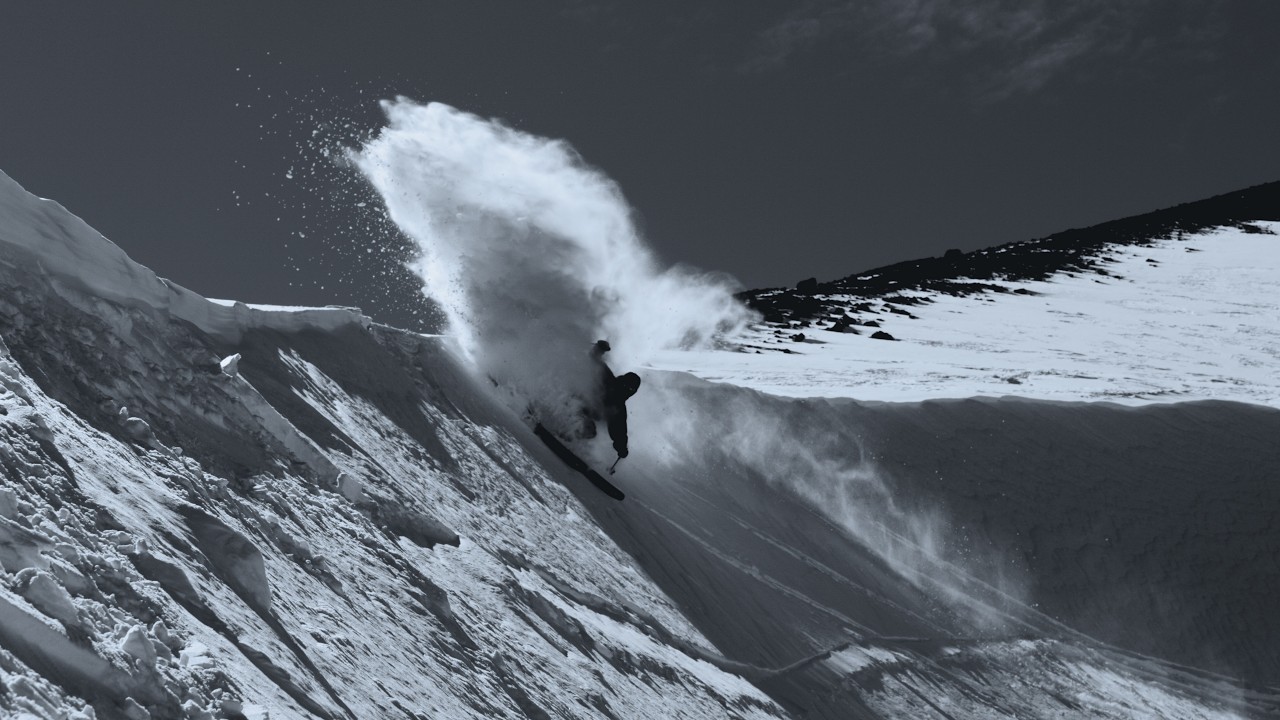
Bobby Brown’s skiing is defined by calm, carving power into the jump and clean, readable tricks in the air. On big air takeoffs he rarely comes straight down the fall line; instead, he uses a long, progressive carve to build pressure through the skis, letting the jump face and his edge angle do much of the work. The result is a takeoff that looks smooth rather than snappy, with rotation and flip initiated gradually instead of being muscled off the lip. This approach allowed him to bring extremely technical tricks—switch double misty 1440s, triple cork 1440s and off-axis spins with difficult grabs—to competition jumps without sacrificing control.
In the air, the details are what set him apart. Grabs are held early and often all the way through the spin, whether he is reaching for mute, safety or a tweaked variation that adds flavor without making the trick look busy. His head stays stable and his shoulders remain quiet, making his rotations easy to follow for judges and viewers. In slopestyle runs he applies the same philosophy to rails: measured speed, clean kinks and switches, and technical variations that still look smooth—trick choices that complement his jump package instead of feeling like a separate discipline. If you want to learn from his skiing, watch the full sequence: the carve into the jump, the moment he locks onto the grab and the way he absorbs the landing so that even enormous impacts look almost soft.
Resilience, filming, and influence
Any big air career that spans more than a decade is, by definition, a story of resilience. Brown spent his prime years in one of the most high-risk corners of skiing, repeatedly stepping to tricks and jump sizes that left little room for error. Beyond the highlight-reel wins were the realities of the job: heavy crashes, weather delays, sessions where new tricks took dozens of attempts before they even felt possible. Yet he kept returning to the top of the in-run, season after season, not only thriving in X Games and Dew Tour but also staying near the top of the AFP rankings and pushing progression even when he was already considered an established star.
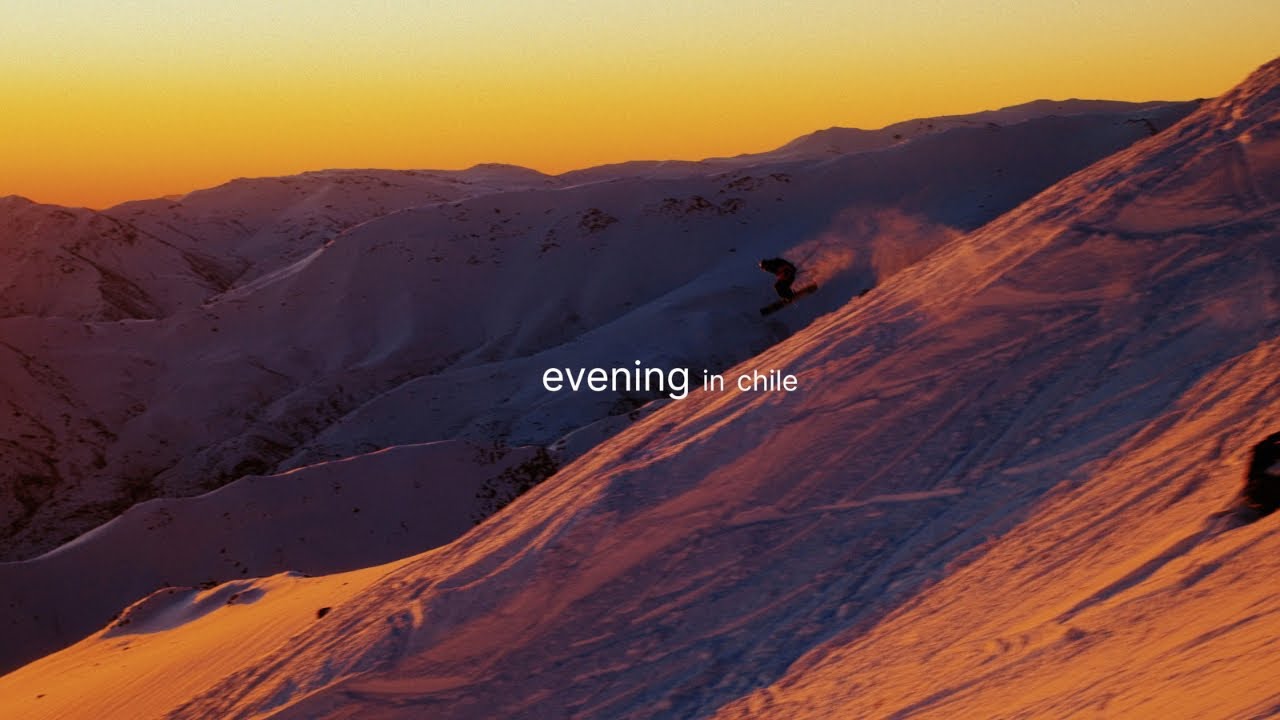
Over time his focus broadened from pure competition to projects that would outlast any single result. The “Bobby’s Life” web series gave fans a behind-the-scenes look at travel, training and everyday life in Colorado. Full-length features and shorts like “Be Water” and “Dynamic Medium” followed, using big-mountain lines, backcountry booters and resort hits to show a more rounded version of his skiing. Most recently, he channeled his experience into event design with Red Bull Cascade, a team-based contest concept that strings an entire venue into one flowing top-to-bottom run. By building a course that mixes natural terrain, freeride features and park-style options, he has created a platform where the next generation can showcase the kind of all-mountain creativity he has been chasing for years. Taken together, these efforts have cemented his influence not just as an athlete, but as a shaper of what modern freeski culture looks like.
Geography that built the toolkit
Brown’s toolkit is rooted firmly in Colorado. Growing up within striking distance of the Front Range resorts, he logged countless days lapping terrain parks at places like Breckenridge Ski Resort, Keystone and other mountains along the I-70 corridor. Pre-season park shoots on groomed jumps, mid-winter storm days spent finding side hits and late-season slush laps all fed into the balanced style he became known for. Those same mountains also hosted major events—Dew Tour stops, Grand Prix contests, independent big airs—allowing him to test new tricks at home before taking them to X Games or overseas competitions.
As his career evolved, his geography expanded dramatically. European glacier parks became autumn testing grounds, while trips to New Zealand exposed him to Southern Hemisphere winter and the early days of international slopestyle tours. In films like “Dynamic Medium” he followed storms across North America and beyond, searching for lines that combined freeride flow with freestyle takeoffs. Red Bull Cascade, first launched at Colorado’s Winter Park Resort and later at Solitude Mountain Resort in Utah, ties those experiences together: the course design borrows from big-mountain terrain, classic park jumps and natural side hits to create something that mirrors the way he has always liked to ski outside a contest bib.
Equipment and partners: practical takeaways
Throughout his prime competitive years, Brown worked with a roster of top-tier partners that reflected his role at the front of the sport. Longtime energy-drink backing from Red Bull supported both contest seasons and film projects, while collaborations with leading ski manufacturers helped shape the kind of tools he needed for huge jumps and varied terrain. Big air demanded skis that could be carved hard into the lip, stay stable at high speed and still feel predictable on switch landings; bindings had to hold up to repeated heavy impacts without releasing unexpectedly; boots needed enough support to handle triple cork landings without feeling like rigid race equipment. As his focus shifted toward all-mountain and backcountry lines, his input was also sought on versatile freeride shapes that could charge on the frontside but still feel playful when the camera was rolling.
For progressing skiers, the takeaway is not that you need exactly the same gear, but that you should think about your setup as a system. If your goal is to emulate Brown’s style—cleanly carved takeoffs, fully grabbed spins, controlled landings—then look for skis with a balanced flex and reliable edge grip, bindings that you trust at contest speeds and boots that let you flex smoothly without collapsing. Protective gear and outerwear that can handle long days, a wide range of temperatures and the occasional slam are essential if you want to keep skiing at your best. Brown’s career is a reminder that progression happens faster when your equipment feels like an extension of your intentions on snow rather than a limitation you have to fight.
Why fans and progressing skiers care
Fans care about Bobby Brown because his career touches nearly every chapter of modern freeski history: the rise of slopestyle and big air, the early Olympic era, the push into triple corks and the current wave of athlete-driven events and films. His double-gold weekend at X Games, pioneering tricks and long list of podiums make him a clear benchmark when people talk about the sport’s progression. At the same time, edits from Breckenridge laps, powder days in Colorado and global projects like “Dynamic Medium” show an athlete who never lost the simple joy of skiing for its own sake.
For skiers who want to progress—whether that means learning a first 360 or dialing in doubles and beyond—Brown offers both a technical and a personal blueprint. Technically, his movements into and out of tricks are a masterclass in how to use edges, timing and body position to stay in control at high consequence. Personally, his shift from full-time competition toward filming, course design and community-oriented events like Red Bull Cascade illustrates how a career can evolve without losing connection to the mountains. Following Bobby Brown’s skiing, films and projects gives viewers more than highlight clips; it provides a long-view example of how to build a life around freeskiing that balances risk, creativity and longevity.