Audrey Friess
Profile and significance
Audrey Friess is an American park and urban skier whose story runs from tiny Midwestern hills to heavy street segments and women’s progression events in the Rockies. Originally from the Akron, Ohio area and raised lapping the rope tows and small jumps at Boston Mills/Brandywine, she grew up as one of the only girls in the local park. That experience—learning rails with friends, filming on whatever features her home hill could offer, and figuring it out without a formal team—set the tone for a career rooted in community and do-it-yourself motivation rather than federation structures.
Today, Friess is based in Bozeman, Montana, where she splits her time between studying civil engineering at Montana State University, running a small business in the off-season and chasing snow for street and park projects. She has appeared in OS Crew’s “Electric,” contributed to the all-FLINTA* Bucket Clips films and filmed a standout urban section for the mental-health and trauma project “Turning Tragedy Into Triumph.” As a rider for brands like ZipFit and Surface Skis, she represents a new generation of women who see the city as their terrain park, using urban architecture and small-resort features as the canvas for serious skiing.
Competitive arc and key venues
Unlike many athletes whose résumés are built on FIS points, Friess came up through grassroots contests and independent crews. In high school she started entering regional rail jams and USASA events, turning family ski trips into road missions to New York, Pennsylvania and Colorado. At her first United States of America Snowboard and Freeski Association national championships in Colorado, she brought home silver and bronze medals in slopestyle and rail jam, proof that the hours spent lapping a small Ohio park translated when the features got bigger.
Those early medals, however, were just a stepping stone. As she moved west and her skiing matured, her “competitive arc” shifted away from bib numbers and toward films, sessions and culture-shaping events. She joined OS Crew on their seventh project “Electric,” stacking street clips in places like Minnesota, Colorado, Utah and Montana. Later she appeared as an invited rider at TBL Sessions, Taylor Lundquist’s women’s streetstyle gathering at Brighton Resort in Utah, where she rode the rail line, contributed perspective for Freeskier’s event recap and highlighted how rare it still is to have a full week built around women’s freeskiing.
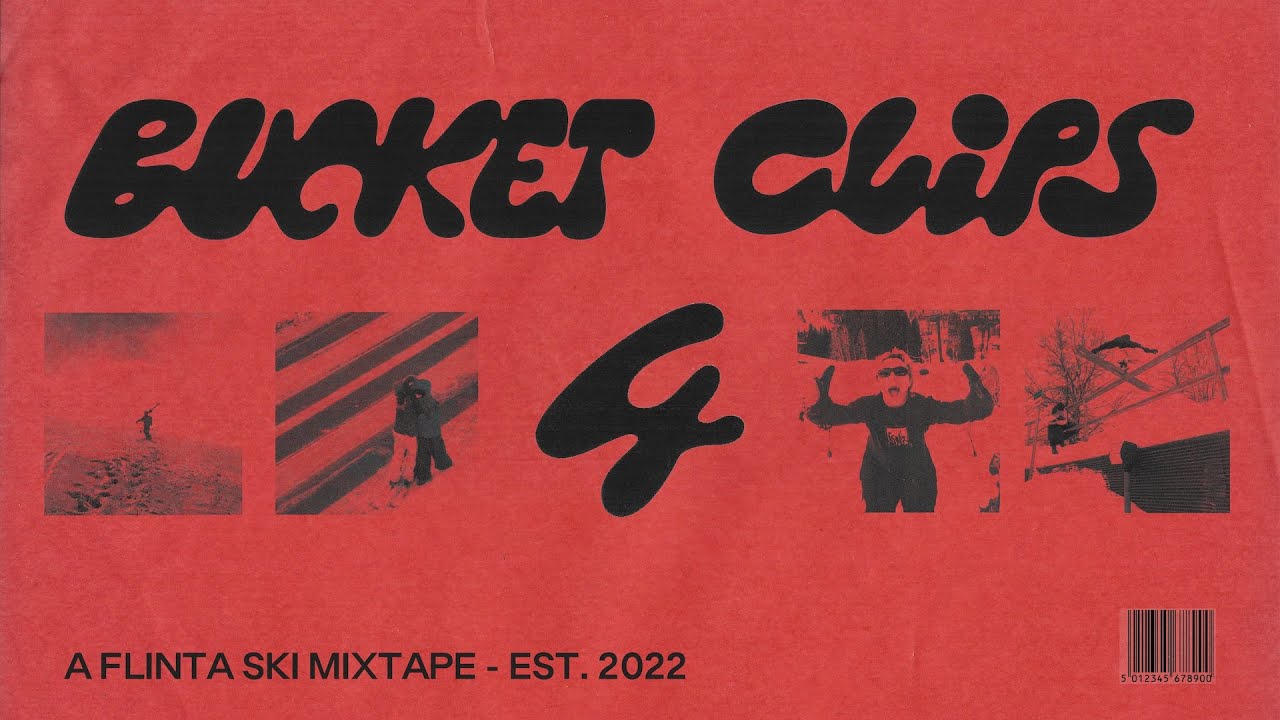
In parallel, her name began to pop up in film credits and festival program guides. She contributed footage to the Bucket Clips 3 FLINTA* project, sharing space with riders from across Europe and North America, and her urban segment in “Turning Tragedy Into Triumph” was filmed on British Columbia handrails and ledges as part of a broader conversation about trauma, recovery and mental health. Rather than chasing a World Cup ranking, she built a different kind of track record: repeated appearances in respected urban projects and women’s events that collectively pushed the street scene forward.
How they ski: what to watch for
On snow, Friess is first and foremost a rail technician. In park edits from Ohio, Colorado and Montana, her trademark is a centred stance and a deliberate, almost quiet upper body, even on complicated features. She favours solid fundamentals taken to a high level: clean 270s on and off, blind surface swaps that stay locked on the rail, and switch entries where her weight remains planted squarely over her feet instead of drifting to the tails. On urban spots, the same habits show up with higher consequences—down rails over concrete, close-outs that demand precision, and kinked handrails where a small balance mistake can end the session.
What makes her segments stand out is the way she chooses lines. Rather than hunting only for the biggest handrail in town, she often links two or three moderate features into a single line: an awkward down-flat rail into a wallride, or a ledge hit into a small drop and then a second rail. That “connective tissue” makes her skiing feel more like a skate line than a series of isolated tricks. For viewers trying to learn from her, it is worth watching how early she commits to the rail, how smoothly she absorbs rough landings on thin urban snow, and how consistently she rides away with speed. Even on heavier features, her approach is rarely frantic; the tricks are difficult, but the body language stays composed.
Resilience, filming, and influence
Resilience is woven through Friess’s story. In interviews about her recovery from a torn ACL and meniscus, she has described the physical grind of rehab and the mental uncertainty of trusting her knee again on rails. Add in a couple of concussions and bruised ribs and you get a picture of someone who has experienced the impact side of freestyle skiing up close. Instead of stepping back, she used that time to think hard about why she skis and how she wants to show up in the community, returning with a clearer sense of purpose.
That purpose became even more visible when she shared her experience of domestic violence as part of the “Mountain in My Mind” mental-health film project and the follow-up piece “Turning Tragedy Into Triumph.” In those projects she paired heavy, personal storytelling with equally heavy street skiing, proving that vulnerability and strength can live in the same segment. For many viewers—especially women and survivors in the ski world—seeing a skier throw serious tricks in British Columbia streets while also speaking honestly about trauma was a turning point in how open the scene could be.
Her influence also runs through less visible roles. She has emceed women’s rail jams, helped build features, and been part of sessions where the goal is as much about creating a safe, supportive energy as it is about stacking clips. When outlets like Freeskier quote her on why women-only events matter, or when mental-health films highlight her perspective, it reinforces her position as more than just “the skier in that one clip.” She is part of a growing group of riders using skiing and storytelling together to shift the culture toward something more inclusive and honest.
Geography that built the toolkit
Geographically, Friess’s skiing is a blend of Midwest grind and Rocky Mountain access. The foundation came from winters at Boston Mills/Brandywine, where short runs, night skiing and man-made snow encourage endless repetition. There, she learned to see side hits, fence lines and small rails as opportunities, building a work ethic and creativity that still shows in her street skiing. Trips to USASA nationals in Colorado as a teenager proved that her small-hill skills translated to bigger parks, and gave her a first taste of the wider freeski world.
Moving to Bozeman opened up a different scale of terrain. Between classes at Montana State University, she laps nearby resorts like Bridger Bowl and travels to destinations across North America for filming: British Columbia for urban and backcountry lines, the Pacific Northwest for summer park at Mt. Hood, and Utah for contests and events at Brighton Resort. OS Crew projects have taken her from Montana to Colorado, Oregon, Idaho and Washington, each region adding new types of architecture, snow conditions and spot logistics. The result is a toolkit that works just as well on an icy handrail in a Midwestern city as it does on a perfectly groomed park rail under the sunshine in the Rockies.
Equipment and partners: practical takeaways
Friess’s equipment choices reflect the demands of park laps, long nights in the streets and occasional missions into softer snow. As an athlete for ZipFit, she skis on cork-filled liners designed to stay supportive and comfortable through hundreds of hiking laps and winch pulls. In her setup, those liners sit inside stiff, three-piece boots from Roxa, giving her the combination of shock absorption, heel hold and flex control needed for repeated urban impacts and precise rail work.
On the ski side, she rides twin-tips from Surface Skis, built with park and urban abuse in mind. Earlier projects linked her to crews and films supported by brands such as J Skis, but the through-line is consistent: a medium-to-stiff park ski with durable edges, predictable flex and enough pop to clear gaps without feeling twitchy. For progressing riders, the practical lesson is not to copy every logo, but to understand why her kit works. Durable, supportive boots paired with liners that don’t pack out, skis you trust on rails and concrete-hard landings, and outerwear robust enough for shovel sessions all remove distractions, freeing you to focus on line choice and execution instead of gear problems.
Why fans and progressing skiers care
Fans care about Audrey Friess because she represents a core, street-focused vision of freeskiing that still manages to feel inviting. She is not chasing Olympic points or World Cup podiums; she is filming with crews, travelling in old cars, working side jobs, finishing homework and then heading back out under the lights to hit another handrail. At the same time, the projects she chooses—OS Crew movies, Bucket Clips, “Mountain in My Mind,” “Turning Tragedy Into Triumph,” TBL Sessions—show that she is determined to use her skiing to say something meaningful about community, mental health and who gets to feel at home in the park.
For progressing skiers, especially those growing up on small hills or in places far from big-name resorts, her path is a powerful example. She proves that a rider from Akron can turn Brandywine laps into national medals, transform city staircases into real terrain parks, and eventually end up in international films and women’s events without ever fitting the traditional mould of a national-team athlete. Watching how she builds lines, how she manages fear on street spots, and how openly she talks about recovery and resilience offers more than trick inspiration; it offers a blueprint for building a ski life that is creative, honest and deeply connected to the people around you.