Amanda Krüttli
Profile and significance
Amanda Krüttli is a Swiss freeride skier and all-mountain coach based in the Flims Laax Falera region, where she balances a life on steep faces with a leadership role in the local ski school. On snow, she competes in the Ski Women category on the Freeride World Tour Qualifier and Challenger circuits, representing Switzerland in events across the Alps. Off snow, she works as Head of Training for the ski division at the LAAX School, helping to shape how the next generation of skiers learn technique, safety and mountain awareness. That combination of active competitor and educator makes her stand out in a freeride landscape where many riders specialise in only one lane.
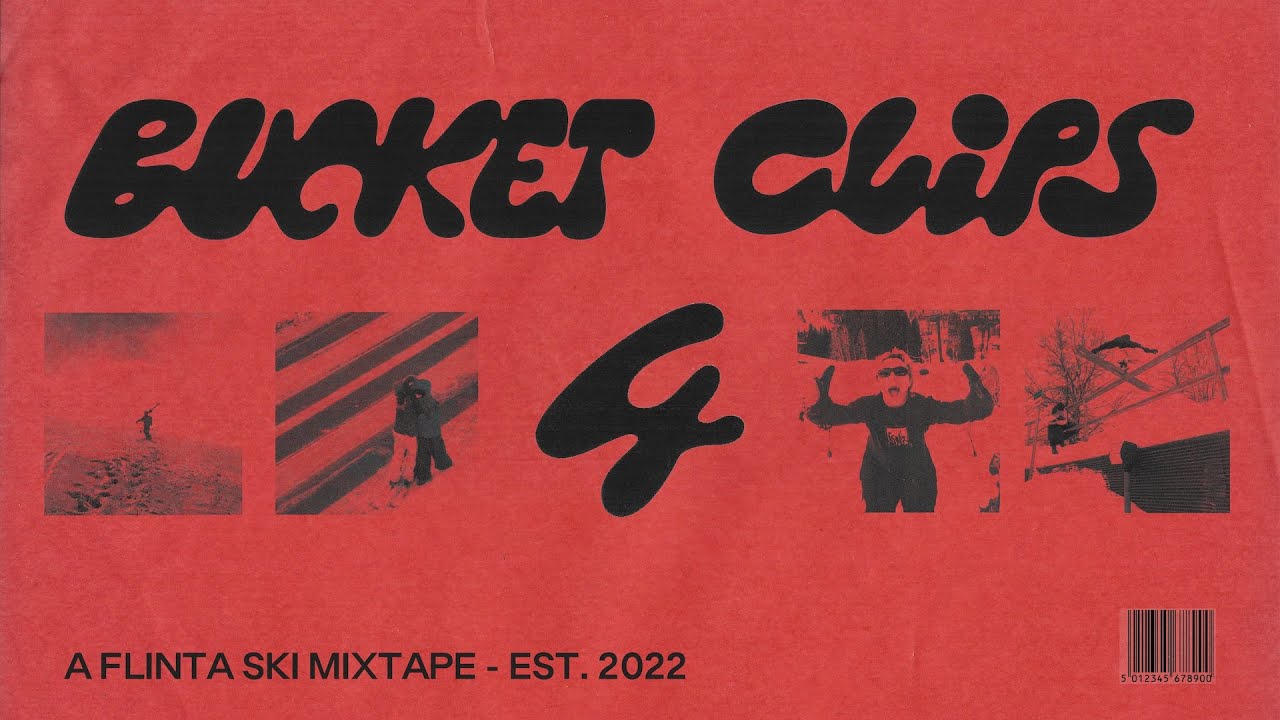
While she is not yet a podium regular at the very top tier, Krüttli has quietly built a solid presence in Europe’s Region 1 freeride ecosystem. Her name appears on start lists from Switzerland to France, and she has accumulated ranking points on the Freeride World Tour Challenger pathway. At the same time, she contributes to film and community projects such as the all-FLNITA* “Bucket Clips” ski films, where she rides alongside a global crew of women and gender-diverse skiers. For fans who follow the culture beyond the biggest broadcasts, she represents a grounded, everyday version of professional freeride life: teaching in the same mountains where she competes, and using her environmental and tourism background to keep that environment healthy.
Competitive arc and key venues
Krüttli’s competitive arc runs through many of the classic freeride proving grounds in the Alps. She has taken repeated starts on the FWT Qualifier tour, including events during Verbier Freeride Week, where she skied on the demanding faces above the famous village long before the main Freeride World Tour circus arrives. Starts at the 3-star Jam Extreme event in Andorra and the French Freeride Qualifiers in Vars added high-exposure venues to her résumé, putting her on steep, technical terrain in mixed snow conditions against a deep European field.
In Switzerland she has lined up at the Nendaz Freeride 1-star event, part of a competition series known for feeding talented skiers into the higher-level qualifiers. On the French side, results pages list her among the Ski Women entries at the French Freeride Series stop in Avoriaz, another resort with a strong freeride identity and highly visible competition zones. These are not always headline-grabbing finishes, but they are the kind of steady, mid-pack performances that keep an athlete’s ranking ticking upwards and provide the experience needed to handle bigger opportunities.
As a Challenger-series rider, Krüttli competes in the layer just beneath the fully televised Freeride World Tour. That tier demands the same core skills as the main tour—line choice, control, fluidity and risk management—but gives riders room to develop their style and decision-making. Her presence on the Challenger list, combined with a growing bank of FWT ranking points, signals that she has the consistency and commitment to stay in the system over multiple seasons, rather than appearing for a single event and disappearing again.
How they ski: what to watch for
Because freeride competitions are judged on line choice, control, air and fluidity rather than trick lists, the best way to understand Krüttli’s skiing is to look at how she moves through a face from top to bottom. Her lines tend to prioritise clean fall-line skiing with well-placed airs rather than maximum exposure at all costs. In event replays and rider edits, you often see her choose entries that allow two or three linked features—small drops, rollers, wind lips—rather than one enormous cliff that risks a full-stop landing. That approach reflects an understanding of how judges reward continuous, dynamic skiing.
Technically, she rides with a compact stance and steady upper body, which helps her stay centred when the snow turns from chalk to wind crust or when the run funnels into narrow couloirs. Landings are usually set up with enough speed to keep the line flowing but not so much that control is sacrificed; she tends to ski away cleanly rather than “back-seat saving” heavy impacts. For viewers who want to study her approach, it is worth paying attention to how early she commits to a line from the start gate, how she manages sluff in steeper sections, and how she uses small terrain features to keep runs interesting even when conditions are not perfect.
Resilience, filming, and influence
Krüttli’s influence extends beyond contest bibs. She is part of the international cast of the “Bucket Clips” film projects, short movies built around FLINTA* skiers from around the world who contribute street, backcountry and resort clips to a shared edit. In those films she appears alongside athletes from Scandinavia, Central Europe and North America, reinforcing the idea that there is no single “correct” path into the sport—only a shared passion for spending time in the mountains and in front of the camera with friends. Her freeride segments add a strong Alpine flavour to the mix and show that the same skier who coaches technique can still push into consequential terrain when conditions line up.
Off the hill, she brings a sustainability and tourism perspective that is unusually developed for a professional athlete. With a background in environmental sciences and work linked to Switzerland’s “Swisstainable” destination programme, she has contributed to projects that help Alpine tourism regions integrate sustainability into their long-term planning. Combined with her responsibilities in events and projects for the Flims Laax Falera destination, that means she is thinking about freeride terrain not just as a competition venue, but as a landscape that needs careful management to remain rideable for future generations.
This blend of film work, competition, coaching and sustainability does not always produce the loudest social media footprint, but it quietly shapes the culture around her. Younger skiers who encounter her as a coach at LAAX School, as a name on a Challenger start list, or as one of many faces in a FLINTA* film project see someone who has found a way to keep skiing at a high level while building a parallel professional career in the mountain world.
Geography that built the toolkit
The geography of Krüttli’s life and skiing is tightly tied to the Swiss Alps. The Flims Laax Falera region, with its mix of groomed slopes, tree runs and freeride zones, serves as her main training ground. Here she can move from structured on-piste coaching with guests to personal freeride laps in the same day, using the variety of terrain to keep both technical foundations and big-mountain instincts sharp. The local avalanche infrastructure, marked freeride routes and backcountry access points provide the perfect laboratory for refining line choice and snowpack reading.
Outside her home resort, the venues that appear on her results sheets—Verbier, Nendaz, Vars, Avoriaz—are all names with weight in the freeride world. Verbier’s complex faces and traverse-heavy logistics teach efficiency and commitment; Nendaz Freeride events expose riders to classic, rocky couloirs in varied snow; Vars and Avoriaz bring in the French mix of playful natural features and serious exposure. By competing across these locations, Krüttli has built a toolkit that works on everything from wide-open bowls to tight, technical entries, and that experience feeds directly back into the way she coaches and mentors other skiers.
Equipment and partners: practical takeaways
Public information about Krüttli’s exact sponsors is limited, but her role and discipline make it clear what kind of equipment she relies on. As a freeride competitor on the FWT Qualifier and Challenger tours, she skis on a directional or twin-tip freeride ski with enough length and stiffness to stay stable at speed while still being nimble in technical zones. A solid touring-capable binding or robust alpine setup, combined with well-fitted boots, allows her to move confidently through chopped landings, variable snow and long traverses without worrying about pre-releases or hot spots on her feet.
Like all modern freeriders, she also travels with a full avalanche-safety kit—beacon, shovel, probe and often an airbag pack—plus back protectors and a certified helmet for competition runs. For progressing skiers who look up to athletes on the Challenger tour, the key lesson in her example is that equipment should be chosen for reliability and versatility rather than fashion: a ski you can trust on hardpack and powder, boots you can wear all day, and protective gear that you actually keep on because it fits comfortably. Krüttli’s professional work within the resort and tourism sector also underlines the value of maintaining and respecting that equipment; in the long run, well-cared-for gear supports both personal safety and a lighter environmental footprint.
Why fans and progressing skiers care
Fans care about Amanda Krüttli because she represents a sustainable, real-world version of freeride skiing. She is not only chasing podiums; she is also coaching guests at a major Alpine resort, studying and working in environmental management, and contributing to community-driven films that highlight underrepresented skiers. Her presence on start lists at Verbier, Nendaz, Vars and Avoriaz shows a commitment to testing herself on serious faces, while her work at LAAX School shows a parallel commitment to helping others build the skills they need to enjoy those same mountains safely.
For progressing skiers, especially those who love big-mountain terrain but also think about long-term life in the Alps, Krüttli’s path is a valuable reference. She demonstrates that you can push freeride lines, collect FWT ranking points and appear in respected grassroots films without giving up on education or professional development. Watching her choice of lines, her measured risk levels and her ability to switch between athlete, coach and project manager roles can help riders imagine their own future in the sport—one where passion for skiing sits alongside care for the mountains and the communities that depend on them.