Cervinia
Alps
Italy
Overview and significance
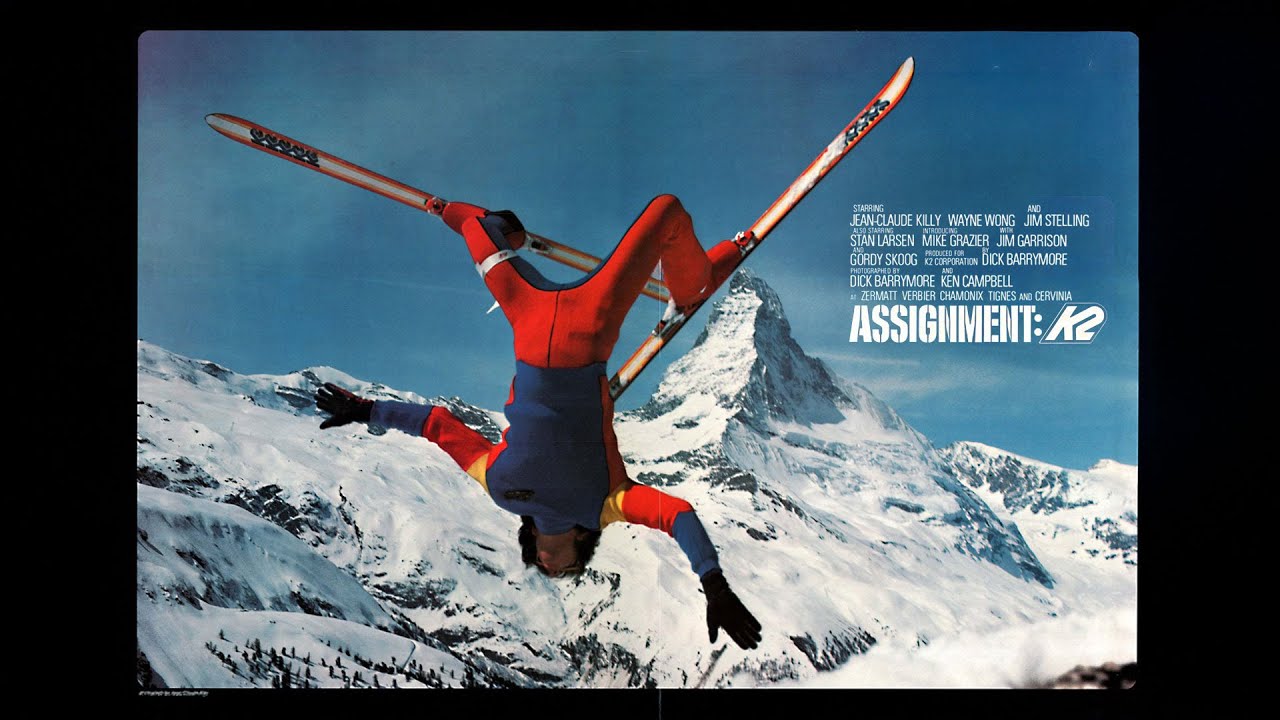
Breuil-Cervinia, usually shortened to Cervinia, is a high-altitude ski resort in Italy’s Aosta Valley, sitting at about 2,050 metres in a broad alpine basin directly beneath the south face of the Matterhorn, here known as Monte Cervino. Together with neighbouring Valtournenche on the Italian side and Zermatt in Switzerland, it forms the cross-border Matterhorn / Cervino ski area, one of the most extensive interconnected lift systems in the Alps. From the Italian village you can ride lifts and pistes up to the glacier plateau around 3,500 metres and, via the Matterhorn Glacier Paradise link, connect with the even higher Swiss lifts above 3,800 metres.
On the Italian side alone, Breuil-Cervinia and Valtournenche offer roughly 150 kilometres of pistes served by more than twenty lifts, with a vertical drop of about 1,400 metres between the lower Valtournenche slopes and the high glacier around Plateau Rosà. The gradient mix leans heavily toward long, rolling red runs and cruisy blues, which makes the area extremely popular with intermediate and advanced riders who like to travel distance, rack up vertical, and play on side hits. Iconic descents such as the Ventina run trace a line of nearly 20 kilometres from the glacier down to the village when conditions allow, delivering one of the longest lift-served runs in Europe.
Cervinia’s altitude and glacial connection translate into a notably long season, often running from late October into early May in a typical year. Reliable snow, the Matterhorn skyline, and broad, sunny upper slopes have made it a favourite for early-season training camps, race teams, and freeski crews looking for wide-open terrain and forgiving pitches. At the same time, the resort has its own freestyle identity anchored by the Indianpark snowpark above Plan Maison, which has served as a key Italian park hub for more than two decades.
Terrain, snow, and seasons
The Italian half of the Matterhorn area is arranged across three main sectors. Valtournenche sits lower, with forested slopes and sheltered pistes that are useful on stormy days. Breuil-Cervinia itself occupies a high, treeless bowl where lifts radiate from the village up toward Plan Maison at around 2,500 metres, then higher again to sectors such as Fornet and Bontadini. Above these, the snowscape tips fully into glacial terrain, with Plateau Rosà around 3,480 metres forming the key Italian gateway to the cross-border glacier plateau shared with Zermatt.
Across this network, the groomed terrain on the Italian side alone stretches to around 120–150 kilometres of pistes, with the wider linked area reaching more than 300 kilometres when you include the Swiss side. The official breakdown skews strongly to intermediate and advanced runs, with only a modest share of easy slopes. In practical terms, that means wide, fast motorway-style reds dropping from the glacier and high stations down toward Plan Maison and Cime Bianche, plus steeper variants and black-marked sections where the terrain steepens or narrows. Early-intermediate skiers can find gentler options near the village and Plan Maison, but complete beginners may prefer to stay closer to the learning zones until they are comfortable with sustained gradients and long descents.
Snow reliability is one of Cervinia’s major selling points. Upper slopes sit well above 2,500 metres, with the glacier terrain around Plateau Rosà keeping snow in play even in lean winters. Average seasonal snowfall figures on the higher slopes commonly reach several metres, and the altitude helps preserve quality between storms. On colder cycles, snow on the upper mountain can be dry and chalky, ideal for carving and landing features. Lower down, especially toward Valtournenche or late in the season, you will encounter the full range of Alpine surfaces: hardpack in the mornings, soft hero snow on sunlit aspects, and occasional slush on warm afternoons.
Thanks to the glacier link and high base, Cervinia’s season typically runs longer than many non-glacier resorts. Early winter often sees upper runs and the park at Plan Maison open before the full lower network is ready, while spring riders can enjoy classic corn cycles on south-facing pitches and long, sunny days that encourage leisurely laps between hut stops. When conditions and operations permit, you can even approach the summer ski area above Plateau Rosà from the Italian side, though the main summer park scene sits over the border at Snowpark Zermatt.
Park infrastructure and events
The heart of Cervinia’s freestyle offering is Indianpark Snowpark, perched above Plan Maison on a broad slope served by the Fornet chairlift. Built initially in the early 2000s and continually refined since, Indianpark has become one of Italy’s best-known snowparks and a reference point for the national snowboard and freeski scene. Official information describes it as a multi-level freestyle area with features for every skill band, set at an altitude of just over 3,000 metres where snow quality and coverage hold well through the main season.
Indianpark is typically laid out along a 400-metre-long bench, roughly 100 metres wide, with a clear progression ladder. A beginner-friendly section closer to the top of the park offers small tables, boxes, and low rails where first-time park riders can learn approach, pop, and basic slides. Mid-level lines add larger tabletops and a variety of rail shapes—flat, down, kink, and combination features—that let intermediates work on spins on and off, switch landings, and more technical jib tricks. At the advanced end, the park crew builds bigger jumps and complex rail setups that cater to experienced freeskiers and snowboarders, including athletes who film or train here through the season.
Complementing the park, the broader Cervinia–Valtournenche area also hosts boardercross and fun cross-style runs that give mixed-ability crews another way to play with terrain without committing to full park lines. Official resort channels highlight Indianpark’s role in Italian freestyle culture, noting that many of the country’s top riders have passed through its features over the past two decades. While huge stadium-style international competitions are rare here compared with some larger venues, local and national-level events, rail jams, and photo shoots are common, and the park’s altitude and width make it a natural filming location when conditions line up.
For riders who want still more, the cross-border link to the Plateau Rosà glacier and the Swiss side opens access to the summer and winter setups at Snowpark Zermatt. In practice, that means a dedicated crew could spend part of the day in Indianpark and, when operations allow, head over the border to session a second park in the same trip, all under the Matterhorn’s north and south faces.
Access, logistics, and on-mountain flow
Cervinia sits at the head of a side valley above the town of Chatillon in the Aosta Valley. Most international visitors fly into Turin, Milan, or occasionally Geneva, then travel by car, private transfer, or bus up the A5 motorway toward Aosta before turning off for Valtournenche and continuing up to Breuil-Cervinia. The final stretch climbs switchbacks to the high plateau where the village lies, and in winter it can be snow-covered, so winter tyres or chains are strongly recommended.
Once in the resort, the village is compact and built around a traffic-calmed main street that runs parallel to the creek. Many hotels and apartments are within walking distance of lifts, and ski buses circulate for those based slightly further out. The Italian-side lift network includes a combination of gondolas, cable cars, chairlifts, and surface lifts—more than twenty in total—radiating from the village toward Plan Maison and beyond. From there, high-capacity gondolas and chairs fan out toward Fornet, Bontadini, and the glacier, while another branch runs down to Valtournenche, allowing full-area circuits on a single pass.
For park skiers, the usual flow is to upload from the village to Plan Maison, then ride the Fornet chair repeatedly to lap Indianpark, dropping back to Plan Maison for food or weather breaks. Strong all-mountain riders often structure their day around one or two big circuits: starting with early glacier runs from Plateau Rosà down the Ventina or related routes, then linking across toward Valtournenche before returning to Cervinia in the afternoon. When the cross-border connection to Zermatt and the Matterhorn Glacier Paradise is open, you can push further, skiing from Italy into Switzerland for lunch and then back, but it is essential to track lift times and weather so you do not get stranded on the wrong side of the border when lifts close.
Local culture, safety, and etiquette
Breuil-Cervinia blends classic Italian resort atmosphere with a strong high-alpine and mountaineering heritage. The village itself is purpose-built, with large hotels and apartment blocks at the base of the slopes, but the skyline is dominated by the rock pyramid of the Matterhorn. Food and après reflect Italian tastes—think espresso bars, pizzerias, and long lunches on sunny terraces—while the presence of the Società Guide del Cervino highlights the area’s role in serious mountaineering and backcountry skiing, including guided freeride days, ski touring, and heliski operations when conditions permit.
Because much of the upper terrain is high and partially glaciated, safety awareness is crucial. On-piste, the standard Alpine responsibility code applies: control speed, yield appropriately, and respect signage and closures. Off-piste and freeride routes above Cervinia, particularly those accessed from Plateau Rosà or toward the steeper flanks of Monte Cervino, should be treated as true backcountry. Crevasse fields, cornices, and wind-loaded slopes all exist in this environment, and local guides emphasise avalanche equipment, training, and conservative terrain choices, especially after storms or during rapid warming.
In Indianpark, Park Smart rules are the norm. Riders are expected to inspect features from the side before hitting them, call their drops clearly, and exit landings quickly to keep lines flowing. Because the park attracts a mix of locals, national-team athletes, and visitors who may be less familiar with park etiquette, staying predictable and aware of others is key. Helmets are strongly recommended, and many coaching groups add back protectors for riders working on larger jumps and more consequential tricks.
Best time to go and how to plan
Thanks to its elevation and glacier link, Cervinia’s ski season often stretches from late October right through to early May, with some variation from year to year depending on snow and temperatures. For most freeskiers, the sweet spot is midwinter into early spring—roughly early January through late March—when the snowpack is deepest, temperatures stay consistently cold, and the full network of pistes is typically open. This is also when Indianpark usually operates at full capacity, with multiple lines built out and maintained across the main bench.
Early season, particularly late October and November, is popular for race and park camps because high-altitude runs above Plan Maison and on the glacier can open before many other European resorts. In this window, expect a more training-focused atmosphere, with concentrated piste options and a strong presence of teams. Late spring, by contrast, brings longer days, softer snow on sun-exposed slopes, and a relaxed pace that suits long top-to-bottom cruisers and slushy park laps. Lower runs toward Valtournenche can become patchy if temperatures stay warm, but the high alpine terrain above Plan Maison usually holds up well deep into the season.
Planning-wise, it is worth deciding whether you want to focus purely on the Italian side or also explore the full Matterhorn area. A Cervinia–Zermatt international pass unlocks the Swiss terrain and the glacier parks above Plateau Rosà, but you will need to carry identification for cross-border travel and keep an eye on both Italian and Swiss lift bulletins, as wind holds or weather on either side can affect key links. Booking accommodation close to the lifts simplifies morning logistics, and arriving with winter-ready tyres or transfers already organised is essential in mid-season, when snow on the access road is common.
Why freeskiers care
Freeskiers care about Cervinia because it offers a rare combination of high-altitude reliability, huge travelable terrain, and a proven freestyle platform in Indianpark—all under the gaze of one of the world’s most recognisable peaks. The Italian side’s long, rolling reds and wide glacier pistes are perfect for learning tricks off sidehits, refining switch skiing, and stacking high-speed follow-cam shots, while the park itself provides a structured progression ladder from first boxes to sizeable jumps and more technical rail lines.
Add the cross-border connection to the glacier parks above Zermatt, the possibility of guided freeride and heliskiing with local mountain guides, and an Italian village atmosphere built around good food and long days on snow, and Cervinia becomes much more than just a gateway to Switzerland. It is a destination in its own right: a place where you can cruise endless groomers, lap a high-altitude park, and still finish the day with espresso, pizza, and a Matterhorn sunset. For riders building a European freeski circuit, Cervinia is a cornerstone stop in the wider Matterhorn orbit.