Vincent Gagnier
Profile and significance
Vincent Gagnier—known across freeskiing as “Vinny Cash”—is a Canadian style authority and trick innovator from Victoriaville, Québec. A Big Air Olympic cycle never defined him; X Games and rider-driven projects did. His signature moment came at Aspen in January 2015, when he won Ski Big Air under the lights at Buttermilk/Aspen Snowmass, outscoring Bobby Brown and Elias Ambühl with spin-and-grab combinations that favored originality over brute rotation. The gold followed his 2014 X Games silver in the same event and set up a streak of marquee wins, including the men’s ski title at the Polartec Big Air at Fenway Park in 2016—an FIS World Cup stop staged on a 140–150-foot scaffold jump in downtown Boston. Beyond medals, Gagnier is the rare rider whose movement language (creative off-axis spins, late bringbacks, and unusual grab families like venom/genie variations) reshaped what park and big-air style could look like on camera and in person.
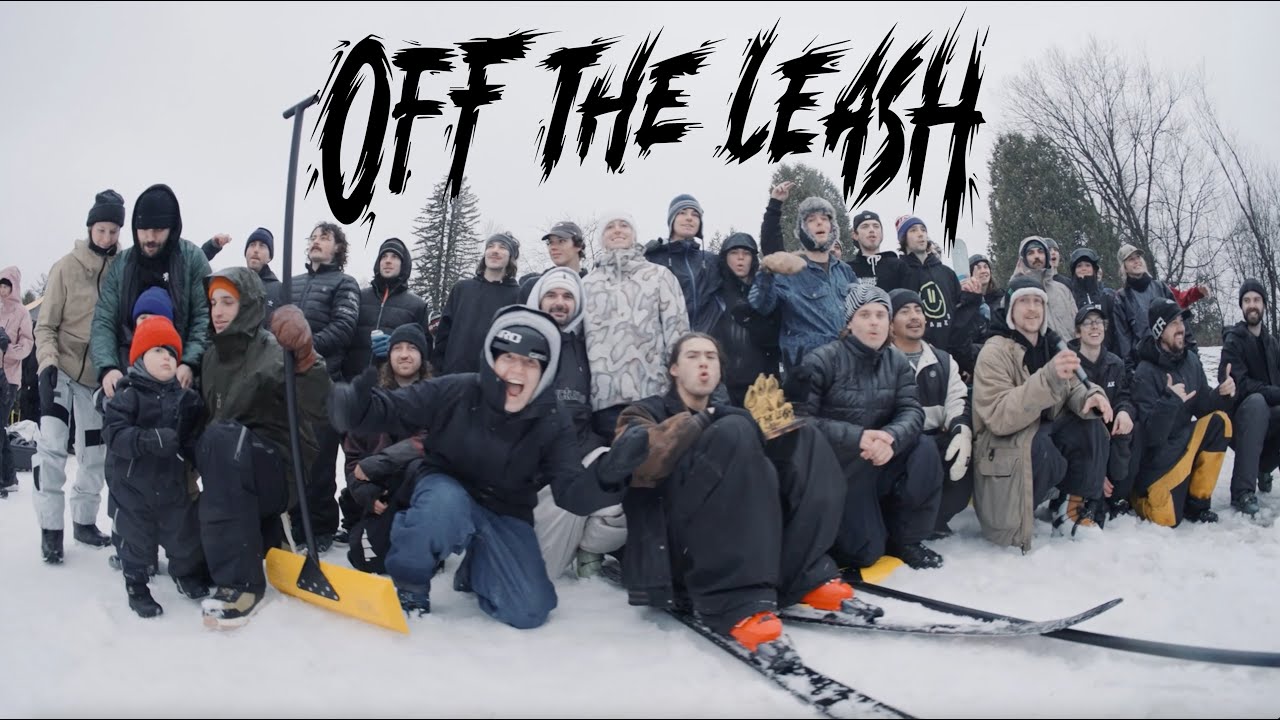
His significance extends from podiums to culture. He helped bridge the Quebec street/park sensibility with broadcast-stage events, and he carried that same grammar to peer-judged formats like SLVSH and to rider-led gatherings such as the B&E Invitational at Les Arcs. In an era that often rewards sheer spin count, Gagnier made a career of showing that novel axes, perfectly timed grabs, and controlled landings can win big while aging gracefully in slow motion.
Competitive arc and key venues
Gagnier’s arc reads like a case study in resilience and taste. In April 2014 he shattered a thoracic vertebra while filming—a T5 injury that required surgery—then returned eight months later to win X Games Big Air at Aspen. The next season he doubled down on scaffolding venues and stadium shows, taking the Polartec Big Air at Fenway Park in February 2016 and adding top results at invitational big-air stops including Frostgun in Val d’Isère. Along the way he kept entering rider-curated formats: SLVSH games at Sierra-at-Tahoe (2020) and under the lights at Grandvalira’s Sunset Park Peretol (2019 and 2023) showcased his technical imagination without a start gate.
Place matters to how his skiing reads. Aspen’s broadcast-tight schedules and perfectly shaped booter at Buttermilk reward tricks that breathe on camera. Fenway’s one-hit World Cup ramp magnified decision-making: honest speed, precise pop, and mid-air organization visible from center field. Les Arcs’ skate-park-inspired B&E courses prized flow and transition literacy over single-feature heroics. Back home, laps at Mont-Sainte-Anne and night sessions around the Laurentians kept his rail timing and jump cadence sharp between tours. Thread those venues together and the through-line is obvious—clarity that survives environment changes.
How they ski: what to watch for
Gagnier skis with economy and definition—the two traits that make high-level freeskiing readable. Into a takeoff he stays tall and neutral, sets rotation late, then establishes the grab before 180 degrees so the axis is honest. When he layers complex grab combinations—think venom/“genie” families or seatbelt-style crosses—he does it without sacrificing flight path or landing stack. Bringbacks (arresting rotation to “come back” on a previous axis) work because edge pressure and body alignment are organized early; the skis release cleanly, then re-engage on command instead of via a save. Landings look inevitable—hips over feet, ankles soft—so the clip reads like one sentence instead of a string of recoveries.
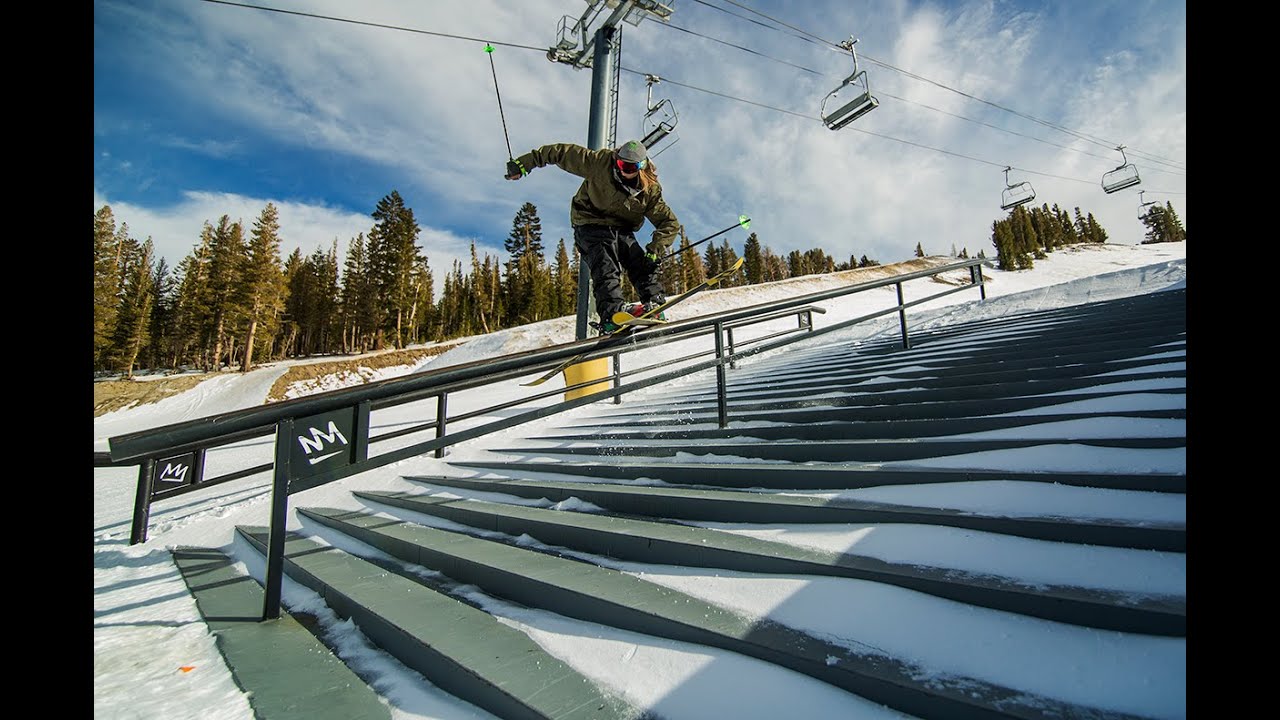
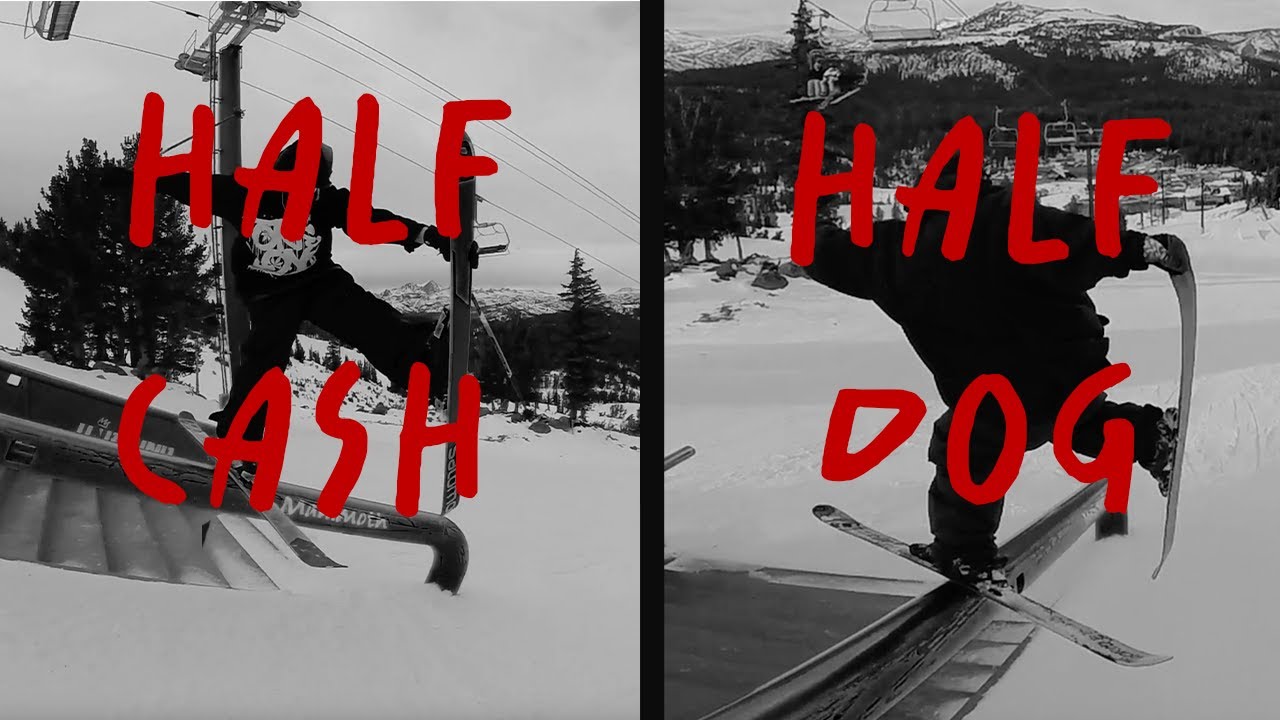
On rails and transition features, the signatures are square, unhurried entries; presses held long enough to be unmistakable; minimal arm swing on swaps; and exits with the shoulders aligned so momentum carries to the next hit. The common checkpoints—calm entry, patient pop, early grab definition, stacked landing—make his footage unusually instructive for coaches and progressing riders.
Resilience, filming, and influence
Film seasons and rider-run projects kept Gagnier’s influence compounding long after the medal run. He contributed to SLVSH’s movie cuts and game weeks, where peers judge every detail, and he appeared in community-facing premieres from Montréal to the Alps that put creative mechanics in front of young park skiers. After his 2014 back injury and later knee setbacks, the comeback chapters emphasized method over magnitude—proof that timing and organization beat gymnastic force over a full career. That ethos carried into brand projects as well: recent seasons have seen him release short-form edits and collaborate on limited skis that foreground his movement ideas rather than just his résumé.
In Québec, he also shows up as a culture carrier—podcasts, festival juries, and shop/community shoots—translating style concepts (why a grab is defined early, why a landing stance matters) into language skiers can apply on weeknight laps. The result is influence you can measure: riders copy the checkpoints and find their clips improving, even on modest features.
Geography that built the toolkit
Gagnier’s toolkit is geographic. Early and ongoing laps at Mont-Sainte-Anne supply repetition and night-park cadence—perfect for drilling patient pop and clean exits. The X Games stage at Aspen Snowmass tests the same habits at broadcast pace on a world-class booter. Stadium scaffolds like Fenway Park punish any mid-air indecision and reward tricks that present clearly from a single hit. In Europe, Val d’Isère big-air scaffolds and the creative lines at Les Arcs forced transition reads and line-building that go beyond a straight jump. And in Andorra, Sunset Park Peretol adds floodlit pressure and fast resets, exposing sloppy organization immediately. Those places created the fingerprints visible in every part and podium: honest speed, early definition, and landings that set up the next move.
Equipment and partners: practical takeaways
In recent seasons Gagnier has been supported by J Skis, Blenders Eyewear, and Québec’s Axis Boutique; earlier in his career he rode with brands like Salomon and O’Neill. For skiers trying to borrow the feel, the hardware lesson is principle-based. Choose a true park twin with a balanced, medium flex you can press without folding and that remains predictable on larger lips. Detune contact points just enough to reduce rail bite while preserving trustworthy grip for takeoffs. Keep the mount close to center so switch landings feel neutral and presses sit level, and avoid binding ramp angles that tip you into the backseat. More important than any product spec is the process visible in his edits: film your laps, check shoulder alignment and hip-to-ankle stack, and repeat until patient pop, early grab definition, and square-shoulder exits are automatic.
Why fans and progressing skiers care
Fans care about Vincent Gagnier because he proved, on the sport’s biggest stages, that creativity and clarity can beat raw spin count—then he spent the next decade turning those choices into a teachable language. Progressing riders care because the same decisions scale to realistic parks and scaffolds alike: stay tall into the lip, set late, define the grab early, and land stacked so speed survives into the next feature. Whether the backdrop is a World Cup jump inside Fenway Park, X Games night at Buttermilk, a creative line at Les Arcs, or laps at Mont-Sainte-Anne, his blueprint shows how freeskiing can be both progressive and legible—clips that hold up at half speed today and still look right in ten years.